Be Careful when bruises begin appearing more often than usual, especially when you cannot remember bumping or injuring yourself. Most bruises are harmless. They form when small blood vessels break beneath the skin and allow blood to collect in nearby tissue. In many cases, the body gradually reabsorbs that blood and the discoloration fades on its own.
Still, a sudden change in bruising deserves attention. Aging, medications, supplements, physical activity, and ordinary minor injuries can all make bruises more noticeable. However, unexplained or unusually frequent bruising can sometimes occur with platelet problems, clotting disorders, or other medical conditions. Therefore, the pattern matters much more than a single ordinary bruise.
Be Careful does not mean you should panic every time you notice a purple mark. Instead, it means paying attention to changes and knowing when a healthcare professional should take a closer look.
I once noticed several bruises along my legs over the course of a week and immediately started wondering whether something serious had changed. Then I thought about the previous few days. I had moved furniture, carried boxes, exercised more than usual, and repeatedly bumped into the edge of a low table without thinking much about it. Most of the marks gradually faded. Still, the experience changed how I look at bruises. Rather than jumping to the worst conclusion, I now pay attention to patterns, new medications, unusual bleeding, and whether the bruises make sense based on everyday activity.
Why Bruises Appear and Why Some People Get Them More Easily
Small Blood Vessels Can Break After Very Minor Injuries
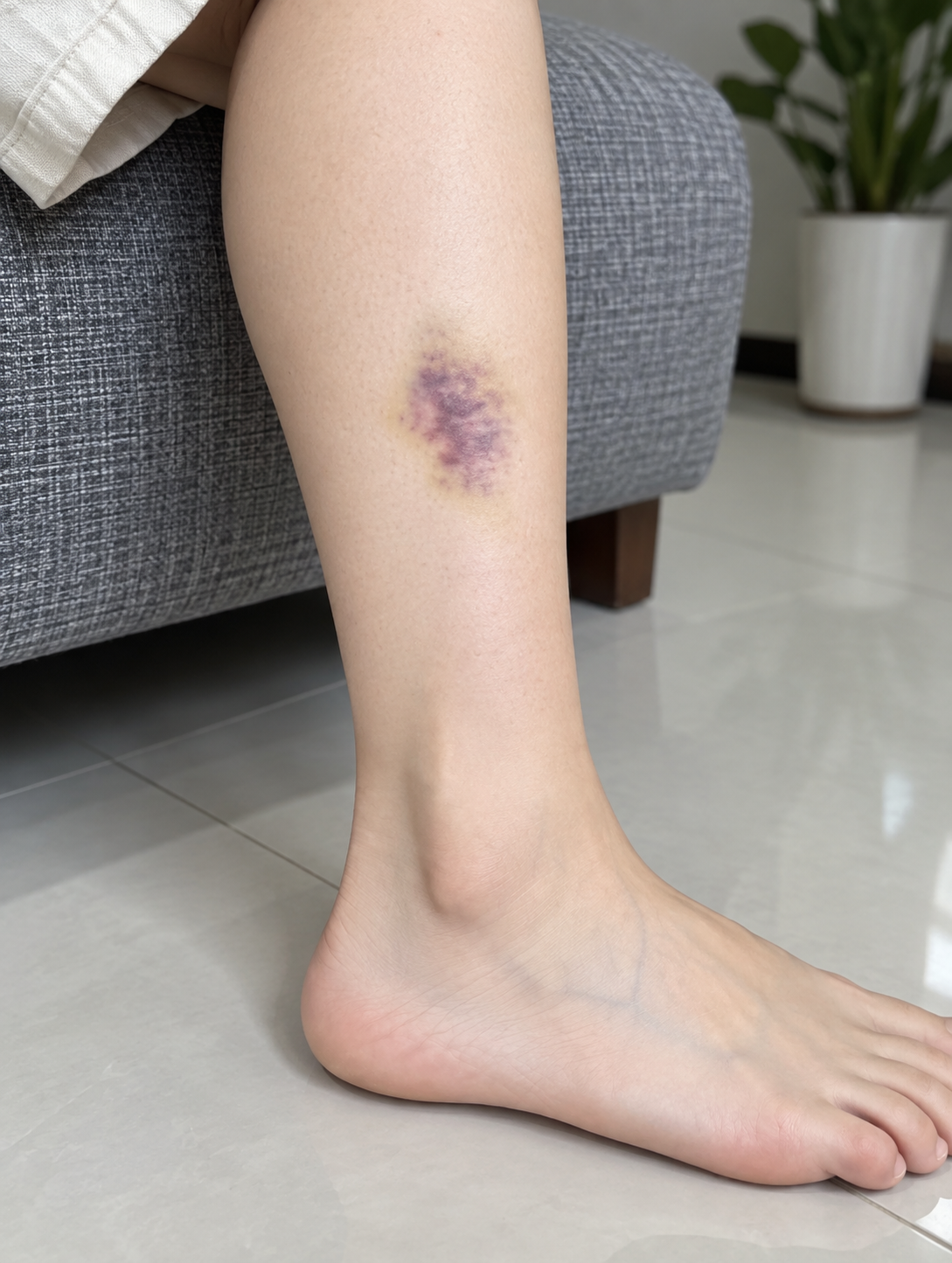
A bruise develops when an impact damages small blood vessels beneath the skin without breaking the skin itself. Blood leaks into the surrounding tissue, creating the familiar red, purple, blue, green, or yellow discoloration that changes as healing progresses. Most ordinary bruises fade over time without specific treatment.
Sometimes you remember exactly what caused the mark.
Perhaps you bumped your shin against a table.
Maybe you hit your arm on a doorframe.
Sports, exercise, gardening, household projects, and other physical activities can also create small injuries that you barely notice when they happen.
Consequently, Be Careful does not mean every bruise requires medical testing.
Some people simply bruise more easily than others.
Age also changes how bruises develop.
As people get older, skin becomes thinner and loses some of the fatty layer that helps protect blood vessels from bumps. Because that cushioning decreases, a small impact can create a surprisingly large bruise.
That explains why bruises on the arms and legs often become more common with age.
Even so, your usual pattern matters.
If you have always bruised easily and nothing has changed, the situation differs from suddenly developing frequent large bruises without any clear explanation.
Therefore, notice what is normal for your body.
A new pattern deserves more attention than an occasional mark after obvious activity.
Medicines and Supplements Can Change How Easily You Bruise
Be Careful if easy bruising starts after you begin a new medicine or supplement.
Several common medications can reduce the blood’s ability to clot normally after small blood vessels get damaged.
Aspirin, ibuprofen, naproxen, anticoagulants, and antiplatelet medicines can all contribute to easier bruising in some people. In addition, corticosteroids can thin the skin, which can make bruises more likely. Some supplements can also affect bleeding or bruising risk.
However, do not stop a prescribed medication simply because you notice bruising.
The medication may protect you from a much more serious health problem.
Instead, contact the healthcare professional who prescribed it and explain what you have noticed.
Provide a complete list of prescription medicines, over-the-counter products, vitamins, and supplements.
That list matters because people sometimes forget that nonprescription products can affect bleeding.
For example, someone may take an anticoagulant prescribed by a doctor while also using an over-the-counter pain reliever or supplement.
The combination may matter.
Therefore, Be Careful about assuming that “natural” automatically means harmless.
Your doctor or pharmacist can review potential interactions and decide whether the bruising fits an expected side effect or requires further evaluation.
When Unexplained Bruising Deserves Medical Attention
Watch for Sudden, Large, Frequent, or Painful Bruises
Most bruises do not indicate a serious condition.
However, certain patterns should prompt a conversation with a healthcare professional.
Be Careful if bruises suddenly begin appearing much more often than they did before.
Also pay attention to very large bruises, especially when you cannot identify an injury that would explain them.
Mayo Clinic advises medical evaluation for frequent large bruises, bruises that seem to occur without a clear reason, a sudden increase in easy bruising, or easy bruising accompanied by unusually heavy bleeding.
Location can matter as well.
Large unexplained bruises on the chest, abdomen, back, or face deserve more attention than an occasional shin bruise after bumping into furniture.
Pain matters too.
A bruise with severe swelling or persistent pain may need evaluation, particularly if a lump develops over the area. A lump can represent a hematoma, which means blood has collected in the tissue.
Likewise, a bruise that repeatedly appears in the same place deserves investigation.
Sometimes an everyday activity explains repeated trauma.
However, recurring or unexplained bruising should not simply be ignored.
Be Careful also if bruising follows a significant injury, especially when movement becomes difficult or swelling increases rapidly.
In those situations, the concern may involve more than superficial skin discoloration.
Bruising With Other Bleeding Symptoms Can Be More Significant
Bruising becomes more important when other bleeding symptoms occur at the same time.
For example, frequent nosebleeds, bleeding gums, unusually heavy bleeding from small cuts, or excessive bleeding after dental work or surgery can suggest that the body’s normal clotting process deserves closer evaluation.
Blood in urine or stool should also receive medical attention rather than being dismissed as part of normal bruising.
Be Careful if unexplained bruises appear together with symptoms such as dizziness, fainting, fever, severe pain, or marked swelling. Those combinations provide more reason to contact a healthcare professional promptly.
A family history can provide another clue.
Some bleeding disorders are inherited.
Therefore, tell your doctor if relatives also experience unusually easy bruising, frequent nosebleeds, prolonged bleeding, or diagnosed clotting disorders.
At the same time, do not assume that frequent bruising automatically means you have a bleeding disorder.
Many much simpler explanations exist.
The purpose of medical evaluation is to separate common causes from conditions that require treatment.
That distinction matters because appearance alone cannot identify the cause.
One purple bruise cannot tell you whether the issue involves a medication, a minor unnoticed injury, aging skin, platelets, clotting proteins, or something else.
What Can Cause Frequent Bruising Beyond Everyday Bumps
Platelets and Clotting Factors Play an Important Role
Blood clotting depends on several coordinated processes.
Platelets help form an initial plug when a blood vessel becomes damaged.
Meanwhile, proteins known as clotting factors help stabilize the clot.
Problems with platelet number, platelet function, or clotting factors can make bruising or bleeding easier.
For this reason, Be Careful if easy bruising appears alongside prolonged bleeding.
Bleeding disorders can result from inherited conditions, other illnesses, or medication effects. MedlinePlus also notes that severe liver disease and vitamin K deficiency can contribute to bleeding disorders in some cases.
Still, these possibilities do not mean you should diagnose yourself from photographs or symptom lists.
The same outward symptom can have many causes.
For example, one person may bruise because an anticoagulant is working as expected.
Another may simply have thinner skin with age.
Someone else may have a platelet problem.
Therefore, the healthcare professional needs the entire picture.
That includes your age, medical history, current medications, supplements, family history, diet, recent illnesses, activity level, and other bleeding symptoms.
Be Careful with online claims that treat one bruise pattern as proof of a specific disease.
Bruising alone rarely provides enough information for that conclusion.
In particular, a bruise does not automatically mean cancer.
Certain serious blood diseases can include bruising among many possible symptoms, but common bruises have numerous noncancerous explanations.
The safer approach involves evaluation when the pattern truly looks unusual rather than assuming the worst from a photograph.
Nutritional Problems Can Matter, but Supplements Are Not an Automatic Fix
Nutrition also affects the systems involved in healthy skin, blood vessels, and blood clotting.
Vitamin K contributes to normal clotting, while vitamin C supports connective tissue and blood vessel health.
However, Be Careful before assuming that unexplained bruising automatically means you need a vitamin supplement.
True nutritional deficiencies require context.
A balanced diet generally provides a better starting point than taking high-dose supplements without knowing whether you need them.
Furthermore, supplements themselves can sometimes interact with medicines or affect bleeding risk.
Mayo Clinic specifically advises telling healthcare professionals about supplements when easy bruising occurs, particularly when someone also takes a medicine that affects blood clotting.
Therefore, avoid treating persistent bruising with random supplements.
Instead, discuss your diet and medication use with a healthcare professional.
If testing suggests a deficiency, treatment can target the actual problem.
Physical activity also belongs in the bigger picture.
Exercise, sports, moving furniture, carrying equipment, and manual work can all expose the arms and legs to small impacts.
If the bruises appear exactly where those activities would cause contact and then fade normally, the explanation may be straightforward.
Nevertheless, Be Careful when the pattern changes without a clear change in activity.
That difference provides useful information to your doctor.
How Doctors Evaluate Unexplained Bruising and What You Can Do
Medical History and Blood Tests Can Help Narrow the Cause
When unexplained bruising becomes frequent, a healthcare professional usually begins with questions rather than immediately assuming a serious diagnosis.
Expect questions about when the bruising started, where it appears, how often it happens, and whether you experience other bleeding.
Your doctor may also ask about previous surgeries, dental procedures, menstrual bleeding, family history, illnesses, medications, and supplements.
Then a physical examination can provide additional clues.
If further testing makes sense, common blood tests may include a complete blood count to check platelets and tests that examine how long blood takes to clot. MedlinePlus lists tests such as CBC, PT, and PTT among tests used when bleeding disorders are suspected.
Be Careful not to interpret a single laboratory number without medical context.
Different tests evaluate different parts of clotting.
Likewise, normal results on one test do not answer every possible question.
Your healthcare professional may recommend additional evaluation based on your symptoms and history.
One practical step can help before the appointment: document the bruises.
Take photographs with dates.
Write down when each bruise appeared.
Note whether you remember an injury.
Also record any nosebleeds, gum bleeding, medication changes, illnesses, or supplements.
That simple record can show whether the pattern is truly increasing and give the clinician more useful information than memory alone.
Protecting Your Skin and Preventing Everyday Bruises
You cannot prevent every bruise.
However, several simple habits can reduce ordinary injuries.
Keep walkways clear.
Use adequate lighting.
Secure loose rugs.
Arrange furniture so you do not repeatedly strike sharp corners.
Wear appropriate protective equipment during sports or physically demanding activities.
Mayo Clinic recommends fall-prevention measures such as good lighting and reducing household obstacles, particularly for people who bruise easily.
When a minor bruise occurs after a known injury, applying a wrapped ice pack for short periods and elevating the affected area can help reduce swelling and discomfort.
However, Be Careful if swelling becomes severe or the pain seems out of proportion to the original injury.
Likewise, seek evaluation if a bruise remains unusually painful, develops a significant lump, repeatedly returns, or accompanies unusual bleeding.
Most importantly, avoid changing prescribed medicines on your own.
If a blood thinner, aspirin, corticosteroid, or another medication appears to contribute to bruising, discuss the situation with your doctor.
The appropriate solution may involve monitoring rather than stopping treatment.
Frequently Asked Questions
Are unexplained bruises always a sign of a serious disease?
No. Be Careful about assuming the worst. Aging, unnoticed minor injuries, medications, supplements, and individual differences can all contribute to easy bruising. However, frequent or suddenly increasing unexplained bruises deserve medical evaluation.
Can blood-thinning medicines cause bruising?
Yes. Medicines that reduce clotting can make bruises appear more easily because bleeding from small damaged vessels may take longer to stop. Do not stop a prescribed medicine without talking with the healthcare professional who prescribed it.
When should I see a doctor about bruises?
Be Careful if bruises become frequent, large, painful, sudden, unexplained, or occur with unusual bleeding such as nosebleeds or bleeding gums. Severe swelling or a lump over a bruise can also deserve evaluation.
What blood tests might doctors use for unexplained bruising?
Depending on your history, doctors may use a complete blood count to examine platelet levels and clotting tests such as PT or PTT. Additional testing depends on the suspected cause.
Does unexplained bruising mean cancer?
No. Be Careful with claims that treat bruising as proof of cancer. Bruising has many possible causes, and a bruise by itself cannot diagnose a specific disease. A healthcare professional should evaluate new, frequent, or otherwise unusual bruising.
Conclusion
Be Careful if your bruising pattern suddenly changes, but do not panic over every ordinary bruise.
Most bruises form because tiny blood vessels break after a bump or injury, and the body gradually clears the trapped blood. Aging skin, physical activity, medicines, supplements, and unnoticed minor injuries can all make bruising easier.
However, frequent large bruises, unexplained bruises, sudden changes, severe pain or swelling, or bruising combined with unusual bleeding deserve more attention.
Platelet problems and clotting disorders can cause easy bruising, which is why healthcare professionals sometimes use blood counts and clotting tests when the pattern raises concern.
Be Careful also about changing medications or adding supplements without professional guidance.
If a medication appears to contribute to bruising, contact the prescriber rather than stopping it on your own.
Finally, remember that a bruise is a symptom, not a diagnosis.
Its meaning depends on the pattern, location, severity, other symptoms, medications, medical history, and laboratory findings.
Paying attention to those details gives you something much more useful than fear: information that can help you decide when an ordinary bruise can simply heal and when a healthcare professional should investigate further.
More Home Remedies
- Wrinkled Fingers After Water Exposure: What Your Skin May Be Telling You
- Skin Rash With Breathing Trouble? It Could Be a Life-Threatening Allergic Reaction
- I Thought It Was a Piece of Trash on the Bathroom Floor—Until It Moved
- If You Are Getting White Pimples on Your Lips or Intimate Area, Here’s What They Could Mean