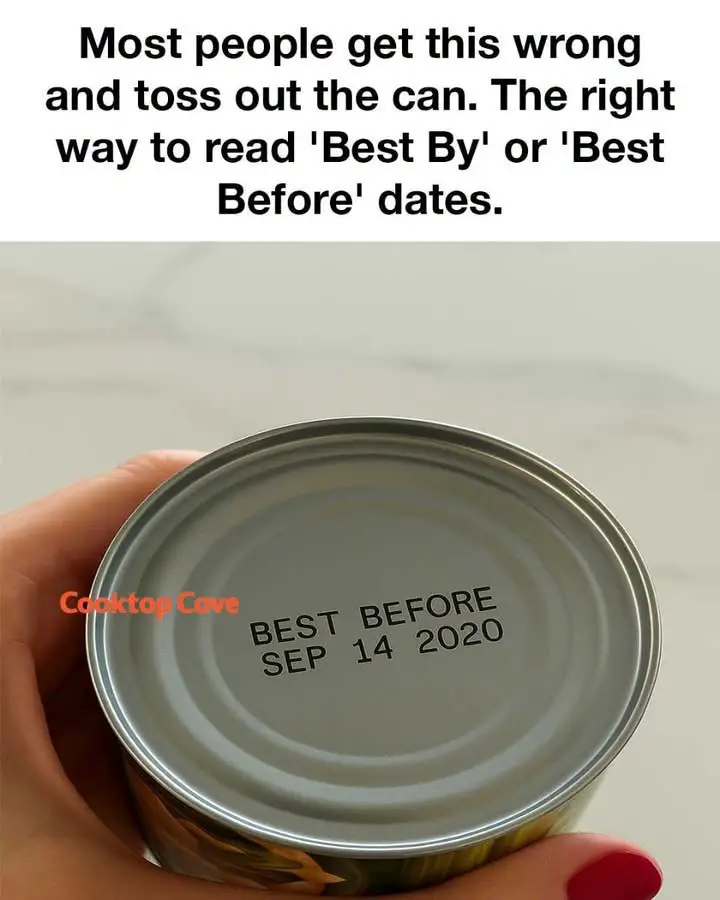
Introduction
Have you ever opened your pantry, spotted a can of soup or vegetables past its printed date, and immediately tossed it into the trash?
If so, you’re not alone.
Millions of people throw away perfectly good food every year because they misunderstand the meaning of date labels. Many consumers assume that a “Best By” or “Best Before” date is the same as an expiration date. In reality, these labels usually refer to quality rather than safety.
Understanding what these dates actually mean can help reduce food waste, save money, and prevent unnecessary worry about foods that may still be perfectly safe to eat.
Let’s take a closer look at what these labels really mean and how to determine whether canned and packaged foods are still good.
🗓️ What “Best By” and “Best Before” Really Mean
One of the biggest misconceptions about food labels is that they indicate a strict safety deadline.
In most cases, they do not.
Manufacturers use “Best By” or “Best Before” dates to indicate when a product is expected to maintain its highest quality.
These dates typically refer to:
- Peak flavor
- Best texture
- Optimal color
- Maximum freshness
- Ideal nutritional quality
After the date passes, the food may gradually lose some of its quality characteristics. However, that doesn’t automatically mean it becomes unsafe.
For example, canned corn that is one year past its “Best By” date may not taste quite as fresh as when it was first packaged, but it could still be completely safe to consume if the can remains undamaged and properly stored.
🥫 Why Canned Foods Can Last So Long
Canned foods were specifically designed for long-term storage.
Their impressive shelf life comes from a preservation process that protects the food from the factors that typically cause spoilage.
Canned foods are:
Airtight
The sealed environment prevents oxygen from entering, reducing the growth of spoilage organisms.
Heat Processed
During canning, food is heated to temperatures that destroy harmful bacteria, yeasts, and molds.
Protected from Light
The metal container shields food from sunlight, which can degrade nutrients and affect flavor.
Resistant to Contamination
Once properly sealed, outside microorganisms cannot easily enter the container.
Because of these protections, many canned foods remain safe for years beyond their printed dates when stored in a cool, dry place.
📦 Different Date Labels Explained
Not all date labels mean the same thing.
Understanding the differences can help you make better decisions about food storage and consumption.
Best By / Best Before
These labels indicate the manufacturer’s estimate of when the product will have the best flavor and quality.
They are generally not safety dates.
Sell By
This date is primarily intended for retailers.
It helps stores manage inventory and rotate stock.
Consumers can often safely use products after the Sell By date, provided they have been stored properly.
Use By
This is usually the most important date for highly perishable products.
Foods such as fresh dairy, deli meats, and ready-to-eat meals may require more caution after the Use By date.
Even then, storage conditions remain an important factor.
❌ Common Mistakes People Make
Many households unknowingly waste significant amounts of food because of misunderstanded date labels.
Here are some of the most common mistakes:
Throwing Away Food Too Early
People often discard canned goods immediately after the printed date without checking the condition of the package.
Confusing Quality with Safety
A food can lose some flavor while remaining perfectly safe to eat.
Ignoring Storage Conditions
A can stored properly for years may remain safe, while a can stored in excessive heat may deteriorate much sooner.
Assuming All Foods Follow the Same Rules
Different foods have different storage characteristics.
A canned bean product behaves very differently from fresh milk or raw meat.
⚠️ When You Should Throw a Can Away
While date labels aren’t always a reliable indicator of safety, the condition of the can is extremely important.
Never consume canned food if you notice any of the following:
Bulging or Swollen Lid
A swollen can may indicate gas production from bacterial growth.
Leaking Contents
Any leakage suggests the seal has been compromised.
Severe Rust
Light surface rust may not be a problem, but deep rust that affects the seams can allow contamination.
Dents on Seams
Large dents near the top, bottom, or seams may damage the airtight seal.
Unusual Odor
A strong sour, rotten, or unpleasant smell is a clear warning sign.
Spurting Liquid or Foam
Food that sprays out when opened should be discarded immediately.
These signs may indicate contamination by dangerous microorganisms, including bacteria that can produce botulinum toxin.
When in doubt, throw it out.
🧠 How to Tell If Canned Food Is Still Good
Before using canned food that is near or past its date, perform a simple inspection.
Step 1: Examine the Can
Look for:
- Rust
- Bulging
- Leaks
- Deep dents
- Broken seals
Step 2: Open Carefully
Pay attention to:
- Strange odors
- Unusual pressure
- Spurting liquid
Step 3: Check Appearance
Discard food that appears:
- Moldy
- Discolored
- Foamy
- Slimy
Step 4: Never Taste Suspicious Food
Even a tiny amount of contaminated food can be dangerous.
If anything seems unusual, discard it immediately.
🌍 The Cost of Misunderstanding Food Dates
Food waste is a major global issue.
Many studies have found that confusion over date labels contributes significantly to household food waste.
Every year, consumers throw away billions of dollars worth of edible food simply because they misunderstand labeling terminology.
By learning the difference between quality dates and safety concerns, families can:
- Reduce food waste
- Save money
- Improve pantry management
- Make more informed purchasing decisions
🏠 Best Storage Practices for Canned Foods
To maximize shelf life, store canned foods properly.
Keep Them Cool
Ideal storage temperatures are generally between 50°F and 70°F (10°C to 21°C).
Avoid Excessive Heat
High temperatures accelerate quality deterioration.
Store in a Dry Area
Moisture encourages rust formation.
Rotate Inventory
Place newer products behind older ones so older items are used first.
This simple “first in, first out” method helps minimize waste.
💡 The Bottom Line
“Best By” and “Best Before” dates are often misunderstood. In most cases, they indicate when a product is expected to be at its highest quality—not when it suddenly becomes unsafe.
Many canned foods remain safe well beyond these dates if they have been stored properly and the packaging remains intact.
Instead of relying solely on the printed date, inspect the can, check for signs of damage, and use common sense.
The date on the label is a helpful guide—not an automatic signal to throw food away.
A little knowledge can help you waste less food, save more money, and feel more confident about what’s in your pantry.