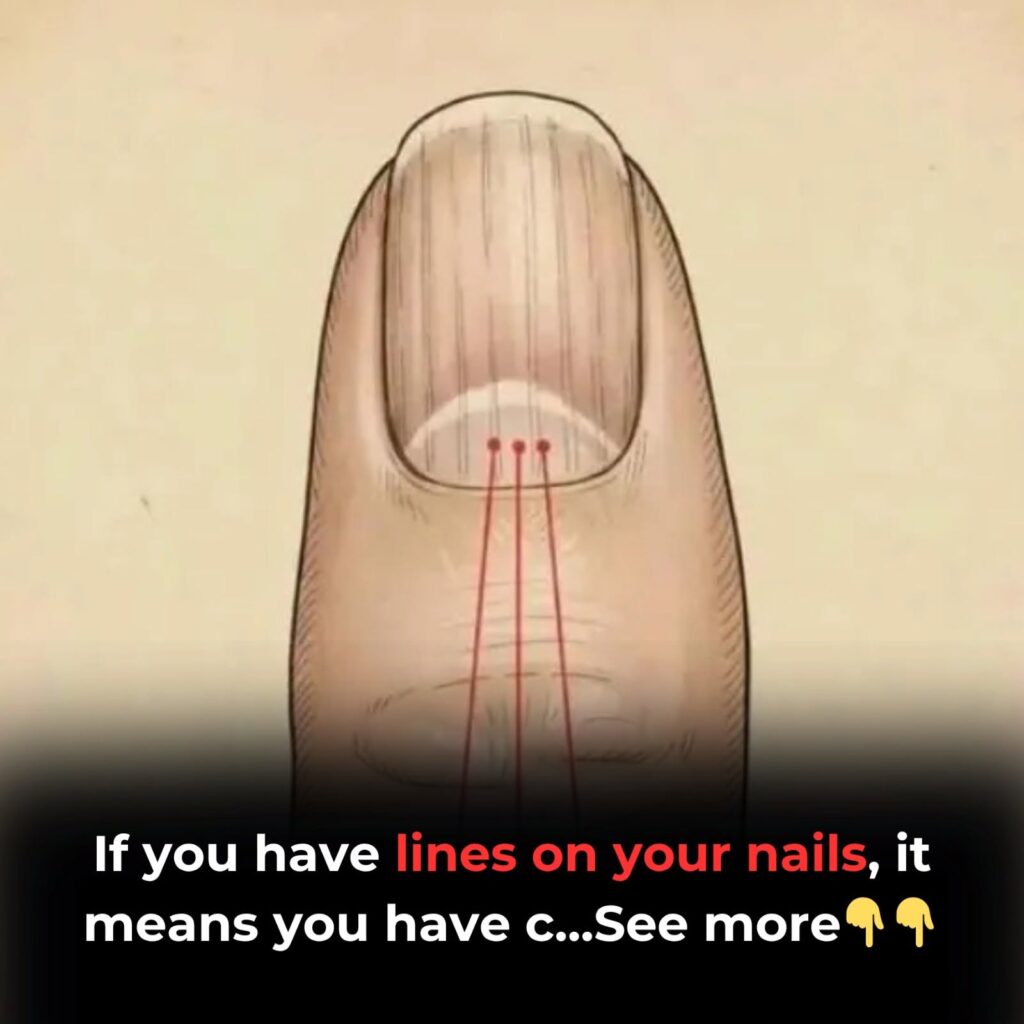
Have you ever looked down at your nails and noticed faint lines running across or along the surface?
For many people, that moment sparks immediate concern. A quick internet search often leads to alarming headlines claiming that nail ridges are signs of serious disease, vitamin deficiencies, or even cancer.
The truth is much more nuanced.
While certain nail changes can occasionally provide clues about underlying health conditions, most nail lines are completely harmless and often result from normal aging, minor trauma, or everyday wear and tear.
Your nails can offer valuable insights into your overall health, but they rarely tell the whole story on their own. Understanding the different types of nail lines can help you distinguish between normal changes and signs that may warrant medical attention.
Let’s take a closer look at what those lines on your nails might actually mean.
Why Nails Can Reflect Your Health
Nails are made primarily of keratin, the same protein found in your hair and outer layer of skin.
They grow from an area beneath the skin called the nail matrix. Because nail growth is influenced by nutrition, circulation, hormones, illness, and injury, changes in your body can sometimes show up in your nails.
However, it is important to remember that nail changes are often nonspecific. A single symptom rarely points to one specific disease.
Instead, healthcare professionals look at nail changes alongside other symptoms, medical history, and physical examination findings.
Vertical Ridges: Usually a Normal Part of Aging
The most common type of nail line is the vertical ridge.
These ridges run from the cuticle to the tip of the nail.
What Causes Vertical Ridges?
In most cases, vertical ridges develop naturally with age.
Just as skin develops wrinkles over time, nails can develop ridges as cell turnover slows and the nail plate changes.
Other potential contributors include:
- Dry skin and nails
- Frequent handwashing
- Dehydration
- Repeated minor trauma
- Exposure to cleaning chemicals
- Natural variations in nail growth
Many healthy adults have vertical ridges on several or all of their nails.
When Should You Be Concerned?
Although vertical ridges are usually harmless, consider seeing a healthcare professional if they are accompanied by:
- Significant nail splitting
- Pain
- Bleeding
- Sudden onset
- Color changes
- Distortion of the nail shape
These additional symptoms may indicate a more significant issue.
Horizontal Lines: A Possible Sign of Past Stress on the Body
Horizontal lines running from one side of the nail to the other deserve closer attention.
Beau’s Lines
One of the most common types of horizontal nail grooves is known as Beau’s lines.
These appear as noticeable indentations that run across the nail.
What Causes Beau’s Lines?
They occur when nail growth temporarily slows or stops.
Possible causes include:
- High fever
- Severe infection
- Major surgery
- Physical trauma
- Significant emotional stress
- Chemotherapy
- Severe illness
Because fingernails grow slowly, Beau’s lines often appear weeks or months after the triggering event.
In many cases, they serve as a timeline showing when the body experienced significant stress.
Do Beau’s Lines Mean Something Is Wrong Right Now?
Not necessarily.
Often, they reflect an event that happened months earlier rather than an ongoing health problem.
However, recurring Beau’s lines or grooves affecting multiple nails should be evaluated by a healthcare provider.
White Lines Across the Nails
White lines can appear in several forms.
Minor White Spots
Small white spots are often caused by minor trauma to the nail matrix.
Despite popular belief, these spots are usually not caused by calcium deficiency.
Mee’s Lines
Mee’s lines are white horizontal bands that extend across the nail.
Historically, they have been associated with:
- Heavy metal poisoning
- Kidney disease
- Certain systemic illnesses
Fortunately, these conditions are relatively uncommon.
Persistent white bands affecting multiple nails should be evaluated by a medical professional.
Dark Vertical Stripes: When Prompt Evaluation Is Important
One nail change that should never be ignored is the appearance of a new dark stripe.
What Is Melanonychia?
Melanonychia refers to a brown or black streak that runs vertically from the cuticle to the tip of the nail.
In many cases, especially among people with darker skin tones, melanonychia is completely harmless.
However, in some situations, it can signal a serious condition.
Nail Melanoma
A rare but potentially dangerous form of skin cancer called subungual melanoma can develop beneath the nail.
Warning signs include:
- A new dark stripe
- A stripe that becomes wider over time
- Irregular borders
- Multiple shades of brown or black
- Pigment spreading onto surrounding skin
- Bleeding or nail destruction
Although nail melanoma is uncommon, early diagnosis is crucial.
Any new or changing dark stripe should be evaluated promptly by a dermatologist.
Spoon Nails: More Than a Cosmetic Issue
Spoon nails, medically known as koilonychia, curve inward rather than maintaining their normal slightly curved appearance.
The center of the nail may appear sunken or scooped out.
Potential Causes
Possible causes include:
- Iron deficiency anemia
- Certain thyroid disorders
- Hemochromatosis
- Heart disease
- Nutritional deficiencies
Because spoon nails are more strongly associated with underlying medical conditions than simple ridges, they should be evaluated by a healthcare professional.
Other Nail Changes Worth Watching
Nails can reveal more than just ridges and grooves.
Yellow Nails
May be associated with:
- Fungal infections
- Smoking
- Certain lung conditions
- Lymphedema
Clubbing
Clubbing causes the fingertips to enlarge and the nails to curve downward.
It may be associated with:
- Lung disease
- Heart disease
- Digestive disorders
Pitting
Small dents in the nail surface can occur with:
- Psoriasis
- Eczema
- Alopecia areata
Nail Separation
When the nail lifts away from the nail bed, possible causes include:
- Thyroid disorders
- Trauma
- Fungal infections
- Psoriasis
How Nutrition Affects Nail Health
Healthy nails require a variety of nutrients.
Protein
Because nails are made of keratin, adequate protein intake is essential.
Iron
Low iron levels may contribute to:
- Brittle nails
- Spoon nails
- Slower nail growth
Zinc
Zinc supports normal cell growth and repair.
Biotin
Biotin deficiency is uncommon, but adequate intake supports healthy nails.
Vitamins B12 and Folate
Deficiencies can occasionally contribute to changes in nail color and texture.
Most people can obtain these nutrients through a balanced diet that includes:
- Lean proteins
- Eggs
- Fish
- Dairy products
- Whole grains
- Fruits
- Vegetables
- Nuts and seeds
How to Keep Your Nails Healthy
Simple habits can go a long way toward maintaining strong nails.
Moisturize Regularly
Apply hand cream or cuticle oil daily.
Wear Protective Gloves
Use gloves when:
- Washing dishes
- Gardening
- Cleaning with chemicals
Avoid Excessive Trauma
Limit:
- Nail biting
- Picking at cuticles
- Aggressive manicures
Stay Hydrated
Hydration supports nail flexibility and strength.
Maintain Good Nutrition
Focus on a balanced diet rather than supplements unless recommended by your healthcare provider.
When to See a Doctor
Most nail ridges are harmless.
However, you should seek medical evaluation if you notice:
- New dark streaks
- Rapid nail changes
- Pain or swelling
- Bleeding around the nail
- Nail separation
- Significant discoloration
- Changes affecting multiple nails
- Symptoms that persist or worsen
A dermatologist can often determine whether a nail change is benign or requires further investigation.
Frequently Asked Questions
Are vertical ridges normal?
Yes. Vertical ridges are extremely common and usually develop as a normal part of aging.
Do nail ridges mean vitamin deficiency?
Not usually. While nutritional deficiencies can affect nails, most ridges are caused by aging, dryness, or minor trauma.
Can stress cause nail lines?
Yes. Significant physical or emotional stress may contribute to Beau’s lines, which are horizontal grooves across the nail.
Are dark nail streaks dangerous?
Most are harmless, but new or changing dark streaks should be evaluated by a dermatologist to rule out melanoma.
Can nail changes predict disease?
Sometimes. Certain nail changes can provide clues about underlying health issues, but they are rarely diagnostic on their own.
The Bottom Line
Lines on your nails do not automatically mean something is wrong.
Vertical ridges are usually a harmless sign of aging. Horizontal grooves may reflect a past illness or period of stress. Dark streaks, significant discoloration, pain, or sudden changes deserve medical attention.
Your nails can serve as small windows into your overall health, but they should be viewed as one piece of a much larger picture. Paying attention to persistent or unusual changes—and seeking professional advice when necessary—can help ensure that any underlying issues are identified early.
In most cases, though, those ridges you see are simply a normal part of life and nothing to fear.