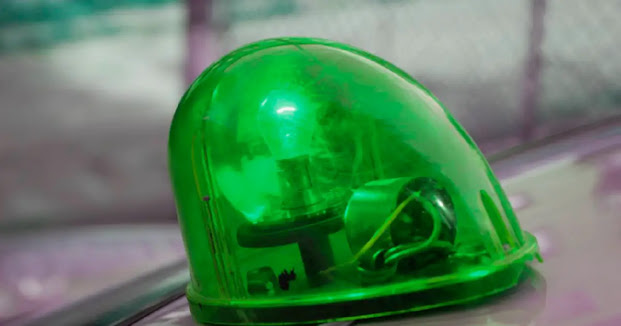
Have you ever noticed a vehicle driving by with a flashing green light and wondered what it means?
Unlike the familiar red and blue lights used by police, firefighters, and ambulances, green lights can be confusing because their meaning varies depending on where you live. Some people assume they’re decorative, while others believe they signal an emergency vehicle.
The truth is that green lights often serve an important purpose within emergency response and medical transportation systems. Understanding what they represent can help drivers respond appropriately and stay safe on the road.
Why Do Some Vehicles Use Green Lights?
Green lights are commonly used to identify vehicles connected to emergency services, medical transport organizations, or volunteer responders.
In many regions, these lights help distinguish certain vehicles from the traditional emergency services that use red, blue, or white lights.
While a flashing green light does not always grant the same legal privileges as a police car or ambulance, it often indicates that the driver is performing an important public service.
Common Uses for Green Lights
Volunteer Emergency Responders
In many states and provinces, volunteer firefighters and emergency medical personnel are permitted to place green lights on their personal vehicles when responding to a call.
These individuals often leave their homes or workplaces and head directly to a fire station or emergency scene when assistance is needed.
The green light alerts other drivers that the vehicle may be responding to an urgent situation.
Medical Transportation Services
Some medical transport organizations use green lights to identify vehicles carrying patients to critical appointments or treatments.
These services may transport:
- Dialysis patients
- Elderly individuals
- Patients attending cancer treatments
- Individuals requiring specialized medical care
- Non-emergency hospital transfers
Although these transports are not always life-threatening emergencies, timely arrival can be extremely important for patient health.
Emergency Support Vehicles
Certain jurisdictions authorize green lights for support units that assist emergency services during incidents, disasters, or community emergencies.
These vehicles may transport equipment, personnel, or supplies needed to support first responders.
Why the Rules Differ by Location
One reason green lights create confusion is that there is no universal standard governing their use.
Unlike red lights for fire apparatus or blue lights for law enforcement in many areas, green lights are regulated at the state, provincial, or local level.
Examples of Different Meanings
United States
Many states permit volunteer firefighters or volunteer EMS personnel to use green lights on personal vehicles while responding to emergencies.
Canada
Some provinces use green lights for volunteer responders, while others may authorize them for different public safety purposes.
Other Jurisdictions
In certain areas, green lights may identify security personnel, emergency support services, or medical transportation vehicles.
In some places, private citizens are not permitted to display green lights at all.
Because regulations vary so widely, it’s always wise to consult local traffic laws if you’re unsure.
What Should Drivers Do When They See a Green Light?
If you notice a vehicle displaying a green light, the safest approach is to remain alert and drive cautiously.
Stay Aware
The vehicle may be responding to an emergency call or transporting someone who requires timely medical care.
Follow Local Laws
Some jurisdictions require drivers to yield to vehicles displaying authorized green lights, while others do not.
Understanding your area’s regulations can help you respond appropriately.
Give Extra Space
Avoid tailgating or attempting to follow closely behind vehicles displaying emergency-related lighting.
These vehicles may need to change direction quickly or stop unexpectedly.
Stay Calm
Green lights do not necessarily mean the vehicle has the same legal status as a police cruiser or ambulance using sirens. However, exercising patience and courtesy helps everyone stay safer.
The Importance of Volunteer Responders
Many communities depend heavily on volunteers.
Volunteer firefighters, emergency medical technicians, rescue personnel, and support staff often serve rural and suburban areas where full-time emergency coverage may be limited.
When a volunteer responder activates a green light while heading toward an emergency, every minute can matter.
These individuals frequently leave family dinners, celebrations, work shifts, and personal commitments to help neighbors in need.
Their service often goes unnoticed, but communities rely on them every day.
Common Myths About Green Lights
Myth #1: Green Lights Mean a Vehicle Has Full Emergency Authority
Not necessarily.
The privileges granted to vehicles displaying green lights vary widely by jurisdiction.
Myth #2: Anyone Can Install a Green Light
In many places, unauthorized use of emergency-style lighting is illegal and may result in fines or penalties.
Myth #3: Green Lights Always Mean Medical Transport
While medical transport is one common use, green lights may also identify volunteer firefighters, EMS personnel, or other authorized responders.
A Colorful World of Vehicle Lighting
Emergency and service vehicles often use different colors to communicate specific roles.
Depending on local regulations, you may encounter:
- Red: Fire and emergency vehicles
- Blue: Law enforcement
- Amber: Construction, towing, or caution vehicles
- Green: Volunteer responders or medical transport
- Purple: Funeral procession vehicles in some jurisdictions
- White: Auxiliary or support lighting
Each color helps communicate information quickly to other drivers.
Final Thoughts
Green lights on vehicles may not be as widely recognized as red or blue lights, but they often represent an important connection to emergency services, volunteer response teams, or medical transportation programs.
Because regulations vary from one location to another, the exact meaning depends on local laws and policies. However, whenever you see a vehicle displaying a green light, it’s wise to stay alert, drive responsibly, and exercise courtesy.
You never know when that vehicle may be carrying someone who needs urgent medical care or transporting a volunteer responder on their way to help save a life.
The next time you spot a green light on the road, you’ll know it’s more than just a flashing color—it’s often a symbol of service, dedication, and community support.
More Home Remedies
- California Mom Issues Urgent Fireworks Warning After Teen Suffers Devastating Hand Injuries
- This Is the Silent Disease That Can Strike Without Warning
- The Midnight Ache: Understanding Nighttime Leg Cramps and How to Find Relief
- My 8-Year-Old Has Been Experiencing This for Two Months—Understanding Hives in Children