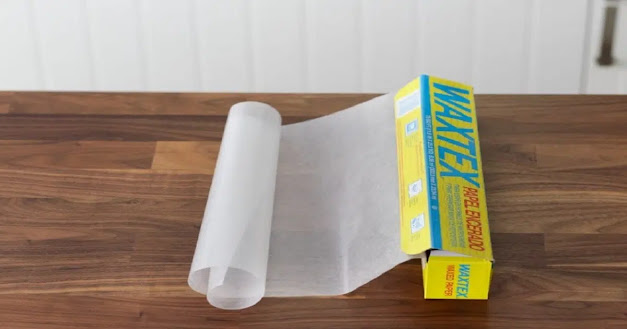
If someone told you to clean your house with wax paper, your first reaction would probably be confusion. Most people associate wax paper with wrapping sandwiches, lining counters during baking, or separating cookies in storage containers. However, many longtime homekeepers swear by it as a simple trick for reducing dust and greasy buildup around the house.
Surprisingly, there is some logic behind the idea. Wax paper does not magically remove dust from the air, but it can help protect surfaces from collecting stubborn grime, especially in kitchens where grease mixes with dust and creates that sticky film nobody wants to scrub.
One homeowner became frustrated after repeatedly cleaning the tops of kitchen cabinets only to find them coated again weeks later. A relative suggested laying sheets of wax paper across the cabinet tops. Months later, instead of scrubbing hardened grease, all that was needed was removing the dusty paper and replacing it with fresh sheets. The cabinet surface underneath stayed remarkably clean with almost no effort.
What Is the Wax Paper Hack?
The idea is simple and low effort.
You Cover Hard-to-Reach Surfaces
People place wax paper on:
- Cabinet tops
- Refrigerator tops
- Pantry shelves
- Drawer bottoms
- Open shelving
The wax-coated surface catches:
- Dust
- Grease particles
- Cooking residue
instead of letting buildup stick directly to the surface underneath.
Later, You Replace the Paper
Instead of scrubbing greasy dust:
- Remove the old wax paper
- Throw it away
- Lay down a clean sheet
That becomes much easier than deep-cleaning sticky surfaces repeatedly.
Why Wax Paper Helps with Kitchen Dust
Kitchen dust behaves differently than ordinary dust.
Grease Makes Dust Sticky
Cooking oils float through the air during:
- Frying
- Sautéing
- Roasting
Those oils settle onto surfaces and trap dust particles, creating stubborn grime.
Wax Paper Creates a Protective Barrier
The wax coating helps:
- Prevent grease from bonding directly to surfaces
- Catch airborne residue
- Make cleanup easier later
Best Places to Use Wax Paper
Some areas benefit more than others.
Top of Kitchen Cabinets
This is one of the most popular uses because cabinet tops:
- Collect heavy grease
- Are hard to clean
- Often get ignored for months
Lay sheets flat and trim them neatly.
Above the Refrigerator
Refrigerator tops attract:
- Dust
- Oil particles
- Pet hair
Wax paper can make maintenance much faster.
Can Wax Paper Remove Existing Dust?
Not exactly.
It Prevents Future Buildup Better Than Cleaning Old Dirt
Wax paper works more like:
- A protective liner
than - A cleaning cloth
You still need to clean dirty surfaces first before placing the paper down.
It Makes Future Cleaning Easier
That is the real advantage.
Instead of scrubbing:
- Sticky grease
- Hardened dust
- Thick residue
you simply replace the liner.
How to Use Wax Paper Properly
A little preparation helps.
Clean the Surface First
Before applying:
- Remove existing grease
- Wipe away dust
- Dry the area completely
Wax paper works best on clean surfaces.
Cut the Paper to Fit
Measure carefully so the paper:
- Lies flat
- Looks neat
- Stays in place
Some people lightly tape corners if needed.
How Often Should You Replace It?
Replacement depends on the location.
Kitchen Areas Need More Frequent Changes
Near cooking spaces:
- Replace every 2–3 months
- Sooner if visibly greasy
Low-Dust Areas Last Longer
Pantries or shelves away from cooking may stay fine:
- For several months
Where Wax Paper Should NOT Be Used
The hack has limitations.
Avoid High Heat Areas
Wax paper is not heat resistant.
Do not place it:
- Inside ovens
- Near burners
- Directly against stovetops
Heat can:
- Melt wax
- Create smoke
- Damage surfaces
Avoid Wet Areas
Wax paper is moisture-resistant but not waterproof long term.
Do not use it:
- Under leaking sinks
- In constantly damp areas
Wax Paper vs Parchment Paper
People often confuse the two.
Wax Paper Has a Wax Coating
Wax paper:
- Repels moisture
- Feels slightly tacky
- Works well for dust barriers
Parchment Paper Handles Heat Better
Parchment paper is:
- Oven-safe
- Silicone-coated
- Less sticky for dust collection
For this hack, wax paper usually works better.
Other Surprising Household Uses for Wax Paper
Many people keep wax paper around for more than baking.
Protecting Shelves and Drawers
Wax paper can line:
- Junk drawers
- Pantry shelves
- Craft storage
Reducing Fingerprints on Stainless Steel
Some people lightly buff stainless steel with wax paper to:
- Reduce smudges
- Add temporary shine
Common Myths About the Wax Paper Trick
The internet often exaggerates cleaning hacks.
Myth: Wax Paper Eliminates Dust Completely
False.
Dust still exists in the air and eventually settles everywhere.
Myth: You Never Need to Clean Again
False.
Wax paper reduces buildup but does not replace regular cleaning entirely.
Easy Ways to Reduce Household Dust Overall
The wax paper trick works best alongside good cleaning habits.
Change Air Filters Regularly
Dirty HVAC filters allow more dust circulation.
Vacuum Frequently
Vacuuming:
- Carpets
- Rugs
- Upholstery
helps reduce airborne particles.
Use Microfiber Cloths
Microfiber traps dust better than dry paper towels.
Is Wax Paper Safe Around Food Areas?
Generally yes, with common sense.
It Is Designed for Kitchen Use
Wax paper is commonly used around:
- Food prep
- Baking
- Storage
Avoid Direct Contact with Hot Surfaces
Heat remains the main concern.
Frequently Asked Questions
Does wax paper really help with dust?
Yes, mostly by preventing buildup on protected surfaces.
Can wax paper be reused?
Sometimes, if only lightly dusty and not greasy.
Is wax paper safe on wood cabinets?
Usually yes, especially on sealed surfaces.
Does wax paper remove grease?
No, but it catches grease before it sticks permanently.
How often should I replace wax paper liners?
Usually every 2–4 months depending on grease and dust levels.
Conclusion
The wax paper dusting hack sounds strange at first, but many people continue using it because it genuinely makes certain cleaning jobs easier. While it does not magically eliminate dust from your home, it creates a simple protective barrier that helps prevent greasy buildup on difficult-to-clean surfaces like cabinet tops and refrigerator shelves.
Sometimes the best household tricks are not flashy or complicated. They simply reduce future work. In busy kitchens where grease and dust constantly combine into sticky messes, laying down a sheet of wax paper can save surprising amounts of scrubbing later on.
Small practical habits often make the biggest difference in keeping a home feeling manageable, comfortable, and a little less exhausting to maintain.