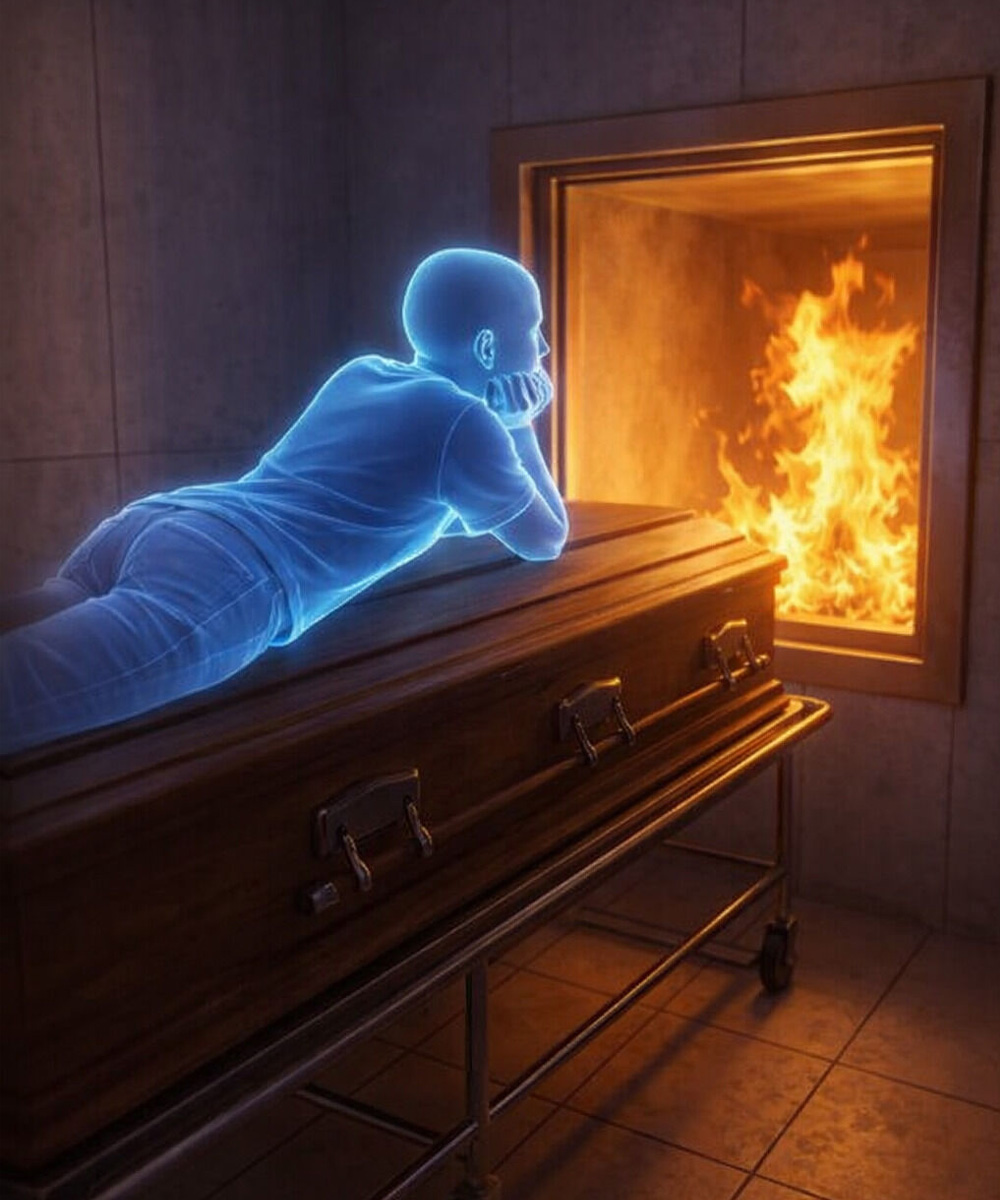
For many believers, the question of burial versus cremation is more than just a practical decision—it carries deep spiritual meaning. It touches on faith, tradition, respect for the human body, and beliefs about life after death. Some people have heard that cremation is a sin according to the Bible, while others believe Scripture leaves the choice open. Because of these differing views, it’s important to carefully examine what the Bible actually says—and just as importantly, what it does not say.
At first glance, the Bible does not provide a direct command forbidding cremation. Nowhere in Scripture is there a clear statement declaring that cremation is sinful. However, the topic is still widely discussed among Christians because of the strong emphasis the Bible places on burial, the symbolism of the body, and the hope of resurrection. These elements have shaped traditions and beliefs for centuries.
To better understand this issue, we need to look at biblical practices, theological interpretations, and the broader context of faith.
The Biblical Pattern of Burial
One of the strongest arguments for burial comes from the consistent pattern seen throughout the Bible. In both the Old and New Testaments, burial was the primary way people honored the dead. This was not simply a cultural habit—it carried meaning and significance.
For example, Abraham purchased a burial site for his wife Sarah, showing intentional care and respect. This act was not rushed or casual; it reflected honor, dignity, and permanence. Similarly, Joseph expressed a desire for his bones to be carried out of Egypt and buried in his homeland, which demonstrated a connection to identity and promise.
Perhaps the most significant example is the burial of Jesus Christ. After His crucifixion, His body was placed in a tomb. For many Christians, this moment carries profound importance, not only because of who Jesus is, but because of what His burial represents. It connects directly to the belief in resurrection—rising again after death.
Because of these repeated examples, many believers see burial as the biblical model. It represents rest, respect, and continuity with tradition.
The Symbolism of the Body in Scripture
Another reason some Christians hesitate about cremation is tied to how the Bible describes the human body. Scripture often presents the body as more than just a physical shell. It is described as a temple, something created with purpose and dignity.
This perspective leads some to believe that the body should be treated with special care even after death. Burial, in this sense, becomes a symbolic act. It mirrors planting a seed in the ground—a concept that appears in biblical teachings about resurrection. The idea is that just as a seed is buried and later grows into new life, the body is laid to rest in anticipation of renewal.
Because of this symbolism, burial can feel more aligned with the imagery found in Scripture. For those who hold this view, cremation may seem to disrupt that symbolic process, even if it is not explicitly forbidden.
Instances of Burning in the Bible
Some people point to passages in the Bible that mention burning bodies as evidence against cremation. However, these situations require careful interpretation.
In certain cases, burning is associated with judgment or punishment rather than a respectful method of handling the dead. For example, there are instances where bodies were burned as a response to severe wrongdoing. Because of this association, some believers view cremation negatively.
However, it is important to note that these examples are not instructions for standard funeral practices. They describe specific circumstances rather than general guidance. Additionally, there are rare cases where burning occurred out of necessity, such as during times of war or disease, where traditional burial was not possible.
This shows that while burning appears in Scripture, it does not automatically mean cremation is condemned in all contexts.
The Hope of Resurrection
One of the central beliefs in Christianity is the resurrection of the body. This belief raises an important question: does cremation affect resurrection?
Some people worry that cremation could interfere with the body’s ability to be restored. However, many theologians argue that this concern is not supported by biblical teaching. The belief in resurrection is based on the power of God, not on the physical condition of the body.
Throughout history, people have died in many different ways—through natural decay, accidents, or circumstances where the body was not preserved. If resurrection depended on the physical state of remains, it would raise difficult questions about these situations.
Instead, most modern Christian perspectives emphasize that God’s ability to restore life is not limited. Whether a body returns to dust naturally or through cremation, the core belief in resurrection remains unchanged.
Tradition and Cultural Influence
It’s also important to recognize the role of tradition in shaping views on cremation. For many centuries, burial was the dominant practice in Christian communities. This tradition became deeply rooted in religious and cultural identity.
In some cases, cremation was historically associated with other belief systems or practices that differed from Christian teachings. Because of this, early Christians often avoided it, not necessarily because it was forbidden, but because of what it symbolized at the time.
Today, cultural perspectives have shifted. Cremation has become more common for practical reasons, including cost, space, and personal preference. As a result, many churches have revisited the topic and acknowledged that Scripture does not explicitly forbid it.
Still, tradition continues to influence how individuals and families make decisions.
Respect, Intent, and Personal Conviction
When discussing burial versus cremation, intent plays a significant role. The Bible places strong emphasis on the heart and the motivation behind actions.
If a decision is made with respect, dignity, and faith, many believe that the method itself becomes less important. What matters more is how the person’s life is honored and remembered.
For some, burial feels like the most meaningful choice because it aligns with tradition and symbolism. For others, cremation may be chosen for practical or personal reasons without any negative spiritual intent.
Because Scripture does not give a direct command, many Christians view this as an area of personal conviction. It becomes a decision guided by faith, understanding, and individual beliefs.
Modern Christian Perspectives
Today, Christian views on cremation vary widely. Some denominations continue to strongly prefer burial, emphasizing its biblical pattern and symbolism. Others accept cremation as a valid option, focusing on the absence of a clear biblical prohibition.
Many leaders encourage believers to approach the topic thoughtfully rather than fearfully. Instead of asking whether cremation is a sin, the conversation often shifts to how to honor life, express faith, and respect the body.
This balanced perspective allows individuals to make informed decisions without unnecessary guilt or confusion.
Finding Peace in the Decision
Deciding between burial and cremation can feel overwhelming, especially when it involves deeply held beliefs. However, understanding the biblical context can bring clarity.
The Bible consistently shows respect for the body and highlights the importance of honoring the dead. It presents burial as the most common practice, but it does not explicitly forbid cremation.
Because of this, many believers find peace in focusing on the bigger picture—their faith, their values, and the way they choose to honor life and legacy.
Conclusion
The question, “Is cremation a sin?” does not have a simple yes or no answer based on Scripture alone. The Bible does not directly condemn cremation, but it does present a strong tradition of burial and meaningful symbolism connected to it.
For many Christians, burial remains the preferred choice because of its biblical examples and spiritual imagery. For others, cremation is an acceptable option, especially when chosen with respect and thoughtful intention.
Ultimately, this decision rests on personal conviction, guided by faith and understanding. Rather than approaching the topic with fear, it can be seen as an opportunity to reflect on what truly matters—honoring life, expressing belief, and finding peace in the choices we make.
More Home Remedies
- Wrinkled Fingers After Water Exposure: What Your Skin May Be Telling You
- Skin Rash With Breathing Trouble? It Could Be a Life-Threatening Allergic Reaction
- I Thought It Was a Piece of Trash on the Bathroom Floor—Until It Moved
- If You Are Getting White Pimples on Your Lips or Intimate Area, Here’s What They Could Mean