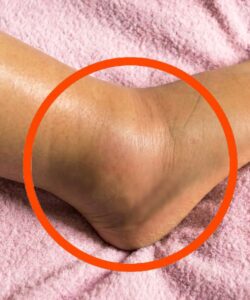
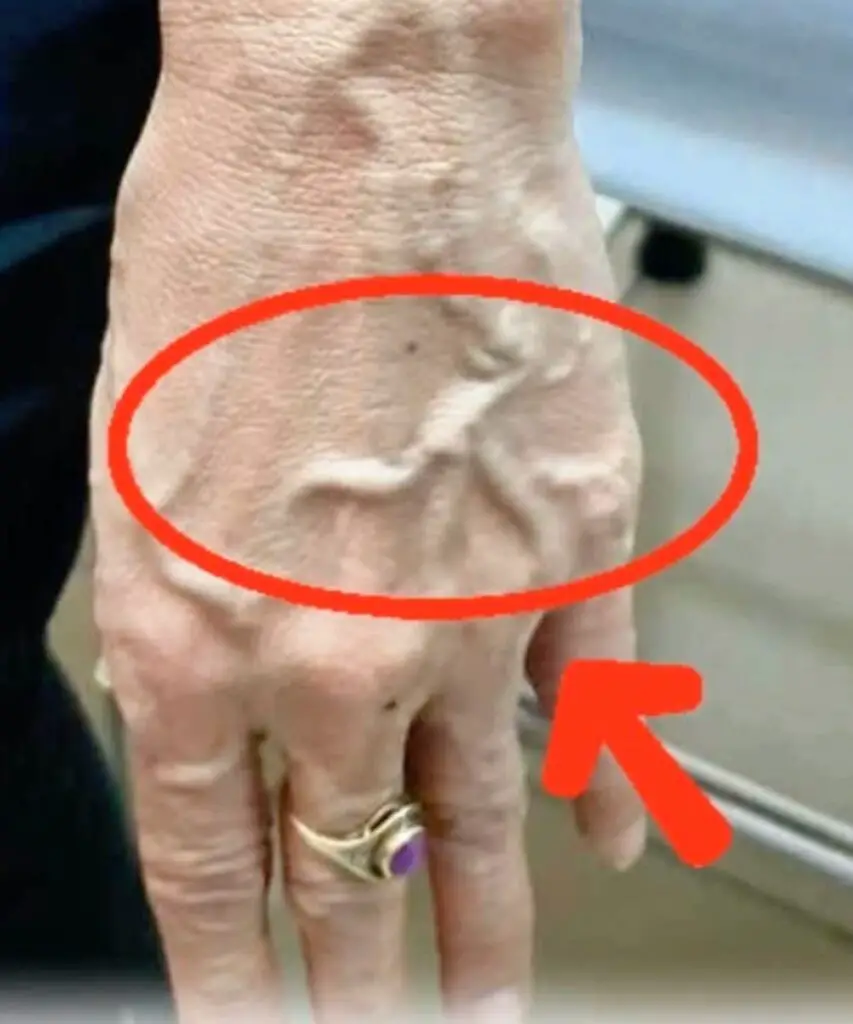
If you’ve ever looked at your hands or legs and noticed prominent veins, you might wonder what they mean. This guide on Visible Veins: Do They Mean Poor Circulation? will help you understand what’s normal and when to pay closer attention. In most cases, visible veins are completely harmless and simply part of your natural anatomy.
I remember noticing the veins on my hands becoming more visible after I started exercising regularly. At first, it made me uneasy, and I questioned whether something was wrong. However, after learning more about how the body works, I realized it was actually a sign of increased blood flow and healthy circulation. That small concern turned into a deeper appreciation for how the body adapts and responds to lifestyle changes.
Understanding Visible Veins
What Makes Veins Visible?
Veins become visible when they sit close to the surface of the skin. Unlike arteries, which carry oxygen-rich blood deep within the body, veins return blood back to the heart and often run closer to the skin’s surface.
Because of this, factors like skin thickness, lighting, and even hydration can affect how visible they appear. In many cases, seeing your veins simply means your body is functioning as it should.
Why It’s Usually Normal
For most people, visible veins are not a sign of poor circulation. In fact, they often indicate that blood is flowing efficiently through your body. Athletes and physically active individuals frequently have more prominent veins due to increased blood flow and reduced body fat.
Therefore, unless there are additional symptoms, visible veins alone are rarely a cause for concern.
Common Reasons for Visible Veins
Natural Body Factors
Several natural factors can make veins stand out more. For example, people with thinner skin or lower body fat tend to have more noticeable veins. As you age, your skin loses elasticity, which can also make veins appear more prominent.
Additionally, genetics play a role. If your family members have visible veins, you’re more likely to notice the same pattern.
Lifestyle and Environment
Your daily habits can also influence vein visibility. Exercise increases blood flow, causing veins to expand temporarily. Similarly, warm temperatures cause veins to dilate, making them easier to see.
Even dehydration can affect how veins appear. When your body lacks fluids, blood volume changes, which may make veins more noticeable.
When Visible Veins Might Signal a Problem
Warning Signs to Watch For
Although visible veins are usually harmless, certain changes may indicate a medical issue. Bulging or twisted veins could suggest varicose veins. These may come with discomfort, heaviness, or swelling.
Sudden swelling, redness, or pain in one area could signal a more serious condition. In such cases, seeking medical attention promptly is important.
Understanding Circulation Problems
True circulation issues often involve symptoms beyond appearance. For example, cold hands or feet, numbness, or slow healing wounds may indicate poor blood flow.
Because of this, it’s essential to consider how your body feels rather than focusing only on how it looks.
Keeping Your Circulation Healthy
Simple Daily Habits
Maintaining good circulation doesn’t have to be complicated. Staying active is one of the best ways to keep blood flowing properly. Regular movement, even light walking, can make a noticeable difference.
Hydration also plays a key role. Drinking enough water helps maintain blood volume and supports overall circulation. Additionally, a balanced diet contributes to vascular health.
Long-Term Wellness Tips
Over time, small habits can have a big impact. Avoid sitting or standing in one position for too long. Stretching and changing positions regularly helps prevent blood from pooling.
If you notice changes in your veins along with discomfort or swelling, it’s always wise to consult a healthcare professional for guidance.
Frequently Asked Questions
Are visible veins a sign of good health?
Often yes, especially in active individuals with no other symptoms.
Can dehydration make veins more visible?
Yes, changes in hydration can affect how veins appear.
Do visible veins mean aging?
They can become more noticeable with age due to thinner skin.
Should I worry about hand veins?
Usually not, unless they are painful or suddenly change.
When should I see a doctor?
If veins are painful, swollen, or associated with other symptoms.
Conclusion
Understanding Visible Veins: Do They Mean Poor Circulation? can help you feel more confident about what you’re seeing. In most cases, visible veins are a normal and harmless part of your body.
By focusing on how your body feels and maintaining healthy habits, you can support your circulation and overall well-being. When in doubt, paying attention to changes and seeking advice ensures you stay on the right track.