4 Effective Ways to Unclog a Drain Without Harsh Chemicals can save you from reaching for strong drain cleaners every time a sink starts draining slowly. Hair, soap residue, grease, food particles, and ordinary buildup can all restrict water flow. Fortunately, many minor clogs respond well to simple mechanical methods and common household supplies.
The safest approach starts with the least aggressive method. First, remove visible debris. Then use a plunger, drain snake, or hot water when appropriate. These methods physically loosen or move the clog instead of relying on highly corrosive chemicals.
Natural methods also have limits. A completely blocked drain, repeated backups, sewage odors, or water rising in multiple fixtures can point to a deeper plumbing problem. Therefore, knowing when to stop and call a plumber matters just as much as knowing what to try yourself.
I learned this after a bathroom sink started draining more slowly every day. At first, I assumed I needed a powerful cleaner. Instead, I removed the stopper and discovered a thick ring of hair and soap residue directly underneath it. A small plastic drain tool pulled out the rest in minutes. Afterward, hot water restored the normal flow. Since then, I always start with the simplest explanation before pouring anything down a drain. That habit saves money, prevents unnecessary chemical exposure, and often fixes the problem faster. More importantly, it reminds me that many household clogs are mechanical problems that respond best to mechanical solutions.
Why Natural Drain Cleaning Methods Often Work
A drain does not usually clog all at once. Instead, material builds gradually until water can no longer pass through the pipe efficiently.
Understanding what causes that buildup makes 4 Effective Ways to Unclog a Drain Without Harsh Chemicals much easier to use successfully.
Know What Is Probably Blocking the Drain
Bathroom sinks and showers commonly collect hair, soap residue, skin oils, and grooming products. Consequently, these clogs often form close to the drain opening or around the stopper.
Kitchen sinks create a different problem. Grease, oils, food particles, coffee grounds, and starches can cling to the interior of pipes. Over time, that material can narrow the passage.
Therefore, the best unclogging method depends partly on the type of drain.
A drain snake works especially well for hair because it can grab and pull the material out.
Meanwhile, hot water and a little dish soap can sometimes help loosen fresh greasy buildup in kitchen drains.
A plunger works through pressure. When you create a seal and move the plunger up and down, changing pressure can loosen a soft obstruction.
Before doing anything else, remove standing water when practical. Then look directly into the drain.
Sometimes the obstruction sits so close to the opening that you can remove it with gloves or a plastic drain-cleaning strip.
This quick inspection prevents unnecessary work.
Most importantly, never combine household methods with commercial drain chemicals that may already be inside the pipe. Mixing products can create dangerous heat, fumes, or splashing.
If you previously used a strong chemical cleaner and the drain remains blocked, stop and follow the product’s safety directions before trying anything else.
Why Harsh Chemicals Are Not Always the Best First Step
Strong drain cleaners can dissolve certain organic materials, but they also introduce additional risks.
Many products contain highly alkaline or acidic ingredients. Consequently, they can burn skin and eyes and may cause serious injury if they splash.
Fumes can also irritate the respiratory system, particularly in poorly ventilated spaces.
In addition, harsh cleaners do not solve every type of clog. A solid object, compacted hair plug, damaged pipe, or tree-root problem will not necessarily disappear because someone pours chemical cleaner into the drain.
Mechanical removal often gives you more control.
For example, pulling a hair clog out of the pipe physically removes the obstruction. Likewise, a plunger can shift a localized blockage without adding reactive chemicals.
That does not mean every commercial drain product automatically destroys plumbing. Pipe materials, product composition, frequency of use, and the type of blockage all matter.
However, beginning with gentler techniques usually makes sense for routine household clogs.
4 Effective Ways to Unclog a Drain Without Harsh Chemicals focuses on methods that reduce unnecessary chemical exposure while still addressing the physical cause of many common blockages.
Method 1 and Method 2: Remove the Clog Mechanically
Mechanical methods often work faster than mixtures poured down the drain because they attack the obstruction directly.
They also give you immediate feedback. If you pull out a wad of hair, you know you found at least part of the problem.
Method 1: Use a Plunger Correctly
A small sink plunger can clear many simple clogs.
For sinks, use a cup-style plunger rather than a toilet flange plunger.
First, remove enough standing water so the sink is not overflowing. However, leave enough water to cover the rubber edge of the plunger.
If the sink has an overflow opening, block it temporarily with a damp cloth. This helps direct more pressure through the drain.
Then place the plunger directly over the opening.
Press down gently to create a seal.
Next, pump the plunger up and down firmly 10 to 20 times without breaking the seal.
Pull the plunger away and watch the water.
If the water suddenly drains, run additional water for a short period to help flush loose debris farther through the pipe.
You may need to repeat the process two or three times.
However, stop if the sink begins backing up into another fixture or if you hear unusual drainage noises throughout the home.
A plunger works best on localized soft blockages.
It may not work on a dense hair clog wrapped around a stopper or on a blockage positioned much farther down the drain line.
That is where the next method becomes useful.
Method 2: Pull Out Hair With a Drain Snake
Hair causes some of the most frustrating bathroom clogs because strands combine with soap residue and form a tangled mass.
Fortunately, these clogs often sit within easy reach.
Remove the drain stopper if possible.
Many bathroom sink stoppers lift out or detach from a pivot mechanism underneath the sink. Shower covers may require removal with a screwdriver.
Then insert a small plastic drain-cleaning tool or hand-operated snake.
Push it gently into the drain until you feel resistance.
Twist the tool slowly so hair catches on the barbs or coil.
Then pull it back out.
The result may not look pleasant, but removing the clog physically works extremely well.
Repeat the process until the tool comes back mostly clean.
Afterward, run warm water to test drainage.
Avoid forcing a snake if it becomes stuck or if you encounter strong resistance. Forceful movement can damage certain fittings or push an obstruction deeper.
Also, keep disposable gloves nearby and place removed material directly into the trash rather than rinsing it back down the drain.
Among 4 Effective Ways to Unclog a Drain Without Harsh Chemicals, this method often produces the fastest results for bathroom drains.
Method 3 and Method 4: Use Water and Simple Kitchen Supplies
Not every clog requires a tool.
Fresh grease films, soap residue, and light buildup sometimes respond to water and ordinary dishwashing liquid.
However, choose your water temperature carefully because plumbing materials vary.
Method 3: Hot Water and Dish Soap for Greasy Kitchen Drains
Kitchen clogs often contain fats and oils.
When grease cools, it can cling to pipe walls and trap food particles. Therefore, warming that material may help loosen a minor restriction.
Start by removing as much standing water as possible.
Then add a small squeeze of grease-cutting dish soap directly into the drain.
Let it sit for several minutes.
Next, pour hot water down the drain gradually.
For metal plumbing, very hot water may be appropriate. However, if you have PVC or are unsure about your pipe material, avoid repeatedly pouring large quantities of boiling water directly into the plumbing. Very high temperatures can stress some plastic components.
Hot tap water provides a gentler option.
Pour slowly rather than dumping everything at once.
Then wait several minutes and test the flow.
You can repeat this process once or twice for light greasy buildup.
However, do not use this method as an excuse to keep pouring cooking grease down the drain.
Instead, wipe greasy pans with a paper towel before washing and dispose of cooled grease in an appropriate container.
Prevention works better than repeatedly trying to dissolve buildup later.
Method 4: Try Baking Soda as a Mild Cleaning Aid
Baking soda can help loosen light residue and reduce odors, although it should not be treated as a guaranteed clog remover.
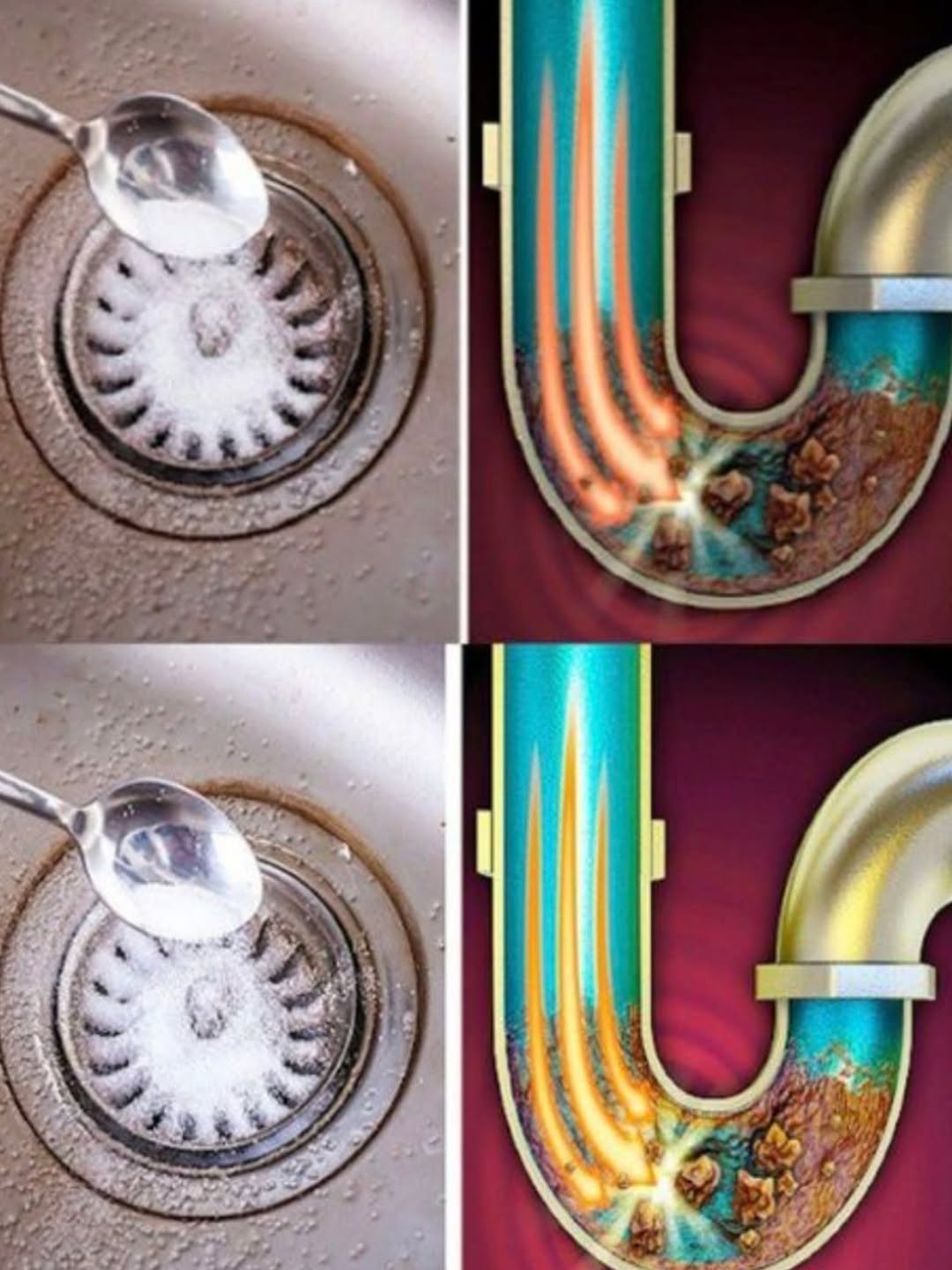
Pour approximately 1/2 cup baking soda into a slow drain after removing standing water.
Allow it to sit for 15 to 30 minutes.
Then flush with warm water.
For light soap residue, this simple approach may improve drainage.
Many household guides recommend combining baking soda with vinegar because the mixture foams dramatically.
However, the bubbling looks more powerful than it actually is.
Baking soda and vinegar react with each other and largely neutralize one another. The fizz can help disturb loose material near the surface, but it does not reliably dissolve a serious clog.
Therefore, 4 Effective Ways to Unclog a Drain Without Harsh Chemicals does not depend on that reaction as the primary solution.
If you still choose to use the combination for light surface residue, never seal the mixture in a closed container or pipe section because gas needs room to escape.
More importantly, never add vinegar, baking soda, or any homemade mixture to a drain that already contains commercial cleaner.
Unknown chemical combinations can create hazardous reactions.
When a clog remains after mechanical cleaning and a simple water flush, the problem may require a proper drain auger or professional assessment rather than a stronger kitchen experiment.
How to Prevent the Next Clog
Clearing the blockage solves today’s problem. However, prevention makes 4 Effective Ways to Unclog a Drain Without Harsh Chemicals much more useful over time.
Small habits can dramatically reduce how quickly material accumulates.
Keep Hair, Grease, and Food Out of Pipes
Install an inexpensive hair catcher in showers and bathroom sinks.
Then empty it regularly.
This single habit prevents a large percentage of common bathroom clogs because it stops hair before it enters the pipe.
In the kitchen, scrape plates into the trash before rinsing them.
Avoid putting cooking grease, bacon fat, butter, or oil directly down the sink.
Even if hot grease flows easily at first, it can cool farther down the pipe and begin coating the interior.
Likewise, avoid sending large amounts of coffee grounds, flour, rice, pasta, or fibrous vegetable scraps down a drain.
These materials can combine with grease and form dense deposits.
If you use a garbage disposal, feed food gradually and follow the manufacturer’s directions.
Run sufficient cold water during operation and for a short time afterward so particles move through the system.
Bathroom sinks benefit from regular stopper cleaning.
Hair often wraps around the mechanism where you cannot see it from above. Therefore, removing and cleaning the stopper periodically can prevent slow drainage before it becomes a full blockage.
A few minutes of prevention every month can save much more time later.
Know When the Problem Needs a Plumber
Some clogs do not belong in a DIY project.
Call a professional if multiple drains back up at the same time.
That pattern may indicate a main drain or sewer-line problem rather than a localized sink clog.
Likewise, seek help if wastewater appears in a shower or tub when you flush the toilet.
Persistent sewage odors, repeated clogs, gurgling across several fixtures, and water backing up at the lowest drain in the house can also signal a larger issue.
You should also stop if a snake becomes stuck or if you suspect a child dropped a solid object into the drain.
Trying to force the object farther down may make removal more complicated.
4 Effective Ways to Unclog a Drain Without Harsh Chemicals work best for ordinary household buildup.
They cannot repair collapsed pipes, incorrect drainage slopes, damaged traps, invasive tree roots, or severe main-line blockages.
Knowing that limit prevents a simple repair from becoming a larger one.
Frequently Asked Questions
What is the safest first thing to try on a clogged drain?
Start by removing visible debris and cleaning the stopper. Then try a plunger or small drain snake. Mechanical methods often work well because they directly remove or loosen the clog without adding chemicals to the pipe.
Does baking soda and vinegar really unclog drains?
The mixture creates noticeable fizz, but it does not reliably dissolve serious clogs. Baking soda and vinegar mostly neutralize one another during the reaction. The bubbling may disturb light residue near the drain opening, but hair plugs, solid objects, and heavy grease buildup usually respond better to mechanical removal.
Can I pour boiling water down every drain?
No. Pipe materials differ. Very hot water can stress certain plastic plumbing components, especially with repeated use. Hot tap water offers a gentler option when you do not know what type of pipes you have.
What should I never mix in a clogged drain?
Never combine commercial drain cleaners with other household chemicals, including bleach, ammonia, acids, vinegar, or unknown cleaning products. Dangerous reactions can produce heat, fumes, or splashing. If you already used a chemical cleaner, follow its safety instructions before trying another method.
When should I call a plumber instead of trying another method?
Call a plumber when several fixtures back up together, sewage odors persist, water returns through another drain, the same clog keeps returning, or mechanical methods fail. Those signs can indicate a deeper blockage or pipe problem.
Conclusion
4 Effective Ways to Unclog a Drain Without Harsh Chemicals gives you a practical starting point for slow sinks, showers, and minor household clogs.
Begin with direct removal.
Clean the stopper.
Use a plunger.
Pull hair out with a drain snake.
For a lightly greasy kitchen drain, try dish soap followed by hot water that is appropriate for your plumbing.
Baking soda can help with mild residue and odors, but dramatic fizz should not be mistaken for strong clog-dissolving power.
Most importantly, never mix cleaners blindly.
If strong drain chemicals are already present, stop before adding anything else.
Prevention also matters. Keep hair out of bathroom drains, avoid pouring cooking grease into kitchen sinks, and scrape food scraps into the trash.
Finally, recognize the signs of a larger plumbing problem.
When multiple drains back up, sewage odors appear, or blockages return repeatedly, professional help usually offers the safest and most effective solution.
With the right approach, many everyday drain problems require less chemistry and more simple, careful maintenance.