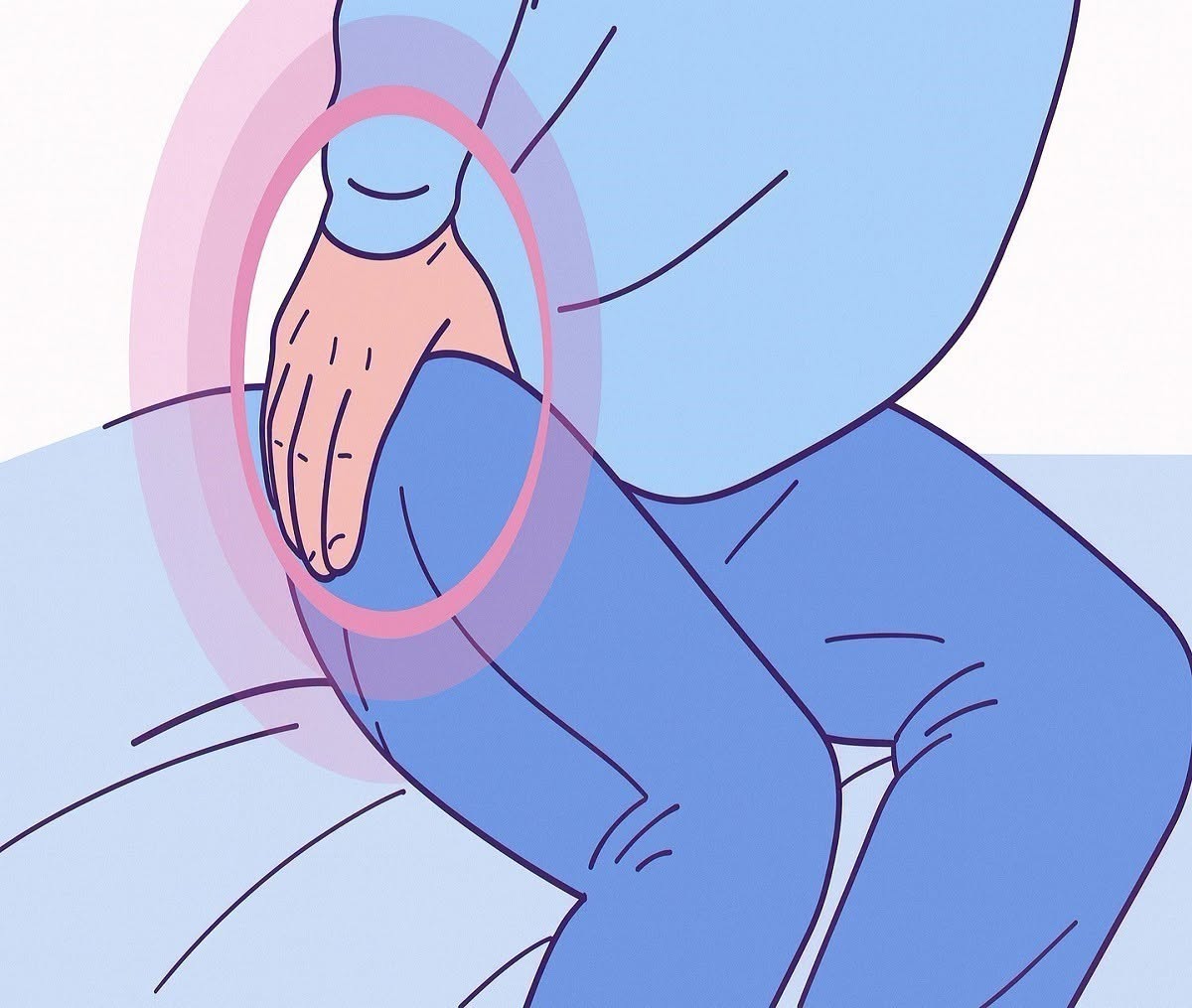
Hip pain can be surprisingly disruptive.
A dull ache may make climbing stairs uncomfortable. A sharper pain can make getting out of a chair, turning in bed, or taking a walk feel much more difficult than usual.
And because the hip sits at the crossroads of the pelvis, spine, and legs, the source of pain isn’t always obvious.
Sometimes the problem comes from the hip joint itself. In other cases, muscles, tendons, bursae, or even the lower back can be responsible for pain that feels like it is coming from the hip.
The good news is that paying attention to the location, timing, and triggers of your pain can provide useful clues.
It can also help you know when it’s time to seek professional medical advice.
Your Comfort and Mobility Toolkit
When you’re dealing with hip discomfort, a few simple habits can make everyday movement easier.
1. Observant Awareness
Don’t automatically assume hip pain is simply a normal part of getting older.
Pay attention to where the pain occurs, what makes it worse, and whether it is changing over time.
Useful details include:
- Where exactly does it hurt?
- Did the pain begin suddenly or gradually?
- Does walking make it worse?
- Is it painful when lying on one side?
- Do you have stiffness after sitting?
- Does the pain travel down your leg?
- Have you recently fallen or injured yourself?
These details can help a healthcare professional understand what may be happening.
2. Gentle Movement
When pain is mild and movement is comfortable, staying gently active can help prevent stiffness and maintain strength.
Short walks, gentle range-of-motion exercises, swimming, or water-based exercise may be appropriate for some people.
However, don’t force a painful joint through an exercise simply because movement is generally beneficial.
If an activity significantly increases your pain, stop and seek advice about appropriate exercises.
3. Support When You Need It
Sometimes a small adjustment can make resting or walking more comfortable.
For example, a pillow between the knees may make side sleeping more comfortable for some people.
If you’re having difficulty with balance or walking, a properly fitted cane or other mobility aid may help.
But using a cane incorrectly can actually make walking less safe, so ask a healthcare professional or physical therapist to show you how to use one properly.
4. Patience
Many causes of hip pain improve gradually rather than overnight.
Give your body time to recover while continuing appropriate movement.
At the same time, don’t allow persistent or worsening pain to go unchecked.
Decoding Hip Pain: Where Does It Hurt?
The location of your pain can provide clues, although it cannot determine the exact diagnosis by itself.
1. Pain on the Outside of the Hip
Pain on the outer side of the hip is commonly associated with problems involving the muscles, tendons, or bursae around the hip.
One common condition is greater trochanteric pain syndrome, which can involve irritation of the gluteal tendons and nearby tissues.
You may notice:
- Pain when lying on the affected side
- Discomfort when climbing stairs
- Pain during longer walks
- Tenderness over the outside of the hip
- Discomfort when standing for prolonged periods
Avoiding activities that clearly aggravate the pain while gradually returning to comfortable movement may help.
If the pain persists, a healthcare professional can assess the underlying cause and recommend appropriate strengthening or physical therapy.
2. Pain in the Groin or Front of the Hip
Pain felt deep in the groin is more likely to involve the hip joint itself.
Conditions such as osteoarthritis can cause:
- Groin discomfort
- Stiffness
- Reduced range of motion
- Pain when walking
- Difficulty putting on socks or shoes
- Trouble getting into or out of a car
Hip arthritis often develops gradually, although symptoms can vary considerably from person to person.
A medical evaluation can help determine whether the hip joint is actually responsible.
3. Pain in the Buttock
Pain around the buttock doesn’t necessarily mean there’s a problem with the hip joint.
The lower back can sometimes produce pain that is felt in the buttock or upper leg.
Muscle problems and irritation of nerves can also cause discomfort in this region.
If the pain travels down the leg or is accompanied by numbness, tingling, or weakness, the lower back and nerves may need to be evaluated.
4. Pain That Travels Down the Leg
Pain that moves from the back or buttock down the leg can sometimes be related to nerve irritation.
This is different from typical arthritis-related hip pain.
If you experience persistent radiating pain, numbness, tingling, or weakness, speak with a healthcare professional rather than assuming the problem is simply your hip.
What Can Cause Hip Pain?
Hip pain has many possible causes.
Some common possibilities include:
Osteoarthritis
The protective cartilage inside the joint gradually wears down, which can lead to pain, stiffness, and reduced mobility.
Tendon Problems
Tendons around the hip can become irritated or overloaded, particularly after changes in physical activity.
Bursitis and Other Soft-Tissue Problems
Small fluid-filled sacs called bursae help reduce friction around joints. Irritation of these tissues can cause pain, particularly around the outside of the hip.
Muscle Strain
An unusual workout, awkward movement, or sudden increase in activity can strain muscles around the hip and pelvis.
Back-Related Pain
Problems involving the lower spine can sometimes produce pain that is felt around the hip or buttock.
Injury or Fracture
A fall or direct injury can cause serious damage, particularly in older adults or people with weakened bones.
Gentle Things You Can Try at Home
If your hip pain is mild and there are no warning signs of a serious injury, some simple measures may provide comfort.
Keep Moving Within Your Limits
Complete bed rest is rarely the answer to ordinary musculoskeletal pain.
Instead, try gentle movement that doesn’t significantly increase your symptoms.
A few short walks throughout the day may be easier than one long walk.
Try Heat or Cold
Cold packs may be useful for a recent injury or when swelling is present.
Heat may feel soothing for stiffness or muscle discomfort.
Protect your skin by wrapping ice packs or heat sources in a cloth, and don’t apply extreme temperatures directly to the skin.
Adjust Your Sleeping Position
If lying on your side increases discomfort, try sleeping on the opposite side with a pillow between your knees.
If you sleep on your back, placing a pillow beneath your knees may also feel more comfortable.
There is no single “correct” sleeping position. The goal is to find a position that reduces pressure and allows you to rest.
Strength and Physical Therapy
For ongoing hip problems, strengthening the muscles around the hip and improving flexibility can be important parts of treatment.
A physical therapist can help create an exercise program based on the cause of your pain, your fitness level, and your mobility.
Avoid copying strenuous exercises from the internet without knowing whether they’re appropriate for your condition.
When Should You See a Doctor?
Persistent hip pain deserves attention, particularly when it interferes with normal activities or continues to get worse.
Make an appointment with a healthcare professional if:
- The pain lasts for several weeks
- It repeatedly returns
- Walking becomes increasingly difficult
- Your range of motion is decreasing
- Pain regularly wakes you at night
- You develop persistent swelling or tenderness
- You have unexplained weight loss or fever along with joint pain
A healthcare professional can determine whether you need an examination, imaging, physical therapy, medication, or another form of treatment.
When Hip Pain Needs Urgent Attention
Some symptoms should not be managed at home.
Seek urgent medical attention after a significant fall or injury if you have severe hip pain, cannot put weight on the leg, or the leg appears shortened or unusually positioned.
You should also seek urgent evaluation for severe pain accompanied by fever, significant redness or swelling, or other concerning symptoms.
Sudden weakness, loss of bladder or bowel control, or numbness around the groin or inner thighs requires urgent medical assessment.
Don’t Blame Everything on Age
One of the biggest mistakes people make with persistent joint pain is assuming:
“I’m getting older, so this must be normal.”
Age can increase the likelihood of certain conditions, including osteoarthritis, but significant pain isn’t something you simply have to accept.
There may be treatments, exercises, medications, or lifestyle changes that can improve your mobility and quality of life.
The first step is understanding what’s actually causing the pain.
The Bottom Line
Hip pain can come from the hip joint, surrounding muscles and tendons, or even the lower back.
Pay attention to where the pain occurs, what triggers it, and whether it is changing.
For mild discomfort, gentle movement, appropriate rest, comfortable positioning, and heat or cold may provide relief.
But persistent, severe, or worsening pain deserves professional evaluation.
Your goal isn’t simply to tolerate the pain.
It’s to understand what’s causing it and find the safest way to keep moving.