There’s something fascinating about discovering an unfamiliar object tucked away in an old house, barn, or basement. At first glance, it may look like nothing more than weathered wood and worn hardware. Yet many antique tools carry remarkable stories hidden beneath years of dust and aging grain.
That’s exactly what happens when people come across a traditional wooden cheese press. With its angled frame, stepped support system, and handcrafted construction, this old-world device immediately sparks curiosity. While modern kitchens rely on stainless steel appliances and electric machines, this humble press reminds us of a time when food production depended almost entirely on patience, skill, and human hands.
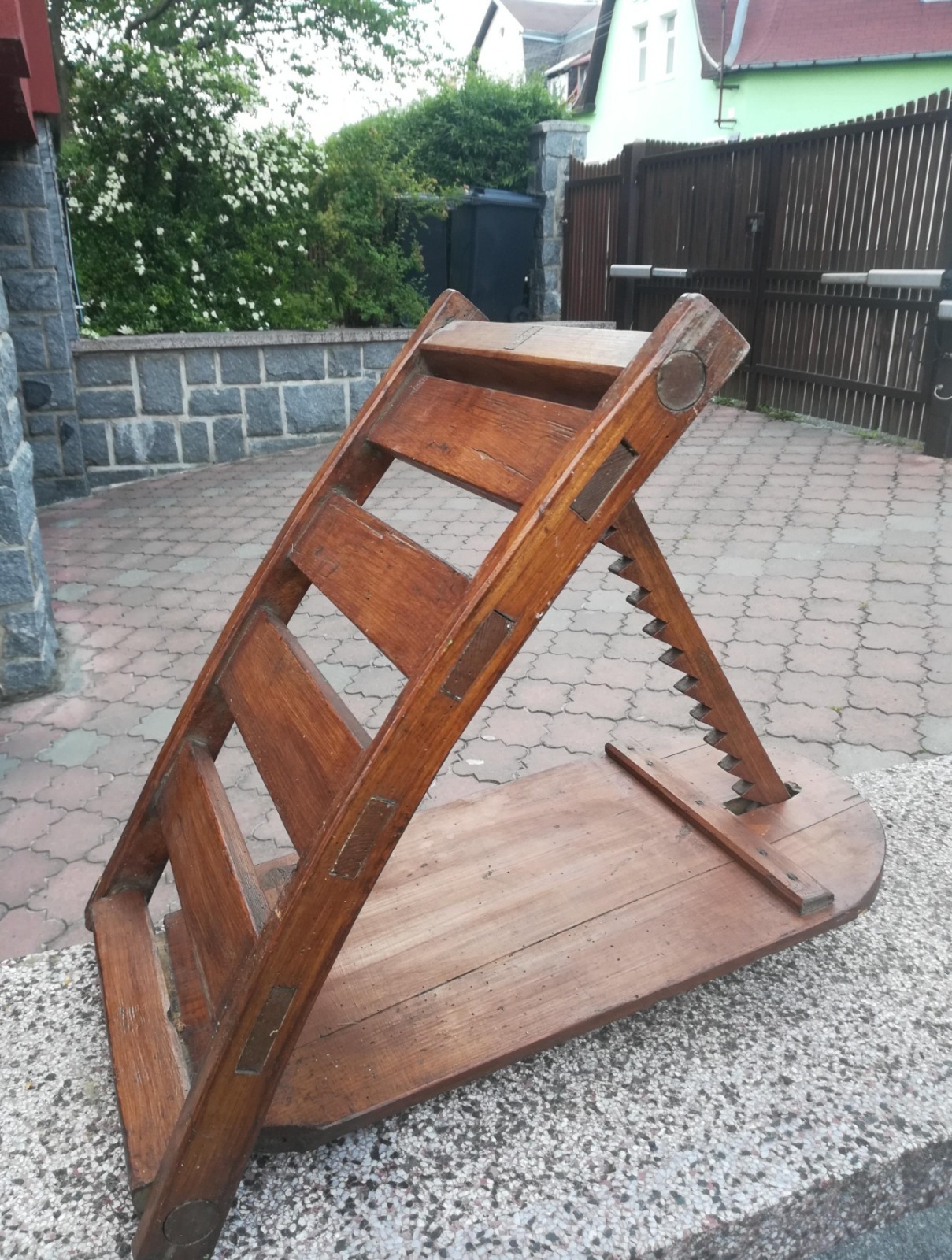
The antique wooden cheese press shown here represents far more than a forgotten farming tool. It offers a glimpse into generations of self-sufficient living, handcrafted food traditions, and the slow, deliberate process of making cheese long before industrial production existed.
What Is a Wooden Cheese Press?
A Traditional Tool for Homemade Cheese
A wooden cheese press was designed to compress fresh cheese curds into solid wheels or blocks. Farmers and homesteaders used these presses to remove excess whey while shaping cheese for aging and storage.
Before refrigeration existed, cheese-making became an essential survival skill because it allowed families to preserve milk for much longer periods.
How the Press Worked
Most antique wooden cheese presses used a mechanical pressure system. The stepped support arm visible on this model allowed users to gradually increase pressure over time.
The process usually involved:
- Placing curds inside a cheese mold
- Wrapping them in cheesecloth
- Positioning the mold beneath the press
- Slowly increasing pressure
As pressure increased, whey drained away while the cheese became firmer and denser.
Why Cheese Presses Were So Important
Preserving Milk Before Refrigeration
Fresh milk spoiled quickly, especially during warmer seasons. Turning milk into cheese provided families with a practical way to preserve nutrients and avoid waste.
Cheese supplied:
- Protein
- Fat
- Calcium
- Long-lasting food storage
For many rural households, homemade cheese became an important source of nutrition during winter months.
Supporting Self-Sufficient Living
In earlier centuries, many families produced much of their own food. Cheese-making formed part of a broader homesteading lifestyle that included:
- Baking bread
- Preserving vegetables
- Churning butter
- Smoking meats
Tools like this cheese press symbolized independence and practical craftsmanship.
The Beauty of Handcrafted Construction
Built From Durable Hardwood
Many antique presses were handmade from sturdy hardwoods chosen for strength and longevity.
Craftsmen carefully shaped:
- Support beams
- Pressure arms
- Lever systems
- Bases and braces
Even after decades or centuries, many of these presses remain structurally sound.
Signs of Daily Use
One of the most fascinating aspects of antique tools involves the visible wear left behind by years of use.
Smooth edges, faded surfaces, and worn joints reveal how frequently the tool served working households. Each mark tells part of the object’s story.
Why Wooden Presses Worked So Well
Wood Allowed Gentle Pressure
Unlike rigid metal systems, wood flexed slightly during pressing. This helped prevent delicate curds from cracking under excessive force.
Gradual compression created:
- Better texture
- Improved moisture balance
- More consistent cheese formation
Natural Breathability
Wood naturally absorbs and releases small amounts of moisture. Many traditional cheese-makers believed this helped improve drainage and aging conditions.
Although modern sanitation standards favor stainless steel, some artisanal cheese-makers still appreciate the unique qualities of wooden equipment.
Cheese-Making Was a Slow Process
Patience Played a Huge Role
Modern food culture often prioritizes speed and convenience. Traditional cheese-making worked very differently.
Pressing cheese could take:
- Several hours
- Overnight
- Multiple stages of pressure adjustment
Families carefully monitored texture and drainage throughout the process.
Every Cheese Reflected Its Environment
Homemade cheeses varied depending on:
- Local milk quality
- Seasonal conditions
- Animal diet
- Regional traditions
No two batches were exactly alike.
Why Antique Cheese Presses Fascinate Collectors
They Represent Food History
Collectors and antique enthusiasts appreciate cheese presses because they preserve an important part of agricultural history.
These tools remind people how food production once depended on:
- Manual labor
- Traditional knowledge
- Community skills
Decorative and Educational Value
Today, antique cheese presses appear in:
- Farmhouse decor
- Museums
- Historical exhibits
- Rustic kitchens
Even as display pieces, they continue teaching newer generations about traditional food preparation.
Modern Cheese-Making vs Traditional Methods
Technology Changed the Process
Today’s commercial cheese production relies heavily on:
- Stainless steel machinery
- Hydraulic presses
- Automated systems
- Controlled environments
These innovations improve efficiency and consistency.
Some Artisans Still Prefer Traditional Techniques
Despite technological advances, many small-batch cheese-makers continue embracing traditional methods because they value:
- Handcrafted texture
- Slow aging
- Authentic flavor development
- Connection to heritage
Old techniques still inspire modern artisanal food culture.
The Emotional Connection to Antique Tools
They Tell Human Stories
Antique objects often feel meaningful because they carry evidence of everyday life from another era.
A wooden cheese press speaks of:
- Family farms
- Shared meals
- Long workdays
- Generational knowledge
It represents real people and real labor.
A Reminder of Slower Living
Many people feel drawn to antique tools because they contrast sharply with modern convenience culture.
These objects remind us that:
- Good food once required patience
- Craftsmanship mattered deeply
- Skills passed between generations
That connection to slower, intentional living still resonates today.
Preserving Antique Wooden Cheese Presses
Gentle Cleaning Is Best
Owners should avoid harsh chemicals or aggressive sanding because they can damage the wood’s historical character.
Instead:
- Use soft brushes
- Remove loose dust carefully
- Avoid soaking wood in water
Protecting the Wood
Stable indoor storage helps prevent:
- Cracking
- Warping
- Excessive drying
Many collectors also apply gentle preservation oils designed for antique wood.
Why These Artifacts Still Matter
They Connect Us to Food Origins
Modern consumers rarely witness how food is traditionally made. Antique cheese presses help reconnect people with forgotten agricultural practices.
They encourage appreciation for:
- Handmade food
- Traditional craftsmanship
- Historical survival skills
They Inspire Modern Homesteading
Interest in:
- Homemade cheese
- Sourdough baking
- Gardening
- Food preservation
has grown significantly in recent years. Antique tools often inspire people to rediscover older skills themselves.
FAQ
What exactly is a wooden cheese press used for?
It compresses cheese curds to remove whey and shape cheese into solid wheels or blocks.
How old are most antique cheese presses?
Many surviving examples date from the 1800s to early 1900s, though designs are much older.
Why were cheese presses made from wood?
Wood was durable, widely available, slightly flexible, and naturally breathable.
Are wooden cheese presses still used today?
Some artisanal and homestead cheese-makers still use traditional wooden presses for small-batch production.
Can antique cheese presses be valuable?
Yes. Value depends on age, craftsmanship, condition, rarity, and historical significance.
Conclusion
The antique wooden cheese press stands as far more than an unusual old tool. It represents a time when food preparation depended on patience, skill, and careful craftsmanship. Every worn surface and weathered joint reflects generations of practical use in kitchens and farmhouses where families transformed fresh milk into nourishing cheese by hand.
Although modern technology has simplified cheese production, many people still feel inspired by the slow, intentional methods these presses symbolize. They remind us that food once required direct human effort and deep connection to daily life.
In many ways, antique tools like this continue telling stories long after their original work has ended. They preserve the memory of traditional craftsmanship while encouraging modern generations to appreciate the value of handmade food, practical skills, and the enduring beauty of simple, purposeful design.
More Home Remedies
- Wrinkled Fingers After Water Exposure: What Your Skin May Be Telling You
- Skin Rash With Breathing Trouble? It Could Be a Life-Threatening Allergic Reaction
- I Thought It Was a Piece of Trash on the Bathroom Floor—Until It Moved
- If You Are Getting White Pimples on Your Lips or Intimate Area, Here’s What They Could Mean