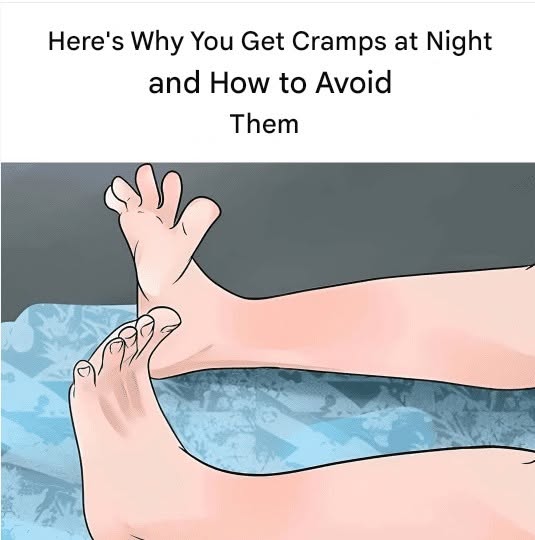
This Is Why We Get Cramps at Night — And When It Might Signal Something Serious is a question that often comes to mind after a sudden, painful muscle spasm interrupts a peaceful night of sleep. One moment you feel comfortable, and the next your calf, foot, or thigh tightens into a hard knot.
Nighttime leg cramps are common, particularly among older adults and pregnant people. They can last only a few seconds, although some continue for several minutes and leave the affected muscle tender afterward. In many cases, occasional cramps do not point to a dangerous condition.
However, frequent, unusually severe, persistent, or unexplained cramps deserve more attention. Certain medications, nerve problems, circulation disorders, and other medical conditions can sometimes contribute. Therefore, understanding the difference between an occasional cramp and a recurring problem can help you decide what to do next.
A nighttime cramp once woke me so suddenly that I jumped out of bed before I fully understood what had happened. My calf felt rock-hard, and simply pointing my toes made the pain worse. I eventually stretched the leg gently, walked around the room, and waited for the muscle to relax. The experience made me curious about why something so painful could happen without warning. I had always heard that dehydration or low potassium caused every muscle cramp, but the explanation turned out to be more complicated. Since then, I have paid closer attention to patterns rather than assuming one simple cause.
Why Nighttime Muscle Cramps Happen
What Happens Inside a Cramping Muscle
A muscle cramp happens when a muscle contracts involuntarily and temporarily fails to relax normally. The calf muscles commonly cause nighttime trouble, although cramps can also affect the feet and thighs.
During a cramp, the muscle may feel visibly or noticeably hard. Moreover, moving the affected area can become difficult because the contraction causes intense discomfort. Most episodes resolve on their own, but soreness may remain afterward.
Scientists do not always identify a single cause for nocturnal leg cramps. In fact, many cases remain idiopathic, which means doctors cannot identify a specific underlying cause.
Age can increase the likelihood of experiencing cramps. Pregnancy can also make leg cramps more common. Additionally, long periods of sitting, prolonged standing, strenuous exercise, and certain sleeping positions may contribute in some people.
Muscle and nerve function naturally interact throughout the day. However, changes in nerve activity may make muscles more susceptible to involuntary contractions at night.
Therefore, nighttime cramps do not necessarily mean that your body lacks one particular nutrient. Although electrolyte abnormalities can cause muscle symptoms under some circumstances, assuming that every cramp comes from low magnesium or potassium oversimplifies the problem.
If cramps occur only occasionally and disappear quickly, simple measures may provide enough relief. On the other hand, recurring episodes deserve closer attention, especially when other symptoms appear.
Dehydration, Electrolytes, and Everyday Factors
Dehydration often gets blamed for nighttime cramps. Fluid loss can affect normal muscle function, particularly after heavy sweating, vomiting, diarrhea, or prolonged physical activity. Consequently, maintaining normal hydration makes sense for overall health.
However, drinking excessive amounts of water does not guarantee that cramps will disappear. Likewise, nighttime leg cramps do not automatically prove that someone has a mineral deficiency.
Electrolytes such as potassium, calcium, sodium, and magnesium play important roles in nerve and muscle function. Significant abnormalities can produce symptoms. Nevertheless, several different conditions can alter electrolyte levels, and only appropriate medical testing can establish whether a true deficiency exists.
This distinction matters because unnecessary supplementation can create problems. For example, excessive potassium can become dangerous, particularly for people with kidney disease or those taking certain medications. Magnesium supplements can also cause side effects and interact with some medicines.
Instead of automatically reaching for supplements, consider the circumstances surrounding the cramp. Did you exercise unusually hard? Did you spend hours standing? Have you recently experienced an illness that caused fluid loss? Did you begin a new medication?
These details can reveal useful patterns.
Furthermore, a balanced diet that includes fruits, vegetables, whole grains, legumes, dairy or appropriate alternatives, nuts, seeds, and protein sources generally provides a wide range of essential nutrients.
Therefore, normal hydration and balanced nutrition provide a sensible foundation. Persistent cramps, however, require more than guesswork.
What Can Increase the Risk of Nighttime Cramps?
Activity, Age, Pregnancy, and Medications
Several everyday circumstances can make nighttime cramps more likely. For instance, intense physical activity can leave muscles fatigued, particularly when you suddenly increase the duration or intensity of exercise.
Long periods of inactivity may also contribute. Sitting in one position for hours can leave the legs stiff. Similarly, standing for much of the day may fatigue lower-leg muscles.
Age represents another important factor. Nighttime leg cramps become more common as people get older. Although aging itself does not automatically indicate disease, changes in muscles, nerves, activity levels, and medication use can all influence symptoms.
Pregnancy can also increase the frequency of leg cramps, particularly later in pregnancy. Anyone who develops severe swelling, redness, warmth, chest pain, or breathing difficulty during pregnancy should seek prompt medical assessment rather than assuming the symptoms come from an ordinary cramp.
Medications provide another possible explanation. Some medicines can contribute to muscle symptoms or change fluid and electrolyte balance. Therefore, a clinician or pharmacist can review medications when cramps begin after a prescription change.
However, never stop a prescribed medication simply because you suspect that it causes cramps. Instead, discuss the problem with the healthcare professional who prescribed it.
Keeping a brief symptom record can help. Note when the cramps occur, which muscle they affect, how long they last, what you did that day, and whether you noticed other symptoms. As a result, you may provide your clinician with much more useful information.
When Circulation or Nerve Problems May Be Involved
People sometimes describe every painful leg sensation as a cramp. However, several conditions can produce leg discomfort, and they do not all behave the same way.
For example, circulation problems may cause pain during walking or physical activity rather than a brief muscle contraction during sleep. Meanwhile, nerve disorders can cause burning, tingling, numbness, weakness, or shooting pain.
Restless legs syndrome also differs from a typical muscle cramp. It usually creates an uncomfortable urge to move the legs, particularly while resting. Movement often temporarily relieves that sensation.
Because these problems can overlap, the pattern matters.
A classic nighttime cramp usually produces a sudden, involuntary tightening of a specific muscle. You may even feel the muscle contract beneath your hand. Afterward, it gradually relaxes.
In contrast, persistent numbness, progressive weakness, significant swelling, skin color changes, or ongoing pain deserves medical evaluation.
Additionally, pain and swelling in one leg can occasionally indicate a blood clot, especially when the area becomes warm or red. A clot requires medical attention because it can become dangerous if it travels to the lungs.
Therefore, do not rely on an online symptom description to diagnose unexplained leg pain. A healthcare professional can evaluate circulation, nerve function, medications, and other possible contributors.
What to Do When a Nighttime Cramp Strikes
Gentle Stretching and Immediate Relief
When a calf cramp suddenly wakes you, gently stretching the affected muscle may help it relax.
For a calf cramp, straighten your leg and carefully pull your toes toward your shin. Alternatively, stand safely and place weight on the affected leg if you can do so without falling. Gentle walking may also help once the most intense pain begins to settle.
Avoid aggressive stretching. Although the instinct to force the muscle loose can feel strong, excessive force may increase pain or cause injury.
Massage may provide comfort as well. Use gentle pressure rather than digging forcefully into the muscle. In addition, some people find warmth soothing after the initial contraction.
Because nighttime cramps can cause people to jump out of bed suddenly, consider fall safety. This becomes particularly important for older adults or anyone with balance difficulties. Sit up first, orient yourself, and make sure you have stable footing before standing.
Once the muscle relaxes, mild tenderness can remain. Gentle movement usually feels better than immediately forcing strenuous activity.
Furthermore, pay attention to what happened before the episode. An isolated cramp after an unusually active day may not require much investigation. Repeated cramps several nights each week, however, create a different situation.
This Is Why We Get Cramps at Night — And When It Might Signal Something Serious ultimately depends on patterns, accompanying symptoms, medications, and individual health factors rather than one universal explanation.
Habits That May Reduce Future Episodes
No single home strategy prevents every nighttime cramp. Nevertheless, several low-risk habits may help some people.
First, maintain reasonable hydration throughout the day. Your individual fluid requirements depend on your activity, climate, diet, medications, pregnancy status, and health conditions. Therefore, people who have been told to restrict fluids because of heart or kidney disease should follow their clinician’s instructions rather than increasing fluid intake automatically.
Second, regular movement can help maintain flexibility and muscle function. If you sit for long periods, take reasonable movement breaks when possible.
Gentle calf stretching before bed may help some people, although results vary. To stretch the calf, face a wall, place your hands against it, move one foot backward, keep the heel down, and lean forward gently. You should feel a mild stretch rather than pain.
Third, increase exercise gradually. A sudden jump from little activity to intense training can place unfamiliar demands on muscles.
Finally, eat a balanced diet rather than treating supplements as a universal solution. Foods naturally provide potassium, magnesium, calcium, and other nutrients alongside fiber and additional beneficial compounds.
If you suspect a deficiency, discuss it with a healthcare professional. Testing may reveal whether supplementation actually makes sense.
When Nighttime Cramps Need Medical Attention
Warning Signs You Should Not Ignore
Occasional cramps commonly resolve without treatment. However, certain symptoms warrant prompt medical attention.
Seek urgent medical care for significant one-sided leg swelling, warmth, redness, or persistent unexplained pain, particularly when blood-clot risk factors exist. Additionally, seek emergency care for chest pain, sudden shortness of breath, coughing up blood, fainting, or other severe symptoms.
You should also arrange a medical evaluation when cramps become frequent, severe, progressively worse, or disruptive enough to repeatedly prevent sleep.
Likewise, contact a healthcare professional when cramps occur alongside persistent numbness, muscle weakness, substantial swelling, skin changes, or difficulty walking.
A clinician may ask about your symptoms, activity level, medical history, diet, and medications. Depending on the situation, they may perform a physical examination or order tests.
For example, blood tests can sometimes check kidney function or electrolyte levels when the history suggests a possible abnormality. However, testing depends on the individual situation.
The important point involves recognizing changes. A brief calf cramp once every few months differs substantially from new nightly pain accompanied by weakness or swelling.
Therefore, trust patterns rather than panic over one isolated episode. At the same time, do not dismiss persistent or unusual symptoms simply because leg cramps are common.
Why Self-Diagnosing a Deficiency Can Backfire
The idea that every leg cramp means “low magnesium” or “low potassium” sounds appealing because it offers a simple solution. Unfortunately, the human body rarely works that simply.
Taking supplements without confirming a need can expose you to unnecessary side effects. Moreover, supplements may interact with medications or become unsafe for people with certain medical conditions.
Potassium deserves particular caution because dangerously high potassium can affect heart rhythm. Kidney problems and some medications can increase this risk.
Magnesium also requires thoughtful use. Although a true deficiency can affect muscle and nerve function, magnesium supplements do not provide a guaranteed cure for ordinary nighttime cramps.
Instead, focus on the complete picture. Consider frequency, duration, medications, activity, hydration, and associated symptoms.
This approach also prevents a supplement from delaying appropriate medical care when another condition causes the symptoms.
Ultimately, nighttime leg cramps usually create more discomfort than danger. Still, your body can produce similar sensations for many reasons. Knowing what an ordinary cramp feels like, watching for meaningful changes, and seeking professional advice when symptoms persist provides a practical and safer approach.
Frequently Asked Questions
Why do my legs cramp mostly at night?
Nighttime cramps can occur without an identifiable cause. Age, pregnancy, muscle fatigue, prolonged sitting or standing, certain medications, and some medical conditions may contribute. Researchers have not established one explanation that accounts for every case.
Does a nighttime leg cramp mean I need more potassium?
Not necessarily. Potassium plays an important role in muscle and nerve function, but a cramp alone cannot diagnose potassium deficiency. Because excessive potassium can become dangerous, especially with kidney disease or certain medications, avoid high-dose supplementation unless a healthcare professional recommends it.
Does magnesium stop nighttime leg cramps?
Magnesium does not reliably prevent ordinary nighttime leg cramps in everyone. It may matter when a genuine deficiency exists, but cramps alone do not prove a deficiency. Discuss persistent symptoms and supplement use with a healthcare professional.
What should I do during a calf cramp?
Gently straighten the affected leg and pull the toes toward the shin. You can also try careful walking or gentle massage once you can move safely. Avoid forceful stretching, particularly when the muscle feels extremely painful.
When should I worry about nighttime leg cramps?
Seek medical advice when cramps become frequent, severe, progressively worse, or consistently disturb sleep. Persistent weakness, numbness, swelling, skin changes, or walking problems also deserve evaluation. Seek urgent care for significant one-sided swelling, warmth, or redness, and seek emergency care for symptoms such as chest pain or sudden shortness of breath.
Conclusion
This Is Why We Get Cramps at Night — And When It Might Signal Something Serious has no single answer because nighttime cramps can arise from several different circumstances. Muscle fatigue, age, pregnancy, prolonged inactivity, medication effects, and some medical conditions can all play a role. Meanwhile, many cases occur without an identifiable underlying disease.
Gentle stretching can help when an ordinary calf cramp strikes. Additionally, regular movement, appropriate hydration, gradual exercise, and balanced nutrition support normal muscle function.
However, avoid assuming that every cramp signals dehydration, low potassium, or magnesium deficiency. Supplements do not provide a universal solution, and unnecessary supplementation can sometimes cause harm.
Most importantly, watch the overall pattern. Occasional cramps usually differ from new, severe, persistent symptoms accompanied by swelling, weakness, numbness, skin changes, or breathing problems.
When something about your symptoms changes significantly or repeatedly interferes with sleep and daily life, a healthcare professional can help determine the cause and recommend appropriate treatment.