
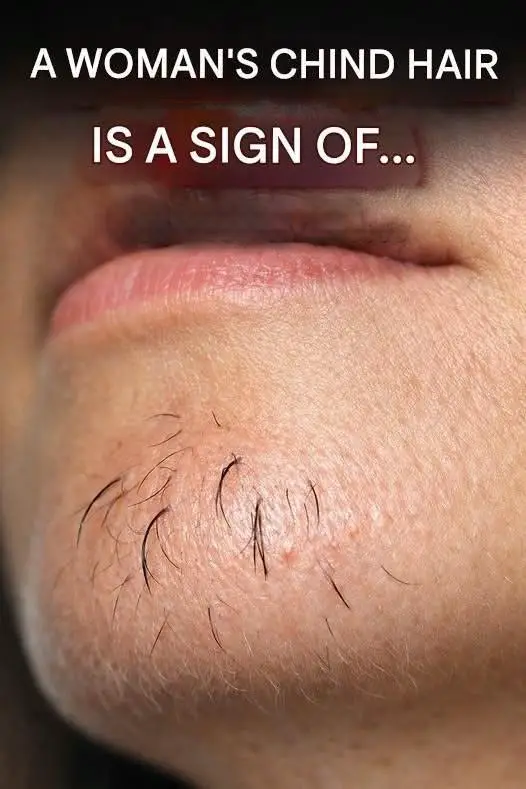
Few things catch people off guard quite like spotting a dark chin hair that seemed to appear overnight. One day your skin looks perfectly smooth, and the next you’re reaching for the tweezers wondering where it came from.
While it may feel surprising or even embarrassing, occasional chin hairs are extremely common in women of all ages. In many cases, they are simply the result of genetics, normal hormonal changes, or the natural aging process. Most are harmless and nothing to worry about.
However, when facial hair suddenly becomes thicker, darker, or much more noticeable, it can sometimes be worth taking a closer look at what your body is trying to tell you.
Why Chin Hair Appears
Every woman naturally produces small amounts of androgens, hormones that are often associated with men but play important roles in women’s health as well.
Whether a chin hair develops depends less on how much hormone your body produces and more on how sensitive your hair follicles are to those hormones.
Some women simply inherit hair follicles that react more strongly, producing coarse, dark hairs instead of fine, soft facial fuzz.
This explains why two women with identical hormone levels may have completely different patterns of facial hair.
Hormonal Changes Throughout Life
Hormones naturally fluctuate throughout life, and these changes often explain why chin hairs seem to appear suddenly.
Perimenopause and Menopause
As estrogen levels gradually decline during the 40s and 50s, the balance between estrogen and androgens changes.
Hair follicles that remained inactive for years may suddenly begin producing thicker facial hair.
Many women first notice chin hairs during this stage of life.
Pregnancy and After Childbirth
Pregnancy creates dramatic hormonal shifts.
Some women notice increased facial hair while pregnant, while others develop it several months after giving birth as hormones stabilize.
Most changes improve over time.
Stress
Long-term stress increases cortisol production.
Although cortisol doesn’t directly create chin hair, prolonged stress can influence hormonal balance and contribute to unexpected hair growth in people who are genetically predisposed.
Genetics
If your mother, grandmother, sisters, or aunts developed chin hair, there’s a good chance you may experience it too.
Genetics remain one of the strongest influences on facial hair growth.
When Could It Be a Medical Condition?
Occasional stray hairs are usually normal.
However, rapidly increasing facial hair—especially when combined with other symptoms—may warrant medical evaluation.
Possible causes include:
- Polycystic ovary syndrome (PCOS)
- Thyroid disorders
- Adrenal gland conditions
- Certain medications
- Rare hormone-producing tumors
Additional symptoms that deserve medical attention include:
- Irregular menstrual periods
- Severe acne
- Hair thinning on the scalp
- Deepening voice
- Rapid muscle gain
- Sudden weight gain
- Difficulty becoming pregnant
A healthcare provider can evaluate hormone levels and determine whether further testing is appropriate.
Safe and Effective Ways to Remove Chin Hair
If your chin hair bothers you, there are several reliable options for managing it. The best choice depends on how often the hair appears, your skin type, and whether you’re looking for a temporary or long-term solution.
Tweezing
Tweezing works well for one or two stray hairs.
Using clean, high-quality tweezers, grasp the hair close to the skin and pull in the direction of growth.
Benefits include:
- Removes hair from the root
- Results can last several weeks
- Inexpensive
- Easy to do at home
To reduce irritation, clean the area before and after tweezing.
Shaving
Many women worry that shaving facial hair will make it grow back thicker.
Fortunately, that’s a myth.
Shaving only cuts the hair at the skin’s surface. It does not change the follicle, hormone levels, or growth rate.
Facial razors designed specifically for women can safely remove unwanted chin hair while also exfoliating dead skin.
Advantages include:
- Fast
- Completely painless
- No waiting for hair to grow out
- Minimal skin irritation for most people
Waxing
Waxing removes hair from the root and generally keeps skin smooth for three to six weeks.
However, it may not be ideal for sensitive skin because it can cause:
- Redness
- Temporary irritation
- Ingrown hairs
- Skin sensitivity
Always follow aftercare instructions and avoid waxing over irritated skin.
Laser Hair Removal
Laser hair removal targets the pigment inside hair follicles.
Over several treatment sessions, many follicles become permanently damaged, resulting in much less hair growth.
Laser treatment works best for:
- Dark hair
- Light to medium skin tones
It is less effective on gray, white, blonde, or red hairs because these contain less pigment.
Electrolysis
Electrolysis is currently the only hair removal method recognized as permanent.
A trained professional inserts an extremely fine probe into each hair follicle and applies a tiny electrical current to destroy it.
Electrolysis works on:
- Dark hair
- Blonde hair
- Gray hair
- White hair
- Red hair
Although treatment takes longer than laser therapy, it remains an excellent option for permanent removal.
Lifestyle Habits That Support Hormonal Balance
While lifestyle changes cannot eliminate genetically determined chin hair, maintaining good overall health supports normal hormone function.
Healthy habits include:
- Regular physical activity
- Eating balanced meals
- Maintaining a healthy body weight
- Sleeping 7–9 hours each night
- Managing chronic stress
- Limiting excessive sugar and highly processed foods
For women with PCOS, these lifestyle changes may also help improve hormone balance when combined with medical treatment.
When Should You See a Doctor?
Most isolated chin hairs are perfectly normal.
However, schedule an appointment if you notice:
- Rapid increase in facial hair
- Hair growing on the chest or abdomen
- Missed or irregular menstrual cycles
- Severe acne
- Hair loss on the scalp
- Unexpected weight gain
- Difficulty becoming pregnant
- Voice changes
A doctor may recommend simple blood tests to evaluate hormone levels and determine whether further evaluation is needed.
Frequently Asked Questions
Is it normal to grow chin hair as you get older?
Yes. Many women notice a few coarse chin hairs as they age, especially during perimenopause and menopause. Changing hormone levels combined with natural genetics often make facial hair more noticeable over time.
Does plucking make chin hair grow back thicker?
No. This is one of the most common myths about hair removal. Plucking removes the hair from the root but does not change the size or activity of the follicle. When the hair grows back, it will usually have the same texture and thickness as before.
Can shaving facial hair make it darker?
No. Shaving cuts the hair at the surface of the skin, creating a blunt tip that may feel coarser as it grows back. However, it does not increase the number of hair follicles or make hair grow faster, thicker, or darker.
What is the best permanent solution?
Electrolysis is considered the only FDA-recognized method for permanent hair removal. Laser hair removal can provide long-term reduction and is highly effective for many people, particularly those with dark hair.
Can diet affect facial hair?
Diet alone usually doesn’t cause chin hair. However, maintaining a healthy weight and balanced nutrition may support normal hormone function, particularly for women with hormone-related conditions such as PCOS.
Caring for Your Skin After Hair Removal
Whatever removal method you choose, caring for your skin afterward helps prevent irritation.
Simple aftercare tips include:
- Wash the area gently with a mild cleanser.
- Avoid touching the skin immediately afterward.
- Apply a fragrance-free moisturizer.
- Use sunscreen daily, especially after waxing or laser treatments.
- Avoid harsh exfoliants for 24 hours.
- If ingrown hairs develop, gently exfoliate the area several times a week.
Healthy skin often responds better to any hair removal method.
Embracing Natural Changes
Many women feel self-conscious when they notice facial hair for the first time. In reality, it is far more common than most people realize.
Beauty standards often create unrealistic expectations, leaving many women believing they are alone when they notice changes like chin hairs. The truth is that millions of women quietly manage facial hair throughout adulthood.
Whether you decide to tweeze, shave, wax, undergo laser treatment, or simply leave the hair alone is entirely a personal choice. There is no right or wrong decision—only the one that makes you feel most comfortable.
Final Thoughts
Finding an unexpected chin hair can certainly be surprising, but in most cases it is simply a normal part of life. Genetics, natural hormone fluctuations, aging, and life transitions all play important roles in determining how facial hair grows.
While occasional chin hairs are rarely a cause for concern, sudden or excessive facial hair accompanied by other hormonal symptoms deserves medical evaluation. Early diagnosis can identify treatable conditions such as PCOS or thyroid disorders.
Most importantly, remember that your body’s changes do not define your beauty or your health. Every stage of life brings new experiences, and small changes like facial hair are simply part of the body’s natural journey.
With the right information, gentle self-care, and medical advice when needed, you can confidently choose the approach that works best for you and continue feeling comfortable in your own skin.