
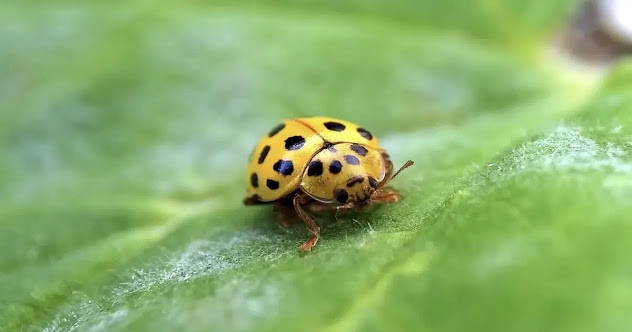
Ladybugs are among the most beloved insects in the world. Their colorful shells, gentle appearance, and role in protecting gardens have made them symbols of good fortune in many cultures. While most people recognize the familiar red ladybug with black spots, fewer realize that ladybugs naturally occur in a surprising range of colors—including bright yellow.
Spotting a yellow ladybug often sparks curiosity. Is it a different species? Is it rare? Does it carry a special meaning?
The answer combines fascinating biology with centuries of cultural tradition.
Are Yellow Ladybugs Real?
Yes. Yellow ladybugs are genuine members of the ladybug family, also known as lady beetles.
Scientists have identified more than 6,000 species of ladybugs worldwide, and they display an impressive variety of colors and patterns.
Depending on the species, a ladybug may be:
- Red
- Orange
- Yellow
- Black
- Pink
- Cream-colored
Some yellow ladybugs have black spots, while others have very few or none at all.
Their color doesn’t make them unusual—it simply reflects the incredible diversity found in nature.
Why Are Some Ladybugs Yellow?
The color of a ladybug is determined primarily by genetics, although environmental conditions and species differences also play important roles.
Pigments within the insect’s outer shell create its distinctive appearance.
Yellow coloration may help certain species blend into flowers, leaves, or other natural surroundings, offering additional protection from predators.
Like many brightly colored insects, ladybugs also use their colors as a warning signal.
Their vivid appearance tells birds and other predators that they may produce unpleasant-tasting defensive chemicals if attacked.
Common Yellow Ladybug Species
Several species are commonly recognized by their yellow coloring.
These include:
- The 22-spot ladybird.
- Certain color forms of the Asian lady beetle.
- Other regional ladybug species found throughout Europe, Asia, and North America.
Although they differ in appearance, many perform similar ecological roles by helping control insect populations in gardens and agricultural areas.
Their presence is generally considered beneficial for healthy plant life.
What Does a Yellow Ladybug Symbolize?
For generations, ladybugs have been viewed as symbols of luck, happiness, and positive change. Yellow ladybugs are no exception. Although there is no scientific evidence that they bring good fortune, many cultures and traditions associate them with uplifting meanings.
Some commonly shared symbolic interpretations include:
- Joy and optimism.
- New beginnings.
- Creativity and inspiration.
- Personal growth.
- Prosperity and abundance.
Many people enjoy seeing a yellow ladybug as a gentle reminder to stay hopeful and embrace new opportunities. Whether viewed as symbolism or simply a pleasant coincidence, these tiny insects often leave a lasting impression.
Helpful Visitors in the Garden
Beyond their colorful appearance, yellow ladybugs play an important role in maintaining healthy gardens.
Many species feed on insects that damage flowers, vegetables, and ornamental plants.
Their diet commonly includes:
- Aphids.
- Mites.
- Scale insects.
- Mealybugs.
- Other soft-bodied pests.
By naturally reducing pest populations, ladybugs help gardeners minimize the need for chemical pesticides.
Some species, such as the 22-spot ladybird, primarily feed on fungi like powdery mildew rather than insects, making them valuable contributors to plant health in different ways.
How to Attract Ladybugs
If you’d like to encourage ladybugs to visit your garden, creating a welcoming environment can help.
Simple steps include:
- Plant flowering herbs such as dill, fennel, and cilantro.
- Grow nectar-rich flowers like marigolds and yarrow.
- Limit pesticide use whenever possible.
- Provide shallow water sources with small stones for safe landing.
- Leave small natural areas with leaves or mulch where beneficial insects can shelter.
Healthy, diverse gardens tend to attract a wide variety of pollinators and beneficial insects, including both red and yellow ladybugs.
Yellow vs. Red Ladybugs
Although people often compare yellow and red ladybugs, both perform similar ecological roles.
| Feature | Yellow Ladybugs | Red Ladybugs |
|---|---|---|
| Color | Yellow to pale orange | Bright red to deep orange |
| Common Role | Beneficial insect | Beneficial insect |
| Diet | Varies by species | Mostly aphids and small pests |
| Garden Value | Excellent | Excellent |
| Symbolism | Joy, optimism, new beginnings | Good luck, protection, happiness |
The main differences lie in species and appearance rather than behavior or usefulness.
Are Yellow Ladybugs Rare?
Yellow ladybugs are less commonly noticed than their red counterparts, but they are not considered exceptionally rare. Their visibility often depends on the species found in your region and the habitats they prefer.
Because many yellow species blend in with flowers, grasses, and light-colored foliage, they can be surprisingly easy to overlook.
If you spot one, consider it a wonderful reminder of the incredible diversity found in nature.
Frequently Asked Questions
Are yellow ladybugs harmful to humans?
No. Yellow ladybugs are harmless to people. Like other ladybugs, they may release a small amount of yellow defensive fluid if they feel threatened, but it is not dangerous. It can occasionally stain skin or fabric and has an unpleasant smell that helps deter predators.
Do yellow ladybugs bite?
Ladybugs are not aggressive toward humans. On rare occasions, one may give a tiny pinch if it lands on your skin and feels disturbed, but it is harmless and does not pose a medical concern.
Do yellow ladybugs help gardens?
Yes. Most yellow ladybug species are beneficial insects that either feed on common garden pests or fungi that affect plants. Their presence is generally considered a sign of a healthy garden ecosystem.
Why do ladybugs come in different colors?
Different species have evolved different colors through genetics and adaptation. Bright colors also serve as warning signals to predators, helping ladybugs survive in a variety of environments.
Appreciating Nature’s Diversity
Every encounter with wildlife offers an opportunity to learn something new. A yellow ladybug reminds us that nature is far more diverse than we often realize. Even familiar creatures can surprise us with unexpected colors, patterns, and behaviors.
Whether you’re an experienced gardener, a nature enthusiast, or someone who simply enjoys observing the outdoors, spotting a yellow ladybug can be a delightful experience that encourages curiosity about the natural world.
Final Thoughts
Yellow ladybugs are fascinating members of the ladybug family, combining scientific interest with centuries of cultural symbolism. While they may not be as commonly recognized as the classic red varieties, they perform many of the same valuable roles by helping maintain healthy gardens and balanced ecosystems.
Across different traditions, they have also come to represent optimism, creativity, prosperity, and fresh beginnings. Although these symbolic meanings are based on folklore rather than science, they continue to add charm to encounters with these tiny insects.
Whether you view a yellow ladybug as a lucky sign, a beneficial garden visitor, or simply another example of nature’s remarkable diversity, one thing is certain: these bright little beetles remind us to slow down, appreciate the small wonders around us, and recognize that beauty often appears in unexpected forms.