If you’ve ever watched bees moving from flower to flower in your garden, you may have wondered whether they ever stop for a drink. While many people focus on planting colorful flowers to provide nectar and pollen, water is another essential resource that bees need every day.
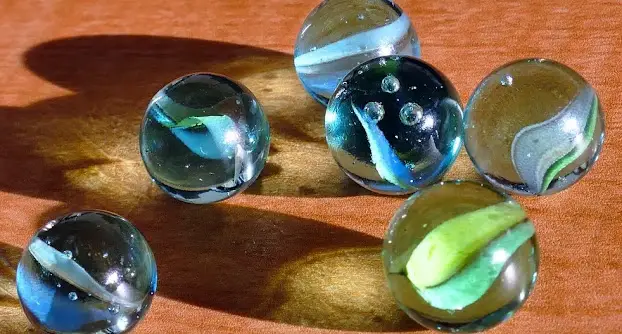
Creating a safe watering station for bees is one of the easiest ways to support local pollinators. With just a shallow dish, a handful of marbles or small stones, and fresh water, you can provide a safe place where bees can rest and hydrate without the danger of drowning.
This simple project takes only a few minutes to assemble, costs very little, and can become an important part of a pollinator-friendly garden.
Why Bees Need Water
Although bees collect nectar from flowers, nectar alone doesn’t provide everything a colony requires. Water plays several important roles inside the hive.
Worker bees gather water to help regulate the hive’s temperature during warm weather. They spread tiny droplets throughout the hive while other bees fan their wings, creating evaporative cooling that helps prevent overheating.
Water is also used when feeding developing larvae. Nurse bees mix water with stored honey and pollen to create food that young bees can digest more easily.
Individual bees also need water simply to stay hydrated during long hours of foraging, especially during hot summer days.
Why Ordinary Water Sources Can Be Dangerous
Many people assume bees can simply drink from puddles, ponds, or birdbaths. However, these water sources often present unexpected risks.
Birdbaths typically have smooth, slippery surfaces that make it difficult for bees to land safely. If they fall into deeper water, their wings can become wet, making escape nearly impossible.
Small puddles may disappear quickly during hot weather or contain contaminants from soil, fertilizers, or pesticides.
Because bees are tiny insects, they benefit from shallow water sources that provide stable places to stand while drinking.
Building a Safe Bee Watering Station
Fortunately, creating a bee-friendly watering station is incredibly simple.
You’ll need:
- A shallow bowl, saucer, or plate
- Glass marbles, small stones, or pebbles
- Clean fresh water
Arrange the marbles or stones across the bottom of the container before adding water. Fill the dish only until the tops of the marbles remain above the surface.
These raised surfaces give bees secure landing spots while allowing them to reach the water safely without becoming submerged.
Place the watering station near flowering plants in a quiet area that receives partial shade. Keeping it out of direct afternoon sunlight helps reduce evaporation and keeps the water cooler during hot weather.
Choosing the Best Materials for Your Bee Water Station
One of the reasons this project has become so popular among gardeners is its simplicity. You don’t need expensive equipment or specialty supplies. In fact, many of the best materials are probably already sitting somewhere in your home.
A shallow ceramic saucer, pie plate, or plant tray works perfectly because it provides plenty of space for several bees to drink at once. The most important feature is that the container remains shallow enough to prevent deep pools of water.
Why Marbles and Stones Work So Well
Glass marbles have become a favorite choice because they create dozens of tiny landing platforms. Bees can safely perch on the exposed tops while reaching down between them to drink.
If marbles aren’t available, there are several excellent alternatives:
- Smooth river rocks
- Aquarium pebbles
- Decorative glass stones
- Small pieces of slate
- Wine corks cut in half
- Floating corks
- Clean twigs or small sticks
Whatever material you choose, make sure several surfaces remain above the water line so insects never need to stand directly in the water.
Finding the Perfect Location
Location makes a big difference in whether bees discover and regularly use the watering station.
Place it:
- Near flowering plants.
- Close to herbs or vegetable gardens.
- In partial shade during the hottest part of the day.
- Away from heavy foot traffic.
- On a stable, level surface.
Avoid placing the station underneath sprinklers or anywhere that collects standing water after rainfall.
Once bees locate a dependable water source, many will return regularly throughout the season.
Keeping the Water Safe and Clean
Fresh water is essential.
Warm, stagnant water can encourage algae growth and become a breeding area for mosquitoes. Fortunately, keeping the station clean requires very little effort.
A simple maintenance routine includes:
- Replacing the water every two or three days.
- Washing the bowl once each week.
- Rinsing the marbles or stones thoroughly.
- Removing leaves or debris as needed.
- Refilling immediately during hot weather if the water evaporates.
Clean water benefits both bees and other helpful pollinators that may visit your garden.
Other Ways to Help Pollinators
A watering station is only one part of creating a pollinator-friendly yard.
You can make an even bigger difference by:
- Planting native flowering plants.
- Growing herbs such as lavender, thyme, oregano, and rosemary.
- Leaving some areas of the garden slightly wild.
- Avoiding unnecessary pesticide use.
- Providing flowers that bloom from spring through fall.
- Including a variety of flower shapes and colors.
These small efforts create a welcoming habitat for bees, butterflies, hoverflies, and many other beneficial insects that help pollinate fruits, vegetables, and flowers.
Materials at a Glance
| Item | Purpose |
|---|---|
| Shallow bowl or saucer | Holds the water safely |
| Glass marbles or stones | Provide secure landing spots |
| Fresh water | Keeps bees hydrated |
| Partial shade | Reduces evaporation |
| Weekly cleaning | Prevents algae and mosquito breeding |
With only a few household items and a few minutes of maintenance each week, you can create a simple resource that supports pollinators throughout the growing season.
Frequently Asked Questions
Will a bee watering station attract wasps?
It can occasionally attract wasps or other beneficial insects since they also need water. However, bees are often the most frequent visitors, especially if the station is located near flowering plants. If wasps become too common, try moving the water source to another part of the garden or placing several smaller stations around your yard to reduce competition.
Should I add sugar to the water?
No. Plain, clean water is the healthiest choice for bees. While sugar water may sometimes be used temporarily to help an exhausted bee, a permanent sugar-water station can attract ants, encourage mold or bacteria, and draw unwanted pests. Fresh water is all a healthy bee colony needs.
How can I tell if bees are using the station?
Once bees discover a reliable water source, they’ll often return daily. Early morning and late afternoon are good times to observe activity. You may see bees landing on the marbles or stones, pausing for several seconds while they drink before flying back to nearby flowers or their hive.
Can I make a bee watering station on a balcony?
Absolutely. Even a small apartment balcony can provide valuable resources for pollinators. Place a shallow dish with stones or marbles near potted flowers, herbs, or window boxes. Urban bees often travel surprising distances in search of food and water and may quickly discover your small oasis.
Extra Tips for a Pollinator-Friendly Garden
If you’d like to support bees even further, consider adding a variety of nectar-rich plants that bloom throughout the growing season. Native flowers are especially valuable because local pollinators have evolved alongside them.
Other helpful practices include:
- Avoid spraying pesticides while plants are flowering.
- Leave a few patches of bare soil for ground-nesting native bees.
- Plant flowers that bloom from early spring through late fall.
- Grow herbs such as lavender, basil, thyme, oregano, and rosemary.
- Include flowering shrubs and trees whenever possible.
Providing food, water, and shelter creates a welcoming habitat that benefits not only bees but butterflies, hummingbirds, and many other beneficial wildlife species.
Why Every Small Garden Matters
Many people assume they need a large backyard to make a difference for pollinators. In reality, every balcony, patio, front porch, or small flower bed can become part of a larger network of safe habitats.
A single watering station may help dozens of bees during periods of hot, dry weather. Combined with flowering plants, it offers an important resting place where pollinators can safely recover before continuing their work.
Because bees play a vital role in pollinating fruits, vegetables, herbs, and wildflowers, supporting their health also helps strengthen local ecosystems.
Final Thoughts
Helping bees doesn’t require expensive equipment or complicated gardening projects. Sometimes the simplest ideas have the greatest impact.
A shallow dish filled with clean water and a handful of marbles or smooth stones provides a safe place where hardworking pollinators can drink without the risk of drowning. With regular cleaning and fresh water, this small project can become an important resource throughout the warmer months.
Whether you have a large garden, a modest backyard, or just a few potted plants on a balcony, creating a bee watering station is an easy way to support nature right outside your door.
Small acts of care often have lasting effects. By offering fresh water to pollinators, you’re helping protect some of the world’s most important insects—one tiny drink at a time.