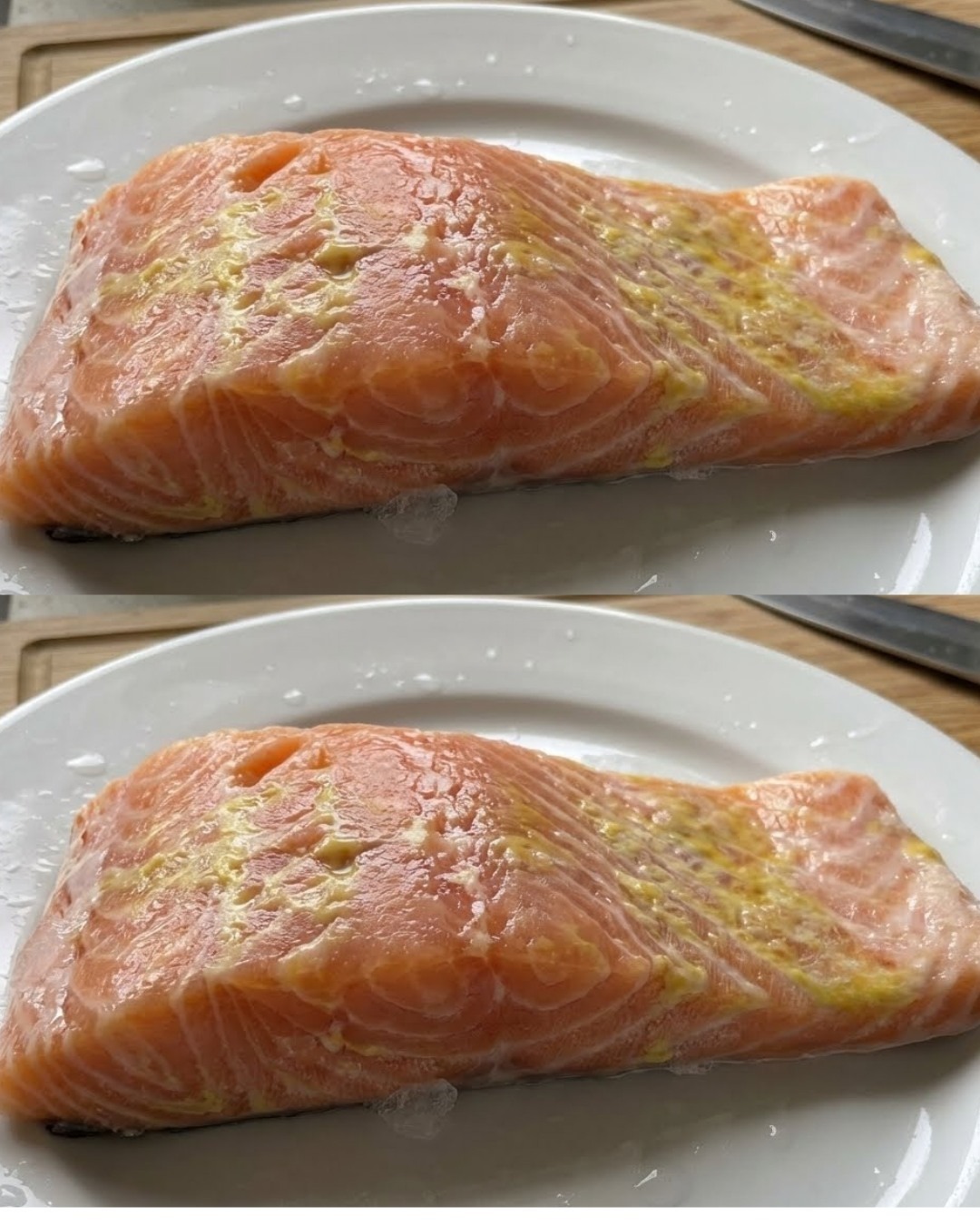
Defrosted salmon often raises questions, especially when you notice a yellow tint on the surface. While it may look concerning at first glance, defrosted salmon is usually still safe to eat when handled properly. Understanding what causes that color change and knowing how to prepare defrosted salmon correctly will help you avoid waste and enjoy a delicious, healthy meal with confidence.
Salmon is a nutrient-rich fish packed with omega-3 fatty acids, protein, and essential vitamins. However, because it contains natural oils, it can sometimes develop slight discoloration after freezing and thawing. That’s where knowledge becomes your best kitchen tool. Once you learn what to look for, you can easily determine whether your defrosted salmon is good to cook or needs to be discarded.
I remember the first time I thawed salmon and noticed a faint yellow sheen along the edges. I immediately assumed it had gone bad and nearly threw it away. Instead, I paused, checked the smell, and realized it still smelled clean and fresh. That small moment changed how I approached cooking fish. Now, I confidently inspect, prepare, and cook defrosted salmon without hesitation, saving money and reducing food waste while still enjoying incredible flavor.
Understanding Defrosted Salmon Quality
What Causes Yellow Discoloration
Defrosted salmon sometimes develops a yellow or amber tint due to oxidation. This happens when the healthy fats in the fish react with air during storage. While the color may look unusual, it does not automatically mean the fish is spoiled. In fact, oxidation mainly affects appearance and slightly alters flavor over time.
Additionally, this discoloration appears more often in fatty areas like the belly portion. If the salmon was stored for a long period or not tightly sealed, oxidation becomes more noticeable. However, this is a natural process, not a dangerous one.
Moreover, freezing conditions play a major role. Temperature fluctuations inside the freezer can accelerate fat breakdown. Therefore, consistent freezing helps maintain the salmon’s original color and quality.
Signs Your Salmon Is Still Safe
Before cooking defrosted salmon, you should always evaluate its freshness. Fortunately, a few simple checks can help you decide quickly.
First, smell the fish. Fresh salmon should have a mild, ocean-like scent. If it smells sour, overly fishy, or like ammonia, it is no longer safe to eat. Next, check the texture. The flesh should feel firm and slightly moist, not sticky or slimy.
Color also provides clues. While slight yellowing is acceptable, avoid salmon with green, black, or fuzzy patches. These indicate spoilage or mold growth.
By combining these checks, you can confidently determine whether your defrosted salmon is safe to cook.
Preparing Defrosted Salmon for Cooking
Proper Thawing Techniques
To get the best results, always thaw salmon correctly. The safest method involves placing the frozen salmon in the refrigerator overnight. This slow thaw preserves texture and reduces the risk of bacterial growth.
If you need a quicker option, you can submerge the sealed fish in cold water. Change the water every 30 minutes to maintain a safe temperature. Avoid using warm or hot water, as it can cause uneven thawing and compromise quality.
Microwaving is not recommended unless you plan to cook the salmon immediately afterward. Even then, it may partially cook the fish, which affects texture.
Trimming and Prepping the Fish
Once thawed, inspect the salmon closely. If you notice any grayish or heavily discolored areas, simply trim them away with a sharp knife. This step improves both flavor and appearance.
Next, pat the salmon dry using paper towels. Removing excess moisture helps achieve a better sear or bake. Afterward, season the fish lightly with salt, pepper, and your favorite herbs.
At this stage, your defrosted salmon is ready for cooking. Proper preparation ensures a clean taste and enhances the natural richness of the fish.
Ingredients
Equipment
Method
- Thaw salmon in the refrigerator overnight or in cold water.
- Pat salmon dry and trim any discolored areas.
- Preheat oven to 400°F.
- Place salmon on a baking sheet and drizzle with olive oil.
- Season with salt, pepper, garlic, and lemon.
- Bake for 12-15 minutes until cooked through.
Notes
Cooking Defrosted Salmon Perfectly
Best Cooking Methods
Defrosted salmon works beautifully with several cooking methods. Baking remains one of the easiest and most reliable options. It cooks the fish evenly while preserving moisture.
Pan-searing delivers a crisp outer layer and tender interior. Start with a hot skillet and cook the salmon skin-side down for the best results. Meanwhile, grilling adds a smoky flavor that pairs well with simple seasonings.
Each method highlights the fish differently, so you can choose based on your preference and available time.
Flavor Pairings That Work Every Time
Salmon pairs well with a variety of flavors. Lemon and garlic enhance its natural taste without overpowering it. Fresh herbs like dill, parsley, and thyme add brightness.
Additionally, a light glaze made with honey and mustard creates a balance of sweet and savory. Olive oil helps lock in moisture while adding richness.
For a simple yet delicious dish, combine lemon juice, garlic, and olive oil before baking. This combination complements the salmon perfectly and works well for beginners.
Storing and Reusing Defrosted Salmon
Safe Storage After Thawing
Once thawed, salmon should be stored in the refrigerator and used within one to two days. Keeping it tightly wrapped prevents exposure to air and reduces further oxidation.
Avoid refreezing raw salmon after it has been thawed unless it was thawed in the refrigerator and has not been left out. Even then, quality may decline slightly.
Cooked salmon, however, can be safely refrigerated for up to three days. Store it in an airtight container to maintain freshness.
Creative Ways to Use Leftovers
Cooked defrosted salmon offers plenty of versatility. You can flake it into salads, mix it into pasta, or use it in sandwiches. It also works well in rice bowls with vegetables and light sauces.
Another great option involves making salmon patties. Simply combine flaked salmon with breadcrumbs, egg, and seasonings, then pan-fry until golden.
Using leftovers creatively ensures nothing goes to waste while giving you quick meal options throughout the week.
Frequently Asked Questions
Is yellow salmon safe to eat?
Yes, slightly yellow salmon is usually safe if it smells fresh and has a firm texture.
How long can salmon stay in the freezer?
Salmon stays best for up to 2–3 months in the freezer for optimal quality.
Can I cook salmon directly after thawing?
Yes, you should cook it immediately after thawing for best results.
What does spoiled salmon smell like?
Spoiled salmon smells sour, fishy, or like ammonia.
Should I wash salmon before cooking?
No, rinsing is unnecessary and may spread bacteria. Pat it dry instead.
Conclusion
Defrosted salmon does not have to be intimidating. While a yellow tint may look unusual, it often results from harmless oxidation rather than spoilage. By checking smell, texture, and appearance, you can quickly determine whether your salmon is safe to eat.
Once you confirm its quality, proper preparation and cooking techniques will transform defrosted salmon into a flavorful and satisfying meal. Whether you bake, pan-sear, or grill it, the key lies in handling it carefully and cooking it with confidence.
With these tips, you can reduce food waste, save money, and enjoy delicious salmon every time.
More Home Remedies
- Wrinkled Fingers After Water Exposure: What Your Skin May Be Telling You
- Skin Rash With Breathing Trouble? It Could Be a Life-Threatening Allergic Reaction
- I Thought It Was a Piece of Trash on the Bathroom Floor—Until It Moved
- If You Are Getting White Pimples on Your Lips or Intimate Area, Here’s What They Could Mean