Sugar-Free Rice Pudding is a warm, creamy dessert that combines tender rice, smooth milk, fragrant cinnamon, and sweet vanilla flavor without adding traditional granulated sugar. This comforting recipe comes together in one saucepan and requires only a few simple ingredients.
Whether you enjoy it warm from the stove or chilled straight from the refrigerator, Sugar-Free Rice Pudding offers the familiar texture and flavor of classic homemade rice pudding. The rice becomes tender and creamy as it simmers, while cinnamon and vanilla add warmth and sweetness.
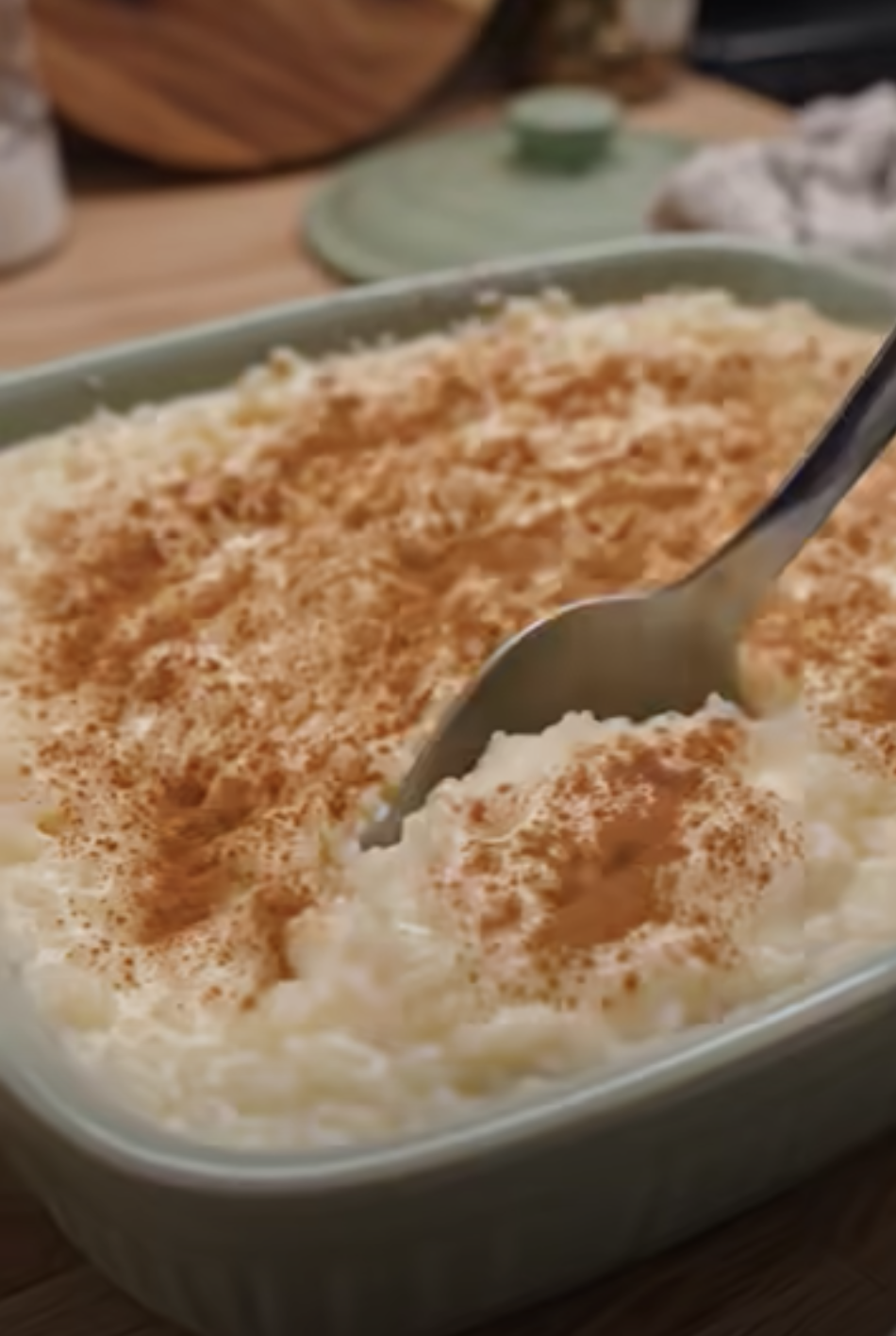
Sugar-Free Rice Pudding – Easy Creamy Stovetop Dessert
Equipment
- Medium heavy-bottomed saucepan
- wooden spoon or silicone spatula
- Measuring cups and spoons
- 6 serving bowls or dessert cups
- Airtight storage containers
Ingredients
- 1 cup cooked white rice, preferably short-grain
- 3 cups unsweetened milk or unsweetened almond milk
- 1/3 cup granulated sugar-free sweetener
- 2 tbsp powdered sugar-free sweetener
- 1 tsp vanilla extract
- 1 tsp ground cinnamon
- 1/4 tsp salt
- 1 tbsp unsalted butter
- 1/4 cup raisins, optional
- 1/2 tsp extra ground cinnamon, optional topping
- 6 tbsp sugar-free whipped topping, optional
- 2 tbsp toasted unsweetened coconut, optional
Instructions
- Combine the cooked white rice, milk, granulated sugar-free sweetener, powdered sugar-free sweetener, ground cinnamon, and salt in a medium heavy-bottomed saucepan.
- Stir thoroughly and place the saucepan over medium-low heat.
- Cook for 20 to 25 minutes, stirring frequently, until the mixture thickens and becomes creamy.
- Maintain a gentle simmer and avoid boiling vigorously to prevent the milk and rice from scorching.
- Remove the saucepan from the heat. Stir in the unsalted butter and vanilla extract until the butter melts completely.
- If using raisins, stir them into the pudding and return the saucepan to low heat for 1 to 2 minutes until the raisins soften.
- Let the pudding rest for approximately 5 minutes. If it becomes too thick, stir in a small splash of milk.
- Divide the pudding evenly among 6 serving bowls or dessert cups.
- Serve warm or refrigerate for approximately 2 hours until chilled and thicker. Garnish with optional cinnamon, sugar-free whipped topping, or toasted coconut.
Notes
Nutrition
Unlike baked rice pudding, this stovetop version doesn’t require an oven or a water bath. Instead, gentle heat and frequent stirring help create a thick, spoonable consistency.
You can also customize the recipe with unsweetened almond milk, optional raisins, toasted coconut, or a sprinkle of extra cinnamon.
I started making stovetop rice pudding when I wanted a simple dessert that didn’t require baking or complicated ingredients. I already had leftover rice in the refrigerator, so I tried simmering it with milk, cinnamon, and vanilla. The result surprised me because the rice became much creamier than I expected. Later, I experimented with sugar-free sweeteners and discovered that combining granulated and powdered varieties created a smooth sweetness without adding regular sugar. Now I like making a batch in the evening and saving a few portions for the following day. The chilled pudding becomes wonderfully thick, while a splash of milk easily restores its creamy texture.
Prep time: 5 minutes | Cook time: 25–27 minutes | Optional chill time: 2 hours | Servings: 6 | Difficulty: Easy
Choosing the Best Ingredients for Sugar-Free Rice Pudding
Why Cooked Short-Grain Rice Works Best
Rice provides the foundation of Sugar-Free Rice Pudding, so choosing the right variety makes a noticeable difference.
For this recipe, use 1 cup cooked white rice.
Short-grain rice works especially well because its starch helps create a naturally creamy texture as the pudding simmers.
However, you can also use cooked medium-grain or long-grain white rice.
Long-grain rice generally produces a slightly looser texture with more distinct grains, while short-grain rice creates a softer, creamier consistency.
Using cooked rice also makes this recipe convenient when you have leftovers from another meal.
Before adding leftover rice to the saucepan, make sure it has stayed properly refrigerated.
Break apart any large clumps with a spoon so the rice distributes evenly throughout the milk.
Because the rice is already cooked, you don’t need to boil it until tender. Instead, the gentle simmer allows the grains to absorb flavor and release starch into the milk.
Select the Milk and Sugar-Free Sweeteners
The milk determines much of the pudding’s richness.
Use 3 cups unsweetened milk or unsweetened almond milk.
Regular dairy milk creates a familiar, creamy flavor, while unsweetened almond milk offers a lighter dairy-free alternative.
For sweetness, combine ⅓ cup granulated sugar-free sweetener with 2 tablespoons powdered sugar-free sweetener.
Different sweeteners vary in strength, so choose products intended to replace sugar at approximately a one-to-one ratio.
The powdered sweetener blends easily into the liquid, while the granulated sweetener provides the main sweetness.
Add 1 teaspoon ground cinnamon and ¼ teaspoon salt.
Cinnamon gives Sugar-Free Rice Pudding its cozy flavor, while salt helps balance the sweetness.
Finally, keep 1 teaspoon vanilla extract and 1 tablespoon unsalted butter ready for the finishing step.
Cooking Sugar-Free Rice Pudding on the Stovetop
Combine the Rice, Milk, and Seasonings
Place a medium, heavy-bottomed saucepan over the stove.
Add 1 cup cooked white rice and 3 cups unsweetened milk or unsweetened almond milk.
Next, stir in the granulated sugar-free sweetener, powdered sugar-free sweetener, ground cinnamon, and salt.
Mix thoroughly to distribute the ingredients.
A heavy-bottomed saucepan works especially well because it spreads heat more evenly and reduces the risk of scorching.
Set the heat to medium-low.
As the milk warms, stir frequently with a wooden spoon or silicone spatula.
Make sure to scrape the bottom and corners of the saucepan because rice can settle and stick during cooking.
Avoid bringing the mixture to a vigorous boil.
Instead, aim for a gentle simmer with occasional small bubbles.
Simmer Until Thick and Creamy
Continue cooking Sugar-Free Rice Pudding for approximately 20 to 25 minutes.
Stir frequently throughout the process.
As the rice absorbs some of the milk and releases starch, the mixture gradually thickens.
At first, the pudding may look quite loose. However, its consistency will change noticeably during the final several minutes.
Watch for a creamy texture that coats the back of a spoon.
Remember that the pudding will continue thickening as it cools, so avoid reducing it until it becomes excessively stiff.
If the mixture thickens too quickly, lower the heat and add a small splash of milk.
On the other hand, if it remains thinner than you prefer after 25 minutes, continue cooking for a few more minutes while stirring.
The goal is a soft, creamy pudding with tender rice grains suspended throughout.
Finishing the Pudding With Vanilla and Butter
Add Butter and Vanilla After Cooking
Once the pudding reaches your preferred consistency, remove the saucepan from the heat.
Add 1 tablespoon unsalted butter.
Stir until the butter melts completely into the warm mixture.
The butter adds a smooth finish and a little extra richness.
Next, stir in 1 teaspoon vanilla extract.
Adding vanilla after cooking helps preserve its fragrant flavor.
Taste the pudding carefully once it cools enough to sample.
If necessary, adjust the sweetness with a little additional sugar-free sweetener.
Because sugar substitutes differ in flavor and sweetness, small adjustments can make Sugar-Free Rice Pudding taste more balanced.
Allow the pudding to rest for approximately 5 minutes.
During this time, it will continue thickening naturally.
Add Optional Raisins or Flavor Variations
For a traditional variation, stir in ¼ cup raisins.
Return the saucepan to low heat for approximately 1 to 2 minutes, just until the raisins soften.
Raisins add natural sweetness and a chewy contrast to the creamy rice.
However, raisins also contribute natural sugars and carbohydrates. Therefore, leave them out if you want to avoid that additional sweetness.
You can also customize Sugar-Free Rice Pudding with a pinch of ground nutmeg.
A little fresh lemon or orange zest adds a bright citrus note.
Alternatively, sprinkle toasted unsweetened coconut over the finished pudding for extra texture.
For a dairy-free version, use unsweetened almond milk and replace the butter with a dairy-free alternative.
These simple variations allow you to adjust the flavor while keeping the preparation method straightforward.
Serving, Chilling, and Storing Rice Pudding
Enjoy It Warm or Chilled
Sugar-Free Rice Pudding tastes delicious both warm and cold.
For a comforting dessert, spoon the freshly prepared pudding into six serving bowls.
Let it cool briefly before eating.
The warm pudding should feel creamy and soft, with a pleasant cinnamon aroma.
If you prefer a thicker dessert, divide the pudding into individual cups and refrigerate for approximately 2 hours.
Chilling firms the pudding and creates a denser, spoonable consistency.
Before serving, sprinkle a little extra cinnamon over each portion.
You can also add sugar-free whipped topping or toasted unsweetened coconut.
These optional garnishes make the dessert feel special without requiring complicated preparation.
Store Leftovers and Adjust the Texture
Allow leftover Sugar-Free Rice Pudding to cool briefly, then transfer it to airtight containers and refrigerate promptly.
Store the pudding for up to 4 days.
As it chills, the rice continues absorbing moisture. Consequently, the texture may become much thicker than it was immediately after cooking.
To restore a softer consistency, stir in a small splash of milk before serving.
If you prefer warm pudding, reheat it gently in a saucepan over low heat, stirring frequently.
Add more milk as needed to prevent sticking and maintain a creamy texture.
You can also reheat individual portions in the microwave, stirring between short heating intervals.
Avoid freezing Sugar-Free Rice Pudding because thawing may cause the creamy mixture to become grainy or watery.
For the best flavor and texture, enjoy the pudding freshly prepared or within a few days of refrigeration.
Ingredients
For the Sugar-Free Rice Pudding
- 1 cup cooked white rice, preferably short-grain
- 3 cups unsweetened milk or unsweetened almond milk
- ⅓ cup granulated sugar-free sweetener
- 2 tablespoons powdered sugar-free sweetener
- 1 teaspoon vanilla extract
- 1 teaspoon ground cinnamon
- ¼ teaspoon salt
- 1 tablespoon unsalted butter
- ¼ cup raisins, optional
Optional Toppings
- ½ teaspoon extra ground cinnamon
- 6 tablespoons sugar-free whipped topping
- 2 tablespoons toasted unsweetened coconut
Instructions
- Add the cooked rice, milk, granulated sugar-free sweetener, powdered sugar-free sweetener, cinnamon, and salt to a medium, heavy-bottomed saucepan.
- Stir thoroughly and place the saucepan over medium-low heat.
- Cook for 20 to 25 minutes, stirring frequently, until the rice softens further and the mixture becomes thick and creamy.
- Keep the pudding at a gentle simmer. Avoid boiling vigorously to prevent scorching.
- Remove the saucepan from the heat and stir in the unsalted butter and vanilla extract until fully combined.
- If using raisins, stir them into the pudding and return the saucepan to low heat for 1 to 2 minutes, just until softened.
- Allow Sugar-Free Rice Pudding to rest for approximately 5 minutes. Stir in a splash of milk if the mixture becomes too thick.
- Divide the pudding evenly among 6 serving bowls or dessert cups.
- Serve warm, or refrigerate for approximately 2 hours for a thicker chilled dessert. Garnish with optional cinnamon, sugar-free whipped topping, or toasted coconut.
Frequently Asked Questions
Is Sugar-Free Rice Pudding completely free of sugar?
No. This recipe contains no added traditional sugar when you use sugar-free sweeteners and omit the raisins. However, dairy milk naturally contains lactose, and rice provides carbohydrates. Raisins also add natural sugar if included. Therefore, the finished dessert isn’t necessarily free of all sugars or carbohydrates.
Can I use almond milk instead of regular milk?
Yes. Unsweetened almond milk works well and creates a dairy-free option when you also replace the butter with a dairy-free alternative. The texture may be slightly lighter than a version made with whole dairy milk.
Why is my rice pudding too thick?
Rice continues absorbing moisture as the pudding cools. Simply stir in a splash of milk until you reach your preferred consistency. Warm the pudding gently if necessary.
Can I make Sugar-Free Rice Pudding ahead of time?
Absolutely. Prepare the pudding, divide it into individual containers, and refrigerate for up to 4 days. It will become thicker as it chills, making it a convenient make-ahead dessert.
What type of rice makes the creamiest pudding?
Cooked short-grain white rice generally creates the creamiest texture because it releases starch readily. However, medium-grain and long-grain white rice also work if you prefer more distinct rice grains.
Conclusion
Sugar-Free Rice Pudding delivers the comforting flavor of traditional homemade rice pudding with the convenience of a simple stovetop recipe.
Tender cooked rice, creamy milk, cinnamon, and vanilla combine to create a warm, satisfying dessert. Meanwhile, sugar-free sweeteners provide sweetness without adding regular granulated sugar.
For the best results, use short-grain rice, maintain gentle heat, and stir frequently to prevent scorching.
Finish Sugar-Free Rice Pudding with butter and vanilla, then enjoy it warm or refrigerate it for a thicker chilled dessert.
Whether you serve it plain, sprinkle it with cinnamon, or add a little toasted coconut, this easy pudding makes a comforting treat for family dinners, meal prep, and simple make-ahead desserts.