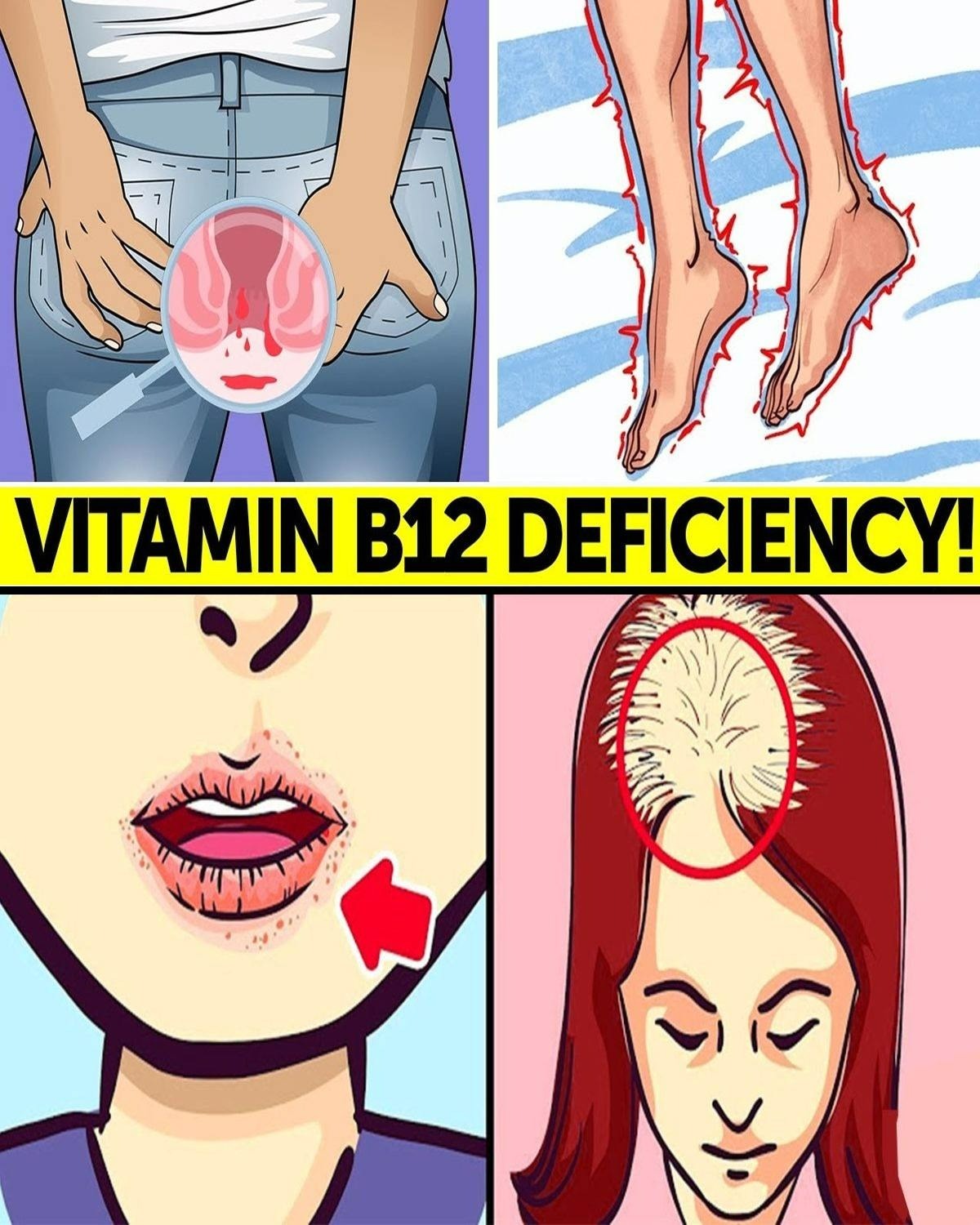
Vitamin B12 is one of the most important nutrients your body needs to stay energized, focused, and healthy. Yet millions of people may have low levels without realizing it. Because symptoms often develop slowly, many people mistake the warning signs for stress, aging, poor sleep, or everyday exhaustion.
Vitamin B12 plays a critical role in:
- nerve function
- red blood cell production
- brain health
- DNA synthesis
- energy metabolism
When your body does not get enough B12—or cannot absorb it properly—the effects can show up in surprising ways.
The good news is that vitamin B12 deficiency is often treatable once identified. Understanding the symptoms early may help prevent long-term complications, especially nerve-related damage that can become harder to reverse over time.
Let’s explore the most common signs, who is most at risk, and what you can do if you suspect your body may need more vitamin B12.
Why Vitamin B12 Matters So Much
Vitamin B12, also called cobalamin, is an essential water-soluble vitamin. Unlike some nutrients, your body cannot produce B12 on its own, so it must come from food or supplements.
How Vitamin B12 Supports Your Body
B12 helps your body:
- produce healthy red blood cells
- maintain nerve insulation
- support brain communication
- convert food into usable energy
- support healthy mood regulation
Without enough B12, multiple systems in the body can begin to struggle.
Why Deficiency Can Be Hard To Notice
Vitamin B12 deficiency often develops gradually over months or years.
Because symptoms appear slowly, many people normalize them or blame them on busy schedules, stress, or getting older.
That delay can sometimes allow the deficiency to worsen unnoticed.
Fatigue And Low Energy
One of the most common symptoms of low vitamin B12 is persistent fatigue.
Why Low B12 Causes Tiredness
Vitamin B12 helps produce red blood cells, which carry oxygen throughout the body.
When levels become too low, your body may struggle to deliver enough oxygen to tissues and muscles efficiently. This can leave you feeling:
- weak
- sluggish
- exhausted
- short of breath
Even simple daily tasks may suddenly feel draining.
When Fatigue Becomes Concerning
Occasional tiredness is normal. However, ongoing fatigue that:
- does not improve with rest
- interferes with daily life
- appears alongside other symptoms
may deserve medical evaluation.
Tingling, Numbness, And Nerve Symptoms
Vitamin B12 is essential for nerve health.
Low levels may affect the protective covering around nerves called myelin.
Common Nerve-Related Symptoms
People with deficiency may notice:
- tingling hands
- numb feet
- pins-and-needles sensations
- burning sensations
- balance problems
Some people describe it as feeling like their limbs are “falling asleep” frequently.
Why Early Treatment Matters
Nerve damage caused by severe B12 deficiency can sometimes become permanent if untreated for too long.
That is why persistent neurological symptoms should never be ignored.
Brain Fog And Memory Problems
Many people with low vitamin B12 report cognitive symptoms.
Common Mental Symptoms
These may include:
- forgetfulness
- poor concentration
- mental fatigue
- difficulty focusing
- confusion
- slowed thinking
Some people describe it as feeling mentally “foggy” all the time.
The Brain Needs B12
Your nervous system relies heavily on vitamin B12 to function properly.
Low levels may interfere with communication between brain cells and nerves.
Although brain fog can have many causes, persistent symptoms deserve attention—especially when paired with fatigue or numbness.
Mood Changes And Emotional Symptoms
Vitamin B12 may also influence emotional health.
Possible Emotional Effects
Some people with low B12 experience:
- irritability
- mood swings
- anxiety
- low mood
- emotional sensitivity
In severe cases, deficiency may contribute to depression-like symptoms.
Why B12 Affects Mood
Vitamin B12 helps support healthy neurotransmitter activity in the brain.
When levels drop, emotional regulation may become more difficult.
However, mood symptoms are complex and can result from many different factors, so proper medical evaluation remains important.
Dizziness And Lightheadedness
Feeling dizzy or lightheaded may sometimes relate to vitamin B12 deficiency.
The Link To Anemia
Low B12 can contribute to a type of anemia called megaloblastic anemia.
This condition reduces the body’s ability to transport oxygen effectively.
As a result, some people experience:
- dizziness
- faintness
- weakness
- rapid heartbeat
- shortness of breath
Symptoms may become more noticeable during physical activity.
Pale Skin And Rapid Heartbeat
Anemia caused by low vitamin B12 may also affect appearance and circulation.
Common Physical Signs
Some people notice:
- pale skin
- unusual paleness inside the eyelids
- rapid pulse
- heart palpitations
- feeling winded easily
The heart may work harder to compensate for reduced oxygen delivery.
When To Seek Medical Care
Rapid heartbeat, chest discomfort, or severe weakness should always be evaluated promptly by a healthcare professional.
A Smooth Or Painful Tongue
One lesser-known sign of vitamin B12 deficiency involves the mouth.
Changes In The Tongue
Some people develop:
- a swollen tongue
- soreness
- redness
- a smooth or glossy appearance
This condition is sometimes called glossitis.
Mouth Symptoms May Appear Early
In some cases, oral symptoms may appear before more obvious neurological or fatigue-related symptoms.
Vision Changes
Although less common, severe vitamin B12 deficiency may affect the optic nerve.
Possible Eye Symptoms
Some people report:
- blurred vision
- double vision
- visual disturbances
- sensitivity to light
This occurs because B12 supports healthy nerve tissue throughout the body, including the eyes.
Hair, Skin, And Nail Changes
Vitamin deficiencies sometimes affect outward appearance.
Possible Physical Clues
Some people with low B12 notice:
- brittle nails
- hair thinning
- dry skin
- pale complexion
However, these symptoms are nonspecific and can result from many nutritional or medical conditions.
Who Is Most At Risk For Vitamin B12 Deficiency?
Certain groups face a higher risk of developing low B12 levels.
Older Adults
As people age, stomach acid production may decrease.
Since stomach acid helps release B12 from food, absorption may become more difficult over time.
Vegans And Strict Vegetarians
Vitamin B12 occurs naturally mainly in animal-based foods.
People avoiding:
- meat
- fish
- eggs
- dairy
may struggle to get enough B12 without fortified foods or supplements.
People With Digestive Disorders
Conditions affecting absorption increase risk, including:
- Crohn’s disease
- celiac disease
- gastritis
- pernicious anemia
People Taking Certain Medications
Some medications may interfere with B12 absorption, including:
- metformin
- proton pump inhibitors
- acid reducers
- certain antacids
Long-term use may gradually lower levels.
Best Food Sources Of Vitamin B12
Vitamin B12 is naturally found in animal-based foods.
Rich Sources Include:
- beef
- liver
- salmon
- tuna
- eggs
- milk
- yogurt
- cheese
- chicken
Fortified Foods
Some foods are fortified with B12, including:
- breakfast cereals
- plant-based milks
- nutritional yeast
These can help support intake for vegetarians and vegans.
Can You Take Too Much Vitamin B12?
Vitamin B12 is generally considered safe because excess amounts are usually excreted in urine.
However, supplementation should still be discussed with a healthcare provider—especially if symptoms are severe or unexplained.
Supplements Are Not Always The Full Answer
Some people have absorption problems that oral supplements alone may not correct.
In certain cases, injections may be recommended.
Why Self-Diagnosis Can Be Misleading
One of the biggest mistakes people make is assuming symptoms automatically mean low B12.
Many Conditions Share Similar Symptoms
These signs can also occur with:
- iron deficiency
- thyroid disorders
- chronic stress
- sleep disorders
- anxiety
- depression
- diabetes
- neurological conditions
That is why proper testing matters.
How Doctors Diagnose Vitamin B12 Deficiency
Healthcare providers typically use blood tests to evaluate B12 levels.
Common Tests Include:
- serum B12
- complete blood count
- methylmalonic acid
- homocysteine testing
Your doctor may also evaluate underlying causes affecting absorption.
How Vitamin B12 Deficiency Is Treated
Treatment depends on the severity and cause.
Common Treatment Approaches
These may include:
- oral supplements
- dietary changes
- B12 injections
- treating digestive conditions
- monitoring medications
Many people improve significantly once levels normalize.
Lifestyle Habits That Support Healthy B12 Levels
Although medical care is important, daily habits also matter.
Helpful Habits Include:
- eating balanced meals
- monitoring restrictive diets carefully
- staying hydrated
- managing digestive health
- getting regular medical checkups
People at higher risk may benefit from routine testing.
When You Should See A Doctor
You should speak with a healthcare professional if you experience:
- ongoing fatigue
- numbness or tingling
- memory problems
- unexplained dizziness
- balance issues
- persistent weakness
- shortness of breath
Early diagnosis may help prevent complications.
Final Thoughts
Vitamin B12 plays a powerful role in your body’s energy, nerves, brain, and blood health.
Because deficiency symptoms often develop slowly, they can easily go unnoticed or be mistaken for everyday stress and exhaustion.
Persistent fatigue, brain fog, numbness, dizziness, or mood changes are not symptoms you should simply ignore.
The encouraging news is that vitamin B12 deficiency is often manageable once properly identified.
Sometimes the smallest signals from your body are asking for attention—not fear, but awareness.
Listening early may make all the difference.