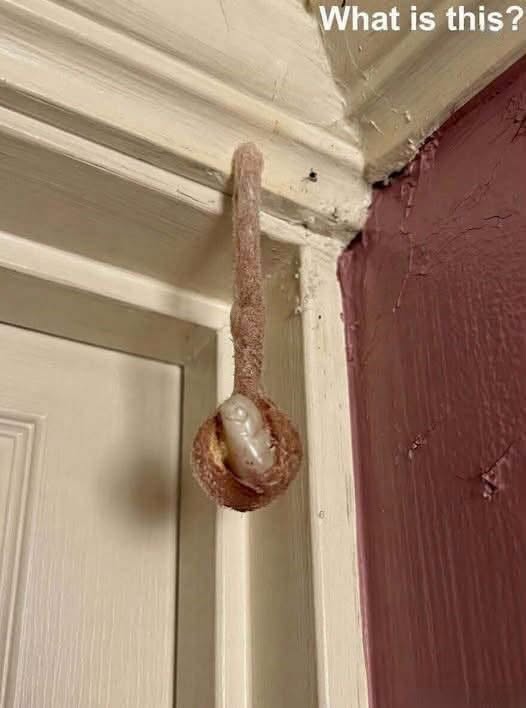
Finding an unusual mud structure attached to the wall or ceiling of your hotel room can be surprising. At first glance, many travelers assume they’ve discovered an active wasp infestation or another serious pest problem. Fortunately, that’s often not the case.
In many instances, the small tubes or clumps of dried mud belong to a mud dauber—a solitary wasp known more for its impressive construction skills than aggressive behavior. While no one expects to encounter wildlife inside a hotel, understanding what you’re looking at can help you respond appropriately instead of reacting out of fear.
Here’s what you should know if you discover a mud dauber nest during your travels.
What Is a Mud Dauber?
Mud daubers are solitary wasps that build nests using small pellets of mud gathered from damp soil.
Unlike yellowjackets or paper wasps, they do not live in large colonies. Each female builds and maintains her own nest without the help of thousands of worker insects.
Their nests can vary in appearance depending on the species.
Some resemble clusters of narrow tubes lined side by side, while others look like small rounded pots or irregular clumps attached to walls, ceilings, beams, garages, sheds, or other sheltered surfaces.
Because the nests are made from dried mud, they often blend into concrete, stucco, or painted walls.
Why Would One Be Inside a Hotel?
Although hotels work hard to keep insects out, mud daubers occasionally find their way into buildings.
Possible reasons include:
- Open doors during maintenance
- Outdoor hallways
- Balconies
- Covered walkways
- Windows left open
- Small gaps around vents or roofing
A mud dauber may complete its nest long before anyone notices it.
In some cases, the nest is no longer active and simply remained attached to the wall unnoticed.
Should You Be Concerned?
For most travelers, discovering a mud dauber nest is more surprising than dangerous.
Mud daubers are generally considered one of the least aggressive types of wasps.
Unlike social wasps that defend large colonies, mud daubers rarely sting unless directly handled or trapped.
Their primary focus is building nests and collecting prey rather than interacting with people.
Still, it’s best not to touch the nest or attempt to remove it yourself while staying in a hotel.
What Should You Do If You Find One?
If you notice what appears to be a mud dauber nest, follow these simple steps.
Stay Calm
Take a moment before assuming the worst.
Most mud daubers avoid people and have little interest in defending their nests.
Keep Your Distance
Observe the nest from several feet away.
If you notice wasps actively entering and leaving, simply avoid disturbing the area until hotel staff arrive.
Notify Hotel Management
Inform the front desk about what you’ve found.
Hotels typically have maintenance personnel or pest control professionals who can safely inspect and remove the nest if necessary.
Avoid trying to scrape it off yourself.
Check the Rest of the Room
Take a quick look around windows, curtains, air vents, and corners of the ceiling.
Finding one nest doesn’t necessarily indicate a widespread issue, but reporting any additional concerns helps staff address them promptly.
How Mud Daubers Build Their Remarkable Homes
One reason many nature enthusiasts admire mud daubers is their incredible building ability.
The female gathers tiny amounts of wet mud and shapes it into individual chambers.
After completing each chamber, she hunts spiders, which she places inside the nest as food for her developing larvae.
She then lays an egg before sealing the chamber with another layer of mud.
This process continues until the entire nest is complete.
Weeks later, the young wasps emerge through small holes after completing their development.
The abandoned mud nest often remains attached to the surface long afterward.
Nature’s Spider Hunters
Mud daubers provide an unexpected environmental benefit.
Unlike many insects that damage plants or invade kitchens, mud daubers primarily hunt spiders.
Researchers have found that some species even capture black widow spiders among their prey.
By reducing spider populations around homes, barns, garages, and other buildings, mud daubers contribute to natural pest control.
Although most homeowners don’t intentionally attract them, they often play a helpful role in local ecosystems.
Can They Damage Buildings?
Fortunately, mud dauber nests rarely cause structural damage.
Because they’re made from mud rather than wood, they don’t chew through walls or create tunnels like termites or carpenter ants.
The main concern is cosmetic.
A dried mud nest attached to painted walls or ceilings may leave a stain or require cleaning after removal.
Professional removal minimizes the chance of damaging painted surfaces.
Preventing Future Nests
Property owners can reduce the likelihood of mud daubers nesting indoors by taking a few preventive measures.
These include:
- Repairing damaged window screens
- Sealing gaps around doors and vents
- Keeping doors closed when practical
- Inspecting sheltered outdoor areas regularly
- Removing old nests after confirming they are inactive
Hotels often include these inspections as part of routine building maintenance.
Appreciating Wildlife While Traveling
Travel often brings unexpected encounters with nature.
While most travelers expect beautiful landscapes or interesting wildlife outdoors, small discoveries inside buildings can also become memorable experiences.
Instead of immediately viewing every insect as dangerous, learning about local species can make travel more interesting and less stressful.
Understanding the difference between aggressive pests and relatively harmless insects allows people to respond appropriately without unnecessary worry.
Frequently Asked Questions
Are mud daubers aggressive?
No. Mud daubers are generally considered non-aggressive and rarely sting unless directly handled or threatened.
Can I remove the nest myself?
It’s better to notify hotel staff. They can determine whether the nest is active and arrange safe removal if needed.
Do mud daubers damage buildings?
They typically do not cause structural damage. Their mud nests are mostly a cosmetic issue.
Why do mud daubers collect spiders?
Female mud daubers place paralyzed spiders inside their nests as food for developing larvae.
Is finding one nest a sign of an infestation?
Not necessarily. Because mud daubers are solitary insects, finding a single nest usually does not indicate a large colony.
Final Thoughts
Discovering a mud dauber nest in a hotel room may catch you off guard, but it rarely signals a serious problem. These remarkable insects are skilled builders that spend their lives constructing mud nests and hunting spiders rather than bothering people.
If you encounter one during your travels, stay calm, avoid disturbing the nest, and notify hotel staff so they can handle the situation safely. What first appears to be an unwelcome surprise may actually offer a fascinating glimpse into one of nature’s most talented architects—and a reminder that even the most carefully maintained buildings sometimes intersect with the natural world.