Low-Carb 3-Ingredient Pork Belly Burnt Ends deliver everything you love about barbecue: tender, juicy pork, beautifully browned edges, and a rich, sticky glaze. Best of all, you only need three simple ingredients and your oven to make them.
These flavorful pork belly bites offer a convenient alternative to traditional smoked burnt ends. Instead of spending hours tending a smoker, you can roast the pork slowly in your oven and finish it with a glossy sugar-free barbecue sauce.
The result? Rich, satisfying bites with a tender center, lightly crisp edges, and plenty of smoky barbecue flavor from your favorite dry rub.
Whether you’re following a low-carb eating plan, preparing game-day appetizers, or looking for a crowd-pleasing dinner, this recipe makes a delicious choice.
Prep: 15 minutes
Cook: 2 hr 20 min–3 hr
Total: 2 hr 40 min–3 hr 20 min
6 servings
Easy
I first became interested in oven-roasted pork belly burnt ends when I wanted the flavor of barbecue without setting up a smoker. I had a package of pork belly, a jar of dry rub, and some sugar-free barbecue sauce in the pantry. Instead of making a complicated marinade, I decided to keep everything simple. After a long, slow roast, the pork developed golden edges and a wonderfully tender center. A final coating of barbecue sauce created the sticky finish I wanted. Since then, this easy method has become one of my favorite ways to prepare pork belly for casual gatherings and weekend dinners.
The beauty of Low-Carb 3-Ingredient Pork Belly Burnt Ends lies in their simplicity. With the right temperature, a little patience, and a flavorful glaze, you can create an impressive barbecue-inspired dish in your own kitchen.
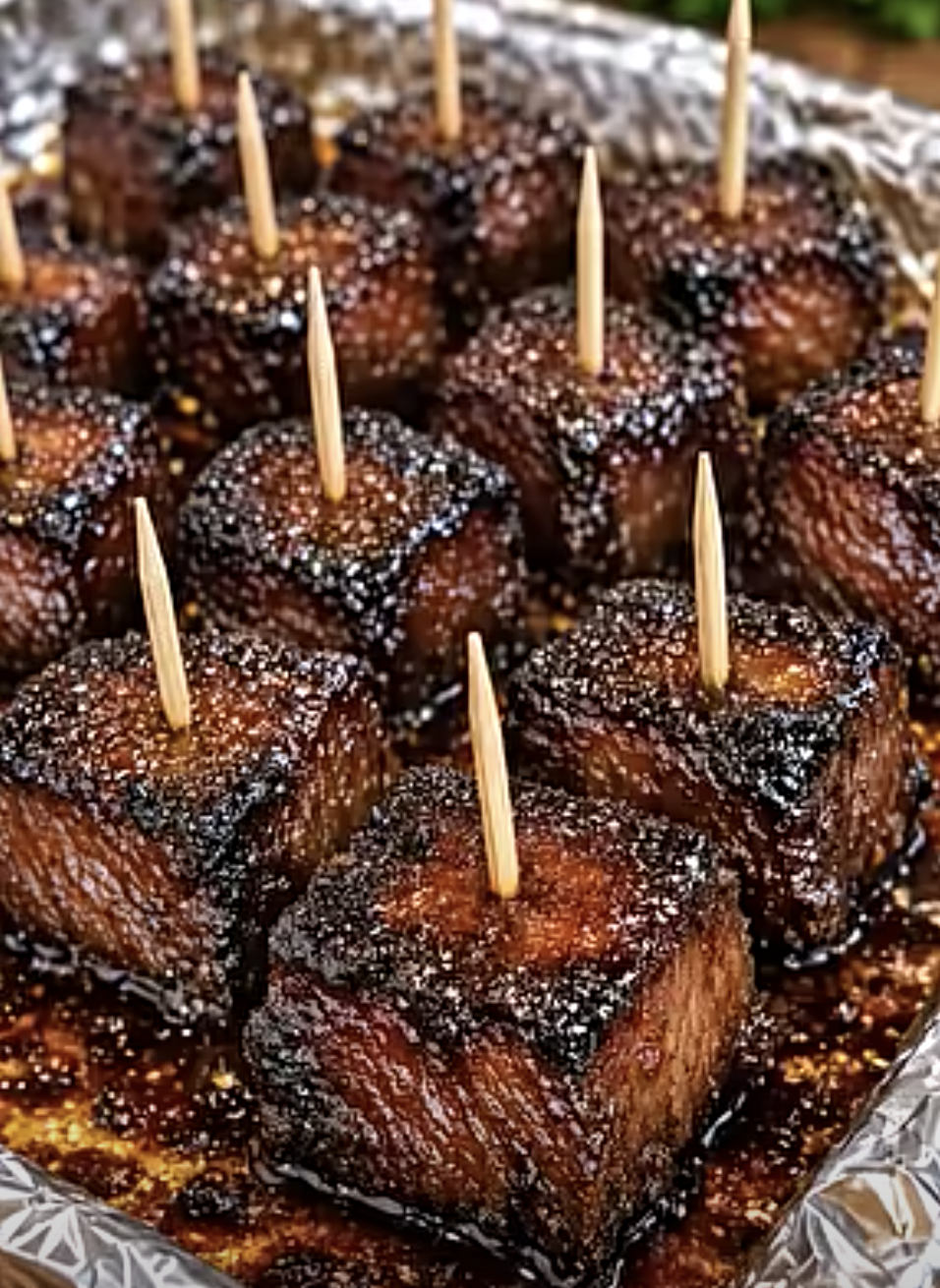
Low-Carb 3-Ingredient Pork Belly Burnt Ends – Sticky, Tender, and Delicious
Ingredients
Equipment
Method
- Preheat oven to 300°F (150°C). Line a large rimmed baking sheet with aluminum foil.
- Cut skinless pork belly into approximately 1 1/2-inch cubes, keeping pieces similar in size.
- Place pork belly cubes in a large mixing bowl. Add sugar-free barbecue dry rub and toss until evenly coated.
- Arrange seasoned pork belly cubes in a single layer on the foil-lined baking sheet, leaving space between pieces.
- Roast at 300°F for 2 to 2 1/2 hours, turning once if desired, until the pork belly has browned edges, rendered fat, and a fork-tender texture.
- Carefully transfer pork belly to a clean foil-lined baking sheet or remove excess rendered fat from the original pan.
- Brush or gently toss the roasted pork belly cubes with 1/2 cup sugar-free barbecue sauce until evenly coated.
- Return pork belly to the 300°F oven for 20 to 30 minutes, checking occasionally, until the barbecue glaze becomes glossy and sticky.
- Remove pork belly from oven and rest for 5 minutes.
- Transfer glazed pork belly burnt ends to a serving platter and serve warm as an appetizer or main dish.
Notes
Why You’ll Love These Low-Carb 3-Ingredient Pork Belly Burnt Ends
Big Barbecue Flavor With Only Three Ingredients
One of the biggest advantages of Low-Carb 3-Ingredient Pork Belly Burnt Ends is the short ingredient list.
You only need pork belly, barbecue dry rub, and sugar-free barbecue sauce.
Each ingredient plays an important role.
Pork belly provides the rich flavor and tender texture. Its layers of meat and fat become especially delicious during slow roasting.
Meanwhile, the barbecue dry rub adds savory seasoning, smoky notes, and a flavorful crust.
Finally, sugar-free barbecue sauce creates the glossy coating that makes burnt ends so appealing.
Because the recipe uses a prepared dry rub and barbecue sauce, you don’t need to measure a long list of spices.
However, check the labels carefully if you’re following a strict low-carb diet. Some barbecue rubs contain sugar, starch, or other carbohydrate-rich ingredients.
Choose a sugar-free or very low-carb dry rub to keep the recipe consistent with your eating preferences.
The same advice applies to barbecue sauce.
Sugar-free varieties differ in sweetness, carbohydrate content, and thickness. Therefore, choose one that tastes good to you and develops a pleasant glaze when heated.
Another benefit involves the oven method.
You can enjoy barbecue-inspired pork belly without buying a smoker or managing charcoal.
Although the roasting process takes time, the hands-on work remains minimal.
Perfect for Appetizers, Parties, and Family Dinners
Low-Carb 3-Ingredient Pork Belly Burnt Ends work well for several occasions.
For game day, arrange the finished bites on a serving platter and provide toothpicks.
Their small size makes them easy to share, while the sticky barbecue coating gives them an appealing finish.
You can also serve them as a main dish.
Pair the pork belly with roasted broccoli, sautéed green beans, cauliflower mash, or a crisp cabbage slaw.
These sides balance the richness of the pork and create a satisfying low-carb meal.
Additionally, the recipe makes approximately six servings, depending on portion size.
Because pork belly contains a significant amount of fat, smaller portions often feel satisfying.
For gatherings, you can prepare the pork belly cubes and season them ahead of time.
Then roast them when you’re ready.
The final glazing step takes only about 20–30 minutes, making it easy to finish the dish shortly before serving.
Another advantage involves presentation.
The golden-brown edges, glossy sauce, and bite-sized pieces make the finished dish look inviting without complicated garnishes.
Simply transfer the pork to a platter and serve it warm.
Whether you’re cooking for family or entertaining friends, these pork belly burnt ends bring plenty of flavor to the table.
Choosing the Best Ingredients for Pork Belly Burnt Ends
How to Select and Prepare Pork Belly
The quality of your pork belly makes a noticeable difference in Low-Carb 3-Ingredient Pork Belly Burnt Ends.
Look for a fresh, meaty slab with visible layers of pork and fat.
A balanced ratio creates bites that remain juicy without becoming overwhelmingly fatty.
Choose skinless pork belly whenever possible.
The skin can become tough during this style of roasting, so removing it helps produce a more enjoyable texture.
If your pork belly includes skin, remove it carefully before cutting the meat into cubes.
Next, cut the pork belly into approximately 1½-inch pieces.
Try to keep the cubes similar in size.
Uniform pieces roast more evenly and finish cooking at approximately the same time.
If you cut the cubes too small, they may lose too much moisture during the long roasting process.
On the other hand, very large pieces may need additional cooking time.
The 1½-inch size offers a good balance between tender centers and browned surfaces.
For easier cutting, chill the pork belly thoroughly before slicing.
Cold pork belly feels firmer and allows your knife to move through the layers more cleanly.
Use a sharp knife and a stable cutting board.
After cutting, pat the cubes dry with paper towels.
Removing excess surface moisture helps the dry rub adhere and encourages browning.
Then transfer the cubes to a large mixing bowl for seasoning.
Choosing a Low-Carb Dry Rub and Barbecue Sauce
The remaining two ingredients provide most of the seasoning in Low-Carb 3-Ingredient Pork Belly Burnt Ends.
Start with two tablespoons of barbecue dry rub.
Look for a blend that includes flavors such as smoked paprika, garlic, onion, black pepper, and salt.
A smoky rub helps create the barbecue flavor that people often associate with traditional burnt ends.
However, not every commercial dry rub qualifies as low-carb.
Some brands add brown sugar, cane sugar, or other sweeteners.
Therefore, check the nutrition label and ingredient list before choosing your seasoning.
For the glaze, use half a cup of sugar-free barbecue sauce.
A thick sauce works particularly well because it clings to the pork belly during the final roasting stage.
Choose a flavor profile you enjoy.
Smoky barbecue sauce creates a classic finish, while a tangier variety helps balance the richness of the pork.
You can also choose a spicy sugar-free sauce if you prefer a little heat.
Keep in mind that sugar-free sauces may contain different sweeteners.
Some brown more quickly than others, so watch the pork carefully during the final glazing stage.
If the sauce begins darkening too fast, reduce the oven temperature slightly or shorten the final roasting time.
The goal is a glossy, sticky coating rather than a burned surface.
With the right dry rub and sauce, three ingredients deliver surprisingly complex flavor.
How to Make Low-Carb Pork Belly Burnt Ends in the Oven
Slow-Roasting for Tender Meat and Browned Edges
The secret to delicious Low-Carb 3-Ingredient Pork Belly Burnt Ends involves slow roasting.
Start by preheating your oven to 300°F.
This moderate temperature gives the pork belly fat time to render while the meat gradually becomes tender.
Next, line a large rimmed baking sheet with aluminum foil.
The foil makes cleanup easier because pork belly releases a considerable amount of fat during cooking.
For more even browning, you can place an oven-safe wire rack over the lined baking sheet. However, the recipe also works when you roast the cubes directly on the foil.
Place the pork belly cubes in a large bowl.
Sprinkle the barbecue dry rub over the meat and toss until every piece has an even coating.
Then arrange the cubes in a single layer on the baking sheet.
Leave a little space between them.
Crowding the pan traps moisture and can prevent the edges from browning properly.
Roast the pork for approximately two to two and a half hours.
During this time, the fat gradually renders and the meat becomes tender.
Check the pork occasionally as it cooks.
You can turn the pieces once halfway through roasting to encourage more even browning.
The finished cubes should have browned edges and feel tender when pierced with a fork.
Because pork belly varies in thickness and fat content, cooking time may differ slightly.
Focus on tenderness rather than relying only on the clock.
Creating the Perfect Sticky Barbecue Glaze
Once the pork belly becomes tender, it’s time to finish your Low-Carb 3-Ingredient Pork Belly Burnt Ends.
Carefully remove the baking sheet from the oven.
At this stage, the pan may contain a considerable amount of rendered fat.
Transfer the pork cubes to a clean, foil-lined baking sheet or carefully pour off the excess fat into a heat-safe container.
Avoid pouring hot grease down the sink.
Next, brush or gently toss the pork belly cubes with half a cup of sugar-free barbecue sauce.
Make sure each piece receives an even coating.
The sauce should cling to the browned surfaces without completely drowning the meat.
Return the pork belly to the oven at 300°F.
Continue roasting for approximately 20–30 minutes.
During this final stage, the sauce thickens and develops a glossy finish.
Check the pork after about 15 minutes, especially if your barbecue sauce contains sweeteners that brown quickly.
You can gently turn the cubes to coat them evenly.
Once the glaze looks sticky and clings to the meat, remove the baking sheet from the oven.
Allow the pork belly to rest for five minutes.
This brief resting period lets the glaze settle and makes the bites easier to handle.
Finally, transfer the pork belly burnt ends to a serving platter.
Serve them warm for the best texture and flavor.
Expert Tips, Variations, and Storage
Simple Tips for Better Pork Belly Burnt Ends
Several small details can improve your Low-Carb 3-Ingredient Pork Belly Burnt Ends.
First, choose pork belly with a good balance of meat and fat.
Pieces with very little meat may shrink considerably and become overly rich.
Second, cut the pork into evenly sized cubes.
This step helps every piece cook consistently.
Third, don’t rush the roasting process.
The long cooking time allows connective tissue to soften and fat to render.
If you increase the oven temperature too much, the outside may brown before the center becomes tender.
Fourth, leave space between the cubes.
Air circulation helps develop the browned edges that make burnt ends so appealing.
Fifth, remove excess rendered fat before glazing.
Otherwise, the barbecue sauce may mix with the grease instead of coating the meat properly.
Sixth, watch the glaze carefully.
Sugar-free barbecue sauces behave differently depending on their sweeteners and ingredients.
Some become sticky quickly, while others need more time.
Finally, let the pork rest briefly before serving.
This allows the sauce to settle and reduces the chance of burning your mouth on the hot glaze.
For a slightly crispier finish, you can increase the oven temperature to 325°F during the last few minutes.
However, monitor the pork closely to prevent the sauce from scorching.
These techniques help create tender centers, browned edges, and a satisfying barbecue coating.
Delicious Variations and How to Store Leftovers
Although Low-Carb 3-Ingredient Pork Belly Burnt Ends taste delicious with the original ingredients, you can easily adjust their flavor.
For a spicy version, choose a sugar-free barbecue sauce with chipotle or hot pepper.
Alternatively, use a dry rub with cayenne or crushed red pepper.
For a sweeter barbecue flavor, select a sugar-free sauce with a mild, smoky profile.
You can also experiment with different seasoning blends.
A garlic-forward rub creates a savory result, while a smoked paprika blend delivers deeper barbecue notes.
If you prefer a more peppery flavor, choose a Texas-style dry rub without added sugar.
For storage, allow the cooked pork belly to cool briefly.
Then transfer the leftovers to shallow airtight containers and refrigerate within two hours.
Store at 40°F or below for up to three to four days.
To reheat, arrange the pork belly pieces on a baking sheet and warm them in a 325°F oven until they reach 165°F.
You can also use an air fryer at approximately 325°F for a few minutes, checking frequently.
The air fryer can help restore some of the browned exterior.
For longer storage, freeze the cooled pork belly in freezer-safe containers for up to two to three months for the best quality.
Thaw overnight in the refrigerator before reheating.
Avoid overheating because prolonged reheating may dry out the meat or burn the glaze.
With proper storage and gentle reheating, leftovers make another satisfying meal.
Ingredients
Yield: 6 servings | Prep time: 15 minutes | Cook time: 2 hours 20 minutes to 3 hours
- 2 pounds skinless pork belly, cut into 1½-inch cubes
- 2 tablespoons sugar-free barbecue dry rub
- ½ cup sugar-free barbecue sauce
Important: Choose a dry rub without added sugar and check the barbecue sauce’s nutrition label to keep the finished dish low in carbohydrates.
Instructions
1. Preheat the oven. Set your oven to 300°F (150°C). Line a large rimmed baking sheet with aluminum foil.
2. Cut the pork belly. Slice the skinless pork belly into approximately 1½-inch cubes, keeping the pieces similar in size.
3. Season the meat. Place the pork belly cubes in a large bowl. Add the barbecue dry rub and toss until every piece has an even coating.
4. Arrange the cubes. Spread the seasoned pork belly in a single layer on the prepared baking sheet, leaving space between the pieces.
5. Slow-roast the pork. Roast for 2–2½ hours, turning once if desired, until the edges brown, the fat renders, and the meat becomes fork-tender.
6. Remove excess grease. Carefully transfer the pork belly to a clean, foil-lined baking sheet or remove the rendered fat from the original pan.
7. Add the barbecue sauce. Brush or gently toss the roasted pork belly cubes with ½ cup sugar-free barbecue sauce until evenly coated.
8. Bake until sticky. Return the pork to the 300°F oven for another 20–30 minutes, checking occasionally, until the glaze becomes glossy and clings to the meat.
9. Rest briefly. Remove the pork belly from the oven and let it rest for five minutes.
10. Serve warm. Transfer the sticky pork belly burnt ends to a serving platter and enjoy as an appetizer or main dish.
Frequently Asked Questions
1. Are Low-Carb 3-Ingredient Pork Belly Burnt Ends keto-friendly?
They can fit into a ketogenic eating plan when you use a sugar-free dry rub and a barbecue sauce with very few net carbohydrates. However, carbohydrate counts vary by brand, so check the nutrition labels and your portion size.
2. Can I make pork belly burnt ends without a smoker?
Absolutely. This recipe uses an ordinary oven at 300°F to slowly roast the pork belly. A smoky dry rub adds barbecue flavor, while the final sauce coating creates the classic sticky finish.
3. How do I know when pork belly burnt ends are done?
The pork belly should have browned edges, rendered fat, and a tender center. A fork should slide into the meat easily. Although pork reaches a safe minimum cooking temperature before this stage, pork belly benefits from longer cooking to develop its tender texture.
4. Can I cook pork belly burnt ends in an air fryer?
Yes, but you’ll need a different cooking schedule. Air fry smaller batches at approximately 300°F until the pork becomes tender, checking frequently. Then coat with sauce and cook briefly until sticky. Because air fryers vary, monitor the pieces carefully and avoid overcrowding.
5. What should I serve with low-carb pork belly burnt ends?
Roasted broccoli, cauliflower mash, sautéed green beans, cucumber salad, and sugar-free coleslaw all pair well with pork belly. These sides provide freshness and balance the rich, savory meat.
Conclusion
Low-Carb 3-Ingredient Pork Belly Burnt Ends prove that delicious barbecue-inspired food doesn’t require a complicated recipe.
With just pork belly, a flavorful sugar-free dry rub, and sugar-free barbecue sauce, you can create tender, richly seasoned bites with beautifully browned edges and a glossy finish.
The slow oven-roasting method makes the process approachable, even if you’ve never cooked pork belly before.
For the best results, cut the pork into even cubes, roast patiently until tender, remove excess rendered fat, and watch the glaze carefully during the final cooking stage.
Whether you serve these Low-Carb 3-Ingredient Pork Belly Burnt Ends at a party, alongside your favorite low-carb vegetables, or as a satisfying weekend meal, they’re sure to bring plenty of flavor to the table.
If you try this recipe, share how your pork belly burnt ends turned out and which sugar-free barbecue sauce you used.