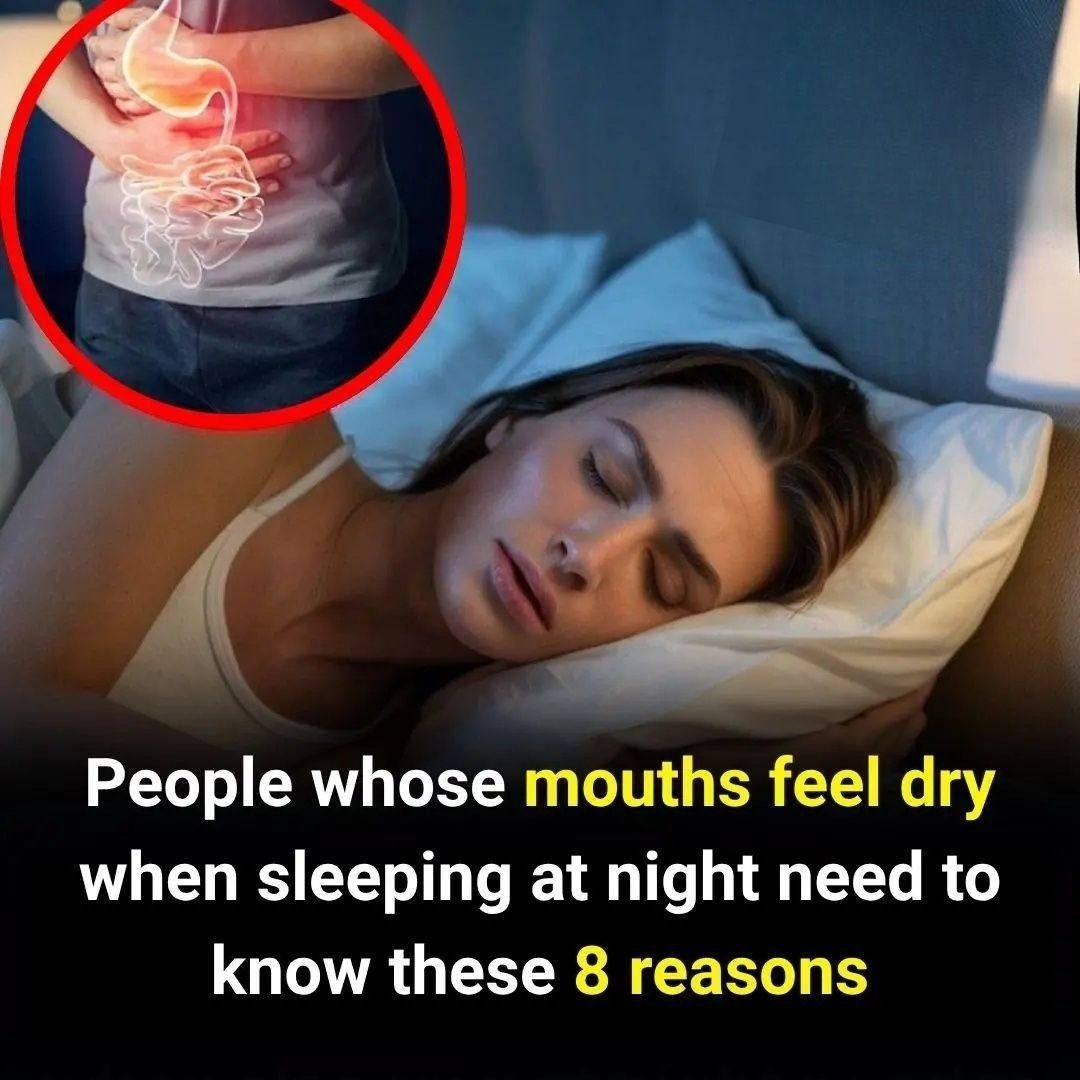
Waking up with a dry mouth in the middle of the night can feel surprisingly miserable. Your tongue sticks to the roof of your mouth, your throat feels scratchy, and no amount of water seems to completely fix the discomfort right away. While occasional dryness may not be serious, persistent nighttime dry mouth often points to an underlying cause worth understanding.
Dry mouth, medically known as xerostomia, happens when the body does not produce enough saliva to keep the mouth properly lubricated. Saliva may seem unimportant, but it plays a major role in protecting your teeth, gums, throat, and digestive system. Without enough saliva, bacteria multiply more easily, leading to bad breath, cavities, gum irritation, and even sleep disruption.
The good news is that many causes of nighttime dry mouth are manageable once identified. Here are the most common reasons your mouth may feel dry at night and what you can do to improve it.
Why Saliva Matters More Than You Think
Before exploring the causes, it helps to understand why saliva is so important.
Saliva helps:
- protect teeth from decay
- wash away bacteria
- neutralize harmful acids
- aid digestion
- keep oral tissues comfortable
- support healthy swallowing and speaking
When saliva production decreases, the mouth becomes more vulnerable to:
- cavities
- gum disease
- cracked lips
- mouth sores
- chronic bad breath
- difficulty swallowing
Persistent dryness is not just uncomfortable. Over time, it may affect overall oral health significantly.
1. Mouth Breathing While Sleeping
One of the most common causes of nighttime dry mouth is breathing through the mouth instead of the nose during sleep.
When air constantly passes through the mouth for hours, moisture evaporates quickly from the oral tissues.
Why Mouth Breathing Happens
Several issues may force people to breathe through their mouths:
- allergies
- sinus congestion
- colds
- nasal polyps
- deviated septum
- enlarged tonsils
Even temporary congestion can cause severe overnight dryness.
Signs You May Be Mouth Breathing
- dry lips in the morning
- snoring
- sore throat upon waking
- drooling
- nasal stuffiness
- waking up thirsty
What May Help
- saline nasal spray before bed
- humidifier use
- treating allergies
- nasal strips
- sleeping slightly elevated
Improving nasal airflow often dramatically improves dry mouth symptoms.
2. Medications That Reduce Saliva
Many medications list dry mouth as a side effect.
In fact, hundreds of common medications may decrease saliva production.
Common Culprits Include
- antihistamines
- antidepressants
- anxiety medications
- blood pressure drugs
- muscle relaxants
- decongestants
- sleep aids
- pain medications
Some medications interfere with the nervous system signals responsible for stimulating saliva glands.
Why Nighttime Symptoms Feel Worse
Saliva naturally decreases during sleep already. When medications further reduce saliva production, nighttime dryness may become much more noticeable.
Helpful Strategies
- drink water regularly throughout the day
- avoid alcohol-based mouthwash
- use oral moisturizing gels
- discuss medication alternatives with your doctor
Never stop prescribed medications without medical guidance.
3. Dehydration
Your body cannot produce adequate saliva without enough fluids.
Mild dehydration is surprisingly common and may worsen at night.
Common Causes Of Dehydration
- not drinking enough water
- excessive caffeine
- alcohol use
- sweating
- hot weather
- illness
- salty foods
Even mild dehydration may lead to:
- dry mouth
- headaches
- fatigue
- dizziness
- dark urine
Better Hydration Habits
Instead of drinking huge amounts right before bed, focus on steady hydration throughout the day.
Helpful habits include:
- carrying a water bottle
- limiting caffeine after mid-afternoon
- reducing alcohol intake
- eating hydrating foods like fruits and vegetables
Balanced hydration supports saliva production naturally.
4. Sleep Apnea
Dry mouth is extremely common in people with obstructive sleep apnea.
Sleep apnea causes repeated breathing interruptions during sleep and often leads to:
- heavy snoring
- mouth breathing
- poor sleep quality
- nighttime awakenings
Other Possible Symptoms
- daytime exhaustion
- morning headaches
- memory problems
- difficulty concentrating
- waking up gasping
Why It Matters
Untreated sleep apnea may increase the risk of:
- heart disease
- stroke
- diabetes
- high blood pressure
If dry mouth happens alongside loud snoring or daytime fatigue, it may be worth discussing a sleep study with a healthcare provider.
Treatment often significantly improves nighttime dryness.
5. Aging And Saliva Changes
Many older adults notice increased mouth dryness.
Although saliva production may naturally decline slightly with age, severe dry mouth is usually linked more to medications and health conditions than aging itself.
Why Older Adults Experience More Dry Mouth
Older individuals are more likely to:
- take multiple medications
- develop chronic illnesses
- experience dehydration
- have dental issues
Helpful Tips For Older Adults
- use alcohol-free mouthwash
- stay hydrated consistently
- chew sugar-free gum with xylitol
- schedule regular dental checkups
Dry mouth should never simply be accepted as an unavoidable part of aging.
6. Medical Conditions That Affect Saliva
Several medical conditions directly interfere with saliva production.
Conditions Commonly Associated With Dry Mouth
- diabetes
- Sjögren’s syndrome
- Parkinson’s disease
- autoimmune disorders
- chronic sinus disease
- anxiety disorders
Sjögren’s Syndrome
One important condition linked to severe dry mouth is Sjögren’s syndrome, an autoimmune disorder that attacks moisture-producing glands.
Symptoms may include:
- dry mouth
- dry eyes
- fatigue
- joint pain
- swallowing difficulties
Persistent unexplained dryness deserves medical evaluation.
7. Smoking, Vaping, Alcohol, And Cannabis
These substances commonly worsen oral dryness.
Smoking
Smoking irritates oral tissues and reduces healthy saliva flow.
Long-term smoking may also contribute to:
- gum disease
- bad breath
- staining
- increased oral infections
Vaping
Many people assume vaping is harmless for oral health, but it may still dry and irritate mouth tissues.
Alcohol
Alcohol dehydrates the body and dries oral tissues, especially when consumed close to bedtime.
Cannabis
Cannabis is strongly associated with dry mouth because cannabinoids affect saliva gland function.
Reducing evening use may improve symptoms significantly.
8. Certain Oral Hygiene Products
Some mouthwashes actually worsen dryness.
Alcohol-based products may:
- irritate tissues
- dry the mouth further
- disrupt the natural oral environment
Better Options
Look for:
- alcohol-free mouthwash
- dry-mouth toothpaste
- xylitol products
- moisturizing rinses
Gentle oral care often improves comfort considerably.
Why Dry Mouth Should Not Be Ignored
Many people dismiss dry mouth as a small annoyance, but chronic dryness may eventually contribute to:
- tooth decay
- gum recession
- oral infections
- cracked lips
- mouth ulcers
- trouble swallowing
Saliva is one of the mouth’s main protective defenses.
Without it, bacteria thrive much more easily.
Simple Home Remedies That May Help
Fortunately, many people improve nighttime dryness with small lifestyle changes.
Use A Humidifier
Dry bedroom air may worsen overnight symptoms.
A cool-mist humidifier can add moisture back into the air.
Keep Water Nearby
Sipping water during the night may temporarily relieve symptoms.
Avoid Salty Foods Before Bed
Salt pulls moisture from tissues and increases thirst.
Elevate Your Head Slightly
This may reduce mouth breathing and reflux-related dryness.
Try Sugar-Free Gum Or Lozenges
Xylitol-containing products may stimulate saliva naturally.
The Link Between Acid Reflux And Dry Mouth
Silent acid reflux may also contribute to mouth dryness.
Acid irritation can affect:
- the throat
- oral tissues
- saliva balance
People with reflux may notice:
- chronic throat clearing
- hoarseness
- sour taste
- coughing at night
Avoiding large late-night meals may help reduce symptoms.
When To See A Doctor Or Dentist
Occasional dry mouth is usually harmless.
However, medical evaluation is important if:
- symptoms occur most nights
- swallowing becomes difficult
- you develop frequent cavities
- mouth sores appear
- bad breath persists
- severe snoring occurs
- fatigue accompanies symptoms
Dentists often notice dry mouth signs before patients realize how serious the issue has become.
Final Thoughts
Dry mouth at night is incredibly common, but persistent symptoms should not be ignored.
Your body may simply need:
- better hydration
- improved nasal breathing
- medication adjustments
- healthier sleep habits
- gentler oral care
In some cases, dry mouth may also signal underlying health conditions that deserve attention.
The good news is that most causes are manageable once identified. Small changes often lead to major improvements in comfort, sleep quality, and oral health.
Your mouth works hard to protect you every day. Supporting it properly may help you wake up feeling refreshed instead of parched every morning.