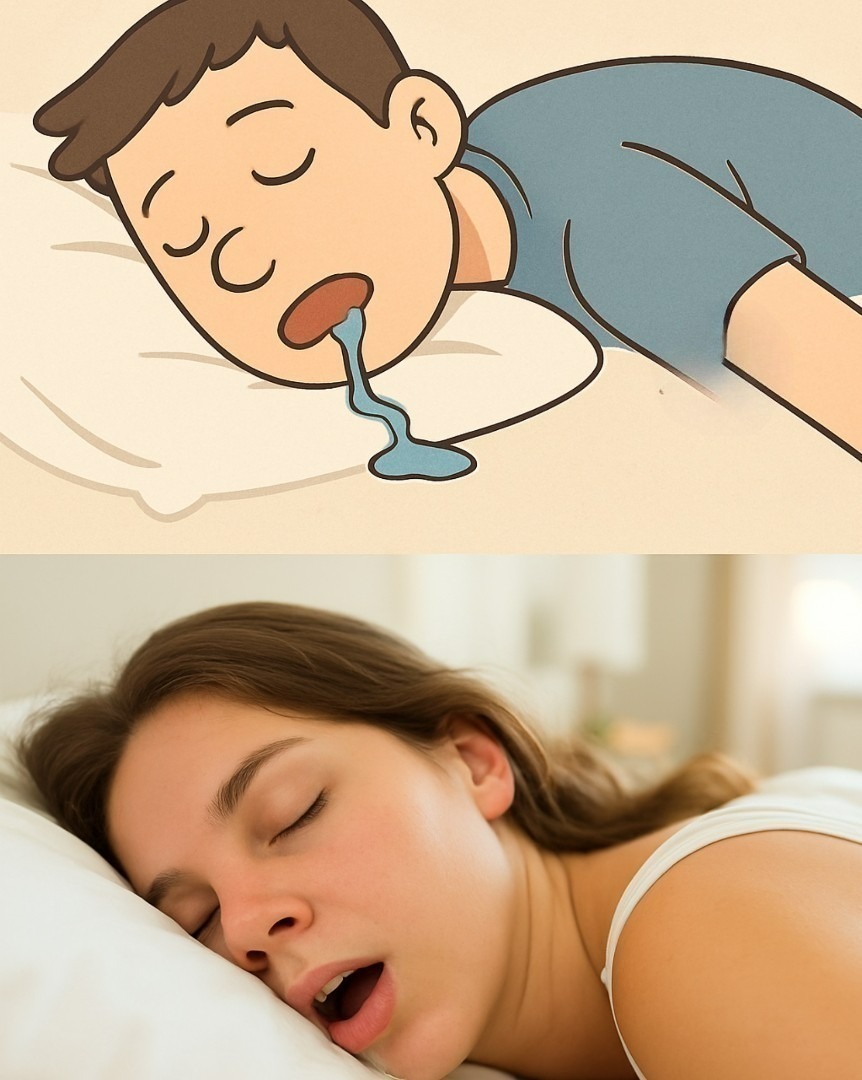
I remember waking up one morning to a damp pillowcase. Again.
I’d been drooling more and more often—enough that I started keeping a spare pillowcase in my nightstand. I laughed it off.
“I’m just a drooler,” I told myself.
Then I mentioned it to my doctor during a routine checkup. She didn’t laugh. Instead, she asked a series of questions:
- Do you snore?
- Are you tired during the day?
- Do you wake up with headaches?
- Have you noticed any trouble swallowing?
My answers surprised me. Most of them were yes.
A sleep study later revealed the cause: obstructive sleep apnea.
The drooling itself wasn’t the problem. It was simply a clue.
That experience taught me an important lesson: our bodies often whisper before they shout. Persistent drooling can be one of those whispers.
While occasional drooling is perfectly normal, frequent or excessive drooling may signal an underlying health issue worth investigating.
Let’s take a closer look.
Why Do We Drool While Sleeping?
Saliva production continues around the clock. During the day, you swallow automatically hundreds of times without noticing.
At night, however, swallowing slows down. If saliva accumulates faster than it’s swallowed—especially when you’re sleeping with your mouth open—it may escape onto your pillow.
Common Harmless Causes
Occasional drooling is usually nothing to worry about.
Some common reasons include:
- Sleeping on your side or stomach
- Temporary nasal congestion from a cold
- Seasonal allergies
- Pregnancy-related hormonal changes
- Certain medications
- Natural aging-related muscle relaxation
If drooling happens only occasionally and you feel otherwise healthy, it’s generally considered normal.
However, persistent drooling accompanied by other symptoms deserves attention.
1. Obstructive Sleep Apnea
One of the most common medical causes of nighttime drooling is obstructive sleep apnea (OSA).
This condition occurs when the airway repeatedly collapses during sleep, causing breathing interruptions.
Because airflow becomes restricted, many people begin breathing through their mouths. Mouth breathing increases the likelihood of drooling.
Additional Symptoms
- Loud snoring
- Gasping or choking during sleep
- Excessive daytime sleepiness
- Morning headaches
- Dry mouth upon waking
- Difficulty concentrating
When to Seek Help
Sleep apnea is more than an inconvenience. Untreated OSA increases the risk of high blood pressure, heart disease, stroke, and diabetes.
If these symptoms sound familiar, speak with a healthcare provider about a sleep evaluation.
2. Acid Reflux (GERD)
Gastroesophageal reflux disease, commonly called GERD, can also contribute to excessive drooling.
When stomach acid moves upward into the esophagus, the body sometimes responds by producing more saliva in an attempt to neutralize the acid.
This phenomenon is often called “water brash.”
Additional Symptoms
- Heartburn
- Sour or bitter taste in the mouth
- Chronic cough
- Hoarseness
- Difficulty swallowing
- Symptoms that worsen after lying down
Helpful Strategies
Many people find relief by:
- Avoiding large meals before bedtime
- Limiting alcohol and caffeine
- Elevating the head of the bed
- Maintaining a healthy weight
Persistent reflux symptoms should be discussed with a medical professional.
3. Neurological Conditions
Certain neurological disorders can interfere with swallowing, muscle control, or saliva management.
In these cases, drooling may occur because saliva isn’t being cleared effectively rather than because too much is being produced.
Conditions Associated With Drooling
- Parkinson’s disease
- Stroke
- Multiple sclerosis
- ALS (amyotrophic lateral sclerosis)
- Cerebral palsy
Additional Symptoms
- Difficulty swallowing
- Slurred speech
- Tremors
- Muscle stiffness
- Weakness
- Changes in coordination
Drooling that develops suddenly alongside neurological symptoms should receive prompt medical evaluation.
4. Chronic Allergies and Sinus Problems
If your nose is constantly blocked, your body often compensates by breathing through the mouth.
An open mouth during sleep makes drooling much more likely.
Additional Symptoms
- Chronic congestion
- Postnasal drip
- Frequent sinus infections
- Sneezing
- Itchy eyes
- Seasonal symptom flare-ups
Potential Solutions
Managing allergies often reduces nighttime drooling.
Helpful approaches may include:
- Saline nasal rinses
- Allergy medications
- Air purifiers
- Humidifiers
- Allergy testing when appropriate
5. Medication Side Effects
Many people don’t realize that drooling can be a side effect of prescription medications.
Some medications stimulate saliva production, while others reduce swallowing frequency by causing sedation.
Medications Commonly Associated With Drooling
- Certain antipsychotics
- Some antidepressants
- Alzheimer’s medications
- Muscle relaxants
- Medications used for dry mouth
What You Should Do
Never stop a medication without consulting your doctor.
Instead, ask whether an alternative treatment or dosage adjustment might help.
6. Dental and Oral Health Problems
Your mouth can sometimes reveal health problems before the rest of your body does.
Dental infections, gum disease, mouth ulcers, and poorly fitting dental appliances may increase saliva production or make swallowing uncomfortable.
Additional Symptoms
- Bleeding gums
- Persistent bad breath
- Tooth pain
- Mouth sores
- Loose teeth
- Jaw discomfort
Regular dental care is one of the simplest ways to protect both oral and overall health.
When Should You See a Doctor?
Consider speaking with a healthcare provider if drooling:
- Is new or suddenly worsening
- Occurs every night
- Disrupts your sleep
- Causes skin irritation
- Happens during the daytime
- Is accompanied by snoring, fatigue, swallowing problems, or neurological symptoms
Keeping a brief symptom diary can be helpful.
Track:
- Sleep position
- Snoring
- Medications
- Congestion levels
- Reflux symptoms
- Frequency of drooling
This information can help your provider identify possible causes more quickly.
Tips to Reduce Nighttime Drooling
While investigating the underlying cause, these practical strategies may help.
Change Sleep Position
Sleeping on your back may reduce saliva leakage.
A supportive pillow can help maintain better alignment.
Improve Nasal Breathing
If congestion is contributing to mouth breathing:
- Use saline spray
- Run a humidifier
- Treat allergies appropriately
- Stay hydrated
Practice Good Oral Hygiene
Brushing and flossing regularly can improve oral health and reduce irritation that may stimulate saliva production.
Manage Reflux
Avoid eating large meals late at night and elevate your head if reflux symptoms are present.
Protect Your Skin
If saliva causes irritation around the mouth or chin, applying a protective barrier cream before bed may help.
Final Thoughts
Drooling during sleep is often harmless.
For many people, it’s simply the result of sleeping position or temporary congestion.
But when drooling becomes frequent, excessive, or accompanied by other symptoms, it may be worth paying closer attention.
Sometimes a wet pillow is just a wet pillow.
Sometimes it’s a clue.
Listening to your body’s subtle signals can help identify health concerns early and lead to better sleep, improved well-being, and greater peace of mind.
The goal isn’t merely waking up with a dry pillowcase.
The goal is waking up healthy, rested, and feeling your best.
More Craft Innovations
- I Found a Strange Growth on My Garage Wall—What It Revealed About Hidden Moisture
- After a Decade Together, She Discovered the True Value of Her Contributions
- My Daughter Disappeared After Prom Night—Almost a Year Later, an Ordinary Beanbag Chair Revealed the Truth
- Stop Your Bed Sheets From Balling Up in the Dryer: Simple Tricks That Actually Work