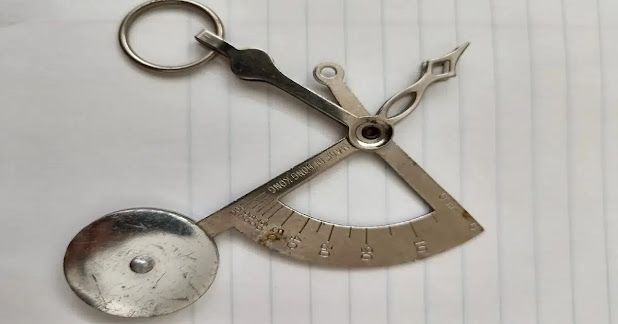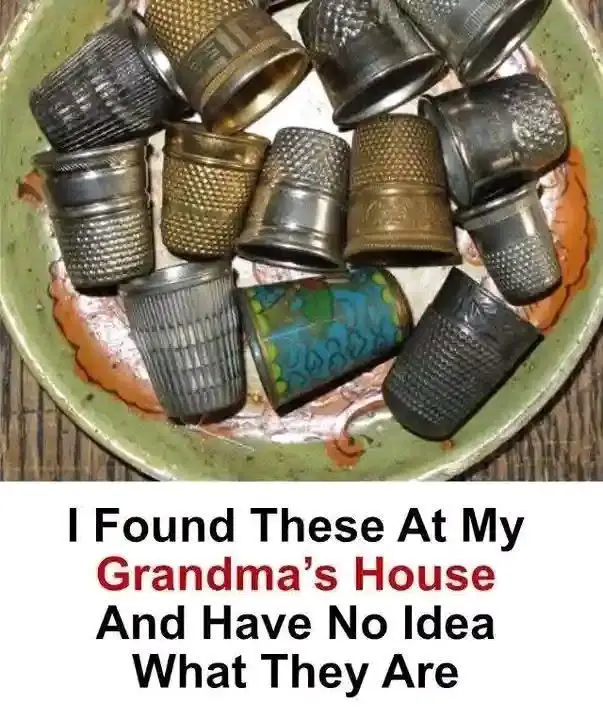
You’re cleaning out a drawer, exploring an attic, or simply visiting your grandmother’s house when you stumble upon something unusual.
Maybe it’s a small metal tool with a strange shape.
Maybe it’s a delicate porcelain object with intricate markings.
Maybe it’s a set of worn wooden items tucked inside a velvet-lined box.
You hold it in your hands, turn it over, search for clues—and come up empty.
What is this?
What was it used for?
Is it valuable? Sentimental? Both?
If you’ve ever found mysterious items at a grandparent’s house and wondered about their story, you’re not alone. Older homes are treasure troves of forgotten objects, each one holding a piece of family history, cultural tradition, or practical ingenuity from another time.
This guide will help you identify unknown items, understand their significance, and uncover the stories behind them.
Step 1: Gather Clues Before You Guess
Before jumping to conclusions, take time to observe carefully. The more details you collect, the easier identification becomes.
Observation Checklist
| Question | Why It Matters |
|---|---|
| What is the size? | Tiny items may be jewelry or sewing tools; larger ones could be kitchenware or decorative pieces. |
| What material is it made of? | Metal, wood, glass, ceramic, plastic, or cloth each point to different eras and uses. |
| What shape or design does it have? | Functional shapes suggest utility; ornate designs often suggest decoration or ceremony. |
| Are there markings, numbers, or words? | Maker’s marks, patents, or language can reveal origin, age, and purpose. |
| Where was it found? | Location often provides valuable context. |
| Does it show signs of wear? | Heavy wear suggests frequent practical use. |
| Does it have moving parts? | Hinges, gears, clasps, or attachments can indicate function. |
Pro Tip
Take clear photographs from multiple angles. Include a ruler or coin for scale and photograph any markings or engravings up close.
Common Categories of Mystery Items
1. Vintage Kitchen and Household Tools
| Item | Possible Identity | Typical Use |
| Small metal gadget with rotating blades | Egg slicer, herb chopper, nutmeg grater | Food preparation |
| Wooden tool with grooves | Butter mold, cookie press, cheese slicer | Food shaping |
| Glass or ceramic container with lid | Jelly jar, spice keeper, medicinal jar | Storage |
| Metal tool with curved handle | Can opener, bottle opener, pie server | Serving and opening |
2. Sewing, Crafting and Textile Tools
| Item | Possible Identity | Typical Use |
| Small metal object with hook | Buttonhook, crochet hook, seam ripper | Sewing |
| Wooden spool or bobbin | Thread holder or shuttle | Weaving and embroidery |
| Ornate metal case | Sewing kit or needle case | Storage |
| Flat metal piece with notches | Hem gauge or measuring tool | Tailoring |
3. Personal Care and Grooming Items
| Item | Possible Identity | Typical Use |
| Small metal comb | Lice comb, eyebrow brush, mustache comb | Grooming |
| Glass bottle with dropper | Perfume bottle or medicine dispenser | Personal care |
| Handle with replaceable head | Razor or massage tool | Grooming |
| Ornate compact case | Powder compact or pill box | Cosmetics |
4. Religious, Cultural and Ceremonial Objects
| Item | Possible Identity | Typical Use |
| Beads on a string | Rosary, mala, prayer beads | Prayer and meditation |
| Symbolic charm | Talisman or amulet | Tradition and protection |
| Small incense container | Ritual vessel | Spiritual practice |
| Decorative religious box | Reliquary or scripture case | Sacred storage |
5. Mechanical and Utility Parts
| Item | Possible Identity | Typical Use |
| Gears and springs | Clock or watch component | Repair |
| Adapter with prongs | Electrical component | Power conversion |
| Adjustable tool | Clamp or measuring device | Workshop use |
| Glass tube with metal ends | Vacuum tube or fuse | Electronics |
6. Collectibles and Memorabilia
| Item | Possible Identity | Typical Use |
| Painted figurine | Souvenir or decorative piece | Display |
| Metal disc | Coin, token, medal | Collection |
| Vintage card | Postcard or trading card | Correspondence |
| Game piece | Chess or checker piece | Recreation |
Cultural Context Matters
Many mystery items reflect family heritage. A baking tool from Germany, a rosary from Italy, a sewing implement from Japan, or a handcrafted Indigenous object may reveal important clues about your family’s background.
Step 2: Where to Find Answers
Online Resources
| Resource | Best For |
| Reddit communities | Crowdsourced identification |
| Google Lens | Visual matching |
| Etsy and eBay sold listings | Comparing vintage items |
| Museum databases | Historical context |
| Antique forums | Expert advice |
Local Resources
- Antique dealers
- Estate sale professionals
- Historical societies
- Libraries
- Older family members
- Local collectors
Often, the quickest answer comes from someone who has actually used a similar object before.
Step 3: Understanding Value
Not every old item is worth a fortune, but many hold significant sentimental value.
Questions to Ask
| Question | Sentimental Value | Monetary Value |
| Was it used by a loved one? | High | Variable |
| Is it handmade? | High | Moderate to high |
| Is it rare or historic? | Moderate | Potentially high |
| Is it in excellent condition? | Moderate | Often important |
| Does it have provenance? | High | High |
Reality Check
Most vintage household items sell for modest amounts. Their true value often lies in the stories they preserve rather than the money they bring.
Step 4: Deciding What to Do With Your Discovery
If It Has Sentimental Value
- Preserve it carefully
- Document its history
- Record family stories
- Display it proudly
- Pass the story to younger generations
If It Appears Valuable
- Seek professional appraisal
- Research preservation methods
- Consider insurance
- Explore museum or collector interest
If It’s Unsafe
Some items should not be used without expert evaluation:
- Old medicines
- Unknown chemicals
- Lead-painted objects
- Damaged electrical equipment
- Potentially hazardous materials
When in doubt, consult a professional.
Why These Discoveries Matter
Finding a mysterious object in your grandmother’s house is about more than identification.
It’s about:
Connecting With Family History
Every item tells a story about daily life, traditions, celebrations, hardships, and creativity.
Preserving Knowledge
Many forgotten tools represent skills and crafts that are slowly disappearing.
Honoring Previous Generations
Understanding an object’s purpose helps preserve the memory of those who used it.
Sharing Stories
The stories behind objects often become cherished family history.
Frequently Asked Questions
How can I safely clean an old item?
Use gentle cleaning methods appropriate for the material. Research before cleaning antiques.
What if the item has mold or rust?
Isolate it and seek professional guidance if necessary.
How old must something be to qualify as an antique?
Generally, an item more than 100 years old is considered an antique.
Can I sell items inherited from family?
Yes, provided you legally own them.
What if nobody can identify it?
Document what you know and revisit the mystery later. New information often appears over time.
Are there items I should never handle?
Avoid unknown chemicals, suspicious powders, deteriorating electronics, and potentially hazardous materials.
Final Thoughts
Finding mysterious items at your grandmother’s house isn’t a test—it’s an invitation.
An invitation to explore your family’s past.
An invitation to learn something new.
An invitation to preserve stories that might otherwise be forgotten.
So next time you open an old drawer, lift the lid of a dusty box, or uncover something unusual in an attic, take a moment to appreciate the mystery.
Because sometimes the greatest treasure isn’t the object itself.
It’s the connection to the people who came before us.
More Blog
- Drinking Water on an Empty Stomach — What Science Actually Supports (No Hype, Just Facts)
- Waking Up Between 3 and 5 AM? It Might Be Your Soul Trying to Talk to You
- What a “Bleach” Patch on Your Underwear Really Means — And Why It’s Actually a Good Sign
- This Drink May Weaken Your Bones From The Inside — But Everyone Drinks It Anyway