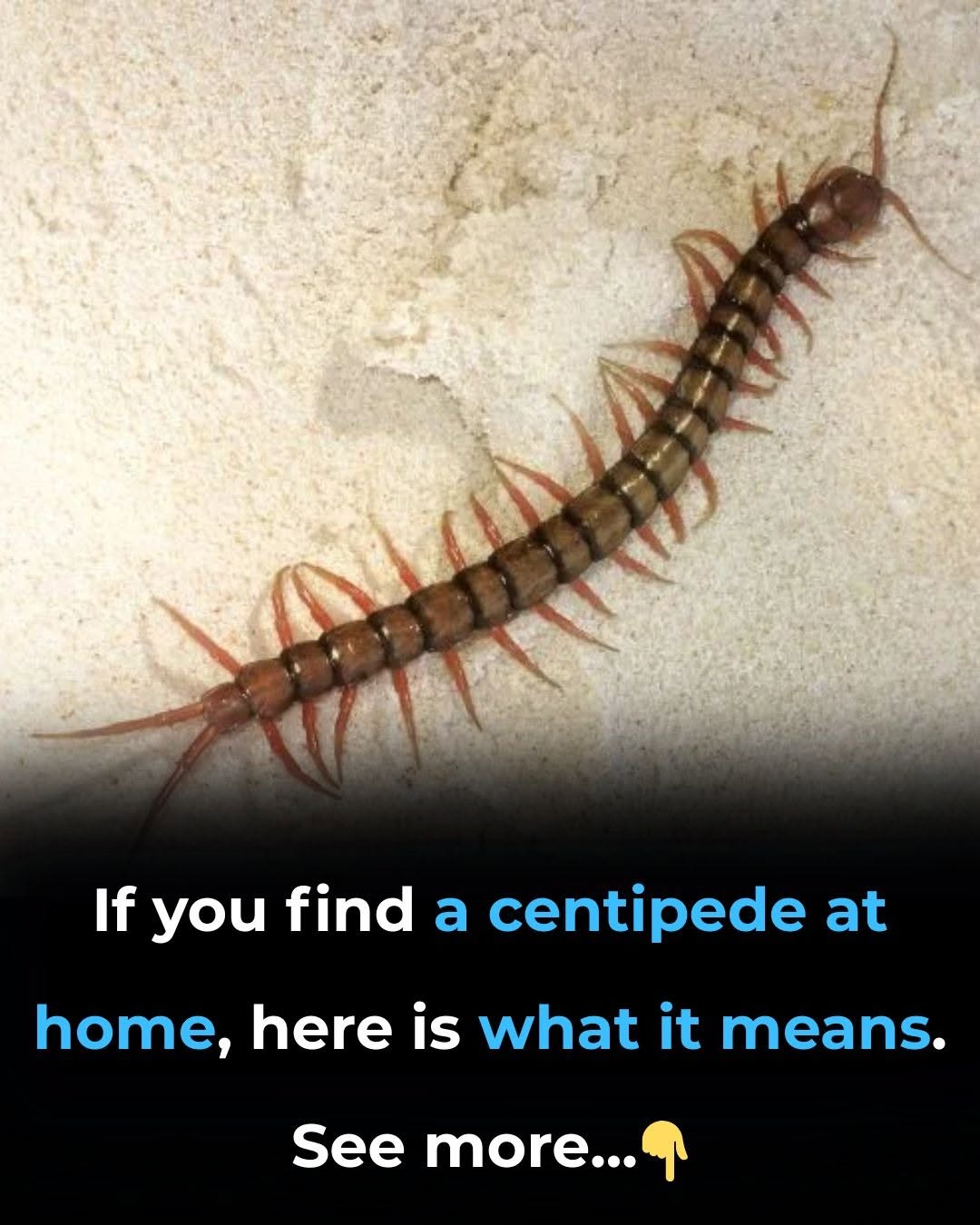
Finding a Centipede at Home can feel alarming, especially when the insect seems to appear from nowhere and races across a bathroom floor, basement wall, or bedroom baseboard. Their long legs and fast movement can make house centipedes look far more threatening than they usually are.
However, seeing one does not automatically mean your home is dirty, unsafe, or severely infested. In many cases, house centipedes enter or remain indoors because they find moisture, shelter, and other small insects to eat. In fact, their presence can sometimes point to another pest issue that deserves more attention than the centipede itself.
House centipedes are predators. They commonly hunt insects and other small arthropods, including silverfish, flies, spiders, and some household pests. Therefore, one occasional centipede may simply be taking advantage of food and moisture that already exist in your home.
Still, repeated sightings deserve investigation. Instead of immediately spraying every centipede you see, look at why they may be appearing, where they are hiding, and whether another pest population is supporting them.
The first time I saw a house centipede indoors, it moved so quickly that I assumed something dangerous had gotten into the room. After it disappeared beneath a cabinet, I started checking the area more carefully. The room itself was clean, but a small plumbing leak had kept one corner damp, and I also found several silverfish nearby. Fixing the moisture problem made a much bigger difference than chasing individual centipedes. That experience changed how I looked at them. I still did not want them running across the floor, but I understood that their presence could provide useful information about conditions inside the home.
What Finding a Centipede at Home Usually Means
House Centipedes Are Predators, Not Typical Household Feeders
Finding a Centipede at Home often tells you more about the small creatures living nearby than about the centipede itself.
House centipedes do not seek crumbs, pantry foods, fabrics, or wood the way many household pests do. Instead, they actively hunt other small animals.
Their diet may include silverfish, flies, moths, small spiders, cockroaches, and other insects they can overpower.
Therefore, a house that provides plenty of prey becomes more attractive to them.
This does not mean that seeing one centipede proves you have a major infestation. An isolated centipede may simply have wandered inside through a crack, doorway, basement opening, or utility gap.
However, repeated sightings in the same room can suggest that the environment offers reliable food or hiding places.
Centipedes generally prefer darker spaces where they can remain hidden during much of the day. As a result, people often encounter them after turning on a bathroom light at night or moving an object in a basement.
Their dramatic speed can make the encounter feel more serious than it is.
Unlike many insects that remain visible while feeding, house centipedes often rush quickly toward cover when disturbed.
Their appearance also contributes to their reputation. A house centipede has a flattened body with many long legs extending outward. Those legs can make the animal appear much larger than its actual body.
Although you may not want one sharing your living space, understanding its role helps you decide what to do next.
Rather than treating every sighting as an emergency, look for patterns.
One occasional visitor requires a different response from several centipedes appearing every week.
Moisture Often Makes an Area More Attractive
Finding a Centipede at Home commonly happens in rooms that provide more moisture than the rest of the house.
Bathrooms, basements, laundry rooms, crawl spaces, utility areas, and rooms near plumbing frequently offer the conditions these animals prefer.
Moisture can help in two ways.
First, centipedes themselves need humid environments because they can lose moisture relatively easily.
Second, damp areas often support other pests, including silverfish and certain insects that centipedes hunt.
Therefore, moisture reduction can address both the centipedes and some of their potential food sources.
Begin by looking for obvious water problems.
Check beneath sinks, around toilets, near washing machines, around water heaters, and along basement walls.
A slow leak may not create a puddle. Instead, it may keep wood, flooring, drywall, or cabinets slightly damp.
Condensation can create similar conditions.
For example, bathrooms with poor ventilation may stay humid long after showers. Basements can also develop elevated humidity even without visible leaks.
A dehumidifier may help in persistently humid spaces. Additionally, improving ventilation can reduce moisture after showers or laundry.
Gutters and drainage outside the house matter too.
Water that collects near the foundation can increase moisture in basements and crawl spaces.
Therefore, Finding a Centipede at Home may provide a useful reason to check both indoor and outdoor moisture conditions.
Again, one sighting does not prove a serious problem.
However, if centipedes repeatedly appear in the same damp room, reducing humidity often makes that space less attractive to them.
Why House Centipedes Are Not Always Bad News
They Can Reduce Other Household Pests
One surprising fact about Finding a Centipede at Home is that the centipede may be helping control other pests.
House centipedes are active hunters.
Instead of building webs or waiting for prey to approach, they move through rooms and hidden spaces searching for small insects and arthropods.
Their long legs help them move quickly, while specialized front appendages allow them to capture prey.
This predatory behavior means they can consume creatures that homeowners usually dislike even more.
Silverfish provide a good example.
These small insects often prefer damp rooms and can feed on materials that contain starches, including paper and adhesives.
If house centipedes and silverfish appear in the same environment, the centipedes may hunt them.
They may also prey on small roaches, flies, moths, and spiders.
Because of this behavior, some people choose to leave an occasional house centipede alone rather than killing it.
Of course, you do not have to tolerate them indoors.
Many people simply find their appearance unsettling, and repeated sightings can indicate conditions that deserve attention.
However, understanding their role changes the situation from “dangerous invader” to “predator that found something useful in this environment.”
That distinction matters.
If you kill every visible centipede but ignore the insects they are eating, the underlying pest problem may continue.
Therefore, Finding a Centipede at Home should sometimes prompt a broader inspection.
Look for silverfish, roaches, spiders, flies, ants, or other small pests.
Then focus on food sources, water, clutter, cracks, and entry points that allow those creatures to remain indoors.
Removing the prey can make the space much less attractive to centipedes.
One Centipede Does Not Mean Your House Is Dirty
People often associate household insects with poor cleaning, but that connection can be misleading.
Finding a Centipede at Home does not automatically mean the house is dirty.
Even very clean homes offer insects places to enter.
Small gaps around pipes, windows, doors, vents, foundations, siding, and utility lines can provide access.
Weather also influences indoor sightings.
Heavy rain can push small creatures away from saturated ground, while extremely dry weather may encourage them to seek moisture indoors.
Seasonal temperature changes can also drive insects into protected structures.
Additionally, a clean bathroom can still remain humid.
Likewise, a spotless basement can still contain foundation cracks and small insects.
Cleaning certainly helps with pest prevention, especially when it removes food, clutter, and hiding places. However, sanitation represents only one part of the picture.
Moisture control and exclusion often matter just as much.
Therefore, avoid interpreting one centipede as evidence that you have failed to maintain your home.
Instead, use the sighting as information.
Ask where you found it.
Was the room damp?
Were there boxes, piles of paper, or other hiding places nearby?
Do you see other insects?
Are there gaps around baseboards or pipes?
Has the weather recently changed?
These questions help identify practical causes.
Finding a Centipede at Home becomes much easier to manage when you focus on environmental conditions rather than assuming something is fundamentally wrong with the house.
What to Do When You Find a Centipede Indoors
Remove the Centipede Without Making the Problem Bigger
If Finding a Centipede at Home makes you uncomfortable, you can remove it without immediately spraying the entire room.
One simple option involves trapping it under a container.
Place a cup, bowl, or jar over the centipede, then carefully slide a piece of stiff paper or thin cardboard underneath.
Once contained, you can move it outside away from the immediate doorway.
Because house centipedes move quickly, this method sometimes requires patience.
A vacuum offers another practical option when direct capture feels difficult.
Afterward, empty the vacuum contents according to the manufacturer’s instructions, especially if you are also removing other insects.
Avoid relying heavily on broad indoor pesticide spraying without understanding the underlying cause.
If prey insects remain abundant, new centipedes may continue appearing.
Additionally, unnecessary pesticide use can expose people and pets to chemicals that may not solve the actual problem.
Instead, combine removal with inspection.
Check the room for moisture, insect activity, and entry points.
Sticky monitoring traps can also help you understand where insects are moving. Place them along walls, near suspected entry points, and in darker areas rather than in open walking paths.
Monitoring can reveal whether you have one occasional visitor or ongoing activity.
If you see a centipede only once and find no other signs, extensive action may not be necessary.
However, repeated sightings suggest that preventive steps deserve more attention.
Therefore, Finding a Centipede at Home should lead to observation first and treatment second.
Reduce Moisture, Clutter, and Entry Points
Long-term prevention focuses on making your home less useful to both centipedes and their prey.
Start with moisture.
Repair leaking pipes, faucets, toilets, and appliances.
Use bathroom exhaust fans during and after showers.
Run a dehumidifier in damp basements or crawl spaces when appropriate.
Next, reduce unnecessary hiding places.
Cardboard boxes, piles of paper, stored fabrics, and clutter along basement walls can create protected spaces for many small insects.
Using sealed storage bins can reduce some of those hiding areas.
Then inspect potential entry points.
Look around doors, windows, plumbing penetrations, utility lines, baseboards, and foundation cracks.
Seal appropriate gaps with suitable caulk or other building materials.
Install or replace door sweeps when you can see light beneath exterior doors.
Repair damaged window screens as well.
Outside, keep leaves, wood piles, dense vegetation, and other debris from accumulating directly against the foundation when practical.
These areas can provide moisture and shelter for insects that may eventually move indoors.
Also address the prey population.
If you repeatedly find cockroaches, silverfish, ants, or other pests, focus on controlling those insects rather than centipedes alone.
Without a reliable food source, your home becomes less attractive to predatory centipedes.
Finding a Centipede at Home can therefore serve as a useful early warning.
Instead of simply eliminating the visible animal, improve the conditions that allowed it to thrive.
When Finding a Centipede at Home Deserves More Attention
Repeated Sightings Can Point to a Larger Pest Issue
One house centipede does not necessarily require professional pest control.
However, repeated sightings change the situation.
If you see several centipedes over a short period, particularly in multiple rooms, investigate why your home supports them.
A stable centipede population requires food.
Therefore, frequent sightings may suggest that enough insects or other small prey live nearby to sustain them.
Look carefully in kitchens, bathrooms, basements, crawl spaces, utility closets, and storage rooms.
Check under sinks and around appliances.
Inspect cardboard boxes and paper storage for silverfish.
Look for roach droppings, shed skins, or egg cases in dark kitchen areas.
Also monitor for ants, small flies, or other insects.
You may not see prey immediately because many household pests remain active at night.
Sticky traps can provide additional evidence.
Place them along edges where insects naturally travel.
If traps repeatedly capture several species, you may have a broader pest problem.
At that point, correcting moisture, sealing entry points, cleaning food residues, and reducing clutter become especially important.
Professional pest management may also make sense when you cannot identify or control the source.
A qualified professional can inspect areas that homeowners often overlook.
They may also identify the prey species supporting the centipede population.
Therefore, frequent Finding a Centipede at Home should not necessarily make you fear the centipedes themselves.
Instead, treat the pattern as a clue.
The real issue may involve excess humidity, entry points, or another insect population hidden nearby.
What About Bites and Pets?
House centipedes generally try to escape from people rather than approach them.
They possess venom for subduing prey, but human bites remain uncommon.
Handling one directly increases the chance of defensive contact, so use a container, vacuum, or another hands-off method if you want to remove it.
If a suspected bite causes significant pain, severe swelling, spreading redness, difficulty breathing, or other concerning symptoms, seek appropriate medical care.
The same practical caution applies around pets.
Curious cats and dogs may chase moving centipedes.
Therefore, removing the centipede can prevent unnecessary interaction.
Avoid applying pest-control products in areas accessible to children or pets unless the product specifically allows that use and you follow the label exactly.
Never assume that “natural” automatically means harmless either.
Essential oils and homemade pest mixtures can still irritate people, damage surfaces, or create risks for pets.
Physical prevention remains one of the safest long-term strategies.
Seal gaps.
Reduce humidity.
Remove clutter.
Control prey insects.
These actions address the conditions associated with Finding a Centipede at Home without depending entirely on chemical treatment.
The goal is not to panic over one fast-moving creature.
Instead, determine whether it represents an isolated visitor or a recurring pattern that tells you something about your home environment.
Frequently Asked Questions
Does Finding a Centipede at Home mean I have an infestation?
Not necessarily. One centipede may have wandered indoors or found temporary shelter. However, frequent sightings can indicate that your home provides enough moisture and prey insects to support them. Repeated activity deserves closer inspection.
Why do I keep seeing centipedes in my bathroom?
Bathrooms often provide the humidity that centipedes prefer. They may also support silverfish or other small insects that centipedes hunt. Improve ventilation, repair leaks, and reduce lingering moisture to make the room less attractive.
Should I kill a house centipede?
You do not have to. House centipedes prey on other household pests, so some people choose to leave an occasional one alone. If you prefer to remove it, capture it with a container or use a vacuum rather than automatically applying pesticides.
Are house centipedes dangerous?
House centipedes generally avoid people, and bites are uncommon. Their appearance and speed can seem frightening, but they are primarily predators of small insects. Avoid handling them directly, and seek medical advice for any severe or unusual reaction after a suspected bite.
How do I stop centipedes from coming inside?
Reduce moisture, repair leaks, use ventilation or dehumidification where needed, seal gaps around doors and utility lines, reduce clutter, and control other household insects. Removing both shelter and prey makes indoor spaces less attractive.
Conclusion
Finding a Centipede at Home can be unsettling, but the sighting usually tells you more about your home’s environment than about immediate danger.
House centipedes seek shelter, moisture, and prey.
Therefore, an occasional visitor may simply have wandered indoors, while repeated sightings can point toward high humidity, hidden entry points, or populations of other insects.
Their presence also comes with an unexpected benefit. House centipedes actively hunt pests such as silverfish, flies, spiders, and other small arthropods.
That does not mean you need to welcome them into your living space. However, it does mean that killing the visible centipede without investigating the reason it appeared may only address the surface of the problem.
Instead, inspect damp areas, fix leaks, improve ventilation, reduce clutter, seal openings, and monitor for prey insects.
These steps help prevent centipedes while also making your home less attractive to many other pests.
Most importantly, Finding a Centipede at Home does not automatically mean your home is dirty or unsafe. One sighting may require nothing more than simple removal. A recurring pattern, however, gives you a valuable clue that moisture or other insects may need attention.
WP Recipe Maker JSON Import
{
  "title": "Finding a Centipede at Home? Here's What It Really Means (Hint: It's Not All Bad News)",
  "summary": "A practical guide explaining why house centipedes appear indoors, what their presence may indicate, why they can help control other pests, and how to prevent repeated sightings.",
  "notes": "This is an informational household guide rather than a food recipe. Avoid unnecessary indoor pesticide use. Follow all product labels exactly and consider professional pest management when centipedes or their prey appear repeatedly.",
  "ingredients_flat": [
    { "amount": "1", "unit": "", "name": "container or vacuum for centipede removal" },
    { "amount": "1", "unit": "", "name": "dehumidifier or ventilation source if needed" },
    { "amount": "1", "unit": "", "name": "appropriate caulk or sealing material" },
    { "amount": "1", "unit": "set", "name": "sticky monitoring traps, optional" }
  ],
  "instructions_flat": [
    {
      "name": "Step 1",
      "text": "Remove the visible centipede with a container or vacuum if you do not want to leave it indoors.",
      "summary": "",
      "image_url": ""
    },
    {
      "name": "Step 2",
      "text": "Inspect the room for leaks, condensation, damp materials, and other sources of excess moisture.",
      "summary": "",
      "image_url": ""
    },
    {
      "name": "Step 3",
      "text": "Check for other household pests such as silverfish, flies, ants, spiders, or cockroaches that may provide food for centipedes.",
      "summary": "",
      "image_url": ""
    },
    {
      "name": "Step 4",
      "text": "Reduce humidity with repairs, ventilation, or dehumidification and remove unnecessary clutter from damp storage areas.",
      "summary": "",
      "image_url": ""
    },
    {
      "name": "Step 5",
      "text": "Seal appropriate gaps around doors, windows, plumbing, utility penetrations, and foundation openings to reduce entry points.",
      "summary": "",
      "image_url": ""
    },
    {
      "name": "Step 6",
      "text": "Monitor for repeated centipede or prey activity and consider professional pest-control assistance if the problem continues.",
      "summary": "",
      "image_url": ""
    }
  ],
  "equipment": [
    { "name": "Flashlight", "notes": "" },
    { "name": "Dehumidifier", "notes": "" },
    { "name": "Vacuum", "notes": "" },
    { "name": "Caulking tool", "notes": "" },
    { "name": "Sticky monitoring traps", "notes": "" }
  ],
  "nutrition": {
    "calories": "0",
    "carbohydrates": "0 g",
    "protein": "0 g",
    "fat": "0 g",
    "saturated_fat": "0 g",
    "polyunsaturated_fat": "0 g",
    "monounsaturated_fat": "0 g",
    "trans_fat": "0 g",
    "cholesterol": "0 mg",
    "sodium": "0 mg",
    "potassium": "0 mg",
    "fiber": "0 g",
    "sugar": "0 g",
    "vitamin_a": "0 IU",
    "vitamin_c": "0 mg",
    "calcium": "0 mg",
    "iron": "0 mg"
  },
  "tags": {
    "course": ["Informational Guide"],
    "cuisine": ["Not Applicable"],
    "keyword": ["Finding a Centipede at Home", "house centipede", "centipede in house", "household pest control", "why centipedes come indoors"]
  }
}
SEO Output
Focus Keyword: Finding a Centipede at Home
SEO Title: Finding a Centipede at Home? What It Really Means
Meta Description: Finding a Centipede at Home may reveal moisture or other pests. Learn what it means, why centipedes appear, and how to prevent them.
Expert SEO Title: Finding a Centipede at Home: 7 Surprising Helpful Clues
Midjourney Prompt: realistic house centipede with long delicate legs moving along a clean indoor baseboard near a bathroom or basement corner, accurate natural proportions, subtle household setting, no horror styling, soft natural indoor lighting, detailed macro wildlife photography, clean modern home interior, slightly damp environment suggested without visible damage, educational and approachable mood, sharp focus on centipede with shallow depth of field, vertical composition, generous clean negative space near the upper portion for Pinterest text overlay –v 6 –ar 2:3