Chicken is one of the most popular proteins in the world. It’s affordable, versatile, and available in nearly every grocery store. Bright packaging and labels featuring green pastures or rustic farms often create the impression that the chicken inside comes from birds raised in open fields with plenty of space to roam.
In reality, the journey from farm to supermarket is far more complex. Most chicken sold in large grocery stores comes from highly efficient commercial farming systems designed to produce safe, consistent, and affordable food on a massive scale. While these systems have made chicken accessible to millions of families, they have also raised ongoing discussions about animal welfare, meat quality, sustainability, and consumer transparency.
Understanding how supermarket chicken is produced can help shoppers make informed choices and better understand the labels they see in the meat aisle.
How Most Supermarket Chicken Is Raised
Modern poultry farming has changed dramatically over the past several decades. Advances in breeding, nutrition, housing, and veterinary care have allowed producers to raise chickens much more efficiently than in the past.
Birds Are Bred for Rapid Growth
Most commercial chickens are specially bred to grow quickly and efficiently.
Compared with traditional breeds raised decades ago, modern broiler chickens reach market weight in approximately five to seven weeks.
This rapid growth is made possible through:
- Selective breeding
- Carefully balanced nutrition
- Controlled living environments
- Veterinary health programs
- Modern farming technology
The goal is to produce birds of similar size and weight, making processing more efficient while helping keep chicken affordable for consumers.
Although this system has increased food production, some animal welfare experts have raised concerns that rapid growth may contribute to mobility and health challenges in certain birds.
Carefully Controlled Environments
Contrary to the image often shown on packaging, many commercial chickens spend their lives inside large climate-controlled barns.
These facilities are designed to maintain:
- Comfortable temperatures
- Proper ventilation
- Controlled lighting
- Consistent access to food
- Continuous access to clean water
- Protection from predators and harsh weather
Housing conditions vary widely depending on the farm, production standards, and certification programs.
Some farms follow conventional production methods, while others participate in programs such as organic, free-range, or pasture-raised systems that require different management practices.
From Farm to Grocery Store
Once chickens reach market weight, they begin the next stage of their journey through modern food-processing facilities.
Processing for Safety and Efficiency
After transportation from the farm, chickens are processed in facilities designed to handle large numbers of birds while following food safety regulations.
The process generally includes:
- Inspection
- Cleaning
- Chilling
- Portioning into familiar cuts
- Packaging
- Refrigeration before shipping
Automation plays an important role throughout the process, helping maintain consistency and efficiency while meeting strict food safety requirements.
Before reaching store shelves, the meat undergoes multiple inspections intended to reduce contamination and ensure products meet regulatory standards.
Why Some Chicken Contains Added Water
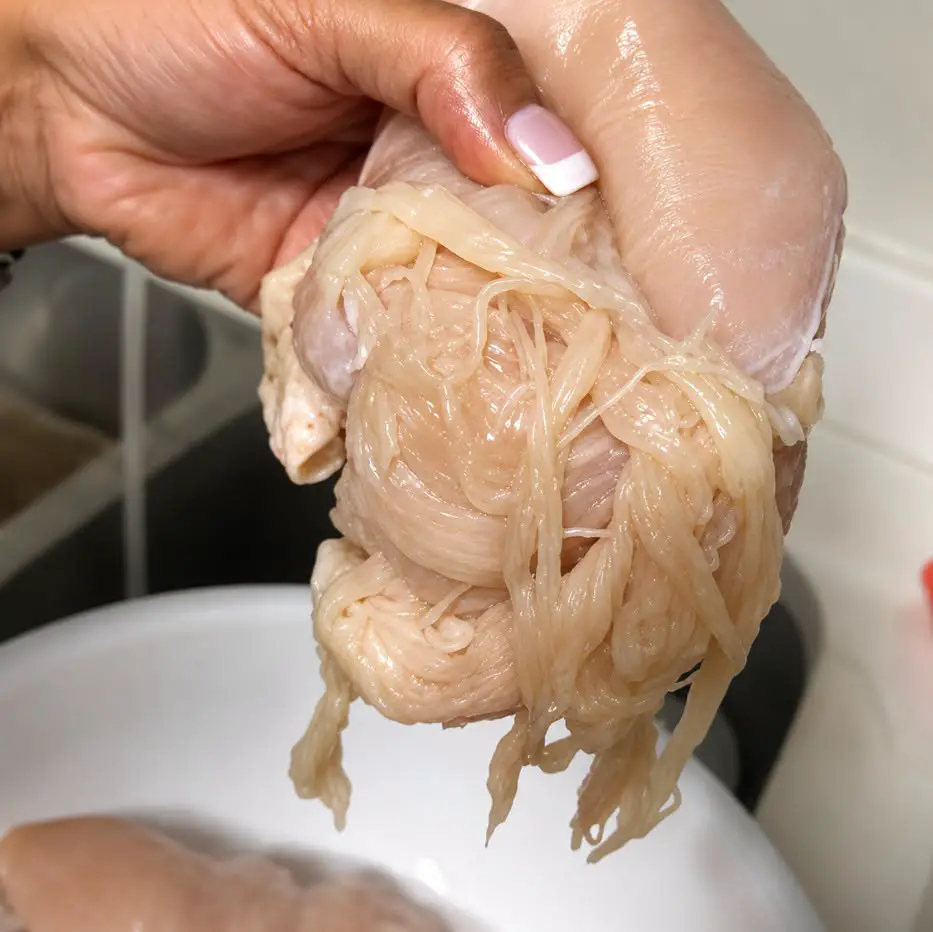
Many shoppers notice that certain packages release a significant amount of liquid when opened.
One reason is that poultry is commonly chilled after processing.
Depending on the production method, some chicken absorbs a small amount of water during chilling. In some cases, manufacturers may also add a solution containing water, salt, or flavorings to improve moisture and tenderness.
Labels generally indicate whether chicken contains retained water or added solutions.
Reading product labels carefully helps consumers understand exactly what they are purchasing and compare products more effectively.
Understanding Labels and Making Informed Choices
Walking through the poultry section can feel overwhelming. Packages display a variety of labels, each suggesting something different about how the chicken was raised. Knowing what these terms actually mean can help you choose products that match your priorities.
Common Chicken Labels Explained
Not every label means the same thing, and some are more strictly regulated than others.
Here are a few of the most common terms:
- Conventional Chicken: Raised using standard commercial farming practices. This is the most common type found in supermarkets.
- Organic: Chickens are raised according to certified organic standards, including organic feed and restrictions on antibiotic use. Requirements vary by country but generally include access to the outdoors.
- Free-Range: Birds must have some access to the outdoors, although the amount of time and the quality of outdoor space can vary significantly.
- Pasture-Raised: Typically indicates that birds spend much more time outdoors on pasture, though certification standards differ among organizations.
- Air-Chilled: Instead of being cooled in large water tanks, chickens are chilled using cold air. Many people believe this method produces firmer meat with less retained moisture.
Understanding these labels allows shoppers to compare products based on factors such as animal welfare, production methods, flavor preferences, and price.
Does More Expensive Mean Better?
Higher-priced chicken often reflects different production methods rather than guaranteed improvements in taste or nutrition.
Factors that can increase price include:
- Organic certification
- Slower-growing breeds
- Smaller farms
- Pasture access
- Air-chilling
- Higher labor costs
Some consumers notice differences in texture and flavor, while others find conventional chicken perfectly suitable for everyday cooking.
The best choice depends on your personal priorities, budget, and cooking needs.
Safe Handling and Cooking Matter Most
Regardless of how chicken is raised, proper food handling at home is one of the most important steps in preventing foodborne illness.
Safe Storage Tips
Fresh chicken should be refrigerated promptly after purchase.
To reduce the risk of bacterial growth:
- Refrigerate within two hours of purchase.
- Keep raw chicken on the lowest shelf to prevent leaks onto other foods.
- Store it in its original packaging or a sealed container.
- Freeze chicken if it won’t be used within one to two days.
- Thaw frozen chicken in the refrigerator, not on the kitchen counter.
Cross-contamination is another common concern.
Always:
- Wash hands thoroughly after handling raw poultry.
- Use separate cutting boards for raw meat and ready-to-eat foods.
- Clean knives, counters, and utensils with hot, soapy water after use.
Cook Chicken to a Safe Temperature
The appearance of cooked chicken isn’t always a reliable indicator of safety.
The most dependable method is using a food thermometer.
Chicken should reach an internal temperature of 165°F (74°C) before serving.
Insert the thermometer into the thickest part of the meat without touching bone.
Proper cooking destroys harmful bacteria such as Salmonella and Campylobacter, which are among the most common causes of foodborne illness associated with raw poultry.
By combining safe handling practices with informed purchasing decisions, consumers can enjoy chicken as a nutritious, affordable source of protein while better understanding how it reaches their dinner table.
Frequently Asked Questions
Is supermarket chicken safe to eat?
Yes. Chicken sold in supermarkets is generally safe to eat when it has been processed under food safety regulations and handled properly at home. The most important steps are keeping it refrigerated, avoiding cross-contamination, and cooking it to an internal temperature of 165°F (74°C).
Why does some chicken release so much liquid when opened?
The liquid is usually a combination of natural juices and moisture retained during processing. Some poultry is water-chilled, which can result in a small amount of absorbed water, while other products contain added solutions of water, salt, or seasonings. The packaging label should indicate if a solution has been added.
Does organic or free-range chicken taste different?
Many people believe organic, pasture-raised, or air-chilled chicken has a firmer texture and richer flavor, but taste is subjective. Cooking method, freshness, and seasoning often have a greater impact on flavor than the production method alone.
Should I wash raw chicken before cooking?
No. Food safety experts advise against washing raw chicken because it can spread bacteria through water droplets onto sinks, countertops, and nearby utensils. Proper cooking is sufficient to destroy harmful bacteria.
How can I choose better-quality chicken?
Read product labels carefully and consider what matters most to you. If animal welfare, environmental practices, or specific production methods are important, look for certifications such as organic or pasture-raised. If affordability is your priority, conventional chicken remains a nutritious option when handled and cooked safely.
Final Thoughts
The chicken found in most supermarkets is the result of a highly organized production system designed to provide a dependable, affordable source of protein for millions of households. Modern farming and processing methods have made chicken widely available year-round while maintaining food safety standards and consistent quality.
At the same time, consumers today have more choices than ever before. Labels such as organic, free-range, pasture-raised, and air-chilled offer alternatives for those who value different farming practices or prefer certain qualities in their food. Understanding what these labels mean allows shoppers to make decisions based on their own preferences rather than marketing alone.
No matter which type of chicken you choose, proper storage, careful handling, and thorough cooking remain the most important factors in ensuring a safe and enjoyable meal. Refrigerating poultry promptly, preventing cross-contamination, and using a food thermometer to verify an internal temperature of 165°F (74°C) are simple practices that significantly reduce the risk of foodborne illness.
Being an informed shopper doesn’t require suspicion of every product on the shelf. Instead, it means understanding how food is produced, reading labels carefully, and making choices that fit your budget, values, and nutritional needs. With accurate information and safe kitchen habits, you can confidently include chicken as part of a balanced, healthy diet.