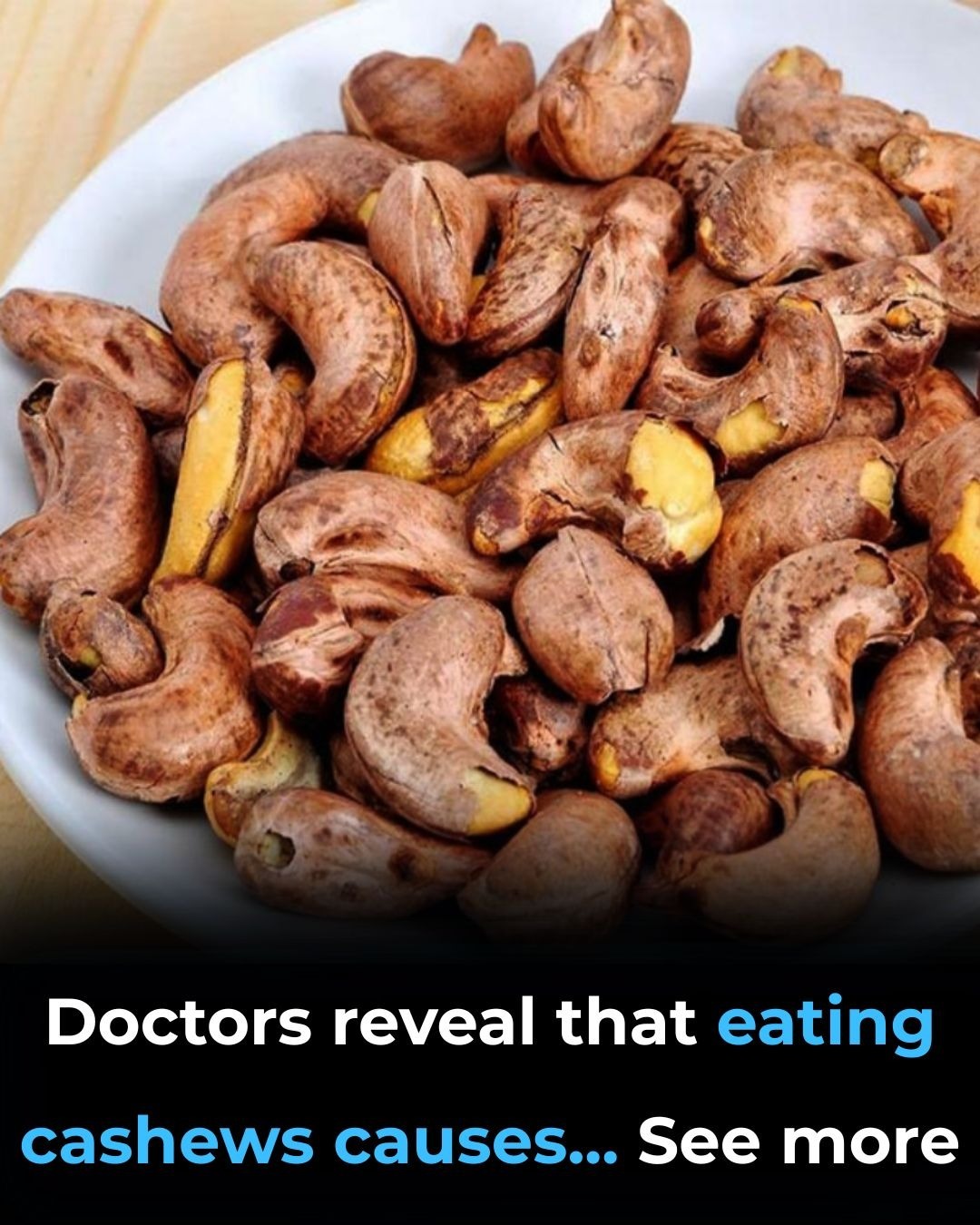
Cashews are one of the most popular snack foods in the world. They’re creamy, slightly sweet, packed with nutrients, and found in everything from trail mix to dairy-free sauces and desserts. Yet every few months, alarming headlines begin circulating online claiming that eating cashews causes dangerous health problems.
Some articles warn about kidney stones. Others claim cashews cause inflammation, rapid weight gain, digestive issues, or even hidden toxins. These dramatic claims spread quickly because they trigger fear around foods many people eat regularly.
The truth, however, is far more balanced.
For most healthy adults, cashews are considered a nutritious food that can support heart health, energy levels, and overall wellness when eaten in moderation. Like any food, though, they may not be ideal for everyone, especially people with certain medical conditions or allergies.
Understanding the real science behind cashews helps separate internet myths from evidence-based facts.
What Exactly Are Cashews?
Cashews come from the cashew tree, which grows mainly in tropical climates.
Interestingly, the cashew nut technically grows outside the fruit, attached to the bottom of something called the “cashew apple.” After harvesting, the shells are carefully processed because raw cashew shells contain irritating compounds related to poison ivy.
That surprises many people because store-bought “raw” cashews are not truly raw. They are steamed or heat-treated to remove harmful oils before becoming safe to eat.
Once processed, cashews become one of the most nutrient-dense nuts available.
Nutritional Value of Cashews
A single serving of cashews, about one ounce or roughly 18 nuts, contains:
- healthy fats
- plant-based protein
- magnesium
- zinc
- iron
- copper
- phosphorus
- antioxidants
- fiber
They also contain fewer fats than some other nuts while still providing satisfying texture and flavor.
Because of this nutrient profile, many dietitians consider cashews a smart snack when portion sizes stay reasonable.
Why Cashews Became So Popular
Cashews are extremely versatile.
People use them in:
- snack mixes
- nut butters
- vegan cheeses
- creamy sauces
- curries
- stir-fries
- desserts
- protein bowls
- salads
Their creamy texture makes them especially popular in plant-based cooking because blended cashews create rich, dairy-like consistency without milk or cream.
The Biggest Health Benefits of Eating Cashews
Heart Health Support
Cashews contain mostly unsaturated fats, which are considered healthier fats.
These fats may help:
- improve cholesterol balance
- support blood vessel health
- reduce cardiovascular risk
Research consistently shows that moderate nut consumption is associated with better heart health overall.
Magnesium for Muscles and Nerves
Cashews are rich in magnesium, a mineral involved in hundreds of body functions.
Magnesium supports:
- muscle contraction
- nerve communication
- sleep regulation
- blood pressure control
- energy production
Many adults do not get enough magnesium through diet alone.
Plant-Based Protein
Cashews provide protein that helps:
- maintain muscle
- support metabolism
- improve satiety
- reduce hunger between meals
While not a complete protein source alone, they contribute valuable nutrition to balanced diets.
Antioxidant Protection
Cashews contain antioxidants such as:
- polyphenols
- carotenoids
These compounds help combat oxidative stress in the body.
Oxidative stress contributes to aging and many chronic diseases.
Blood Sugar Stability
Because cashews contain healthy fats, protein, and fiber, they digest slowly and may help stabilize blood sugar levels.
This makes them more satisfying than highly processed snack foods.
Do Cashews Cause Weight Gain?
One of the most common fears about cashews is weight gain.
This concern exists because nuts are calorie-dense.
A small serving of cashews contains roughly:
- 150–170 calories
- healthy fats
- concentrated nutrients
However, studies repeatedly show that moderate nut consumption is not strongly associated with obesity.
Why?
Because nuts tend to:
- increase fullness
- reduce overeating later
- replace less nutritious snacks
People usually run into problems when:
- eating directly from large containers
- consuming heavily salted or flavored varieties
- combining nuts with excess sugar and processed foods
Portion control matters more than avoiding cashews entirely.
The Truth About Cashews and Kidney Stones
This is one area where some caution is reasonable.
Cashews contain oxalates, naturally occurring compounds found in many healthy foods.
In certain people, excess oxalates may contribute to calcium oxalate kidney stones.
However, this mainly affects people who:
- already have a history of kidney stones
- follow high-oxalate diets
- have low fluid intake
For most healthy individuals, normal portions of cashews are not dangerous.
Hydration plays a major role in reducing stone risk.
People prone to kidney stones may benefit from:
- limiting portion sizes
- drinking more water
- pairing oxalate foods with calcium-rich foods
Cashews and Inflammation
Internet claims often suggest cashews “cause inflammation.”
Scientific evidence does not strongly support this for most people.
In fact, nuts are often associated with anti-inflammatory dietary patterns.
However, problems can occur when:
- nuts are heavily processed
- coated in sugar or unhealthy oils
- consumed in excessive amounts
Whole, minimally processed cashews generally fit well into balanced diets.
Allergic Reactions: The Most Serious Risk
The biggest genuine concern involving cashews is allergy.
Cashew allergies can be severe and potentially life-threatening.
Symptoms may include:
- itching
- swelling
- hives
- breathing difficulty
- vomiting
- anaphylaxis
Anyone with known tree nut allergies should avoid cashews unless specifically cleared by an allergist.
Unlike some internet myths, allergies are a legitimate medical concern.
Are “Raw” Cashews Dangerous?
This surprises many people.
True raw cashews naturally contain urushiol, the same irritating chemical found in poison ivy.
Eating truly raw cashews could irritate skin and tissues.
Fortunately, commercial “raw” cashews sold in stores are heat-treated to remove these compounds safely.
This makes grocery store cashews safe for normal consumption.
Cashews and Digestive Health
Cashews contain fiber and healthy fats that may support digestion.
However, large amounts can sometimes cause:
- bloating
- stomach discomfort
- gas
This usually happens when people suddenly increase nut intake dramatically.
Eating moderate portions and drinking enough water typically prevents problems.
Salted vs Unsalted Cashews
Not all cashews are nutritionally equal.
Heavily salted varieties may contribute excess sodium, especially in people with:
- high blood pressure
- heart disease
- kidney conditions
Unsalted or lightly salted cashews are usually healthier choices.
Roasted cashews without excessive additives are also widely recommended.
Cashew Butter: Healthy or Not?
Cashew butter has become increasingly popular.
It offers:
- creamy texture
- healthy fats
- protein
- versatility
However, some commercial products contain:
- added sugars
- hydrogenated oils
- excess sodium
Reading labels matters.
Natural cashew butter with minimal ingredients is usually the best option.
How Many Cashews Should You Eat Per Day?
Moderation remains important.
Most nutrition experts recommend:
- about one ounce daily
- approximately 18 cashews
This provides nutritional benefits without excessive calories.
Eating entire bags regularly can easily push calorie intake too high.
Who Should Be Careful With Cashews?
Certain groups may need extra caution.
People With Kidney Stone History
Oxalate intake may need monitoring.
Individuals With Tree Nut Allergies
Avoid entirely unless medically advised otherwise.
People Managing Weight
Measure portions carefully.
Those on Low-Oxalate Diets
Consult healthcare providers or dietitians.
Are Cashews Better Than Other Nuts?
Different nuts offer different nutritional strengths.
For example:
- almonds contain more fiber
- walnuts contain more omega-3 fats
- pistachios contain fewer calories per serving
- cashews provide excellent magnesium and copper
No single nut is “perfect.”
Variety often provides the best nutritional balance.
Cashews in Plant-Based Diets
Cashews are especially useful for vegetarian and vegan diets because they:
- add creaminess
- supply protein
- contain iron and zinc
- improve satiety
They’re commonly blended into:
- vegan cheese
- dairy-free cream sauces
- soups
- desserts
The Internet’s Fear of Foods
Many viral nutrition headlines rely on exaggeration.
Articles claiming foods are “toxic” or “dangerous” often remove important context.
Nearly any food can become problematic:
- in extreme amounts
- with allergies
- under specific medical conditions
That does not make the food inherently harmful.
Cashews are a perfect example of this misunderstanding.
Smart Ways to Enjoy Cashews
Healthy ideas include:
- mixing with fruit
- adding to oatmeal
- sprinkling on salads
- blending into sauces
- pairing with yogurt
- eating small snack portions
Mindful eating matters more than fear-based restrictions.
Signs You May Be Eating Too Many Cashews
Excessive intake may lead to:
- unwanted weight gain
- digestive discomfort
- excessive sodium intake from salted versions
- calorie overload
Balance remains the key.
Final Thoughts
Cashews do not deserve the fear-driven reputation they sometimes receive online.
For most people, they are a nutritious, satisfying food rich in healthy fats, minerals, antioxidants, and plant-based protein.
Yes, some individuals should be cautious:
- those with tree nut allergies
- people prone to kidney stones
- anyone needing low-oxalate diets
But for the average healthy adult, moderate cashew consumption is generally considered safe and beneficial.
The real lesson is not that cashews are dangerous.
It’s that health information online often becomes distorted when context disappears.
No single food determines your health alone.
Long-term wellness comes from balance, moderation, hydration, movement, and overall dietary patterns — not from fearing a handful of cashews.