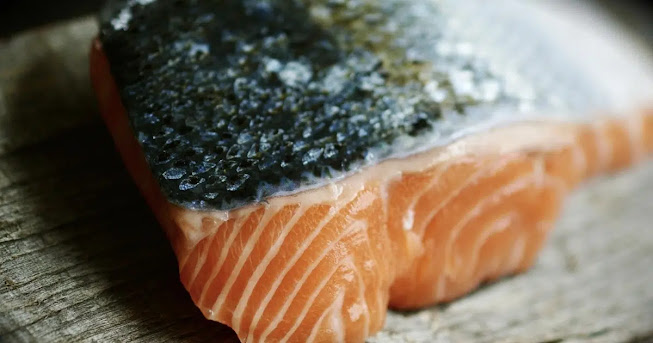
When a beautifully cooked salmon fillet arrives at the table, many people automatically do the same thing: peel off the skin, push it to the side of the plate, and eat only the pink flesh.
But is salmon skin actually something you should discard?
For most people, properly prepared salmon skin is edible. When cooked until crisp, it can also be one of the most flavorful parts of the fillet.
There are, however, a few things worth knowing about nutrition, sourcing, preparation, and food safety before you start eating it regularly.
Is Salmon Skin Safe to Eat?
In general, yes.
Salmon skin is edible and is commonly served in restaurants around the world. The important considerations are essentially the same ones that apply to eating the rest of the fish: where the salmon came from, how it was handled, and whether it was prepared safely.
The skin shouldn’t smell unusually unpleasant or appear spoiled. If you’re buying packaged salmon, follow its storage instructions and use-by date.
When you’re uncertain about the quality or origin of a fish, don’t assume that cooking the skin makes questionable fish safe to eat.
Is Salmon Skin Nutritious?
Salmon is well known for its nutritional profile, particularly its protein and omega-3 fatty acids.
The skin and the layer of fat immediately beneath it can contain beneficial fats, so removing the skin may mean leaving some of those behind.
Salmon also provides nutrients such as:
- Protein
- Omega-3 fatty acids
- Vitamin D
- Vitamin B12
- Selenium
The exact nutritional content varies according to the species, diet, origin, and preparation method.
So while salmon skin isn’t a magical “superfood,” it can certainly be part of a nutritious salmon meal.
What About Omega-3 Fatty Acids?
Omega-3 fatty acids are among the main reasons fatty fish such as salmon are recommended as part of many balanced diets.
Two particularly important marine omega-3s are EPA and DHA.
These fats are associated with normal cardiovascular and neurological functions, among other roles in the body.
Some fat remains around and underneath the salmon’s skin, which is another reason you don’t necessarily need to remove it before eating the fish.
What About Contaminants?
This is where claims about salmon skin sometimes become exaggerated.
Fish can be exposed to environmental contaminants, and the amount depends on factors including species, location, age, diet, and whether the fish is wild or farmed.
Certain persistent pollutants can accumulate in fatty tissues.
That doesn’t mean salmon skin is automatically dangerous, nor does it mean that salmon from one particular region is always contaminant-free.
The better approach is to buy seafood from reputable suppliers and follow fish-consumption guidance issued by health authorities where you live—particularly if you eat fish frequently.
Mercury and Salmon
Mercury is another concern people often associate with seafood.
However, salmon generally contains less mercury than large predatory fish such as shark, swordfish, king mackerel, and certain tuna species.
That’s partly because large predators can accumulate mercury as they consume smaller organisms throughout their lives.
Nevertheless, recommendations can vary by location and population group, so official local seafood guidance remains useful.
How to Get Crispy Salmon Skin
The difference between delicious salmon skin and unpleasant salmon skin often comes down to one thing:
Moisture.
Wet skin tends to steam instead of crisp.
Here’s a simple method.
Step 1: Pat the Skin Very Dry
Use clean paper towels to thoroughly dry the surface.
Removing excess moisture helps the skin make better contact with the hot pan and promotes browning.
Step 2: Season Simply
Salt is often enough.
You can add pepper or other seasonings according to your preference, although some cooks avoid putting certain seasonings directly on the skin because they can burn during searing.
Step 3: Heat the Pan
Use a suitable skillet over medium to medium-high heat with a small amount of cooking oil appropriate for the temperature you’re using.
The pan should be hot before the salmon goes in.
Step 4: Start Skin-Side Down
Place the salmon in the pan skin-side down.
The fillet may initially curl slightly as it hits the heat. Using a spatula to apply gentle pressure briefly can help keep the skin in contact with the pan.
Don’t continuously press the fish.
Step 5: Let the Skin Cook
Avoid moving the salmon constantly.
Giving the skin uninterrupted contact with the pan allows it to become browned and crisp.
Once the salmon has cooked substantially from the skin side, turn it and finish cooking the flesh side as needed.
Why Does My Salmon Skin Turn Rubbery?
Rubbery salmon skin usually results from excess moisture or insufficient crisping.
Common causes include:
- Putting wet salmon directly into the pan
- Starting with a pan that isn’t hot enough
- Crowding the pan
- Moving the fish repeatedly
- Cooking primarily on the flesh side
- Allowing steam to accumulate
Drying the skin thoroughly before cooking can make an enormous difference.
Should You Remove the Scales?
Salmon sold as fillets may still have some scales attached.
Although scales aren’t necessarily dangerous, they can create an unpleasant texture.
Run your fingers carefully over the skin before cooking. If scales remain, they can be removed with an appropriate fish scaler or by asking your fishmonger to scale the salmon for you.
What About Baking or Air-Frying Salmon?
You don’t necessarily need a frying pan to enjoy the skin.
Salmon can also be baked or prepared in an air fryer according to the appliance and recipe instructions.
For crispier results, keeping the skin dry and avoiding excess moisture remains important.
Cooking methods and times vary considerably with fillet thickness and equipment, so check doneness rather than relying solely on a timer.
A Food-Safety Reminder
Seafood is perishable.
Keep raw salmon refrigerated appropriately, avoid cross-contamination between raw fish and ready-to-eat foods, wash your hands and utensils after handling it, and follow appropriate cooking guidance.
People who are pregnant, immunocompromised, very young, or older may need to take additional precautions with raw or undercooked seafood.
When Might You Want to Skip the Skin?
You may prefer not to eat salmon skin if:
- You simply dislike its texture
- The skin hasn’t been properly cleaned or scaled
- The fish’s source or freshness is questionable
- Your healthcare professional has advised you to follow specific seafood restrictions
And, of course, there’s nothing nutritionally disastrous about removing it. Salmon flesh itself remains highly nutritious.
The Bottom Line
Yes, salmon skin is generally edible, and you don’t automatically need to throw it away.
It can provide additional flavor and contains some of the beneficial fats associated with salmon.
The secret is preparation.
Start with good-quality salmon, dry the skin thoroughly, season it simply, and give it enough direct heat to become crisp rather than rubbery.
Once you’ve tasted salmon with properly crisped, golden skin, you may find that the part you used to leave on the plate becomes the part you look forward to most.