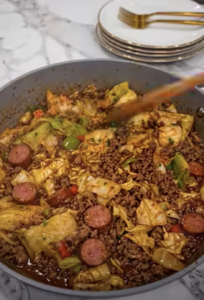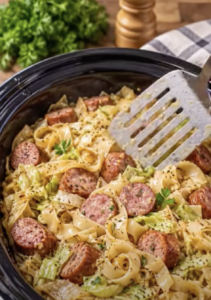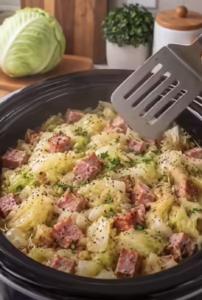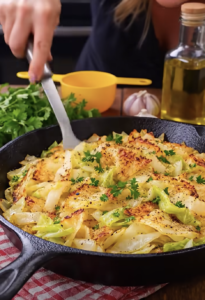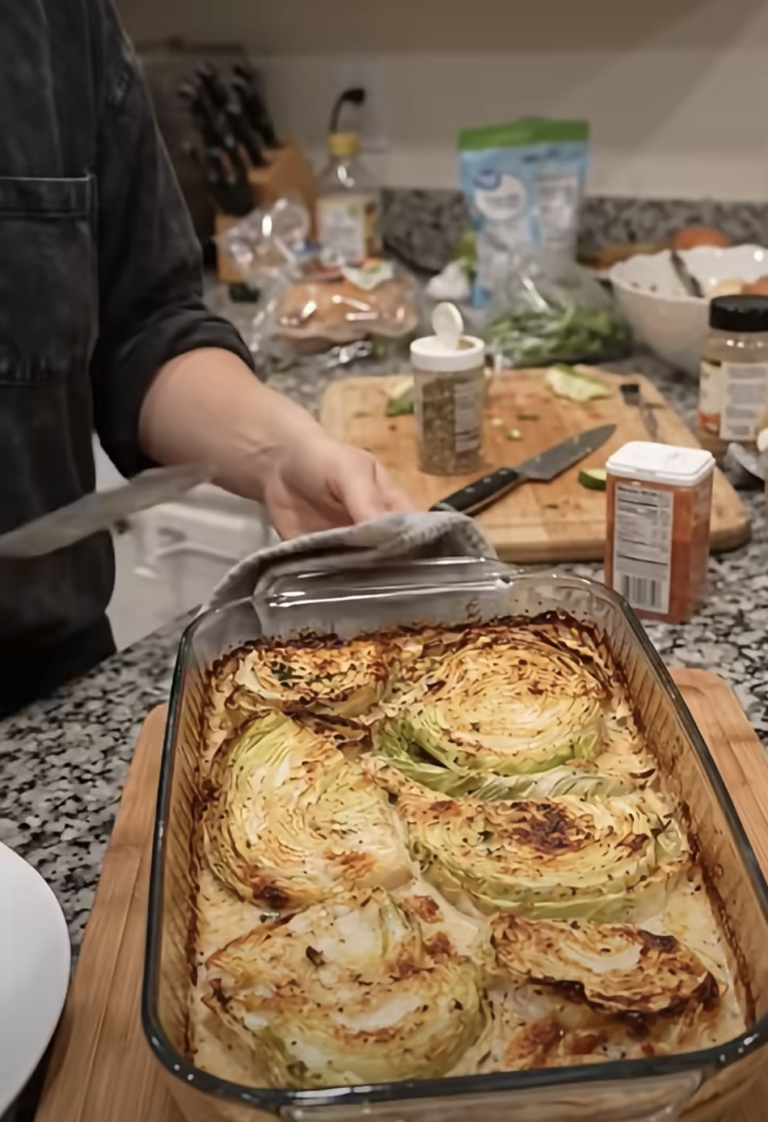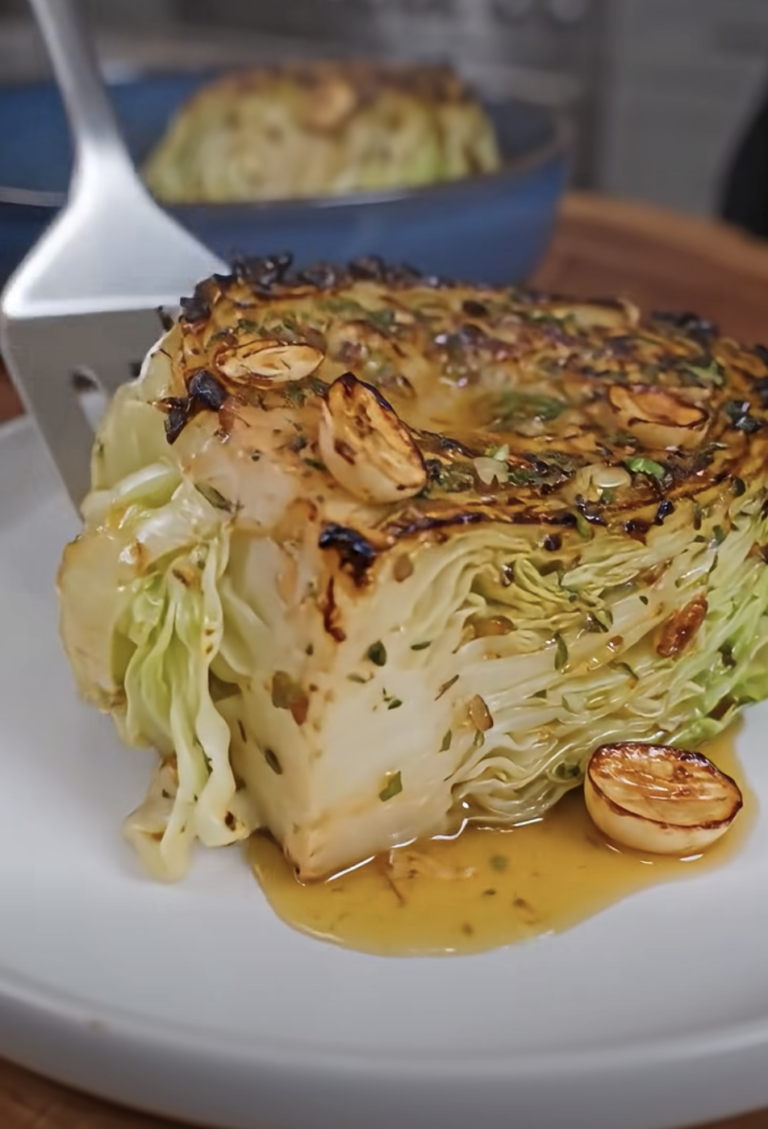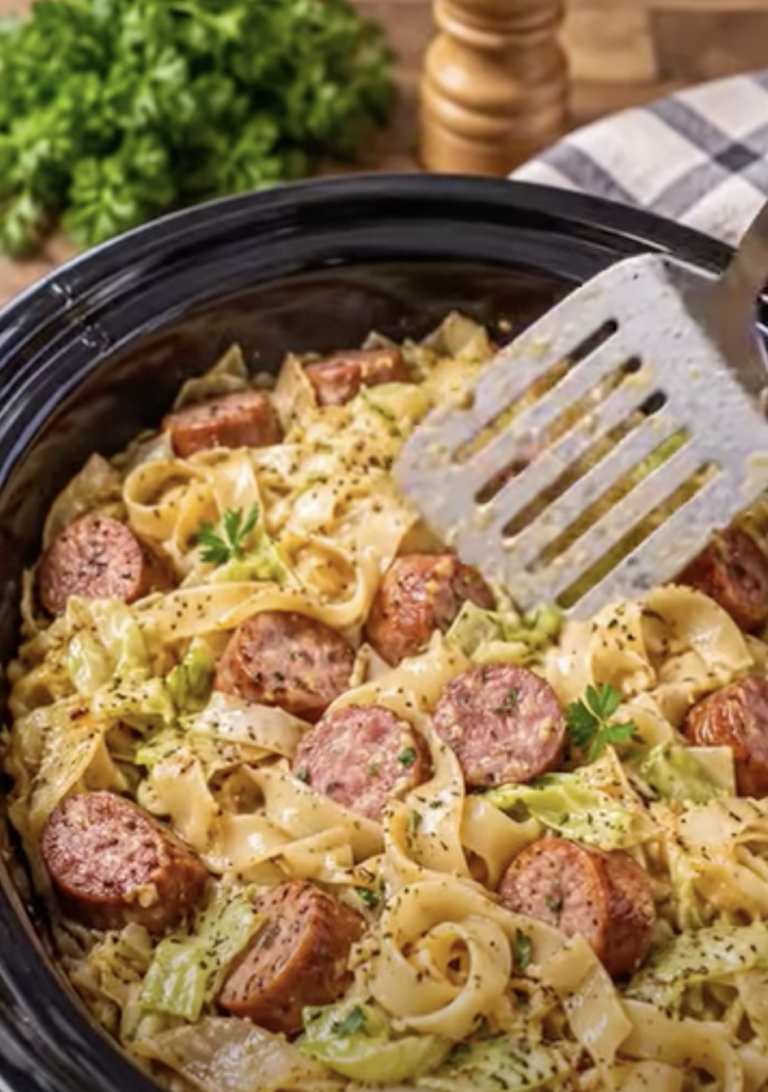
Buttery Pan-Fried Cabbage & Egg Noodles (Haluski Style) combines tender egg noodles, golden sautéed cabbage, sweet onions, and rich melted butter into one incredibly comforting dish. This simple skillet recipe transforms affordable ingredients into a satisfying meal with delicious homemade flavor.
The secret lies in slowly cooking the cabbage and onions until their natural sweetness develops. Meanwhile, the butter coats every strand of egg noodle, creating a silky texture without a heavy cream sauce.
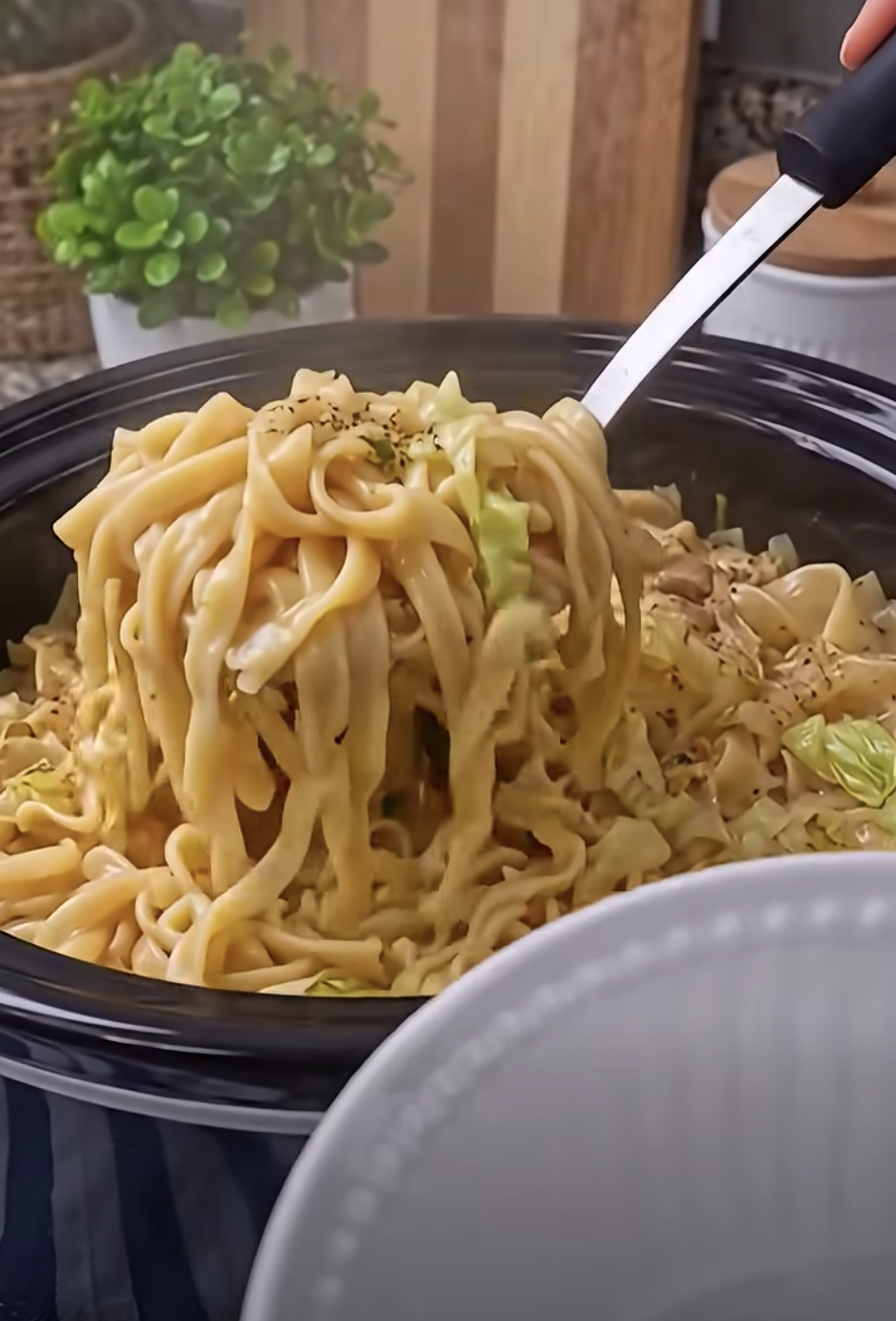
Buttery Pan-Fried Cabbage & Egg Noodles (Haluski Style) – Easy Comfort Food Recipe
Ingredients
Equipment
Method
- Remove damaged outer leaves from the cabbage. Rinse, dry, core, and slice into 1/2-inch strips. Thinly slice the onion and mince the garlic.
- Bring a large pot of salted water to a boil. Cook the wide egg noodles according to package instructions until al dente. Reserve 1/4 cup of cooking water, then drain.
- Heat 2 tablespoons of butter and 2 tablespoons of olive oil in a large deep skillet over medium heat. Add the sliced onion and sauté for 6–8 minutes until soft and golden.
- Add the minced garlic and cook for approximately 30 seconds until fragrant.
- Add the sliced cabbage in two batches, allowing the first batch to wilt slightly. Season with salt, black pepper, garlic powder, onion powder, sweet paprika, and optional caraway seeds or red pepper flakes.
- Cook the cabbage over medium heat for 10–15 minutes, stirring occasionally, until tender and lightly caramelized. Add 2 tablespoons of butter and optional apple cider vinegar. Stir gently.
- Add the drained egg noodles and remaining 2 tablespoons of butter to the skillet. Toss gently over medium-low heat for 3–5 minutes until heated through.
- If the noodles appear dry, add reserved noodle cooking water 1 tablespoon at a time. Toss until evenly coated and glossy.
- Turn off the heat and allow the dish to rest for 2 minutes. Garnish with chopped parsley, adjust seasoning, and serve warm.
Notes
Whether you need a cozy family dinner, an affordable meatless meal, or a hearty side dish, this buttery cabbage and noodles recipe offers a wonderful combination of simplicity and flavor.
I started appreciating dishes like this when I needed filling dinners that didn’t require a long grocery list. One evening, I had half a cabbage, a bag of egg noodles, and a few basic pantry seasonings. I sautéed the cabbage with onions and plenty of butter, then tossed everything together in a large skillet. The result surprised me. The cabbage developed sweet, golden edges, while the noodles soaked up the buttery flavor. Even family members who usually avoided cabbage asked for seconds. Since then, this comforting combination has become a reliable choice whenever I want something warm, satisfying, and easy to prepare.
Why You’ll Love Buttery Pan-Fried Cabbage & Egg Noodles
A Classic Haluski-Style Comfort Food With Simple Ingredients
Buttery Pan-Fried Cabbage & Egg Noodles takes inspiration from haluski, a comforting cabbage and noodle dish with strong connections to Central and Eastern European cooking traditions.
Many families prepare their own versions using cabbage, onions, butter, and noodles. Some traditional variations feature homemade dumplings, while American-style versions commonly use wide egg noodles.
This recipe celebrates that familiar combination while adding garlic, paprika, and optional seasonings for extra flavor.
One of its greatest advantages is affordability. Cabbage, onions, and dried egg noodles cost relatively little, yet they create a filling meal that easily serves four people.
Additionally, the recipe requires only one large skillet and a pot for boiling the noodles. You won’t need complicated equipment or advanced cooking skills.
The preparation also fits comfortably into a busy schedule.
Prep time
15 min
Cook time
30 min
Total time
47 min
Yield
4 generous servings
You can serve Buttery Pan-Fried Cabbage & Egg Noodles as a meatless main course or pair it with roasted meats, sausage, or chicken.
Furthermore, the dish tastes delicious the following day, making it useful for meal preparation.
Unlike rich casseroles that rely on cream and large amounts of cheese, this recipe develops flavor through sautéing, caramelization, and simple seasoning.
The result feels hearty without requiring a complicated sauce.
How Butter, Cabbage, and Egg Noodles Create Amazing Flavor
The appeal of Buttery Pan-Fried Cabbage & Egg Noodles comes from the way a few basic ingredients complement each other.
Cabbage develops a mellow sweetness as it cooks. Initially, the leaves have a firm texture and a slightly sharp flavor. However, heat softens the cabbage and encourages browning along the edges.
Onions contribute additional sweetness, especially when you sauté them until golden.
Butter adds richness and helps carry the flavors throughout the dish. Meanwhile, olive oil supports the sautéing process and helps distribute heat across the vegetables.
Wide egg noodles provide a tender, satisfying base. Their broad surfaces catch the butter and seasonings, so every bite tastes flavorful.
Garlic, black pepper, and paprika add savory depth without overpowering the vegetables.
For an extra traditional-inspired touch, caraway seeds contribute an earthy, slightly nutty flavor that pairs especially well with cabbage.
A splash of apple cider vinegar can also brighten the finished dish.
Together, these ingredients create a comforting balance of sweetness, richness, and savory flavor.
Choosing the Best Ingredients for Haluski-Style Cabbage and Noodles
Best Cabbage, Egg Noodles, and Butter to Use
Choosing the right ingredients helps Buttery Pan-Fried Cabbage & Egg Noodles develop its signature texture and flavor.
Start with a medium head of green cabbage weighing approximately 2 pounds.
Green cabbage works especially well because its sturdy leaves soften during cooking while maintaining enough structure for a satisfying bite.
Choose a cabbage that feels heavy for its size and has tightly packed leaves. Avoid heads with extensive brown spots, slimy areas, or a strong unpleasant odor.
Remove any damaged outer leaves, rinse the cabbage, and dry it thoroughly.
Next, cut the cabbage into strips approximately ½ inch wide. This size allows the leaves to soften evenly while developing golden edges.
For the noodles, choose 12 ounces of wide egg noodles.
Wide noodles work particularly well because they provide a substantial texture and hold the buttery coating.
You can use extra-wide egg noodles if you prefer larger bites. However, thinner noodles may soften more quickly when you toss them with the hot cabbage.
Butter plays another important role.
This recipe uses 6 tablespoons of unsalted butter, divided throughout the cooking process.
Unsalted butter gives you better control over the final seasoning, especially when you add salt and other spices.
For a richer taste, choose good-quality butter with a fresh, creamy aroma.
The combination of butter and olive oil creates a flavorful cooking base while helping the vegetables sauté evenly.
Seasonings That Make Cabbage and Noodles More Flavorful
Although traditional cabbage and noodles often rely on simple salt and pepper, a few additional seasonings can enhance Buttery Pan-Fried Cabbage & Egg Noodles.
Fresh garlic adds a warm, savory aroma. Mince the cloves finely so they distribute evenly throughout the cabbage.
Garlic powder reinforces that flavor, while onion powder complements the natural sweetness of the sautéed onions.
Sweet paprika adds subtle warmth and a pleasant golden color.
Freshly ground black pepper contributes a gentle bite that balances the richness of the butter.
If you enjoy classic Central European flavors, add caraway seeds. Their distinctive earthy taste pairs naturally with cabbage.
For a slightly spicy variation, sprinkle in crushed red pepper flakes.
You can also add apple cider vinegar near the end of cooking. Its mild acidity cuts through the buttery richness and makes the vegetables taste brighter.
However, use the vinegar sparingly. One tablespoon provides enough tang without turning the dish sour.
Finally, fresh parsley adds color and a light herbal finish.
Because cabbage absorbs seasoning as it cooks, taste the mixture before adding the noodles. Then adjust the salt and pepper after combining everything.
This approach helps create a well-seasoned dish without making it overly salty.
How to Make Buttery Pan-Fried Cabbage & Egg Noodles Perfectly
Cooking the Cabbage Until Tender and Golden
The most important step in Buttery Pan-Fried Cabbage & Egg Noodles involves sautéing the cabbage properly.
Begin by preparing all your vegetables before heating the skillet.
Remove the cabbage core, slice the leaves into even strips, thinly slice the onion, and mince the garlic.
Next, heat 2 tablespoons of butter with 2 tablespoons of olive oil in a large, deep skillet over medium heat.
Add the sliced onion and cook for approximately 6–8 minutes.
Stir occasionally until the onion softens and develops a light golden color.
Then add the minced garlic and cook for another 30 seconds.
Garlic burns quickly, so keep it moving and avoid excessive heat.
Add the sliced cabbage in two batches. The first batch will begin to wilt, creating room for the remaining cabbage.
Sprinkle the salt, black pepper, garlic powder, onion powder, paprika, and optional spices over the vegetables.
Toss gently to distribute the seasonings.
Continue cooking for 10–15 minutes, stirring occasionally.
For better browning, allow the cabbage to remain undisturbed for short intervals. This helps the edges develop a golden color.
If your skillet feels overcrowded, cook the cabbage in batches rather than steaming everything at once.
Once the cabbage becomes tender and lightly caramelized, add another 2 tablespoons of butter.
Stir until the butter melts and coats the vegetables.
If desired, finish with apple cider vinegar for a brighter flavor.
Combining the Egg Noodles Without Making Them Mushy
Perfectly cooked noodles make a noticeable difference in Buttery Pan-Fried Cabbage & Egg Noodles.
Bring a large pot of salted water to a rolling boil.
Add the wide egg noodles and cook according to the package instructions until al dente.
The noodles should feel tender but retain a slight firmness because they will continue warming in the skillet.
Before draining, reserve ¼ cup of the cooking water.
This starchy water helps loosen the butter coating if the finished dish becomes too dry.
Drain the noodles thoroughly, but avoid rinsing them. Their remaining surface starch helps the buttery mixture cling to them.
Next, add the drained noodles to the skillet with the golden cabbage and onions.
Add the remaining 2 tablespoons of butter.
Gently toss everything over medium-low heat for approximately 3–5 minutes.
Use a large spoon or tongs to lift and fold the noodles rather than stirring aggressively.
If the mixture appears dry, add a tablespoon of reserved noodle water at a time.
The goal is a glossy, lightly coated noodle mixture rather than a watery sauce.
Once everything becomes hot and evenly combined, turn off the heat.
Allow the dish to rest for approximately 2 minutes.
Finally, sprinkle with fresh parsley and serve warm.
Serving Ideas, Variations, and Storage Tips
Delicious Ways to Customize Haluski-Style Noodles
Buttery Pan-Fried Cabbage & Egg Noodles tastes wonderful on its own, but you can easily adapt it to different meals and preferences.
For a complete vegetarian dinner, serve the noodles with a crisp cucumber salad, roasted carrots, or sautéed mushrooms.
The fresh vegetables provide contrast to the rich butter and tender cabbage.
If you prefer a heartier meal, add cooked kielbasa, smoked sausage, or crispy bacon.
These ingredients introduce smoky, savory flavors that complement the sweet cabbage.
You can also add cooked shredded chicken for extra protein.
For a traditional-inspired variation, keep the seasonings simple and focus on butter, cabbage, onion, salt, and black pepper.
Other delicious variations include:
- Mushroom haluski: Add 8 ounces of sliced mushrooms while sautéing the onions.
- Bacon cabbage noodles: Cook 4–6 slices of bacon until crisp, then sprinkle the pieces over the finished dish.
- Spicy cabbage noodles: Increase the crushed red pepper flakes to 1 teaspoon.
- Extra buttery noodles: Stir in an additional tablespoon of butter just before serving.
- Garlic lover’s version: Increase the fresh garlic to 5 cloves.
- Lighter version: Reduce the butter slightly and use a little extra olive oil.
For extra freshness, finish the dish with chopped parsley or a squeeze of lemon juice.
Although the recipe uses egg noodles, you can also experiment with other pasta shapes. Bow ties and broad ribbon pasta work especially well.
However, keep the noodles slightly firm so they maintain their texture during the final skillet toss.
How to Store and Reheat Leftover Cabbage and Noodles
Buttery Pan-Fried Cabbage & Egg Noodles makes excellent leftovers when you store and reheat it correctly.
Allow the dish to cool briefly, then transfer it into shallow airtight containers.
Refrigerate the leftovers within two hours of cooking.
You can store the noodles in the refrigerator for approximately 3–4 days.
For the best texture, reheat the dish in a skillet rather than boiling it again.
Add a small amount of butter or olive oil to the pan, then warm the noodles over medium-low heat.
Stir gently until everything heats evenly.
If the noodles seem dry, add a tablespoon or two of water or broth.
You can also reheat individual portions in the microwave. Cover loosely and heat in short intervals, stirring between each interval.
Reheat leftovers thoroughly to 165°F.
Freezing is possible, although the noodles may become softer after thawing.
For best quality, freeze portions in airtight containers for up to 2 months.
Thaw overnight in the refrigerator before reheating.
If you want to prepare the recipe ahead of time, slice the cabbage and onion up to a day in advance. Store them separately in airtight containers in the refrigerator.
You can also measure the seasonings ahead of time.
For the freshest texture, cook the noodles shortly before combining them with the sautéed cabbage.
Ingredients
4 servings
15-minute prep
47-minute total
Noodle Base
- 12 oz wide egg noodles
- ¼ cup reserved noodle cooking water, as needed
Butter-Sautéed Vegetables
- 1 medium head green cabbage (approximately 2 lbs), cored and sliced into ½-inch strips
- 1 large yellow onion, thinly sliced
- 3 cloves garlic, finely minced
- 6 tbsp unsalted butter, divided into three 2-tablespoon portions
- 2 tbsp extra virgin olive oil
Seasoning Blend
- 1 tsp salt
- 1 tsp freshly ground black pepper
- ½ tsp garlic powder
- ½ tsp onion powder
- ½ tsp sweet paprika
- 1 tsp caraway seeds, optional
- ½ tsp crushed red pepper flakes, optional
- 1 tbsp apple cider vinegar, optional
Finishing and Garnish
– 2 tbsp fresh parsley, finely chopped, optional
Instructions
- Prepare the vegetables. Remove any damaged outer cabbage leaves, rinse and dry the cabbage, remove the core, and slice into ½-inch strips. Thinly slice the onion and mince the garlic.
- Cook the egg noodles. Bring a large pot of salted water to a boil. Cook the wide egg noodles according to package directions until al dente. Reserve ¼ cup of cooking water, then drain.
- Sauté the onions. Heat 2 tablespoons of butter and 2 tablespoons of olive oil in a large deep skillet over medium heat. Add the onion and cook for 6–8 minutes until soft and lightly golden.
- Add the garlic. Stir in the minced garlic and cook for approximately 30 seconds until fragrant.
- Add the cabbage and seasonings. Add the cabbage in two batches, allowing the first batch to wilt slightly. Sprinkle with salt, black pepper, garlic powder, onion powder, paprika, and optional caraway seeds or red pepper flakes.
- Caramelize the cabbage. Cook over medium heat for 10–15 minutes, stirring occasionally, until tender with golden edges. Add 2 tablespoons of butter and the optional apple cider vinegar. Stir gently.
- Combine the noodles. Add the drained egg noodles and remaining 2 tablespoons of butter to the skillet. Toss gently over medium-low heat for 3–5 minutes.
- Adjust the texture. Add reserved noodle cooking water, 1 tablespoon at a time, if the mixture appears dry. Toss until the noodles look glossy and evenly coated.
- Rest and serve. Turn off the heat and let the noodles rest for 2 minutes. Sprinkle with chopped parsley, adjust seasoning if needed, and serve warm.
Frequently Asked Questions
1. What is haluski, and where does it come from?
Haluski refers to cabbage-and-noodle or cabbage-and-dumpling dishes associated with Central and Eastern European food traditions. Different regions and families prepare their own versions. In many American kitchens, haluski commonly features sautéed cabbage, onions, butter, and wide egg noodles.
2. Can I make Buttery Pan-Fried Cabbage & Egg Noodles ahead of time?
Yes. You can prepare the cabbage and onions ahead of time and refrigerate them for up to 2 days. When you’re ready to serve, cook fresh egg noodles, reheat the cabbage mixture, and toss everything together with butter. This method helps maintain the best noodle texture.
3. Can I use red cabbage instead of green cabbage?
Yes, but red cabbage changes the appearance and flavor of the finished dish. It has a slightly earthier taste and can turn the noodles purple. Green cabbage remains the best choice for a classic haluski-style appearance and mild, sweet flavor.
4. How do I keep cabbage from becoming soggy?
Use a large skillet, avoid overcrowding, and cook over medium heat. Allow the cabbage to sit undisturbed briefly between stirs so moisture evaporates and the edges brown. Additionally, dry the cabbage thoroughly after washing and avoid adding unnecessary water.
5. Can I make this recipe without butter?
Yes. You can replace the butter with olive oil or a plant-based butter alternative. The finished dish will have a different flavor, but the cabbage and noodles can still taste delicious. For a dairy-free version, also check that your noodles contain no dairy ingredients.
Conclusion
Buttery Pan-Fried Cabbage & Egg Noodles (Haluski Style) proves that simple ingredients can create an incredibly satisfying meal.
Sweet golden cabbage, tender egg noodles, caramelized onions, and melted butter combine into a comforting dish that works beautifully for family dinners or hearty side servings.
With just 15 minutes of preparation and approximately 30 minutes of cooking, this recipe offers an easy way to enjoy homemade comfort food without spending hours in the kitchen.
You can keep the recipe simple, add your favorite protein, or experiment with mushrooms and additional seasonings.
Whether you enjoy it fresh from the skillet or reheat the leftovers the next day, Buttery Pan-Fried Cabbage & Egg Noodles brings warmth, flavor, and satisfying simplicity to the table.