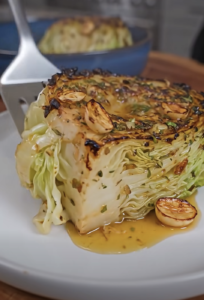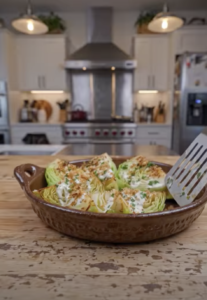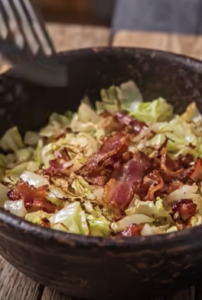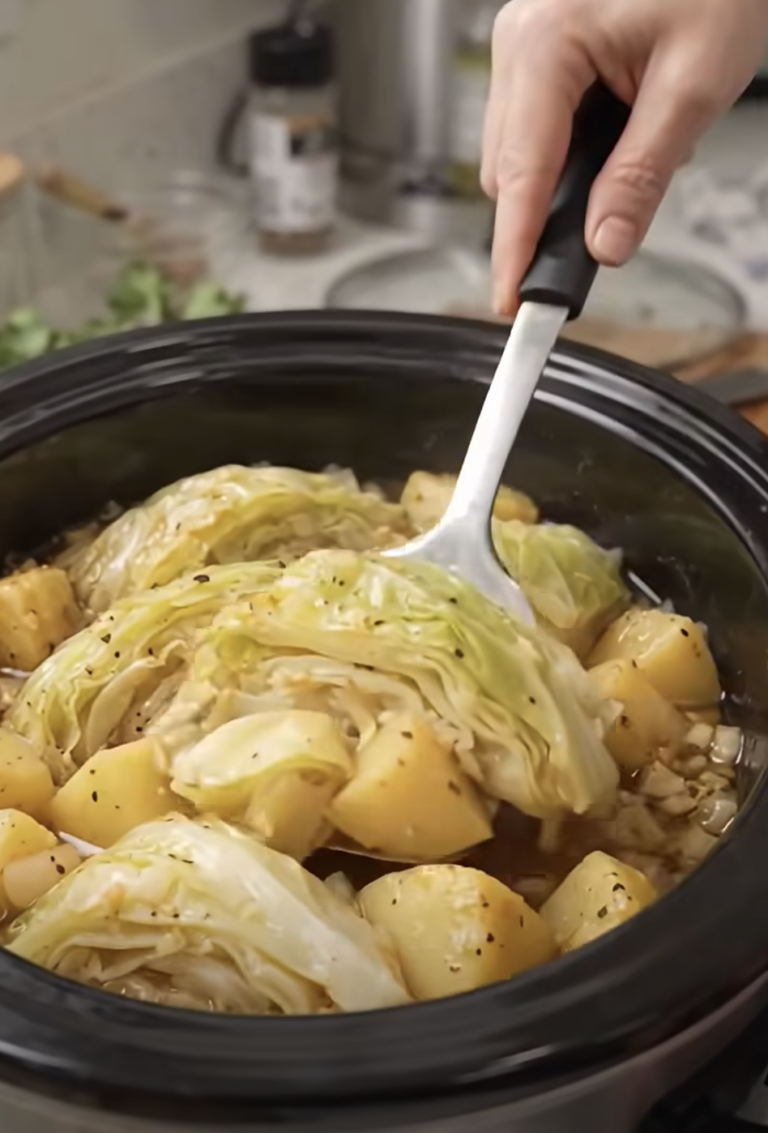
Whole Roasted Cabbage is a simple, budget-friendly vegetable dish that transforms an ordinary head of green cabbage into a delicious side with golden outer leaves, a tender center, and a wonderful roasted flavor. With just five basic ingredients, this easy oven recipe proves that you don’t need complicated seasonings to create something satisfying.
Olive oil, garlic powder, salt, and black pepper enhance the cabbage’s natural sweetness. Meanwhile, the oven develops lightly caramelized edges that add extra flavor and texture.
Whether you’re preparing a healthy weeknight dinner, planning a holiday meal, or looking for a new way to enjoy vegetables, this Whole Roasted Cabbage recipe makes a wonderful addition to your table.
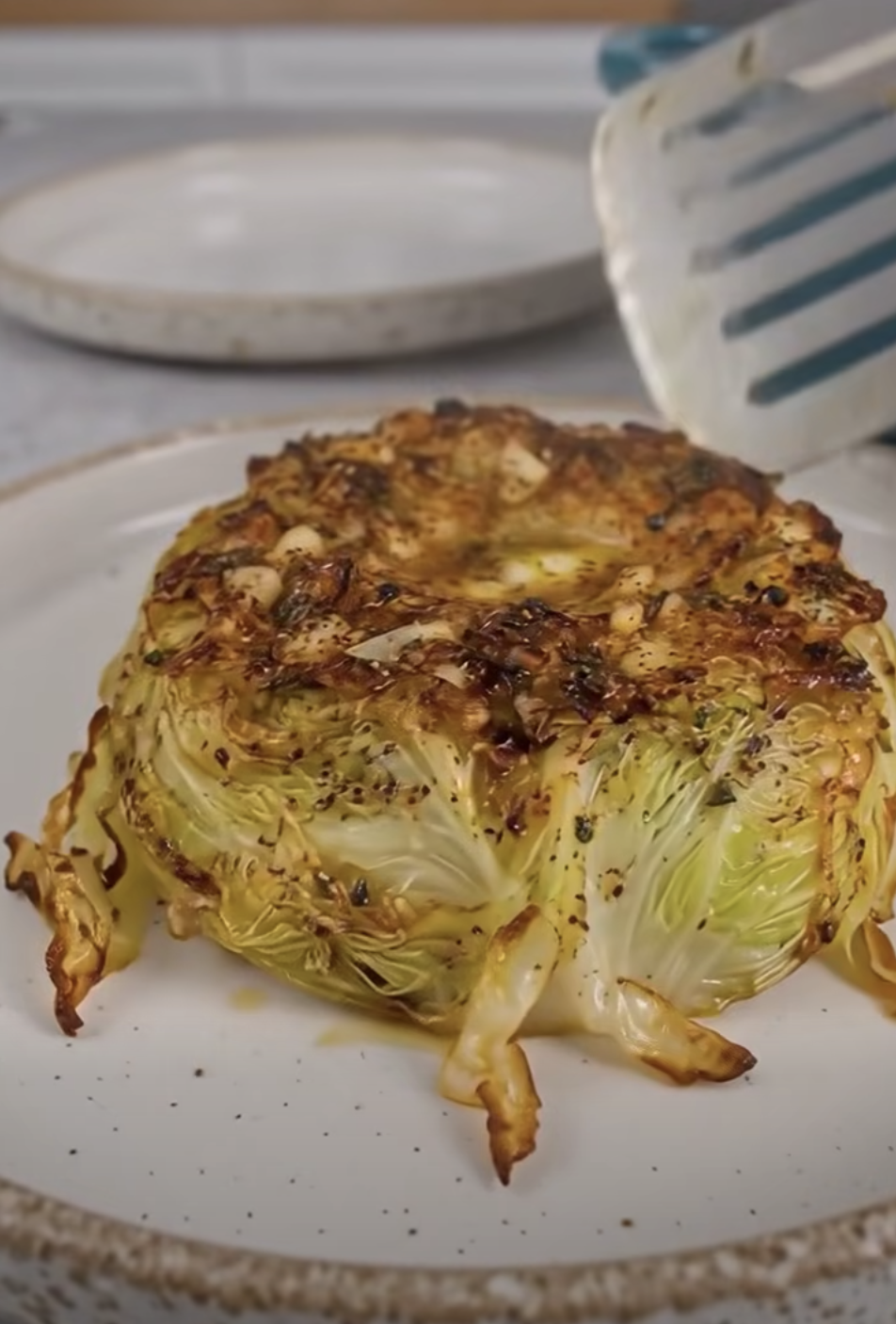
Whole Roasted Cabbage – Easy, Tender, and Flavorful Oven Recipe
Ingredients
Equipment
Method
- Preheat the oven to 400°F (200°C). Position an oven rack in the center and prepare a baking dish or rimmed baking sheet.
- Remove damaged or wilted outer cabbage leaves. Rinse the cabbage under cool running water and pat thoroughly dry.
- Carefully trim a thin slice from the bottom of the cabbage to create a flat, stable base. Leave most of the core intact.
- Place the cabbage upright in the baking dish with its trimmed base facing down.
- Drizzle olive oil over the cabbage and rub or brush it evenly across the outer leaves.
- Combine salt, ground black pepper, and garlic powder in a small bowl. Sprinkle the mixture evenly over the cabbage.
- Roast the cabbage uncovered at 400°F for 45 minutes. Check the outer leaves and tent loosely with aluminum foil if they brown too quickly.
- Continue roasting for approximately 15–45 additional minutes, checking every 10–15 minutes, until the inner leaves are tender when pierced with a thin knife.
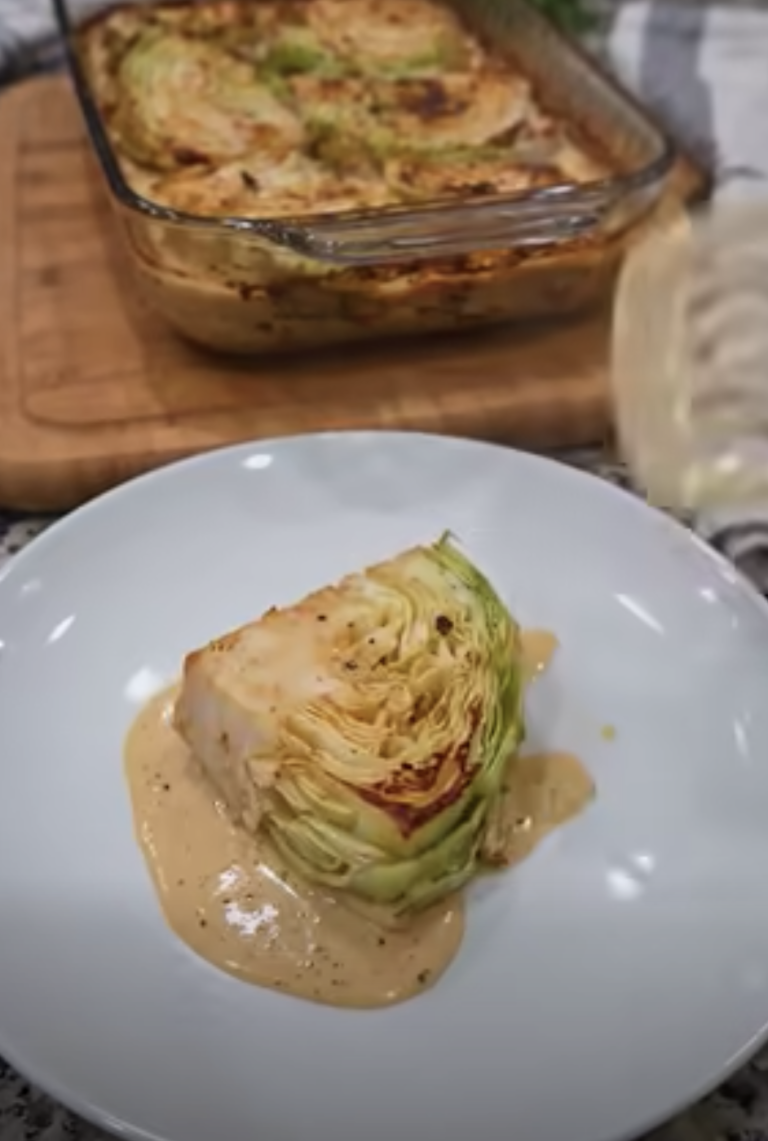
- Remove the roasted cabbage from the oven and let it rest for approximately five minutes. Slice carefully into four wedges.
- Serve the cabbage wedges warm with the roasting juices. Optionally finish with balsamic reduction or fresh lemon juice.
Notes
I first tried roasting an entire cabbage when I wanted an easy vegetable side dish without spending much time chopping or preparing ingredients. I had a fresh green cabbage sitting in the refrigerator, along with olive oil and a few pantry seasonings. Instead of slicing it into steaks or shredding it for coleslaw, I decided to roast it whole. As it cooked, the outer leaves turned golden and the kitchen filled with a warm, savory aroma. I loved how the simple seasonings brought out the cabbage’s natural sweetness. Now, whenever I want an affordable vegetable dish that looks impressive but requires little effort, I turn to this recipe.
Why You’ll Love This Whole Roasted Cabbage Recipe
Simple Ingredients With Delicious Results
One of the best things about Whole Roasted Cabbage is how easily it turns a few everyday ingredients into a flavorful vegetable dish.
You only need a head of green cabbage, olive oil, salt, black pepper, and garlic powder.
Each ingredient plays an important role.
The cabbage provides a naturally mild, slightly sweet flavor. As it roasts, its outer leaves develop deeper savory notes while the interior gradually softens.
Olive oil helps the seasonings cling to the cabbage and encourages the outer leaves to brown.
Meanwhile, salt brings out the vegetable’s natural flavor, and black pepper adds gentle warmth.
Garlic powder provides a savory finish without requiring you to peel or mince fresh garlic.
Because the ingredient list stays short, you can prepare this dish with very little planning.
Additionally, cabbage costs less than many other fresh vegetables and offers several servings from a single head.
This makes the recipe especially convenient when you want to prepare a satisfying side dish without increasing your grocery budget.
You can also customize the flavor with additional herbs, spices, or sauces.
A Healthy and Versatile Vegetable Side Dish
Whole Roasted Cabbage offers more than convenience. It also provides a nutritious way to enjoy a familiar vegetable.
Green cabbage contains fiber, vitamin C, vitamin K, and several beneficial plant compounds.
Furthermore, roasting brings out its natural sweetness without requiring heavy sauces or excessive amounts of oil.
The result tastes comforting while remaining relatively light.
Because this recipe uses naturally plant-based ingredients, it fits vegetarian and vegan meals.
It also works well with gluten-free menus when you use seasonings that don’t contain gluten-containing additives.
Another advantage involves presentation.
Instead of serving chopped cabbage, you can bring the roasted head to the table and slice it into generous wedges.
The golden outer leaves and tender layers create an appealing centerpiece for a vegetable-focused meal.
You can serve the cabbage alongside roasted chicken, grilled fish, baked potatoes, or hearty grain dishes.
Alternatively, add a flavorful sauce and make it the main attraction of a meatless dinner.
Best of all, the oven handles most of the cooking, giving you time to prepare the rest of your meal.
Choosing and Preparing the Best Cabbage for Roasting
How to Choose a Fresh Green Cabbage
For the best Whole Roasted Cabbage, start with a fresh, firm head of green cabbage.
Look for a cabbage that feels heavy for its size and has tightly packed leaves.
The outer leaves should appear crisp and vibrant, without large brown patches or signs of decay.
A compact cabbage generally roasts more evenly than a very large, loosely packed head.
For this recipe, a small to medium cabbage weighing approximately 1½–2 pounds works particularly well.
Larger heads require more time because heat must travel through several tightly packed layers before reaching the center.
If your cabbage weighs considerably more than two pounds, plan for additional roasting time.
You can also cut it into halves if you prefer a faster cooking method, although that changes the whole-roasted presentation.
Before cooking, remove any wilted or damaged outer leaves.
Then, rinse the cabbage under cool running water and dry it thoroughly.
Excess surface moisture can slow browning, so pat the leaves dry with a clean kitchen towel.
Finally, inspect the base and remove any tough, protruding stem.
Choose a fresh cabbage with a healthy core because the core helps hold the leaves together during roasting.
Preparing and Seasoning the Cabbage Evenly
Proper preparation makes a noticeable difference in the final texture of Whole Roasted Cabbage.
First, preheat your oven to 400°F (200°C).
Next, trim a thin slice from the bottom of the cabbage to create a stable, flat surface.
Avoid cutting deeply into the core. The core holds the cabbage together and helps prevent the leaves from separating.
Place the cabbage upright in a baking dish or on a rimmed baking sheet.
Then, drizzle two tablespoons of olive oil over the surface.
Use clean hands or a pastry brush to spread the oil across the outer leaves.
Because cabbage leaves overlap tightly, you won’t coat every interior layer. However, an even coating on the outside encourages attractive browning.
Next, combine the salt, black pepper, and garlic powder in a small bowl.
Sprinkle the mixture evenly over the cabbage.
For extra flavor, gently separate a few accessible outer leaves and work a little seasoning between them.
However, avoid pulling the leaves apart too aggressively.
You want the cabbage to maintain its round shape throughout roasting.
If you enjoy smoky flavors, you can add a small pinch of smoked paprika.
Alternatively, sprinkle dried thyme or oregano over the surface for an herbal variation.
Once the cabbage has an even coating of oil and seasoning, it’s ready for the oven.
How to Roast a Whole Cabbage Until Tender
Oven Temperature and Roasting Time
The key to delicious Whole Roasted Cabbage involves balancing oven temperature, browning, and tenderness.
Preheat the oven to 400°F (200°C) and position a rack near the center.
Place the seasoned cabbage upright in a baking dish with enough room for heat to circulate.
Roast the cabbage uncovered for approximately 45 minutes before checking its progress.
During this time, the outer leaves will gradually soften and develop golden-brown spots.
However, a whole cabbage often requires longer than 45 minutes to become tender all the way through.
For a small to medium head, expect approximately 60–90 minutes of total roasting time, depending on its size and density.
A larger cabbage may need even longer.
After the first 45 minutes, insert a thin knife or skewer toward the center.
If it meets firm resistance, continue roasting and check every 10–15 minutes.
You want the leaves to become tender while maintaining enough structure for slicing.
If the outer leaves begin browning too quickly, loosely cover the cabbage with aluminum foil.
This protects the surface while allowing the interior to continue cooking.
For especially large heads, adding a few tablespoons of water to the baking dish and loosely covering the cabbage during part of the cooking time can help soften the center.
Then, remove the foil for the final 15–20 minutes to encourage browning.
How to Get Golden Edges and a Tender Center
A perfectly roasted cabbage combines lightly crisp outer leaves with a soft, flavorful interior.
To achieve this texture, avoid overcrowding the baking dish.
The cabbage needs enough surrounding space for hot air to circulate.
Also, use a moderate amount of olive oil. Too little oil can leave the exterior dry, while excessive oil can make the leaves greasy.
As the cabbage cooks, check the outer leaves occasionally.
Some browning adds flavor, but dark, brittle patches may indicate that the exterior needs protection.
If necessary, tent the cabbage loosely with foil.
Meanwhile, continue testing the center for tenderness.
The thick core will remain firmer than the surrounding leaves, even when the cabbage finishes cooking.
For serving, let the cabbage rest for approximately five minutes after removing it from the oven.
This short resting period makes slicing easier and allows the hot interior to settle.
Then, use a sharp knife to cut the cabbage into four wedges.
Keep a small section of the core attached to each wedge if you want the leaves to remain together.
Finally, drizzle the wedges with any flavorful olive oil and juices from the baking dish.
A little fresh lemon juice or balsamic reduction can also brighten the finished dish.
Delicious Variations, Serving Ideas, and Storage Tips
Easy Flavor Variations for Whole Roasted Cabbage
Although the classic Whole Roasted Cabbage recipe tastes delicious with garlic and olive oil, you can easily customize it.
For a smoky variation, add one teaspoon of smoked paprika to the seasoning mixture.
This creates a deeper savory flavor that pairs especially well with grilled foods.
If you prefer a little heat, sprinkle crushed red pepper flakes or cayenne pepper over the cabbage before roasting.
For a Mediterranean-inspired version, add dried oregano, thyme, and a little lemon zest.
The herbs complement the cabbage’s mild flavor without overpowering its natural sweetness.
You can also create a richer version by replacing one tablespoon of olive oil with melted butter.
For extra garlic flavor, brush the roasted cabbage with garlic-infused butter during the final few minutes of cooking.
If you enjoy tangy flavors, drizzle balsamic reduction over the sliced wedges just before serving.
The sweet acidity balances the roasted cabbage beautifully.
Another delicious option involves adding grated Parmesan cheese during the final five minutes of roasting.
The cheese melts and develops a lightly golden finish.
For a completely plant-based variation, use nutritional yeast instead of Parmesan.
These small changes allow you to serve the same basic recipe in several different ways.
What to Serve With Roasted Cabbage and How to Store It
Whole Roasted Cabbage pairs well with many main dishes because its mild, savory flavor complements a wide range of foods.
Serve it alongside roasted chicken, baked salmon, grilled steak, or turkey meatballs.
For a vegetarian dinner, pair the cabbage with roasted chickpeas, quinoa, lentils, or baked sweet potatoes.
You can also add a creamy sauce, such as tahini dressing or lemon yogurt sauce, for extra richness.
If you’re preparing a holiday meal, roasted cabbage makes an affordable alternative to traditional vegetable casseroles.
Its attractive wedge presentation also works beautifully on a large serving platter.
For leftovers, allow the cabbage to cool slightly before transferring it to an airtight container.
Refrigerate it within two hours of cooking.
Properly refrigerated roasted cabbage stays good for approximately 3–4 days.
To reheat, place the wedges on a baking sheet and warm them in a 350°F oven until hot throughout.
Alternatively, reheat smaller portions in a skillet with a little olive oil.
A skillet can help restore some of the browned edges.
You can also chop leftover cabbage and add it to soups, grain bowls, or vegetable sautés.
Although freezing cooked cabbage is possible, thawing can make its texture softer and more watery.
For the best results, enjoy it fresh or refrigerate leftovers for another meal.
Ingredients
Servings: 4 | Prep Time: 10 minutes | Cook Time: 60–90 minutes | Total Time: 70–100 minutes
- 1 small to medium head green cabbage (approximately 1½–2 lbs)
- 2 tbsp olive oil
- 1 tsp salt
- ½ tsp ground black pepper
- 1 tsp garlic powder
Optional serving suggestion: Add a drizzle of balsamic reduction or fresh lemon juice after roasting.
Instructions
1. Preheat the oven. Set your oven to 400°F (200°C). Position a rack in the center and prepare a baking dish or rimmed baking sheet.
2. Clean the cabbage. Remove any damaged or wilted outer leaves. Rinse the cabbage under cool water and pat it dry thoroughly.
3. Trim the base. Carefully cut a thin slice from the bottom of the cabbage to create a flat surface. Keep most of the core intact so the leaves stay together.
4. Position the cabbage. Place the cabbage upright in the baking dish with the trimmed base facing down.
5. Add the olive oil. Drizzle two tablespoons of olive oil over the cabbage. Rub or brush it evenly across the outer leaves.
6. Season evenly. Mix the salt, black pepper, and garlic powder in a small bowl. Sprinkle the seasoning mixture over the entire cabbage.
7. Roast the cabbage. Place the dish in the oven and roast uncovered for 45 minutes. Check the exterior and tent loosely with foil if the leaves brown too quickly.
8. Continue until tender. Roast for another 15–45 minutes as needed, checking every 10–15 minutes. The cabbage should become tender when you insert a thin knife into the inner leaves.
9. Rest and slice. Remove the cabbage from the oven and let it rest for approximately five minutes. Cut into four generous wedges.
10. Serve warm. Arrange the wedges on a platter and drizzle with any remaining roasting juices. Add balsamic reduction or fresh lemon juice if desired.
Frequently Asked Questions
1. How long does it take to roast a whole cabbage at 400°F?
A small to medium Whole Roasted Cabbage generally requires approximately 60–90 minutes at 400°F.
However, cooking time depends on the cabbage’s size, density, and your oven.
Start checking after 45 minutes, then continue roasting until the inner leaves become tender.
Very large cabbage heads may require additional cooking time.
2. Do I need to boil cabbage before roasting it?
No, you don’t need to boil cabbage before roasting.
The oven gradually softens the leaves while creating flavorful browned edges.
However, whole cabbage takes longer to roast than cabbage wedges because the tightly packed center heats slowly.
If you want a faster recipe, cut the cabbage into wedges before roasting.
3. How do I keep roasted cabbage from drying out?
Coat the cabbage evenly with olive oil before roasting.
Additionally, monitor the outer leaves as they brown.
If the surface begins drying out or darkening too quickly, cover the cabbage loosely with aluminum foil.
For larger heads, a small amount of water in the baking dish can also help create moisture during cooking.
4. Can I make Whole Roasted Cabbage ahead of time?
Yes. You can roast the cabbage in advance and store it in the refrigerator for 3–4 days.
When you’re ready to serve, arrange the wedges on a baking sheet and reheat them in a 350°F oven until hot throughout.
For the best texture, serve the cabbage shortly after roasting because the outer leaves taste best when freshly browned.
5. Is Whole Roasted Cabbage healthy?
Whole Roasted Cabbage can be a nutritious addition to a balanced diet.
Cabbage provides fiber, vitamin C, vitamin K, and other beneficial nutrients.
Additionally, this recipe uses a short list of simple ingredients and only two tablespoons of olive oil for the entire cabbage.
The finished dish works well with many eating styles, including vegetarian, vegan, and naturally gluten-free meal plans.
Conclusion
Whole Roasted Cabbage proves that simple ingredients can create an impressive and delicious vegetable dish. With a fresh head of cabbage, olive oil, garlic powder, salt, and pepper, you can prepare a flavorful side that complements almost any meal.
Roasting brings out the cabbage’s natural sweetness while developing golden outer leaves and a tender center.
Although the recipe requires patience while the cabbage cooks, the hands-on preparation takes only about ten minutes.
You can also experiment with different herbs, spices, and sauces to create new flavor combinations.
Whether you serve it with roasted chicken, grilled fish, hearty grains, or a vegetarian main course, this Whole Roasted Cabbage recipe offers an easy, affordable, and satisfying way to enjoy more vegetables.