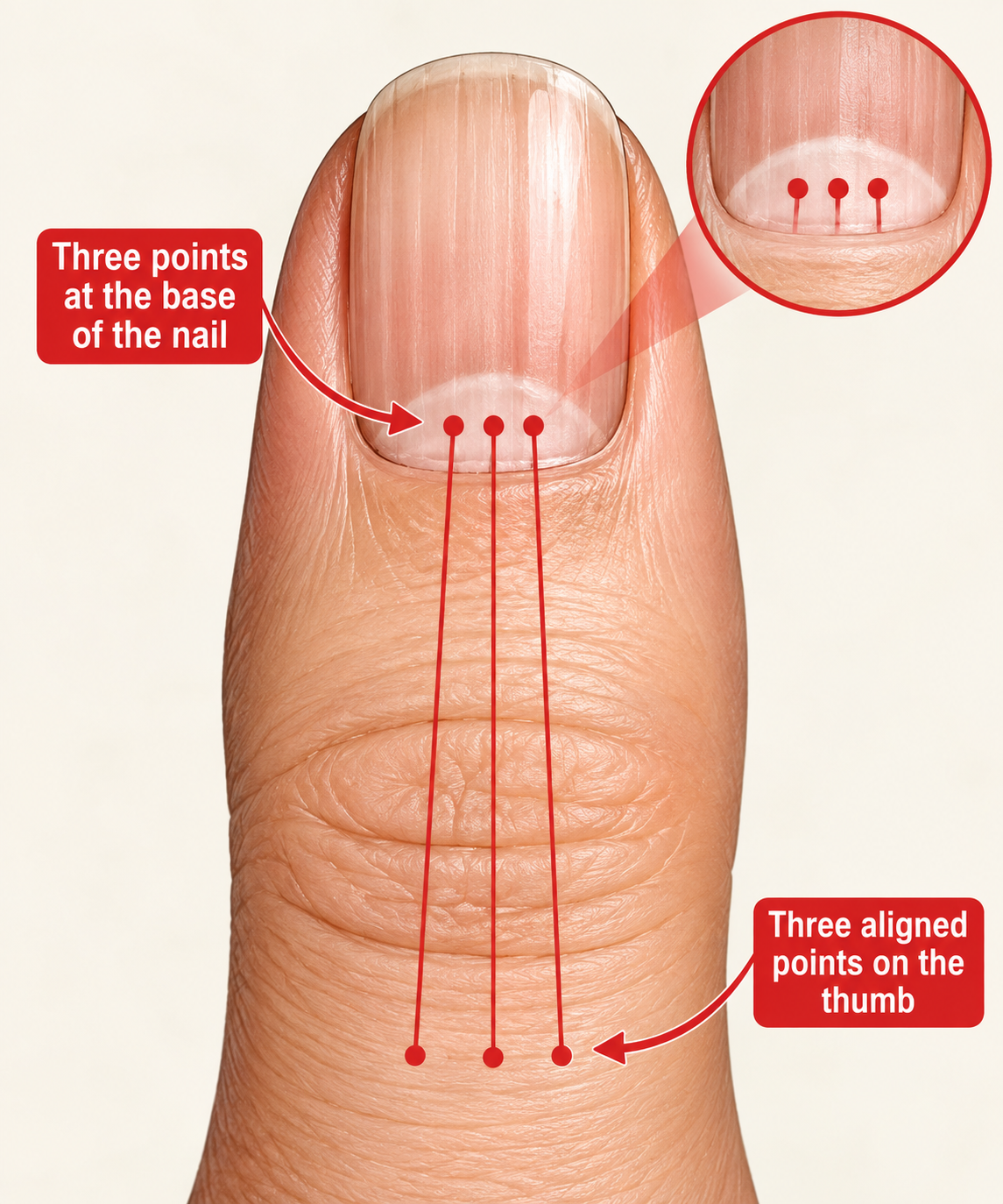
A Nutrition Guide for Healthier Nails starts with an important fact: nails need adequate nutrition to grow normally, but they cannot provide a complete diagnosis of your health. Brittle, peeling, ridged, or slow-growing nails can sometimes accompany nutritional deficiencies. However, everyday wear, frequent water exposure, aging, nail products, skin conditions, infections, medications, and other health issues can also change their appearance.
Your fingernails consist largely of keratin, a tough structural protein. New nail cells form beneath the skin at the nail matrix, and the nail plate gradually moves forward as those cells develop. Because this process takes time, healthier habits rarely produce an overnight transformation.
I once went through a period when my nails seemed determined to split as soon as they grew beyond my fingertips. My first instinct was to buy strengthening polishes and treatments, but that approach focused only on the surface. Paying more attention to regular meals, protein-rich foods, iron sources, and basic nail protection made much more sense as a long-term strategy. The biggest lesson was patience. Nails grow slowly, so any improvement in the new nail has to make its way from the base toward the tip before you can really see the difference.
Fortunately, A Nutrition Guide for Healthier Nails does not require an expensive cabinet full of supplements. For most people, the best starting point is a varied diet that supplies protein, iron, zinc, B vitamins, and other essential nutrients while also protecting nails from repeated physical and chemical damage.
How Nutrition Supports Healthy Nail Growth
Nails Need Protein and a Steady Supply of Nutrients
Nails consist primarily of layers of keratinized cells. Keratin is a structural protein that also plays an important role in hair and the outer layers of skin. Therefore, adequate dietary protein gives your body amino acids it can use for normal tissue maintenance and growth.
You can obtain protein from eggs, fish, poultry, lean meat, dairy products, beans, lentils, soy foods, nuts, and seeds. You do not need one special “nail food.” Instead, eating a varied selection of protein-rich foods throughout the week provides a practical foundation.
Micronutrients also contribute to normal cell function. Iron helps the body produce hemoglobin, while zinc supports many processes involving cell growth and repair. Vitamin B12 and folate participate in normal blood-cell formation, and other vitamins and minerals support numerous metabolic processes.
However, eating extra amounts of these nutrients does not necessarily make healthy nails grow dramatically faster. Nutrition tends to matter most when someone’s diet lacks an essential nutrient or when a medical condition interferes with absorption or metabolism. More is not automatically better.
Nail Changes Do Not Automatically Mean a Deficiency
One of the most important lessons in A Nutrition Guide for Healthier Nails involves avoiding self-diagnosis. A brittle nail does not automatically mean you need iron. Likewise, ridges, white marks, or peeling do not reliably identify one particular nutrient deficiency.
Many ordinary factors affect nails. Frequent hand washing, cleaning chemicals, repeated wet-and-dry cycles, nail polish remover, manicures, picking, biting, and physical trauma can all weaken the nail plate. Aging can also change nail texture and growth.
Certain nail changes can accompany medical conditions, including iron-deficiency anemia, thyroid disorders, psoriasis, fungal infections, and other problems. However, appearance alone usually cannot tell you which cause applies. A healthcare professional can consider symptoms, medical history, examination findings, and laboratory testing when appropriate.
That distinction prevents a common mistake: taking supplements based solely on a photograph or symptom list. If a deficiency actually exists, treating it appropriately may support healthier new growth. If no deficiency exists, unnecessary supplements may provide little benefit and sometimes create unwanted risks.
Key Nutrients for Strong and Healthy Nails
Protein, Iron, and Zinc Provide Essential Building Blocks
Protein deserves attention first because keratin itself is a protein. Most people can meet their needs through ordinary foods such as eggs, yogurt, fish, chicken, tofu, beans, lentils, nuts, and seeds. A varied diet also supplies other nutrients at the same time.
Iron becomes especially important when someone has iron deficiency. Low iron can lead to iron-deficiency anemia, and some people with significant deficiency develop nail changes. Spoon-shaped nails, known as koilonychia, can occur with iron deficiency, although this finding can have other causes as well.
Good iron sources include meat, seafood, beans, lentils, fortified cereals, tofu, and some leafy green vegetables. Plant foods contain non-heme iron, and pairing them with vitamin C-rich foods can help the body absorb more of it. For example, beans with tomatoes or lentils with bell peppers create simple combinations.
Zinc also supports normal growth and cellular processes. Meat, shellfish, dairy foods, beans, nuts, seeds, and whole grains can contribute zinc to the diet. Rather than concentrating on a single nutrient, build meals that combine several nutrient-dense food groups.
Biotin, Vitamin B12, and Other Micronutrients Matter Too
Biotin, also known as vitamin B7, frequently appears in products marketed for hair and nails. The body needs biotin for normal metabolism, and true deficiency can affect hair, skin, and nails. However, biotin deficiency remains uncommon among people eating varied diets.
Eggs, nuts, seeds, salmon, meat, and certain vegetables can contribute biotin. Some small studies have explored supplemental biotin for brittle nails, but that does not mean everyone with weak nails needs a high-dose supplement. Evidence for routine supplementation in people without deficiency remains limited.
Vitamin B12 also supports normal red blood cell production and nervous system function. Animal foods such as fish, meat, eggs, and dairy naturally provide B12, while fortified foods can provide it in plant-based diets. People following vegan diets often need reliable fortified sources or appropriate supplementation.
Folate, vitamin C, and other nutrients also contribute to normal body functions that indirectly support growing tissues. Therefore, A Nutrition Guide for Healthier Nails works best as a whole-diet approach rather than a hunt for one miracle vitamin. Variety gives the body a broader nutritional foundation.
Building a Nail-Friendly Diet Without Overusing Supplements
Focus on Food Before Reaching for High-Dose Pills
A practical nail-friendly eating pattern does not need to feel restrictive. Start with regular meals that contain a protein source, then add vegetables or fruit, whole grains or other fiber-rich carbohydrates, and healthy fat sources when appropriate.
Breakfast could include eggs with whole-grain toast and fruit, or yogurt with oats, nuts, and berries. Lunch might combine lentils, vegetables, and a grain, while dinner could include fish, tofu, chicken, or beans with vegetables. These meals provide far more than nutrients associated with nails.
Snacks can also contribute. Nuts, seeds, yogurt, fruit, hummus, and other minimally processed foods can help fill nutritional gaps. Meanwhile, eating enough total food matters because extremely restrictive diets may make it harder to meet protein, vitamin, and mineral needs.
Hydration supports overall health, although drinking excessive water will not directly transform brittle nails. Instead, aim for normal hydration while paying attention to the bigger picture. Balanced eating, adequate energy intake, and consistent habits matter more than chasing one supposedly perfect nail food.
Use Iron and Biotin Supplements Carefully
Iron supplements deserve particular caution. Too much iron can cause side effects and may become harmful, so taking high-dose iron simply because your nails look weak is not a good strategy. If you suspect iron deficiency, professional evaluation and appropriate testing can identify whether supplementation makes sense.
Biotin supplements create a different concern. Many beauty supplements contain doses far above normal nutritional requirements. High-dose biotin can interfere with certain laboratory tests and potentially produce misleading results, including tests used in important medical evaluations.
Therefore, tell your healthcare team about supplements you take before laboratory testing. Do not assume that a product sold for hair, skin, and nails becomes harmless simply because you can buy it without a prescription.
If testing confirms a nutritional deficiency, follow the treatment plan recommended for your situation. Correcting the underlying problem matters more than randomly combining several supplements. Your nails then need time to grow before visible improvement reaches the ends.
Everyday Habits That Protect Healthy Nails
Reduce Water, Chemical, and Physical Damage
Nutrition can support nail formation from within, but daily habits determine how much damage those nails experience after they grow. Repeated exposure to water can cause nails to swell and then contract as they dry. Over time, frequent cycles may contribute to brittleness or peeling.
Wear gloves when washing dishes or using household cleaning products for extended periods. This simple barrier can reduce contact with water, detergents, and chemicals. After washing your hands, dry them gently rather than leaving the nails wet for long periods.
Moisturizing can also help the nail area feel less dry. Apply hand cream or another suitable moisturizer to your hands, nails, and cuticles, particularly after frequent washing. The goal is not to force faster growth but to reduce dryness and protect the surrounding skin.
Also, avoid using fingernails as tools. Opening cans, scraping labels, prying objects apart, and picking at hard surfaces can create small cracks that later become larger splits. A healthier nail still needs protection from mechanical damage.
Give New Nail Growth Enough Time to Appear
Patience plays a major role in A Nutrition Guide for Healthier Nails because fingernails grow gradually. Changes made today affect the new nail forming near the base, not the older portion already extending toward the fingertip.
Therefore, a few days of improved eating will not suddenly repair existing splits or ridges. The damaged nail must grow outward while new nail material replaces it. Visible improvement can take months rather than days.
Keep nails trimmed to a manageable length while they recover from brittleness. File rough edges gently so they do not catch on clothing and tear farther. Meanwhile, minimize harsh removers and repeated cosmetic procedures if you notice that they make your nails feel weaker.
Pay attention to persistent or unusual changes, too. Sudden changes in nail color or shape, pain, swelling, separation from the nail bed, or abnormalities affecting several nails deserve medical attention. Good nutrition matters, but nail care should never replace evaluation of concerning symptoms.
Frequently Asked Questions
What foods are best for healthier nails?
No single food guarantees stronger nails. A varied diet containing adequate protein, iron, zinc, vitamin B12, biotin, and other essential nutrients provides the best nutritional foundation. Eggs, fish, lean meats, dairy, beans, lentils, nuts, seeds, whole grains, fruits, and vegetables can all contribute.
Does biotin really make nails stronger?
Biotin is essential for normal metabolism, and deficiency can affect nails. Some limited research has suggested benefits from supplemental biotin in people with brittle nails, but evidence does not support assuming that everyone needs high-dose biotin. Supplements can also interfere with laboratory tests.
Can low iron cause brittle nails?
Iron deficiency can cause nail abnormalities in some people, including spoon-shaped nails in certain cases. However, brittle or ridged nails alone cannot diagnose iron deficiency. Blood testing and medical evaluation provide a much more reliable answer.
How long does it take nutrition to improve nails?
Nails grow slowly, so changes usually require patience. Even after correcting a nutritional problem, healthier nail material must grow from the base toward the tip before the difference becomes obvious. That process can take several months.
When should I see a doctor about nail changes?
Consider medical evaluation when nail changes appear suddenly, persist without an obvious explanation, affect several nails, cause pain, or occur alongside symptoms such as unusual fatigue or other health changes. Significant discoloration, swelling, nail separation, or dramatic changes in shape also deserve professional attention.
Conclusion
A Nutrition Guide for Healthier Nails works best when it focuses on balanced nutrition instead of miracle foods and supplements. Nails need protein and a variety of vitamins and minerals for normal growth, just like the rest of the body.
Protein-rich foods provide amino acids needed for keratin, while nutrients such as iron, zinc, biotin, vitamin B12, and folate support important processes throughout the body. However, consuming excessive amounts does not guarantee stronger nails. Deficiencies matter, but more nutrients are not automatically better.
Daily protection also deserves just as much attention as nutrition. Limiting prolonged water exposure, wearing gloves during household chores, moisturizing dry nails and cuticles, and avoiding physical trauma can help prevent otherwise healthy nails from splitting and peeling.
Most importantly, do not treat every ridge, white spot, or brittle edge as proof of a nutritional deficiency. Nail changes have many possible explanations. If something persistent or unusual concerns you, medical evaluation can help identify the real cause rather than leaving you to guess.
Healthy nails rarely come from one supplement or one superfood. They grow from consistent nutrition, sensible care, patience, and attention to your overall health. Give your body the nutrients it needs, protect the nails you already have, and allow enough time for healthier new growth to become visible.