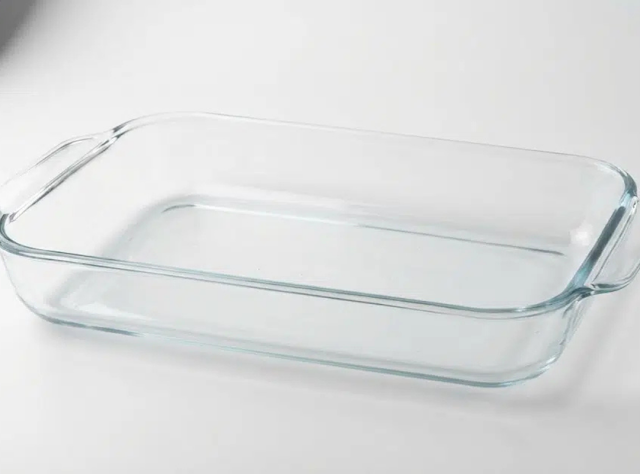
If you’ve ever turned over a glass baking dish and noticed the name Pyrex written one way on one dish and PYREX in all capital letters on another, you’re not alone in wondering if there’s a difference. Over the years, countless social media posts, videos, and online discussions have claimed that one version is safer than the other, while the other supposedly “explodes” without warning.
These claims have left many home cooks questioning whether they should replace their favorite baking dishes or worry every time they move a casserole from the refrigerator to the oven.
The truth is much less dramatic—but it is genuinely interesting.
The difference between Pyrex and PYREX is not simply the style of the logo. In many cases, it reflects differences in the type of glass used, where the product was manufactured, and the purpose for which it was designed. Understanding these differences can help you use your cookware more safely and confidently while avoiding some of the misinformation that continues to circulate online.
Let’s take a closer look at the history, the science behind the glass, and how to choose the right cookware for your kitchen.
The History of Pyrex
Pyrex has been a trusted name in kitchens for more than a century.
The original Pyrex glassware was introduced in the early 1900s by Corning Glass Works, a company already well known for manufacturing specialty glass products.
Interestingly, Pyrex wasn’t originally designed for baking.
Engineers first developed borosilicate glass for railroad lanterns because it could withstand rapid temperature changes without cracking.
Soon afterward, someone realized the same heat-resistant properties made it ideal for cooking.
The first Pyrex baking dishes quickly became popular because they allowed families to cook, bake, and serve meals using the same durable glass cookware.
For decades, Pyrex earned a reputation for reliability that continues today.
Why People Notice Two Different Logos
One of the biggest sources of confusion comes from the logo itself.
Some products display:
Pyrex
Others display:
PYREX
Many consumers assume the difference in lettering automatically tells them which type of glass they own.
While the logo often provides a clue, it is not always a perfect indicator.
The real difference depends primarily on:
- Manufacturing location
- Production date
- Product line
- Type of glass used
The lettering alone does not tell the complete story.
Understanding the Two Types of Glass
The discussion surrounding Pyrex centers on two different materials.
Borosilicate Glass
Borosilicate glass contains silica along with boron oxide.
This combination gives it remarkable resistance to thermal shock.
Thermal shock occurs when glass experiences sudden temperature changes.
Examples include:
- Moving from the freezer directly into a hot oven
- Pouring boiling liquid into cold glass
- Placing very hot cookware onto an icy or wet surface
Because borosilicate expands and contracts very little with temperature changes, it handles these situations exceptionally well.
This explains why borosilicate remains widely used in:
- Laboratory beakers
- Test tubes
- Scientific flasks
- Industrial glass equipment
Tempered Soda-Lime Glass
Many modern consumer Pyrex products sold in North America are made from tempered soda-lime glass.
This material is different.
Instead of emphasizing thermal resistance, tempering strengthens the glass against physical impacts.
Compared with borosilicate, tempered soda-lime glass is often:
- More resistant to small drops
- Less likely to chip from everyday handling
- Better suited to frequent household use
However, it is generally less tolerant of sudden temperature extremes.
Why Manufacturers Changed Materials
Many people wonder why manufacturers stopped using borosilicate glass for some consumer cookware.
The answer involves several factors.
Tempered soda-lime glass offers advantages such as:
- Lower manufacturing costs
- Greater impact resistance
- Improved durability during shipping
- Better resistance to everyday bumps and knocks
Because many kitchen accidents involve dropping dishes rather than exposing them to extreme temperature changes, manufacturers considered tempered soda-lime glass appropriate for everyday consumer products.
Which Type Handles Heat Better?
When discussing temperature resistance, borosilicate glass generally performs better.
It tolerates dramatic temperature changes because it expands very little when heated.
This makes it popular for:
- Laboratory equipment
- Specialty cookware
- Scientific applications
However, even borosilicate has limits.
No glass should be intentionally subjected to unnecessary thermal shock.
Which Type Resists Dropping Better?
Impact resistance tells a different story.
Tempered soda-lime glass is specifically strengthened to resist everyday impacts.
If accidentally knocked against a countertop or sink, it often performs better than borosilicate.
That doesn’t mean it’s unbreakable.
All glass can break under sufficient force.
But tempered soda-lime glass generally tolerates ordinary kitchen handling more effectively.
Understanding Thermal Shock
Many stories about shattered glass involve thermal shock rather than manufacturing defects.
Thermal shock occurs when one part of the glass expands faster than another.
Examples include:
- Placing frozen glass directly into a hot oven.
- Pouring cold water into a hot baking dish.
- Setting a hot baking dish onto a wet granite countertop.
- Removing hot cookware and placing it on a cold metal surface.
These rapid temperature differences create internal stress.
If the stress becomes too great, the glass may crack or shatter.
Safe Ways to Use Glass Bakeware
Whether you own borosilicate or tempered soda-lime glass, careful handling greatly reduces risk.
Allow Frozen Dishes to Warm Gradually
Instead of moving directly from freezer to oven, allow refrigerated or frozen dishes to warm slightly.
Avoid Extreme Temperature Changes
Never pour cold liquids into hot glass.
Likewise, avoid pouring boiling liquids into cold bakeware.
Use Dry Oven Mitts
Moisture trapped beneath hot glass may contribute to thermal shock when combined with cool countertops.
Place Hot Dishes on Dry Cloth or Wooden Trivets
Avoid placing hot glass directly onto:
- Wet countertops
- Cold stone surfaces
- Metal sinks
A towel, wooden cutting board, or trivet helps reduce sudden cooling.
Inspect Glass Regularly
Discard cookware showing:
- Chips
- Deep scratches
- Cracks
- Significant wear around the edges
Even small damage may weaken glass over time.
How Can You Tell Which Type You Own?
Many people try identifying their cookware simply by reading the logo.
While this sometimes works, it’s not always reliable.
Other clues include:
Country of Manufacture
European-produced glass cookware is more likely to be borosilicate.
Many products manufactured for North American consumers are tempered soda-lime glass.
Product Information
Original packaging often identifies the material.
Manufacturer websites may also provide details.
Laboratory Glassware
Scientific equipment labeled PYREX is almost always borosilicate.
Laboratory environments demand exceptional thermal resistance.
Common Myths About Pyrex
Myth: Pyrex Randomly Explodes
Reality:
Glass does not spontaneously explode without a cause.
Most reported incidents involve:
- Existing damage
- Thermal shock
- Improper use
- Manufacturing defects (rare)
Myth: All Uppercase PYREX Is Borosilicate
Not always.
Manufacturing practices have changed over time.
The logo alone does not guarantee the glass composition.
Myth: Soda-Lime Glass Is Unsafe
False.
Tempered soda-lime glass is widely used because it performs very well during ordinary household cooking.
When used according to manufacturer instructions, it is considered safe.
Myth: Borosilicate Glass Never Breaks
Also false.
Although excellent at handling temperature changes, borosilicate glass can still chip, crack, or shatter if dropped.
Which One Should You Choose?
The answer depends on how you cook.
If you regularly:
- Freeze meals
- Bake casseroles
- Store leftovers
Tempered soda-lime glass may provide excellent durability.
If your cooking frequently involves:
- Extreme temperature swings
- Specialty baking
- Laboratory-style applications
Borosilicate glass offers additional thermal protection.
Both materials perform well when used appropriately.
Tips to Extend the Life of Your Glass Bakeware
Proper care helps any glass cookware last for many years.
Good habits include:
- Allow dishes to cool before washing.
- Avoid using damaged cookware.
- Never place empty glass dishes under a broiler.
- Use plastic or silicone utensils when possible.
- Store dishes carefully to prevent chipping.
- Follow manufacturer temperature recommendations.
These simple precautions reduce unnecessary stress on the glass.
Frequently Asked Questions
Is one type safer than the other?
Both are considered safe when used according to the manufacturer’s instructions. They are simply designed with different strengths in mind.
Can I put Pyrex directly from the freezer into the oven?
Most manufacturers recommend avoiding sudden temperature changes. Allow frozen dishes to thaw or warm gradually before baking.
Why did my glass dish suddenly shatter?
Possible causes include thermal shock, hidden damage, manufacturing defects, or impact stress accumulated over time.
Is laboratory PYREX the same as kitchen Pyrex?
Not always. Laboratory glassware is typically made from borosilicate because scientific applications require exceptional resistance to temperature changes.
Does the logo always identify the type of glass?
No. While the logo may provide a clue, manufacturing location, production date, and product specifications are more reliable indicators.
Should I replace my older Pyrex dishes?
Not necessarily. If the cookware is free of chips, cracks, or significant wear and you follow proper usage guidelines, it can continue serving your kitchen safely.
The Origins of Pyrex
Pyrex has been a household name for more than 100 years.
It was first introduced by Corning Glass Works in the early twentieth century, not as cookware but as a specialty glass developed for industrial and railroad applications.
Engineers discovered that borosilicate glass resisted rapid temperature changes far better than ordinary glass. Because of this remarkable property, it was soon adapted for kitchen use.
The first Pyrex baking dishes quickly became popular because they allowed cooks to:
- Bake directly in glass.
- Serve food in the same dish.
- Store leftovers without transferring them to another container.
This convenience helped make Pyrex one of the most recognizable cookware brands in the world.
Why Two Names Exist
Many people assume the difference between Pyrex and PYREX is simply a change in typography.
In reality, the distinction often reflects changes in manufacturing over time.
Historically:
- Older consumer products were commonly made from borosilicate glass.
- Many modern North American consumer products use tempered soda-lime glass.
- Some European manufacturers continue producing borosilicate versions.
Because branding rights changed over the years, the logo alone isn’t always a reliable indicator.
Instead, manufacturing location and production period often provide more accurate clues.
Understanding Glass: More Than Just Sand
Glass may seem simple, but it’s actually a carefully engineered material.
The two primary types discussed in relation to Pyrex are:
Borosilicate Glass
Borosilicate contains:
- Silica
- Boron oxide
- Small amounts of other minerals
Adding boron dramatically reduces how much the glass expands when heated.
This makes it exceptionally resistant to thermal shock.
Tempered Soda-Lime Glass
Soda-lime glass contains:
- Silica
- Sodium oxide
- Calcium oxide
After manufacturing, the glass undergoes a tempering process that strengthens its outer surface.
This process improves resistance to impacts and everyday handling.
What Is Thermal Shock?
One of the most misunderstood aspects of glass cookware is thermal shock.
Thermal shock occurs when different parts of the same glass object change temperature at different rates.
Imagine this situation:
A frozen casserole dish is placed directly into a 400°F oven.
The outside begins expanding almost immediately.
The inside remains frozen.
Those unequal expansion rates create internal stress.
Eventually, the stress exceeds the strength of the glass.
The result may be:
- Cracking
- Shattering
- Sudden failure
This phenomenon affects all glass.
The difference lies in how much thermal stress each material can tolerate.
Why Borosilicate Handles Temperature Better
Borosilicate glass expands very little when heated.
Because it changes size so gradually, it tolerates dramatic temperature swings much better than ordinary glass.
This is why borosilicate remains the preferred material for:
- Chemistry laboratories
- Scientific instruments
- Pharmaceutical manufacturing
- Industrial equipment
Scientists routinely expose borosilicate glass to:
- Open flames
- Boiling liquids
- Ice baths
- Refrigeration
Few other glass materials perform as consistently under these conditions.
Why Tempered Soda-Lime Glass Excels in Everyday Kitchens
Although borosilicate wins in thermal performance, tempered soda-lime glass offers different advantages.
The tempering process places the outer surface under compression.
This increases its ability to withstand:
- Minor impacts
- Small drops
- Everyday bumps
- Transportation
For families using glass bakeware daily, accidental impacts are far more common than laboratory-style temperature extremes.
Manufacturers therefore selected tempered soda-lime glass because it better suits ordinary household use.
Can Either Type Break?
Absolutely.
Neither material is indestructible.
Borosilicate glass can chip if dropped.
Tempered soda-lime glass can crack under severe thermal shock.
Both materials require careful handling.
Glass is remarkably durable—but it always has limits.
Why Online Videos Can Be Misleading
Videos showing shattered bakeware often spread rapidly online.
However, they rarely tell the complete story.
Many factors contribute to glass failure, including:
- Existing microscopic cracks
- Previous impacts
- Manufacturing defects
- Uneven heating
- Improper use
- Surface scratches
Without examining the damaged dish in a laboratory, determining the exact cause is often impossible.
One dramatic video should not be interpreted as evidence that all similar products are unsafe.
Common Mistakes That Increase Breakage Risk
Many glass failures occur because of improper handling rather than defective products.
Examples include:
Moving Directly From Freezer to Oven
One of the biggest causes of thermal shock.
Placing Hot Glass on Wet Counters
The sudden cooling underneath creates uneven stress.
Adding Cold Liquid to Hot Bakeware
Cold liquid rapidly cools part of the dish while the rest remains hot.
Using Glass Under the Broiler
Most glass cookware isn’t designed for direct broiler heat.
Cooking Empty Glass Dishes
Without food inside, heat distributes unevenly.
Manufacturers generally recommend avoiding this practice.
Which Material Lasts Longer?
Longevity depends more on care than on material.
Well-maintained glass cookware of either type can last decades.
To maximize lifespan:
- Avoid stacking heavy cookware directly on glass.
- Store carefully.
- Inspect regularly.
- Replace chipped dishes.
- Avoid rapid temperature changes.
Many families continue using Pyrex dishes inherited from previous generations.
Can Scratches Weaken Glass?
Yes.
Deep scratches may create weak points where stress concentrates.
Although small surface marks are usually harmless, larger scratches or chips increase the likelihood of future breakage.
Damaged cookware should be replaced.
Is One Better for Baking?
Both materials perform very well for ordinary baking.
Examples include:
- Brownies
- Lasagna
- Roasted vegetables
- Fruit crisps
- Bread pudding
- Casseroles
The biggest difference appears during extreme temperature changes rather than routine baking.
Is Glass Better Than Metal Bakeware?
Each has advantages.
Glass
Advantages:
- Doesn’t react with acidic foods.
- Attractive for serving.
- Retains heat longer.
- Allows you to monitor browning underneath.
Metal
Advantages:
- Heats more quickly.
- Cools faster.
- Less prone to breakage.
- Better for crisp crusts.
Many experienced cooks use both depending on the recipe.
Tips for Using Glass Bakeware Safely
Following a few simple habits greatly reduces risk.
Let Refrigerated Dishes Sit Briefly
Allow cold dishes to warm slightly before placing them into a preheated oven.
Never Add Liquid to Extremely Hot Glass
Allow cookware to cool slightly first.
Avoid Direct Flame
Glass cookware isn’t intended for stovetop burners unless specifically labeled.
Use Oven Mitts Carefully
Avoid setting hot glass onto:
- Wet towels
- Metal sinks
- Cold countertops
Instead, use:
- Dry wooden boards
- Silicone trivets
- Dry cloth potholders
Read Manufacturer Instructions
Different products have different temperature limits.
Following those guidelines helps prevent unnecessary stress.
Frequently Asked Questions
Is vintage Pyrex different?
Many older consumer pieces were manufactured from borosilicate glass, although production methods changed over time depending on region.
Why do some people specifically seek older Pyrex?
Collectors often appreciate vintage borosilicate products because of their historical significance, durability, and decorative designs.
Can scratched Pyrex still be used?
Minor wear is usually acceptable, but chipped or deeply scratched cookware should be replaced.
Is one logo always safer?
No.
Safety depends much more on proper use than on the lettering style printed on the dish.
Can glass really explode?
Glass does not explode spontaneously.
When it fails, it’s usually because internal stresses exceeded the material’s strength due to thermal shock, damage, or manufacturing imperfections.
Should I replace all my glass bakeware?
Generally, no.
If your cookware is undamaged and used according to manufacturer recommendations, there’s usually no reason to replace it simply because of internet rumors.
Final Thoughts
The debate surrounding Pyrex and PYREX has generated countless headlines and social media discussions, but the reality is much less dramatic than many online claims suggest. The two names often reflect differences in glass composition, manufacturing history, and intended use rather than a simple question of one product being “good” and the other “bad.”
Borosilicate glass excels at handling rapid temperature changes, making it ideal for laboratory equipment and certain specialty cookware. Tempered soda-lime glass, on the other hand, offers improved resistance to everyday impacts, making it well suited for the demands of a busy kitchen. Neither material is indestructible, and both require proper care to ensure safe use.
Ultimately, the most important factor is not the logo printed on the bottom of your baking dish but how you use it. Avoid sudden temperature changes, inspect your cookware regularly for chips or cracks, and follow the manufacturer’s recommendations. By understanding the strengths and limitations of each type of glass, you can cook with confidence and enjoy your favorite glass bakeware for many years to come.