
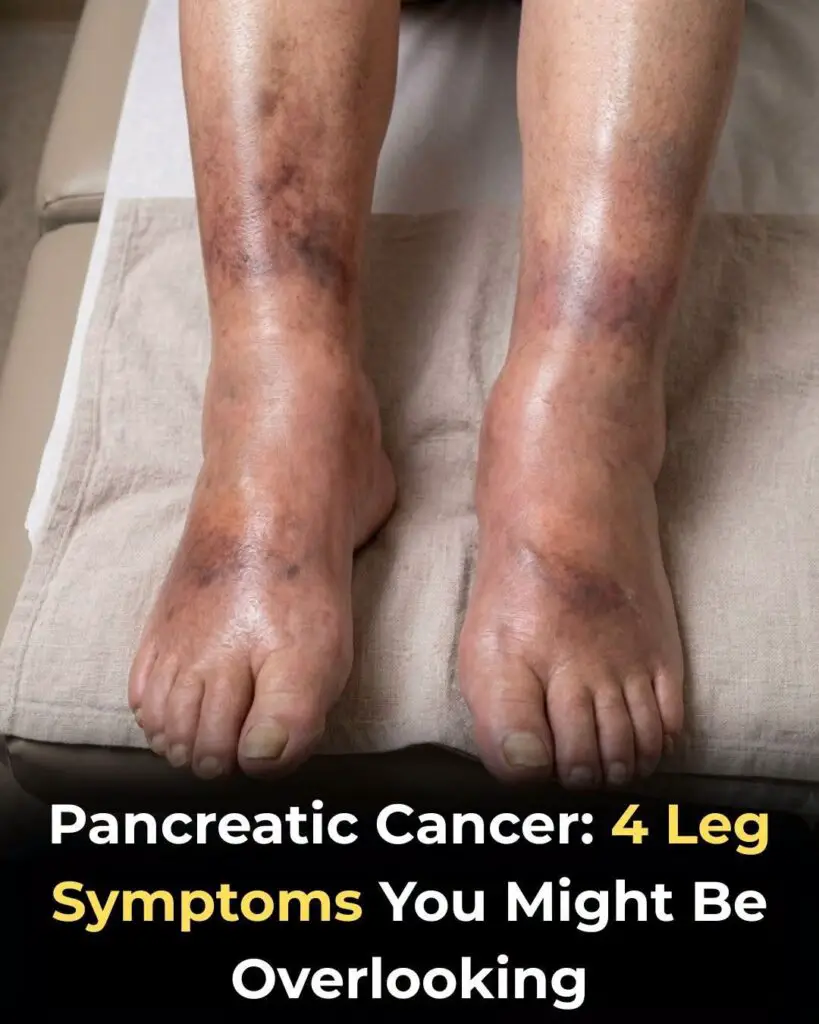
When most people think about pancreatic health, they picture symptoms such as upper abdominal pain, jaundice, unexplained weight loss, or digestive problems. However, the human body is remarkably interconnected, and sometimes health conditions can produce changes in places that seem unrelated—including the legs.
Pancreatic cancer is often called a “silent” disease because it may not cause obvious symptoms in its earliest stages. While leg symptoms are not common early signs of pancreatic cancer and are far more often caused by everyday conditions, certain changes—particularly when they are unexplained and occur alongside other symptoms—deserve medical attention.
The purpose of this article isn’t to create fear. Instead, it’s to encourage awareness, help you recognize when something may warrant a conversation with your healthcare provider, and remind you that paying attention to your body is an important part of protecting your health.
1. An Unexplained Blood Clot in One Leg
One of the best-documented ways pancreatic cancer can occasionally first come to medical attention is through an unexplained blood clot, known as deep vein thrombosis (DVT).
Some cancers can make the blood more likely to clot. Although this is uncommon, an unexplained DVT may sometimes lead doctors to investigate for an underlying illness.
Symptoms of a DVT may include:
- Swelling in one leg
- Pain or tenderness, especially in the calf
- Warmth over the affected area
- Redness or skin discoloration
- Enlarged surface veins
It’s important to remember that blood clots are much more commonly caused by factors such as surgery, prolonged sitting, recent travel, pregnancy, certain medications, or inherited clotting disorders—not pancreatic cancer.
However, any suspected blood clot requires immediate medical evaluation because it can become life-threatening if part of the clot travels to the lungs.
2. Persistent Leg Swelling
Swelling in the legs has many possible explanations.
Standing for long periods, vein problems, heart disease, kidney disease, certain medications, and lymphatic conditions are all far more common causes than pancreatic disease.
Still, swelling that develops without a clear explanation—particularly when accompanied by unexplained weight loss, jaundice, persistent abdominal discomfort, or fatigue—should be discussed with a healthcare professional.
Doctors look at the entire picture rather than any one symptom by itself.
3. Muscle Weakness and Fatigue
Many people with chronic illnesses experience generalized weakness rather than pain alone.
If pancreatic disease affects nutrition or causes unintended weight loss, muscles throughout the body—including those in the legs—may gradually become weaker.
You might notice:
- Difficulty climbing stairs
- Feeling unusually tired after short walks
- Trouble standing from a chair
- Reduced stamina during normal daily activities
These symptoms are not specific to pancreatic disease and commonly occur with aging, anemia, thyroid disorders, infections, vitamin deficiencies, and many other conditions.
4. Leg Pain That Doesn’t Improve
Most leg pain comes from muscle strains, arthritis, nerve irritation, or circulation problems.
Persistent pain without an obvious injury deserves medical attention, especially if it continues for several weeks or is associated with swelling, redness, or other concerning symptoms.
Healthcare providers may recommend imaging studies, blood tests, or vascular evaluations depending on your symptoms.
Looking Beyond the Legs
Doctors rarely diagnose pancreatic conditions based on one isolated symptom.
Instead, they evaluate combinations of findings that may include:
- Persistent upper abdominal pain
- Pain radiating to the back
- Yellowing of the skin or eyes
- Dark urine
- Pale or greasy stools
- Loss of appetite
- Unexplained weight loss
- New-onset diabetes later in adulthood
- Persistent fatigue
- An unexplained blood clot
Many of these symptoms have causes that are much more common—and much less serious—than pancreatic cancer.
Who Is at Higher Risk?
Although pancreatic cancer can affect anyone, certain factors increase risk, including:
- Smoking
- Older age
- Chronic pancreatitis
- Obesity
- Type 2 diabetes
- A strong family history of pancreatic cancer
- Certain inherited genetic syndromes
Having one or more risk factors does not mean someone will develop pancreatic cancer. Likewise, people without known risk factors can occasionally develop the disease.
When Should You See a Doctor?
You should arrange medical evaluation if you experience:
- Persistent symptoms lasting more than two weeks without improvement
- Unexplained weight loss
- Yellowing of the eyes or skin
- Severe or persistent abdominal pain
- Sudden swelling or pain in one leg
- Blood in the stool
- Ongoing vomiting
- Extreme fatigue with no obvious explanation
If you experience sudden leg swelling combined with chest pain or shortness of breath, seek emergency medical care immediately, as this may indicate a pulmonary embolism.
How Doctors Evaluate These Symptoms
If your healthcare provider suspects an underlying problem, they may recommend:
- A physical examination
- Blood tests
- Ultrasound of the leg (if a blood clot is suspected)
- CT or MRI imaging
- Specialized pancreatic imaging when appropriate
- Additional testing based on your medical history
The goal is to identify the true cause of your symptoms rather than assuming the worst.
Protecting Your Pancreatic Health
While there is no guaranteed way to prevent pancreatic cancer, healthy lifestyle habits support overall pancreatic health:
- Avoid smoking.
- Maintain a healthy weight.
- Stay physically active.
- Eat a balanced diet rich in fruits, vegetables, and whole grains.
- Limit excessive alcohol consumption.
- Manage diabetes and other chronic health conditions.
- Attend regular medical checkups, particularly if you have significant risk factors.
Frequently Asked Questions
Can leg pain alone mean pancreatic cancer?
No. Leg pain is extremely common and is usually caused by musculoskeletal injuries, arthritis, nerve problems, or circulation issues. On its own, it is not considered a typical sign of pancreatic cancer.
Why are blood clots associated with some cancers?
Some cancers release substances that increase the blood’s tendency to clot. This can occasionally lead to a DVT before the cancer itself causes noticeable symptoms.
Should everyone with a blood clot be screened for pancreatic cancer?
No. Healthcare providers determine whether additional testing is appropriate based on your age, medical history, risk factors, and other symptoms.
Can pancreatic cancer be found early?
Unfortunately, early pancreatic cancer often causes few symptoms. That’s why persistent, unexplained changes should be discussed with a healthcare professional instead of being ignored.
What is the most important message?
Don’t panic over a single symptom. Instead, pay attention to persistent or unusual changes, seek medical advice when something doesn’t feel right, and remember that most leg symptoms are caused by conditions other than pancreatic cancer.
Final Thoughts
Our bodies often give us clues when something deserves attention, but those clues are rarely specific to one disease. Leg swelling, pain, weakness, or even a blood clot can result from many different conditions, most of which are far more common than pancreatic cancer.
The key is not to jump to conclusions but to stay informed, observe changes that persist or worsen, and seek prompt medical evaluation when appropriate. Awareness, combined with professional medical guidance, offers the best chance of identifying health problems early and receiving the care you need.
Why Pancreatic Conditions Can Be Difficult to Detect
One of the greatest challenges with pancreatic diseases is that the pancreas sits deep within the abdomen, tucked behind the stomach. Because of its location, small changes often don’t cause noticeable discomfort right away.
The pancreas has two essential jobs. First, it produces digestive enzymes that help break down fats, proteins, and carbohydrates. Second, it releases hormones like insulin and glucagon, which regulate blood sugar.
When the pancreas isn’t functioning normally, symptoms may develop gradually and seem unrelated at first. Someone might experience digestive discomfort, changes in appetite, fatigue, or unexpected weight loss without realizing these symptoms could share a common cause.
This is why healthcare providers look at the entire clinical picture rather than focusing on one isolated complaint.
Other Early Symptoms That Shouldn’t Be Ignored
Leg symptoms alone rarely point toward pancreatic disease. However, they become more meaningful if they occur alongside other persistent symptoms.
Persistent Abdominal Pain
Pain associated with pancreatic conditions often develops in the upper abdomen and may spread toward the middle of the back. It can be dull or aching and sometimes becomes worse after eating or when lying flat.
Many common digestive conditions—including acid reflux, ulcers, gallstones, and gastritis—can cause similar discomfort, so medical evaluation is important rather than self-diagnosis.
Unexplained Weight Loss
Losing weight without intentionally changing your diet or exercise routine should always be discussed with a healthcare professional.
Unexpected weight loss can result from numerous medical conditions, including digestive disorders, thyroid disease, diabetes, infections, depression, and several types of cancer.
Digestive Changes
Because the pancreas helps digest food, problems affecting it may lead to:
- Feeling full quickly
- Nausea
- Poor appetite
- Frequent indigestion
- Greasy or oily stools that float
- Difficulty digesting fatty foods
These symptoms are not unique to pancreatic disease but deserve evaluation if they persist.
Understanding the Link Between Pancreatic Health and Diabetes
The pancreas plays a central role in controlling blood sugar through insulin production.
In some adults—particularly those over age 50—a sudden diagnosis of diabetes without typical risk factors may occasionally prompt doctors to investigate the pancreas more closely, especially if accompanied by unexplained weight loss or abdominal pain.
It’s important to remember that the overwhelming majority of new diabetes diagnoses are not caused by pancreatic cancer.
Nevertheless, healthcare providers consider the entire medical picture when deciding whether additional testing is appropriate.
Healthy Habits That Support Your Pancreas
Although no lifestyle choice completely prevents pancreatic disease, several habits contribute to better overall health.
Don’t Smoke
Smoking is one of the strongest known risk factors for pancreatic cancer. Quitting smoking benefits not only the pancreas but also the heart, lungs, and blood vessels.
Eat a Balanced Diet
A diet rich in fruits, vegetables, legumes, whole grains, lean proteins, and healthy fats supports digestive health and may reduce the risk of many chronic illnesses.
Limiting highly processed foods and sugary beverages can also help maintain a healthy weight and reduce the risk of developing type 2 diabetes.
Stay Active
Regular physical activity supports healthy blood circulation, weight management, insulin sensitivity, and cardiovascular health.
Even moderate exercise such as walking, swimming, or cycling several days each week can provide meaningful health benefits.
Attend Regular Checkups
Routine medical care helps identify problems before they become serious.
If you have a strong family history of pancreatic cancer or certain inherited genetic conditions, your healthcare provider may discuss whether specialized screening is appropriate.
Frequently Asked Questions
Are swollen legs usually caused by pancreatic cancer?
No. Swollen legs are much more commonly caused by vein problems, medications, heart disease, kidney disease, injury, or prolonged standing.
Is every blood clot a sign of cancer?
No. Most blood clots occur because of well-known risk factors such as surgery, hospitalization, immobility, pregnancy, or inherited clotting disorders.
Can pancreatic cancer develop without pain?
Yes. Early pancreatic cancer sometimes produces few or no symptoms, which is one reason it can be difficult to detect early.
When should I seek immediate medical attention?
Seek emergency care if you develop sudden swelling in one leg accompanied by chest pain, difficulty breathing, coughing up blood, or severe dizziness, as these symptoms may indicate a pulmonary embolism.
A Thoughtful Final Reminder
The internet makes it easy to connect a single symptom with a serious illness, but real medicine is rarely that straightforward.
Most people who experience leg pain, swelling, or muscle weakness do not have pancreatic cancer. These symptoms are usually explained by far more common conditions.
At the same time, persistent or unexplained changes deserve attention. Listening to your body doesn’t mean assuming the worst—it means recognizing when something feels different and giving yourself permission to seek professional advice.
The most powerful approach is one rooted in awareness rather than anxiety. Stay informed, care for your overall health, keep up with routine medical appointments, and don’t ignore symptoms that persist or continue to worsen.
Knowledge, combined with timely medical care, remains one of the best tools we have for protecting our long-term health.