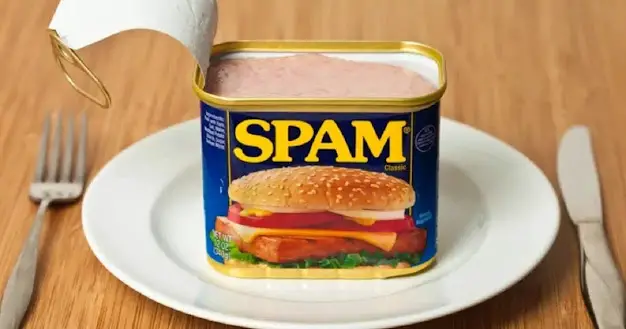
Very few packaged foods have remained popular for nearly a century, yet SPAM continues to earn a place in kitchens around the world. While food trends come and go, this humble canned meat has proven remarkably resilient.
One reason is convenience. Since SPAM is fully cooked during the canning process, it can be enjoyed straight from the can or heated in just a few minutes. Whether you’re preparing breakfast, lunch, or dinner, it provides a quick source of protein with very little preparation.
Its long shelf life is another major advantage. Unlike fresh meat, an unopened can doesn’t require refrigeration, making it a practical pantry staple for emergencies, camping trips, power outages, or simply those evenings when the refrigerator looks a little empty.
For many families, SPAM is also deeply nostalgic. It reminds people of childhood breakfasts, weekend camping adventures, military service, family gatherings, or recipes passed down through generations. Food often carries emotional memories, and SPAM is no exception.
Creative Ways to Cook with SPAM
Although many people enjoy SPAM simply sliced and pan-fried, there are countless ways to incorporate it into everyday meals.
Dice crispy SPAM into fried rice for an easy weeknight dinner. Add cubes to scrambled eggs or omelets for a hearty breakfast. Layer thin slices into grilled cheese sandwiches for a savory twist, or stir chopped pieces into macaroni and cheese for extra protein.
It also works surprisingly well in soups, noodle bowls, breakfast burritos, and even homemade pizza. Because it’s already seasoned, SPAM brings plenty of flavor without requiring a long list of additional ingredients.
If you’re looking for a lighter meal, pair small cubes of crisped SPAM with fresh vegetables, brown rice, or a simple salad. The salty, savory flavor contrasts nicely with crisp greens and fresh produce.
Understanding the Nutrition
Like many cured meats, SPAM is best enjoyed as part of a balanced diet.
It provides high-quality protein, which helps support muscles and keeps you feeling satisfied. It also contains essential minerals such as iron and zinc, along with several B vitamins that contribute to normal energy metabolism.
At the same time, SPAM contains more sodium and saturated fat than many fresh meats. That’s why nutrition experts generally recommend enjoying processed meats in moderation while balancing meals with vegetables, whole grains, legumes, and fresh fruit.
The good news is that a little often goes a long way. Because SPAM is richly flavored, even a few slices can season an entire dish.
Choosing the Right Variety
Over the years, SPAM has expanded far beyond its original recipe. Today, shoppers can find several varieties designed for different tastes and dietary preferences.
The classic Original remains the most recognizable, offering the familiar flavor generations have enjoyed.
Lite versions contain less fat and sodium than the original recipe. Hickory Smoke adds a subtle smoky aroma, while Hot & Spicy offers extra heat for those who enjoy bolder flavors.
There are also lower-sodium varieties, making it easier for people watching their salt intake to continue enjoying SPAM in moderation.
With so many options available, it’s easy to find one that fits your cooking style and personal taste.
A Pantry Staple with an Unexpected Legacy
What began as a practical canned meat in the late 1930s has grown into a cultural icon recognized across continents.
For some, SPAM represents childhood comfort food. For others, it recalls family traditions, military history, or favorite regional dishes discovered while traveling. In many parts of the world, it has become much more than an ingredient—it has become part of local food culture.
Perhaps that’s the real secret behind SPAM’s lasting popularity. It’s not simply about convenience or shelf life. It’s about adaptability.
A single can can become breakfast, lunch, dinner, or a late-night snack. It can appear in elegant restaurant creations or simple home-cooked meals. It has crossed oceans, cultures, and generations while continuing to bring people together around the table.
For a product that contains just a handful of simple ingredients, that’s a remarkably enduring legacy.
The Remarkable History Behind the Little Blue Can
Long before SPAM became a household name, preserving meat was an essential part of everyday life. Families relied on curing, smoking, drying, and canning foods to make them last through difficult seasons when refrigeration either wasn’t available or wasn’t practical.
When SPAM first appeared in 1937, it offered something revolutionary for its time. It was affordable, fully cooked, easy to store, and ready whenever a family needed a quick meal. During the years that followed, particularly throughout World War II, millions of cans were shipped to military personnel serving around the globe because the product could travel long distances without spoiling.
After the war ended, many soldiers returned home with fond memories of meals they had shared overseas, while countries that had received SPAM during those years continued incorporating it into their own cuisines. What began as a practical food gradually became part of family traditions in places thousands of miles apart.
Today, nearly nine decades after its introduction, SPAM remains one of the world’s most recognizable canned foods—a remarkable achievement in an industry where products often disappear after only a few years.
Why Crispy SPAM Tastes So Good
If you’ve only tasted SPAM straight from the can, you’re missing one of its best qualities.
When slices are placed into a hot skillet, something delicious begins to happen. The exterior develops a crisp, golden-brown crust while the inside stays tender and juicy. This transformation occurs because the surface of the meat browns through what’s known as the Maillard reaction—the same process responsible for the irresistible flavor of toasted bread, roasted coffee, and grilled steak.
That crispy edge creates a wonderful contrast with soft foods like steamed rice, scrambled eggs, mashed potatoes, or buttery toast.
Many home cooks even score the edges with small cuts before frying. This simple trick prevents the slices from curling as they cook and allows them to brown more evenly.
Surprising Ways People Enjoy SPAM
Although fried slices remain a classic preparation, creative cooks have found countless other ways to use this versatile ingredient.
In breakfast dishes, diced SPAM can be folded into omelets, breakfast casseroles, or hash browns. For lunch, thin slices make flavorful sandwich fillings alongside lettuce, tomatoes, and mustard.
At dinner, cubed SPAM adds richness to stir-fries, pasta dishes, ramen, fried rice, macaroni and cheese, baked potatoes, and hearty soups.
Some adventurous cooks even use it as a pizza topping, stuffing for baked peppers, or filling for savory pastries.
Its ability to pair well with rice, potatoes, noodles, vegetables, eggs, and bread explains why it has become such a dependable pantry ingredient across many different cultures.
Pantry Storage Tips
One of SPAM’s greatest strengths is its long shelf life, but proper storage still matters.
Keep unopened cans in a cool, dry location away from direct sunlight and excessive heat. A kitchen pantry or cupboard is usually the ideal place.
Avoid storing cans in damp environments where rust may eventually develop. While the contents remain protected inside the sealed container, maintaining the can in good condition helps preserve its quality over time.
Once opened, transfer any unused portion into a sealed food container instead of leaving it in the original can. Refrigerate it promptly and enjoy it within several days for the best flavor and texture.
If you know you won’t use the leftovers right away, freezing individual slices makes future meals even more convenient.
Fun Facts About SPAM
Even longtime fans are often surprised by these interesting facts.
• Billions of cans of SPAM have been sold worldwide since its introduction in 1937.
• Hawaii consumes more SPAM per person than any other U.S. state, where it has become a beloved part of local cuisine.
• There is even a museum dedicated to SPAM, celebrating its history, cultural impact, and evolution over the decades.
• The product has inspired cookbooks, festivals, cooking competitions, and countless family recipes around the world.
• Today, SPAM is sold in dozens of countries and continues to introduce new flavors to suit local tastes.
More Than Just Food
It’s easy to think of SPAM as simply another canned product sitting quietly on a grocery store shelf.
But behind every can lies a surprisingly rich story of innovation, history, resilience, and adaptation.
For some families, it represents memories of grandparents cooking breakfast on Sunday mornings. For others, it’s the taste of military service, island traditions, camping trips, or comforting meals prepared during difficult times.
Perhaps that’s why SPAM continues to spark conversation generation after generation. It’s not just about what’s inside the can—it’s about the memories people create around the table.
Whether you fry it until crispy, fold it into fried rice, layer it into a sandwich, or enjoy it as part of a cherished family recipe, SPAM remains one of those rare foods that connects practicality with nostalgia.
Sometimes the simplest pantry staples end up carrying the richest stories, reminding us that comfort food isn’t defined by complexity. It’s defined by the memories we build with the people we share it with.