Travel is supposed to be an opportunity to relax, discover new places, and create lasting memories. Whether you’re planning a weekend getaway, a family vacation, or a business trip, choosing comfortable accommodations is one of the most important parts of the experience. In recent years, short-term rental platforms have transformed the travel industry by offering unique homes, apartments, and vacation properties in destinations around the world.
For millions of travelers, these rentals provide convenience, flexibility, and a more personal alternative to traditional hotels. Most stays are enjoyable and uneventful, with responsible hosts working hard to provide clean, welcoming accommodations.
However, the rapid growth of connected technology has introduced new concerns about privacy. Smart locks, internet-connected doorbells, security cameras, voice assistants, and other electronic devices have become increasingly common in homes. While many of these technologies improve security and convenience, they also raise important questions about where surveillance is appropriate and how guests can protect their privacy.
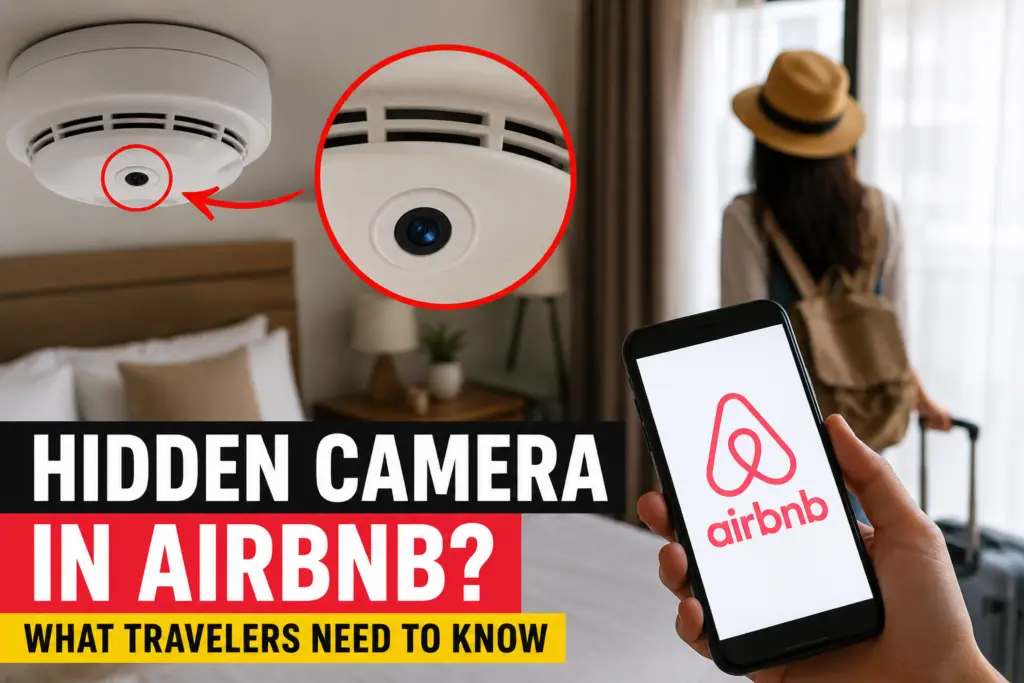
Highly publicized reports involving hidden cameras—although uncommon—have heightened public awareness and encouraged travelers to pay closer attention to their surroundings. Understanding your rights, knowing what is permitted, and learning simple safety practices can help you travel with greater confidence.
The Rise of Smart Technology in Vacation Rentals
Modern homes increasingly include devices connected to the internet.
Common examples include:
- Smart locks
- Video doorbells
- Outdoor security cameras
- Motion sensors
- Smart thermostats
- Voice assistants
- Smart lighting
Many hosts install these systems for legitimate reasons, including protecting property, preventing theft, monitoring entrances, or improving energy efficiency.
The key distinction is transparency.
Guests should know which monitoring devices exist and where they are located before booking.
Understanding Privacy Expectations
Most reputable booking platforms have policies governing surveillance devices.
Generally, hosts are expected to disclose security cameras and monitoring equipment.
Indoor cameras placed in private living areas or bedrooms are typically prohibited on major rental platforms, while outdoor cameras or cameras monitoring entrances may be allowed if disclosed and compliant with local laws and platform policies.
Rules vary depending on:
- Local laws
- Platform policies
- Property type
- Country or region
Before traveling, it is worth reviewing the policies of the platform you are using.
Why Privacy Matters
A vacation rental often becomes a temporary home.
Guests expect reasonable privacy while:
- Sleeping
- Changing clothes
- Spending time with family
- Relaxing
The idea of undisclosed surveillance can understandably feel unsettling.
Even the suspicion of hidden recording devices may create anxiety and disrupt an otherwise enjoyable trip.
Respect for guest privacy is an essential part of hospitality.
Devices That Are Commonly Misunderstood
Not every unfamiliar device is a hidden camera.
Many modern homes contain electronics that resemble surveillance equipment.
Examples include:
- Smoke detectors
- Carbon monoxide detectors
- Wi-Fi routers
- Motion detectors
- Smart speakers
- Air quality monitors
These devices often contain sensors, lights, or lenses that serve legitimate purposes.
Avoid assuming a device is recording without evidence.
Practical Steps When You Arrive
Many travelers appreciate taking a few moments to familiarize themselves with the property.
Consider:
- Reading the house information.
- Locating smoke detectors.
- Identifying emergency exits.
- Confirming disclosed security devices.
- Noting unusual electronics.
These simple steps improve both safety and peace of mind.
What to Do if Something Seems Unusual
If you notice an unfamiliar device that concerns you:
- Avoid tampering with it.
- Compare it with the listing description.
- Contact the host and ask for clarification.
- Document your observations.
- Contact the booking platform if concerns remain.
If you believe your privacy has been violated, local authorities may also be appropriate to contact depending on the circumstances.
Technology Can Be Helpful Too
Technology is not inherently a threat.
Many smart home devices improve guest experiences.
Examples include:
- Keyless entry
- Smart climate control
- Enhanced property security
- Emergency alerts
- Energy efficiency
The issue is not technology itself but how it is used and disclosed.
Transparency builds trust.
Reading Reviews Carefully
Guest reviews often provide valuable information about:
- Cleanliness
- Communication
- Accuracy of listings
- Safety
- Overall experience
Although reviews cannot guarantee future experiences, they can help identify well-managed properties.
Pay attention to repeated comments rather than isolated complaints.
Understanding Platform Policies
Major booking platforms generally provide systems for reporting safety concerns.
These may include:
- Customer support
- Emergency assistance
- Investigation procedures
- Refund requests in qualifying situations
Knowing how to access support before you need it can save valuable time during travel.
Digital Privacy Beyond Cameras
Privacy during travel involves more than physical surveillance.
Travelers should also protect their digital information.
Helpful practices include:
- Using strong passwords
- Enabling two-factor authentication
- Avoiding unsecured public Wi-Fi for sensitive transactions
- Keeping devices updated
- Logging out of shared televisions or streaming services before checkout
These habits reduce cybersecurity risks while traveling.
Trusting Your Instincts
If a property genuinely feels unsafe for any reason, it is reasonable to leave and seek assistance.
Personal safety should always take priority over convenience or cost.
Remaining calm and documenting concerns objectively can help resolve situations more effectively.
Questions Travelers Frequently Ask
Are all security cameras prohibited?
No. Outdoor security cameras or cameras monitoring entrances may be allowed if properly disclosed and compliant with applicable laws and platform policies.
Can smoke detectors contain cameras?
Modern smoke detectors come in many designs. If a device seems unusual, seek clarification rather than making assumptions.
Should I inspect every room?
A general walk-through to familiarize yourself with the property is reasonable and can help identify emergency exits, safety equipment, and disclosed devices.
What if I feel uncomfortable?
Contact the host, the booking platform, or local authorities if appropriate. Your comfort and safety are important.
Balancing Awareness with Perspective
Stories involving privacy concerns often receive significant media attention because they are unusual and emotionally powerful.
It is important to remember that millions of successful vacation rental stays occur every year without incident.
Remaining informed does not require becoming fearful.
Reasonable awareness allows travelers to enjoy their trips while reducing unnecessary anxiety.
Building Trust in Modern Travel
Trust remains the foundation of the hospitality industry.
Hosts rely on honest guest reviews.
Guests rely on accurate listings.
Booking platforms rely on transparency and clear policies.
When each participant fulfills these responsibilities, short-term rentals can continue offering enjoyable travel experiences for people around the world.
Final Thoughts
Technology has transformed the way people travel, making it easier than ever to find accommodations, communicate with hosts, and access smart home features. At the same time, it has introduced new questions about privacy and digital security. While reports involving hidden cameras are uncommon, they serve as reminders that awareness is an important part of modern travel.
By understanding platform policies, reviewing listings carefully, familiarizing yourself with your surroundings, protecting your digital information, and reporting genuine concerns through the appropriate channels, you can help safeguard your privacy without allowing fear to overshadow your trip.
Most vacations end with happy memories rather than unexpected problems. A balanced approach—combining common sense, awareness, and respect for both guests and hosts—helps ensure that travel remains what it should be: an opportunity to explore the world with confidence, comfort, and peace of mind.