
Imagine stepping into your garden on a warm afternoon. You’re checking your tomato plants, pulling a few weeds, or simply enjoying the progress of your vegetables and flowers. Then something catches your eye.
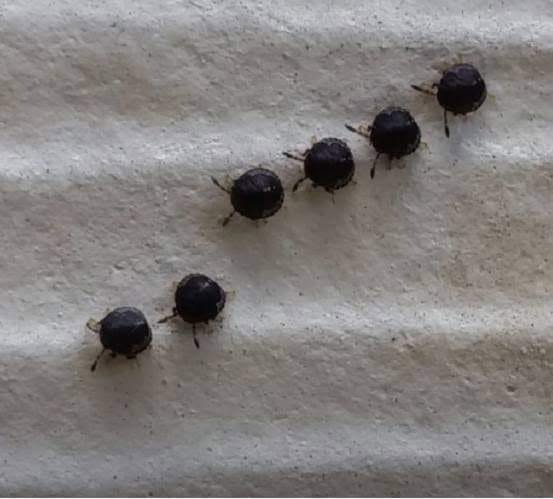
Nestled among the leaves are what appear to be tiny clusters of perfect blueberries. They are glossy, round, deep blue, and surprisingly attractive. At first glance, they look like nature’s little snack hidden among your plants.
But before you reach out to pick one, stop.
Those mysterious blue “berries” may not be berries at all. In many cases, gardeners discover that these strange blueberry look-alikes are actually insects using one of nature’s most remarkable camouflage strategies.
What you’re seeing could be a species of Jewel Bug or Shield Bug, insects that have evolved appearances so unusual that they can easily fool even experienced gardeners.
Let’s explore why these fascinating creatures look like fruit, whether they’re dangerous, and what you should do if you find them in your garden.
Meet the Jewel Bug: Nature’s Master of Disguise
Jewel Bugs belong to the insect family Scutelleridae. They are close relatives of stink bugs and shield bugs, but they are far more colorful and eye-catching.
Many species display:
- Metallic blue coloring
- Iridescent green tones
- Purple reflections
- Glossy, berry-like surfaces
- Rounded shapes that resemble fruit
Some species are so perfectly shaped and colored that they look almost identical to blueberries or tiny grapes when resting on plants.
Unlike ordinary insects that rely on blending into leaves or bark, Jewel Bugs often stand out. Their vibrant appearance serves a purpose.
Evolution has equipped them with a form of protective mimicry that helps reduce the chances of becoming a meal for predators.
Why Do They Look Like Blueberries?
The resemblance isn’t accidental.
Scientists believe that many brightly colored insects evolved unusual appearances to confuse predators.
Birds and other animals often make decisions quickly when searching for food. If an insect resembles something inedible, difficult to identify, or simply not worth eating, it may survive longer.
In the case of Jewel Bugs, their glossy blue shells can create visual confusion.
From a distance they may appear to be:
- Small fruits
- Seeds
- Plant growths
- Harmless objects
This confusion gives them a valuable survival advantage.
Nature has spent millions of years refining these disguises, and the result can be remarkably convincing.
How to Tell the Difference Between Real Blueberries and Jewel Bugs
Fortunately, a closer inspection usually reveals the truth.
Look for Stems
Real blueberries grow from small stems attached to a branch.
Jewel Bugs sit directly on leaves, stems, or other surfaces without a fruit stem connecting them.
Check the Surface
Blueberries typically have a soft, dusty coating called bloom.
Jewel Bugs are usually shiny, smooth, and reflective.
Look for Movement
A blueberry remains exactly where it is.
A Jewel Bug may slowly crawl away if disturbed.
Inspect the Shape
Blueberries are generally round.
Jewel Bugs often have a slightly flattened, shield-like shape that becomes obvious when viewed from the side.
Watch for Legs
If you look carefully underneath, you may notice tiny legs or antennae.
That is a clear sign you’re looking at an insect rather than fruit.
Why You Should Never Eat Them
Although Jewel Bugs are fascinating to observe, they are definitely not edible.
Anyone expecting a sweet blueberry flavor would be in for an unpleasant surprise.
Defensive Chemicals
Like many insects, Jewel Bugs possess natural defense mechanisms.
When threatened, they can release chemicals designed to discourage predators.
These secretions may produce:
- Extremely bitter tastes
- Unpleasant odors
- Mouth irritation
- Temporary nausea
The purpose is simple: convince predators not to eat them again.
Possible Allergic Reactions
Some people may experience skin irritation after handling certain insects.
While severe reactions are uncommon, contact can occasionally cause:
- Redness
- Itching
- Mild rashes
Individuals with insect allergies should exercise additional caution.
Hygiene Concerns
Wild insects travel through soil, decaying plant matter, and various environmental surfaces.
Even if an insect isn’t toxic, consuming it can expose you to bacteria and contaminants that you would rather avoid.
Are Jewel Bugs Dangerous to Humans?
The good news is that Jewel Bugs are generally not considered dangerous.
They do not:
- Bite humans
- Sting humans
- Inject venom
- Carry diseases commonly transmitted to people
For most gardeners, the greatest risk is simply mistaking one for food.
If you accidentally touch one, washing your hands afterward is usually sufficient.
Are They Harmful to Your Garden?
This depends on the species.
Some Jewel Bugs feed on plant sap by piercing leaves or stems.
In small numbers, they rarely cause serious damage.
However, large populations may occasionally lead to:
- Leaf discoloration
- Minor plant stress
- Reduced vigor in sensitive plants
Many gardeners never experience noticeable damage at all.
In fact, some species contribute to the garden ecosystem by helping maintain natural insect balance.
What Should You Do If You Find Them?
If you discover Jewel Bugs in your garden, there is usually no reason to panic.
Leave Them Alone
A few bugs rarely justify intervention.
Observe them and enjoy one of nature’s more unusual creations.
Remove Them Carefully if Necessary
If numbers become excessive, wear gloves and gently remove them by hand.
A bucket of soapy water can be used for disposal if needed.
Avoid crushing them directly, as this may release their defensive chemicals.
Encourage Natural Predators
Healthy gardens naturally attract:
- Birds
- Spiders
- Beneficial insects
These predators often help keep insect populations under control.
Avoid Excessive Pesticide Use
Broad-spectrum pesticides can harm beneficial insects and pollinators.
Natural balance is often the best long-term solution.
Common Garden Mistakes to Avoid
Many gardeners encounter strange berries, seeds, or insects and immediately assume they are harmless.
Before touching or eating anything unfamiliar:
- Identify it carefully.
- Compare it to known fruits or plants.
- Research local species.
- When in doubt, leave it alone.
A simple photo and identification search can prevent an unpleasant experience.
Frequently Asked Questions
Are Jewel Bugs poisonous?
They are not considered poisonous in the traditional sense, but they do produce defensive chemicals that can cause irritation and nausea if ingested.
Can children touch them?
Touching them briefly is usually not dangerous, but children should be taught not to handle or taste unknown insects.
Can I eat fruit that Jewel Bugs have been sitting on?
Yes. Simply wash the fruit thoroughly before eating.
Why are they so colorful?
Their bright colors help deter predators and may contribute to their camouflage strategy.
Do they damage crops?
Small populations typically cause little harm. Severe infestations are uncommon and may require management.
The Bottom Line
Those mysterious blue “blueberries” hiding in your garden may not be fruit at all. Jewel Bugs are remarkable insects that demonstrate just how creative nature can be when it comes to survival.
Their glossy appearance, unusual coloring, and berry-like shape make them one of the most convincing impostors in the insect world.
While they are generally harmless to people, they are definitely not a snack. The best approach is simple: admire them from a distance, appreciate their incredible camouflage, and leave them where they are.
The next time you spot a cluster of shiny blue spheres among your plants, take a closer look before reaching out. Nature sometimes hides its most fascinating surprises in plain sight.