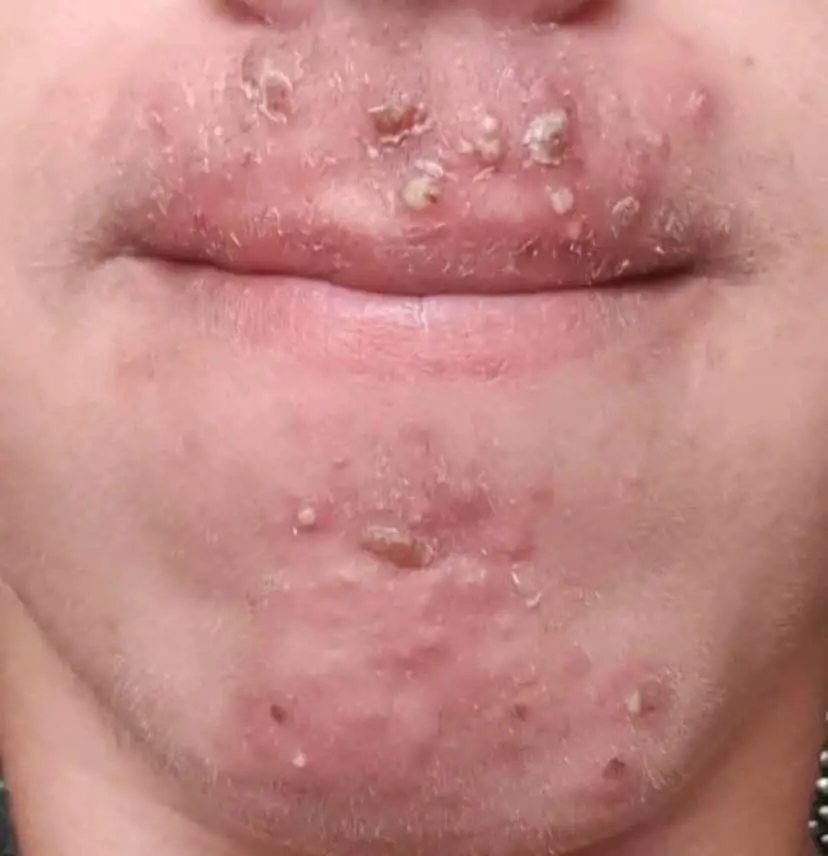
Pimples Around the Mouth: Causes, Easy Fixes & Best Skincare Routine for Clear Skin is something many people search for when breakouts appear in one of the most visible—and stubborn—areas of the face. These breakouts can feel frustrating, but the good news is they are often linked to everyday habits that you can actually control.
I remember dealing with small, stubborn bumps around my mouth that just wouldn’t go away no matter what products I used. I kept switching creams, thinking I needed something stronger. Eventually, I realized the issue wasn’t the products—it was my routine. Once I changed a few small habits, like rinsing my face after brushing my teeth and avoiding touching my chin, my skin slowly started to improve. That experience showed me that simple changes can make a big difference.
Understanding Pimples Around the Mouth
Why This Area Is Sensitive
The skin around your mouth is thinner and more reactive than other parts of your face. Because of this, it’s more prone to irritation, clogged pores, and inflammation.
Additionally, this area is exposed to many daily triggers—food, saliva, skincare products, and even your hands. All of these factors can contribute to breakouts.
What These Pimples Really Are
Not all bumps around the mouth are typical acne. Some may actually be perioral dermatitis, which looks similar but behaves differently. It often appears as small red bumps, dryness, or irritation.
That’s why understanding the root cause is essential before treating it.
Common Causes You Might Overlook
Everyday Habits That Trigger Breakouts
Many breakouts are linked to simple habits. For example, toothpaste residue can irritate the skin if not washed off properly. Touching your face transfers bacteria and oils that clog pores.
Even your phone or pillowcase can contribute to recurring acne if not cleaned regularly.
Diet, Hormones, and Products
Hormonal changes can increase oil production, especially around the chin and jawline. At the same time, certain foods—like high-sugar or dairy-heavy diets—may worsen acne for some people.
Lip balms and makeup can also play a role. Heavy or oily products may spread onto the surrounding skin and clog pores.
A Simple Routine That Works
Morning Routine for Clear Skin
Start with a gentle cleanser to remove oil and bacteria without stripping your skin. Follow with a lightweight moisturizer to keep your skin balanced.
If needed, apply a targeted treatment like salicylic acid or benzoyl peroxide on active breakouts. Always finish with sunscreen to protect your skin and prevent dark spots.
Evening Routine for Repair
In the evening, cleanse your skin thoroughly—especially if you’ve worn makeup or sunscreen. Make sure to remove any toothpaste residue around your mouth.
Apply treatments as needed, then use a gentle moisturizer to support your skin barrier overnight.
Habits That Make a Big Difference
Small Changes, Big Results
Rinsing your face after brushing your teeth can prevent irritation from toothpaste ingredients. Cleaning your phone regularly reduces bacteria exposure.
Avoid resting your chin on your hands, and wipe your mouth after eating to remove food residue. These small actions can significantly reduce breakouts.
Choosing the Right Products
Look for non-comedogenic and fragrance-free products. These are less likely to clog pores or irritate sensitive skin.
Avoid harsh scrubs or strong treatments that can damage your skin barrier and make acne worse.
When to Seek Professional Help
Signs You Shouldn’t Ignore
If your breakouts are painful, persistent, or not improving after several weeks, it may be time to consult a professional.
Additionally, if the rash looks red, scaly, or different from typical acne, it could be another condition that needs specific treatment.
Getting the Right Treatment
A dermatologist can identify the exact cause and recommend targeted solutions. This may include prescription creams or adjustments to your routine.
Getting expert advice can save time and prevent further irritation.
Frequently Asked Questions
Why do pimples keep coming back in the same spot?
Because the underlying cause hasn’t been addressed, such as habits or product use.
Can toothpaste cause breakouts?
Yes, certain ingredients can irritate the skin around the mouth.
Should I stop using all products?
No, but switch to gentle, non-irritating options.
How long does it take to see improvement?
Usually a few weeks with consistent care.
Is it acne or something else?
If unsure, a dermatologist can help diagnose it correctly.
Conclusion
Pimples Around the Mouth: Causes, Easy Fixes & Best Skincare Routine for Clear Skin doesn’t have to be a mystery. Most breakouts in this area are linked to daily habits, and once you identify your triggers, you can take control.
With a gentle routine, mindful habits, and a little patience, clearer skin is absolutely possible. Sometimes, the smallest changes lead to the biggest results.
More Home Remedies
- Wrinkled Fingers After Water Exposure: What Your Skin May Be Telling You
- Skin Rash With Breathing Trouble? It Could Be a Life-Threatening Allergic Reaction
- I Thought It Was a Piece of Trash on the Bathroom Floor—Until It Moved
- If You Are Getting White Pimples on Your Lips or Intimate Area, Here’s What They Could Mean