Let’s be honest.
Most people don’t wash their bras nearly as often as they wash the rest of their clothing.
A T-shirt might go straight into the laundry basket after a single wear. Socks rarely survive a full day before being tossed into the wash. Yet bras often enjoy a much longer stay in rotation.
Many people wear the same bra multiple times before considering a wash. Some stretch it for a week. Others keep wearing it until it starts feeling less than fresh.
If that sounds familiar, you’re far from alone.
Bras occupy a strange category in our wardrobes. They’re intimate garments, yet they don’t always feel “dirty” after one use. Because they’re hidden beneath other clothing, it’s easy to assume they remain relatively clean.
Unfortunately, that’s not quite how it works.
According to lingerie experts and garment-care professionals, bras work much harder than most people realize. Every day they absorb sweat, skin oils, body lotions, dead skin cells, and environmental particles. Over time, all of those substances build up within the fabric.
The result isn’t just an issue of cleanliness.
It can affect comfort, skin health, support, and even the lifespan of the bra itself.
So how often should we really be washing our bras?
The answer may surprise you.
The Expert Recommendation
According to lingerie specialists, most everyday bras should be washed after approximately two to three wears.
That recommendation often catches people off guard.
Many assume bras can go much longer between washes because they aren’t exposed to the same level of dirt as outer clothing.
However, experts explain that the primary concern isn’t visible dirt.
It’s what you can’t see.
Each time you wear a bra, your body transfers oils, sweat, and microscopic debris into the fabric. These substances accumulate gradually, creating an environment where odors, bacteria, and material breakdown can occur.
Equally important, experts recommend avoiding wearing the same bra on consecutive days.
That advice isn’t just about cleanliness.
It’s also about preserving the garment’s structure.
The elastic fibers in bras experience significant tension throughout the day. Giving them time to rest and recover between wears helps maintain their shape and support.
Think of it like athletic recovery.
Just as muscles benefit from rest after exercise, elastic fabrics benefit from time to return to their original form.
Rotating between multiple bras can significantly extend their lifespan.
Why Bras Get Dirtier Than You Think
Many people underestimate how much work a bra performs during a typical day.
Even during relatively sedentary activities, the body continuously produces sweat and oils.
The chest and under-bust area are particularly prone to moisture accumulation because they experience warmth, friction, and limited airflow.
As a result, bras absorb:
- Sweat
- Skin oils
- Dead skin cells
- Body lotions
- Sunscreen residue
- Perfume particles
- Environmental dust
None of these are necessarily harmful on their own.
The problem develops when they accumulate over time.
Fabric saturated with oils and sweat becomes less breathable. It may begin retaining odors. It can also become less comfortable against sensitive skin.
Many people notice this only after a bra starts feeling stiff, itchy, or less supportive.
By then, the fabric has already endured considerable wear.
The Connection Between Clean Bras and Skin Health
One often-overlooked reason for regular washing involves skin care.
Dermatologists frequently point out that clothing in close contact with the body can influence skin health.
When bras collect sweat, oils, and bacteria, they may contribute to several common issues:
Skin Irritation
Friction combined with trapped moisture can lead to redness and discomfort.
Folliculitis
This condition occurs when hair follicles become inflamed, sometimes due to bacterial growth in warm, damp environments.
Acne Mechanica
Sweat, friction, and trapped debris can contribute to breakouts on the chest, shoulders, and back.
Contact Dermatitis
Accumulated detergents, body products, and bacteria may sometimes trigger irritation in sensitive individuals.
Regular washing helps reduce these risks by removing buildup before it becomes problematic.
For individuals with sensitive skin, eczema, or frequent breakouts, bra hygiene can play an especially important role.
When You Should Wash a Bra Immediately
While the general recommendation is every two to three wears, some situations require more frequent cleaning.
Certain conditions increase moisture, heat, and bacterial growth.
You should consider washing your bra after every wear if:
- You exercised while wearing it
- You spent time outdoors in hot weather
- You experienced significant sweating
- You have particularly sensitive skin
- You were ill
- You wore heavy body lotions or sunscreen
- The bra has any noticeable odor
Sports bras deserve special attention.
Unlike everyday bras, sports bras are designed specifically for physical activity. They absorb large amounts of sweat and should generally be washed after each workout.
Waiting several wears between washes can allow odors and bacteria to build up rapidly.
The Hidden Cost of Not Washing Bras
Some people avoid frequent washing because they worry it will wear out the garment.
Ironically, the opposite is often true.
Leaving sweat and oils trapped in the fabric can actually damage a bra faster than proper cleaning.
Body oils gradually break down elastic fibers.
When elasticity deteriorates, the bra loses its ability to provide support.
Straps stretch.
Bands loosen.
Cups lose shape.
The garment becomes less comfortable and less effective.
Regular gentle washing removes these damaging substances before they can degrade the fabric.
In many cases, proper care extends a bra’s useful life considerably.
How to Wash Bras Correctly
The washing method matters just as much as frequency.
Bras contain delicate materials that can become damaged by harsh treatment.
Hand washing remains the gold standard.
Hand-Washing Method
- Fill a basin with cool or lukewarm water.
- Add a small amount of gentle detergent.
- Soak the bra for 10–15 minutes.
- Gently agitate the fabric.
- Rinse thoroughly.
- Press out excess water without twisting.
- Lay flat or hang to air dry.
This approach minimizes stress on elastic components and underwires.
Machine Washing
If hand washing isn’t practical, machine washing can work when done carefully.
Experts recommend:
- Using a lingerie bag
- Selecting the delicate cycle
- Using cold water
- Fastening hooks before washing
- Avoiding heavy garments in the same load
The goal is reducing friction and preventing stretching.
Never Put Bras in the Dryer
This may be the single most important bra-care rule.
High heat is one of the fastest ways to damage elastic fibers.
Even a high-quality bra can lose shape prematurely when repeatedly exposed to dryer heat.
Instead:
- Air dry whenever possible
- Lay flat on a towel
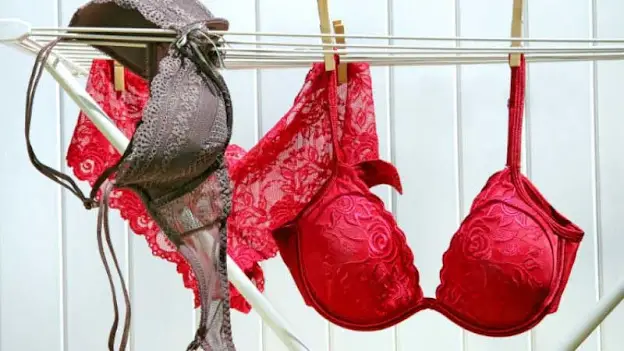
- Hang from the center gore rather than the straps
- Avoid direct sunlight for prolonged periods
Allowing bras to dry naturally helps preserve elasticity and structural integrity.
How Many Bras Should You Own?
Experts often recommend having at least three to five everyday bras in rotation.
This provides several benefits.
First, each bra gets adequate recovery time between wears.
Second, laundry becomes easier to manage.
Third, overall wear is distributed across multiple garments.
A simple rotation system might look like:
- Bra A on Monday
- Bra B on Tuesday
- Bra C on Wednesday
- Return to Bra A after it has rested
This strategy helps maintain fit and support while reducing strain on individual garments.
Signs It’s Time to Replace a Bra
Even the best care routine cannot make a bra last forever.
Over time, materials naturally wear out.
Common signs include:
- The band feels loose on the tightest hook
- Straps constantly slip
- Cups wrinkle or lose shape
- Underwires poke through fabric
- Elastic feels weak
- Support noticeably decreases
Most regularly worn bras last between six months and two years depending on quality, frequency of use, and care practices.
Why This Small Habit Matters
Bra care rarely receives the attention given to skincare, fitness, or nutrition.
Yet it influences daily comfort more than many people realize.
A clean, properly fitting bra can improve:
- Comfort
- Confidence
- Skin health
- Posture
- Garment longevity
It’s a small act of self-care that pays off repeatedly.
After all, few items in a wardrobe work harder than a bra.
Providing proper care ensures it can continue doing its job effectively.
Final Thoughts
If you’ve been stretching your bras through a week—or longer—between washes, you’re certainly not alone.
Many people do.
But experts generally agree that washing bras every two to three wears strikes the best balance between cleanliness, comfort, and longevity.
More frequent washing may seem like extra work, yet it helps preserve support, reduce skin irritation, eliminate odors, and extend the life of your favorite garments.
Sometimes the smallest habits make the biggest difference.
A clean bra won’t change your entire life.
But it can make every day feel a little more comfortable, a little more confident, and a lot more supported.
And that’s worth the extra load of laundry.
More Blog
- A Persistent Mystery at Home: How to Track Down Strange Odors Before They Become Bigger Problems
- Son’s Living Liver Donation Followed by Serious Health Complications Highlights the Risks and Courage of Organ Donation
- My Daughter’s Innocent Question on Father’s Day Changed Everything (And Taught Me the True Meaning of Presence)
- Caught Red-Handed: A Shopping Trip Turns Into a Public Scandal That Sparked Debate