Seeing unexplained changes on your child’s skin can feel frightening, especially when the symptoms seem to linger or worsen over time. Parents naturally want answers quickly, particularly when redness, bumps, itching, swelling, or unusual skin textures appear suddenly and do not improve.
However, many skin conditions that look alarming at first are actually more common and manageable than people realize. Skin reactions can develop from allergies, eczema, stress, irritation, infections, environmental triggers, or immune responses. While some situations require medical attention, others improve significantly once the cause is identified and properly treated.
The most important step is staying calm, observing symptoms carefully, and seeking professional medical guidance when changes persist or worsen over time. Internet searches and social media advice can sometimes create unnecessary fear, especially when images look dramatic without proper medical context.
I remember when a relative noticed unusual raised patches developing on their child’s arms over several weeks. At first, everyone assumed it was dry skin or an allergic reaction. But when it continued spreading, anxiety quickly grew. After finally visiting a dermatologist, they learned it was a treatable skin condition triggered by irritation and stress. What felt terrifying initially became much more manageable once they had accurate information and a treatment plan. That experience showed how important professional guidance and patience can be during uncertain health situations.
Why Skin Changes Can Happen Suddenly
The skin reacts to many internal and external triggers. Sometimes even small changes in routine, products, weather, or stress can create noticeable symptoms.
Allergic Reactions and Irritation
One common cause of raised bumps, redness, or itching is skin irritation.
Potential triggers include:
- New soaps or detergents
- Fragrances
- Lotions or skincare products
- Fabrics
- Environmental allergens
- Foods
- Insect bites
Children and teenagers often have more sensitive skin barriers, which may react more strongly to irritants.
Additionally, repeated scratching can worsen inflammation and create thicker or more irritated skin over time.
Stress and Immune Responses
Stress can affect the skin more than many people realize. Emotional stress sometimes contributes to:
- Hives
- Eczema flare-ups
- Itching
- Rashes
- Skin sensitivity
The immune system and skin are closely connected. As a result, physical or emotional stress may sometimes trigger visible skin changes even when no infection is present.
This does not mean symptoms are “imagined.” The reaction is very real, even if stress contributes to the flare.
Common Conditions That May Cause Raised Skin Changes
Many different skin conditions can create bumps, swelling, or rough patches.
Eczema and Chronic Skin Irritation
Eczema often causes:
- Dryness
- Red patches
- Itching
- Thickened skin
- Small bumps
Repeated scratching may make affected areas appear rougher or more inflamed over time.
Eczema can worsen because of:
- Stress
- Dry weather
- Harsh soaps
- Allergens
- Sweating
Moisturizing regularly and avoiding known triggers often helps reduce symptoms significantly.
Hives or Allergic Skin Reactions
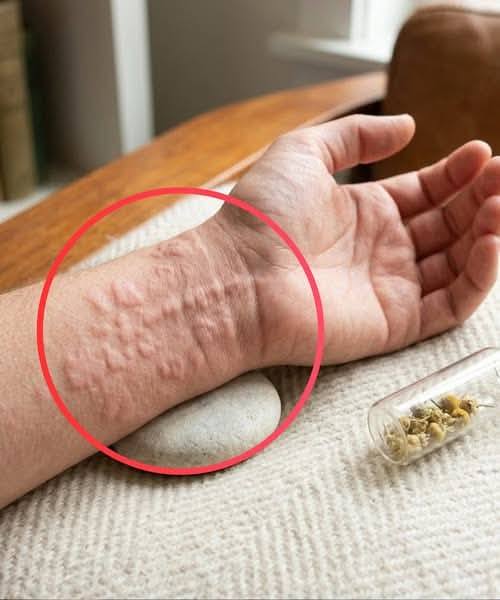
Hives appear as raised welts or swollen patches that may itch intensely.
Common triggers include:
- Food allergies
- Medications
- Heat
- Stress
- Viral illnesses
- Environmental exposure
Some hives disappear within hours, while others may continue appearing repeatedly for weeks.
Persistent or worsening reactions should always be evaluated by a healthcare professional, especially if swelling or breathing symptoms occur.
When Medical Evaluation Is Important
Some skin symptoms improve with gentle care, while others require professional medical attention.
Warning Signs That Should Not Be Ignored
A healthcare provider should evaluate symptoms that:
- Continue worsening
- Last several weeks
- Cause pain
- Spread rapidly
- Develop drainage or infection
- Interfere with sleep
- Cause severe itching
- Appear alongside fever or illness
A dermatologist or pediatrician can help identify whether the condition involves allergies, eczema, infection, autoimmune conditions, or other skin disorders.
Trying random treatments without knowing the cause may sometimes worsen irritation.
Avoid Self-Diagnosing Through Social Media
Online photos and viral posts often create unnecessary fear because many skin conditions look similar in pictures.
The same rash appearance may have dozens of possible causes.
Professional evaluation matters because:
- Proper diagnosis guides treatment
- Some conditions mimic others closely
- Early treatment often prevents worsening
- Internet advice may be inaccurate
Reliable medical guidance is always safer than relying solely on viral health posts.
Gentle Skin Care Habits That May Help
While awaiting medical guidance, gentle skin care habits may reduce irritation and support healing.
Keep Skin Care Simple
Overloading the skin with products may worsen sensitivity.
Helpful habits often include:
- Using fragrance-free moisturizers
- Washing with gentle cleansers
- Avoiding harsh scrubbing
- Wearing soft breathable fabrics
- Keeping nails trimmed to reduce scratching damage
Simple routines are often better for irritated skin than aggressive treatments.
Watch for Possible Triggers
Keeping a symptom journal may help identify patterns.
Helpful things to track:
- Foods
- New products
- Weather changes
- Stress levels
- Activities
- Laundry detergents
- Medications
Sometimes patterns become clearer over time and help doctors identify triggers more easily.
Supporting Emotional Well-Being During Health Anxiety
Visible skin conditions can affect confidence and emotional well-being, especially for children and teenagers.
Reassurance Matters
Parents naturally worry when symptoms continue. However, children also notice adult anxiety quickly.
Remaining calm and supportive helps reduce emotional stress surrounding the condition.
Helpful reassurance includes:
- “We’re going to figure this out together.”
- “You’re not alone.”
- “We’ll get the right help.”
Emotional support matters just as much as physical treatment during uncertain health situations.
Avoid Shame or Panic
Visible skin conditions are not personal failures.
Avoid:
- Blaming hygiene
- Making frightening assumptions
- Constantly criticizing scratching
- Comparing symptoms online excessively
Compassion and patience create a healthier emotional environment while seeking answers.
Frequently Asked Questions
What causes raised bumps or irritated skin?
Possible causes include eczema, allergies, irritation, hives, infections, stress reactions, or other skin conditions.
When should someone see a doctor for skin symptoms?
Medical evaluation is important if symptoms worsen, spread, persist for weeks, become painful, or interfere with daily life.
Can stress affect skin conditions?
Yes. Stress may contribute to flare-ups of eczema, hives, itching, and other inflammatory skin reactions.
Should parents rely on online skin diagnosis posts?
No. Many skin conditions appear similar online, so professional medical evaluation is important for accurate diagnosis.
Can gentle skincare help irritated skin?
Yes. Fragrance-free moisturizers, gentle cleansing, and avoiding harsh irritants may help reduce inflammation and discomfort.
Conclusion
My son has been experiencing this for two months — and it’s getting worse is the kind of situation that naturally creates fear and urgency for parents. However, many skin conditions that appear alarming can often be treated successfully once the underlying cause is identified.
The most important steps involve staying calm, avoiding panic-driven assumptions, monitoring symptoms carefully, and seeking professional medical guidance when symptoms persist or worsen.
Most importantly, visible skin conditions do not define a child’s health, worth, or future. With patience, proper care, and accurate medical support, many skin concerns improve significantly over time.