
Our skin changes constantly over time, and the neck is often one of the first places where those changes become noticeable. Skin tags, dark patches, uneven texture, and dryness can slowly appear due to aging, sun exposure, friction, and lifestyle habits.
Although these skin concerns are usually harmless, many people feel frustrated when they notice rough or uneven skin around the neck. Because the neck is frequently exposed to sunlight and movement, the area naturally becomes more vulnerable to discoloration and texture changes.
Fortunately, many people look for simple home remedies before turning to expensive cosmetic treatments. Natural skincare methods have become increasingly popular because they are affordable, easy to prepare, and often use ingredients already available at home.
A few years ago, I started noticing darker patches and rough texture developing around my neck after spending long hours outdoors during summer. At first, I ignored it, assuming regular lotion would solve the problem. However, the dryness and uneven appearance gradually became more noticeable. Eventually, I began researching simple home remedies focused on gentle exfoliation and hydration. While no treatment worked overnight, small changes in my skincare routine combined with consistent moisturizing helped improve the texture significantly. That experience taught me that skin health usually improves through patience and consistent care rather than quick fixes.
Why the Neck Develops Skin Tags and Dark Patches
The Neck Is Highly Exposed
The neck experiences constant exposure to sunlight, sweat, clothing friction, and environmental stress. Unlike other parts of the body, many people forget to apply sunscreen or moisturizer consistently to the neck area.
Over time, UV exposure increases melanin production, which can contribute to darker patches and uneven skin tone.
Additionally, the neck contains thinner skin and fewer oil glands compared to other areas of the body. Because of this, dryness and rough texture may develop more easily.
Skin tags also commonly form in areas where skin rubs against skin or clothing regularly.
Common Causes of Skin Tags
Skin tags are soft, harmless growths that often appear around the neck, underarms, eyelids, and other friction-prone areas.
Several factors may increase the likelihood of developing skin tags, including:
- Aging
- Weight gain
- Friction from clothing
- Genetics
- Hormonal changes
Although skin tags are usually harmless, many people choose to remove them for cosmetic reasons or comfort.
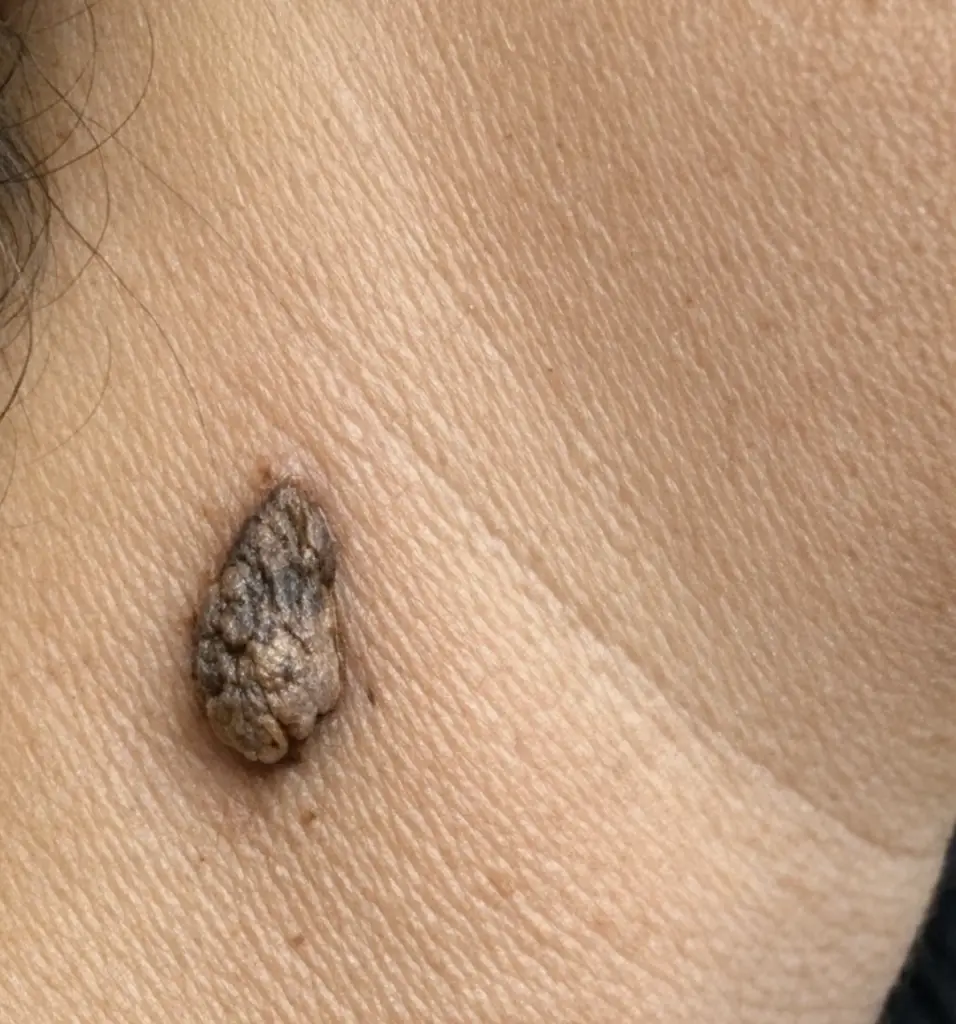
The image shown here appears to display a raised skin growth commonly described in discussions about skin tags and rough skin texture.
The DIY Neck Mixture People Are Talking About
Ingredients Commonly Used
One popular home remedy mixture includes:
- 1 tablespoon lemon juice
- 1 tablespoon honey
- 1 teaspoon baking soda
According to many home skincare articles, each ingredient serves a different purpose.
Lemon juice contains natural acids and vitamin C, which may help brighten skin appearance.
Honey provides moisture and soothing properties.
Baking soda acts as a mild exfoliant that can help remove dry surface skin.
Why These Ingredients Are Popular
Natural remedies often focus on exfoliation and hydration together.
Exfoliation removes dead skin cells from the surface, while moisturizing ingredients help soften and smooth rough texture.
Vitamin C found in lemon juice is frequently associated with brightening effects because it may help reduce the appearance of uneven pigmentation over time.
Meanwhile, honey helps maintain moisture and may calm dry skin.
However, natural remedies work differently for everyone, and results may vary depending on skin type and sensitivity.
How to Prepare and Apply the Mixture
Simple Preparation Steps
To make the mixture:
- Squeeze fresh lemon juice into a small bowl
- Add honey and stir thoroughly
- Mix in baking soda slowly until a smooth paste forms
The texture should feel soft and spreadable rather than overly thick.
Fresh ingredients are generally preferred because they contain more active natural compounds.
How to Apply It Safely
Before applying any homemade skincare treatment, washing the neck gently with warm water helps remove oils and dirt from the skin surface.
Apply a thin layer of the mixture to affected areas and allow it to sit briefly before rinsing thoroughly with lukewarm water.
Many people use the mixture two or three times weekly rather than daily to avoid excessive irritation.
Moisturizing afterward may help reduce dryness.
Important Safety Considerations
Natural Does Not Always Mean Risk-Free
Although home remedies sound appealing, natural ingredients can still irritate sensitive skin.
Lemon juice in particular may cause:
- Burning
- Redness
- Increased sun sensitivity
- Dryness
Baking soda may also disrupt the skin barrier when used too aggressively.
Because of this, patch testing on a small area of skin first is extremely important.
Anyone with sensitive skin, eczema, allergies, or open wounds should use extra caution before trying homemade treatments.
When to Avoid DIY Skin Treatments
Some skin growths should never be treated at home without professional evaluation.
If a skin tag or growth:
- Changes color
- Bleeds
- Grows rapidly
- Becomes painful
- Develops irregular borders
it is important to seek medical advice from a dermatologist rather than relying on home remedies.
Not every skin growth is harmless, and professional evaluation is sometimes necessary.
What Dermatologists Usually Recommend
Professional Treatments May Be Safer
Dermatologists often recommend professional treatments for stubborn skin tags or significant discoloration.
Common medical treatments include:
- Cryotherapy
- Laser removal
- Prescription creams
- Electrocautery
- Minor surgical removal
These methods are usually safer and more effective for larger or persistent skin growths.
Professionals can also confirm whether a growth is truly harmless before removal.
Healthy Daily Habits Matter Most
Regardless of treatment choice, healthy skincare habits remain extremely important.
Helpful habits include:
- Wearing sunscreen daily
- Staying hydrated
- Moisturizing regularly
- Avoiding harsh chemicals
- Maintaining a balanced diet
Consistency often improves skin appearance more effectively than quick temporary solutions.
Preventing Future Skin Problems
Reduce Friction and Sun Exposure
Since friction contributes to skin tags and rough patches, wearing loose-fitting clothing may help reduce irritation around the neck.
Protecting the neck from excessive sunlight also matters significantly because UV damage can worsen discoloration over time.
Applying sunscreen to the neck daily is one of the simplest ways to protect skin health long term.
Nutrition and Hydration Support Healthy Skin
Skin health often reflects overall body health.
Drinking enough water and eating nutrient-rich foods may support healthier skin texture naturally over time.
Foods rich in:
- Vitamin C
- Healthy fats
- Zinc
- Antioxidants
- Protein
can help support skin repair and hydration.
FAQ
What causes skin tags on the neck?
Skin tags often develop due to friction, aging, genetics, weight gain, and hormonal changes.
Can home remedies remove skin tags?
Some people report improvement with home remedies, but results vary greatly and professional treatment is often more reliable.
Is lemon juice safe for skin?
Lemon juice may irritate sensitive skin and increase sun sensitivity, so patch testing is important.
When should someone see a dermatologist?
Medical advice is recommended if a skin growth changes color, bleeds, becomes painful, or grows rapidly.
Can sunscreen help prevent dark neck patches?
Yes. Daily sunscreen use may help reduce sun-related discoloration and uneven pigmentation.
Conclusion
Skin tags, dark patches, and rough texture around the neck are extremely common concerns, especially with aging and sun exposure. Although many people try natural remedies using ingredients like honey, lemon juice, and baking soda, results can vary depending on individual skin type and sensitivity.
While gentle skincare habits may improve overall texture and hydration, it is important to approach DIY remedies carefully and realistically.
Most importantly, unusual or changing skin growths should always receive professional medical evaluation rather than self-treatment alone.
Healthy skin usually benefits most from consistency, protection, hydration, and patience over time.