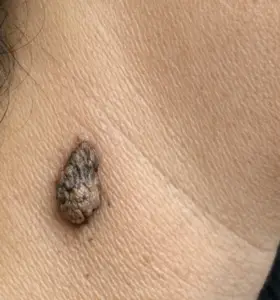
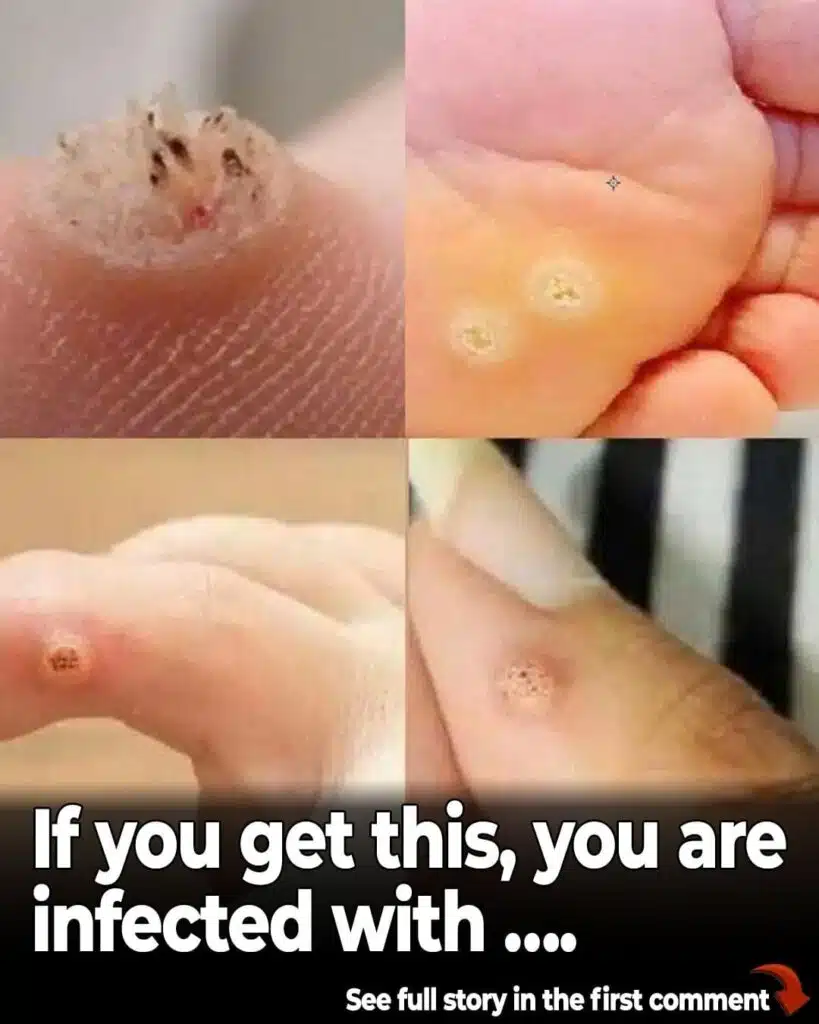
Warts are common skin growths that can appear almost anywhere on the body. They may look rough, bumpy, flat, thick, or cauliflower-like, and they often cause concern because viral images online make them seem frightening. In reality, most warts are harmless, treatable, and very common.
Warts are caused by certain strains of the human papillomavirus, also called HPV. The virus enters the skin through tiny cuts or weak spots, then causes extra skin growth in that area. Common warts are usually spread by touch, and they can take months to appear after exposure.
Although many warts eventually go away on their own, some become painful, spread, or cause embarrassment. Knowing the main types can help you understand what you may be seeing and when professional care matters.
What Causes Warts?
Warts develop when HPV infects the outer layer of skin. The virus thrives in warm, moist environments and spreads more easily when skin has tiny cracks, cuts, or irritation.
Common ways warts spread include:
- touching a wart directly
- sharing towels or razors
- walking barefoot in locker rooms
- nail biting or picking cuticles
- shaving over infected skin
- sexual contact in the case of genital warts
Not everyone exposed to HPV develops warts. Your immune system plays a major role in whether the virus causes visible growths.
Are Warts Dangerous?
Most non-genital warts are not dangerous. Many disappear without treatment, although this may take months or even years. Plantar warts may last longer in adults and can become painful on weight-bearing areas of the foot.
However, medical care is important if a wart:
- bleeds
- changes color
- grows quickly
- appears on the face or genitals
- becomes painful
- spreads rapidly
- appears in someone with diabetes or poor circulation
1. Common Warts
Common warts are also called verruca vulgaris.
They usually appear on:
- fingers
- hands
- elbows
- knees
These warts often look:
- rough
- raised
- grayish or brownish
- cauliflower-like
They may contain tiny black dots, which are actually clotted blood vessels rather than “seeds.”
Why Common Warts Spread Easily
Common warts often spread through small skin injuries. Nail biting, scratching, or picking can transfer the virus to nearby skin.
Children and teens get them frequently because they often have small cuts and close contact with shared surfaces.
Treatment Options
Over-the-counter wart treatments often contain salicylic acid, which slowly removes layers of the wart when used consistently. Dermatologists may also use cryotherapy, a freezing treatment with liquid nitrogen.
2. Plantar Warts
Plantar warts grow on the soles of the feet, especially on:
- heels
- balls of the feet
- pressure points
Because body weight pushes them inward, they may look flatter than other warts.
How Plantar Warts Feel
Many people describe plantar warts as feeling like:
- a pebble in the shoe
- a painful callus
- pressure when walking
They may appear as thickened skin with small black dots.
Plantar Warts vs. Corns
Plantar warts are often confused with corns.
A helpful clue:
- corns usually hurt with direct pressure
- plantar warts often hurt more when squeezed from the sides
Treatment Options
Plantar warts may respond to stronger salicylic acid pads, but painful or stubborn cases may need professional treatment. People with diabetes, nerve problems, or poor circulation should not treat foot warts at home without medical guidance.
3. Flat Warts
Flat warts are smaller and smoother than common warts.
They often appear on:
- face
- neck
- hands
- legs
They may be:
- flesh-colored
- pink
- light brown
- slightly raised
- flat-topped
Flat warts often appear in clusters, sometimes in groups of dozens.
Why Shaving Can Spread Flat Warts
Shaving can create tiny cuts that allow HPV to spread across the skin. This is why flat warts sometimes appear in lines on the legs or face.
Treatment Options
Because flat warts often appear on delicate or visible skin, treatment should be gentle. Harsh wart removers can irritate the face or cause discoloration.
Dermatologists may recommend mild topical treatments, retinoids, or careful in-office removal depending on location and severity.
4. Filiform Warts
Filiform warts look different from many other warts because they grow in thin, finger-like projections.
They often appear around:
- eyes
- nose
- lips
- chin
These warts may grow quickly and become noticeable because of their shape.
Why You Should Not Treat Facial Warts Aggressively
The skin around the face is delicate. Using strong acids or freezing products at home near the eyes or lips can cause burns, scarring, or pigment changes.
A dermatologist can remove filiform warts safely with methods such as cryotherapy or minor procedures.
5. Genital Warts
Genital warts are caused by certain sexually transmitted HPV strains, most commonly types 6 and 11.
They may appear on:
- genitals
- anus
- groin
- inner thighs
They can be:
- flat
- raised
- soft
- moist
- cauliflower-like
Why Genital Warts Need Medical Care
Genital warts should not be treated with over-the-counter wart removers. Products designed for hands or feet can severely irritate genital skin.
The CDC lists several treatment options for anogenital warts, including patient-applied prescription medications such as imiquimod and provider-applied treatments such as cryotherapy or surgical removal.
HPV Vaccination
The HPV vaccine can help prevent many HPV-related conditions, including most genital warts and several HPV-associated cancers. People should discuss vaccine eligibility with a healthcare provider.
6. Periungual Warts
Periungual warts grow around or under fingernails and toenails.
They may look:
- rough
- thick
- cracked
- cauliflower-like
These warts can interfere with nail growth and sometimes cause discomfort.
Why Nail Biting Increases Risk
Nail biting and cuticle picking create tiny openings where HPV can enter. Once warts develop near the nail, they can become stubborn and difficult to treat.
Treatment Options
Periungual warts often require patience. Over-the-counter treatments may irritate the nail bed if used carelessly. A dermatologist can recommend safer options, especially if the wart grows under the nail.
Home Remedies: What Works and What Doesn’t
Many home remedies circulate online, but not all are safe or effective.
Salicylic Acid
Salicylic acid has the strongest support among over-the-counter options for common and plantar warts. It works gradually by peeling away wart tissue and is often applied after soaking the wart in warm water.
Duct Tape
Some people use duct tape occlusion, although results vary. It is generally low risk for many common warts, but it should not be used on irritated, infected, facial, or genital skin.
Tea Tree Oil and Apple Cider Vinegar
These are popular online but can irritate or burn the skin. Apple cider vinegar especially may cause chemical burns if left on too long.
Natural does not always mean safe.
What Not to Do
Avoid:
- cutting warts off at home
- using sharp tools
- picking or scratching
- sharing nail files or pumice stones
- using genital wart treatments without a doctor
- treating facial warts with harsh chemicals
Picking warts can spread HPV and increase the risk of infection.
How Doctors Treat Warts
Professional treatments may include:
- cryotherapy
- prescription salicylic acid
- cantharidin
- laser therapy
- minor surgical removal
- immune-based medications
Treatment choice depends on wart type, location, size, symptoms, and medical history.
How to Prevent Warts From Spreading
Helpful habits include:
- wash hands regularly
- avoid picking warts
- cover warts when needed
- wear sandals in public showers
- keep feet dry
- avoid sharing towels or razors
- stop nail biting when possible
- use clean nail tools
Good hygiene reduces spread, but warts can still happen even in clean, healthy people.
When to See a Doctor
Get medical advice if:
- the wart is painful
- it bleeds
- it changes quickly
- it appears on the face or genitals
- you have diabetes
- you have poor circulation
- you are immunocompromised
- home treatment fails after several months
A doctor can also confirm whether the growth is truly a wart. Some skin cancers, corns, calluses, and other growths can mimic warts.
Final Thoughts
Warts may look alarming, but most are harmless skin growths caused by HPV. Common warts, plantar warts, flat warts, filiform warts, genital warts, and periungual warts each look different and need different care.
The most important rule is simple: treat gently and know when to get help.
Over-the-counter salicylic acid may help common and plantar warts, while facial, genital, painful, or stubborn warts deserve professional guidance.
Warts are not a personal failure or a sign of being unclean. They are common viral skin growths that many people experience at some point in life. With patience, hygiene, and proper treatment, most can be managed safely.