
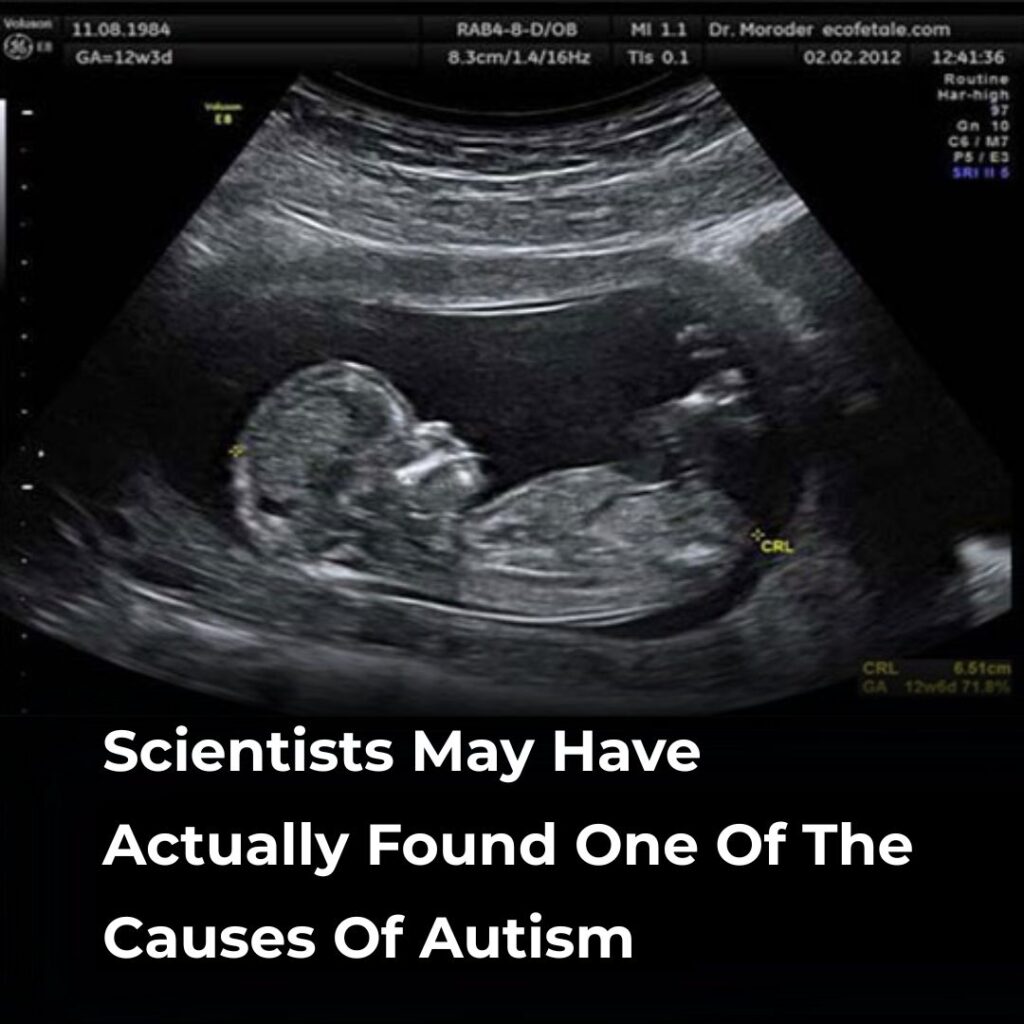
Autism spectrum disorder (ASD) remains one of the most discussed and misunderstood developmental conditions in the world. Every time researchers publish new findings, headlines often appear claiming scientists have finally “discovered the cause” of autism. However, the reality is far more complex.
Modern research shows autism does not come from one single cause. Instead, experts believe it develops through a combination of genetic, biological, and environmental influences that affect early brain development. Scientists continue learning more each year, but no single explanation fully accounts for every autistic person’s experience.
Understanding what research actually says is important because misleading claims can create fear, confusion, and stigma for families already navigating important developmental questions.
I remember a close family friend feeling overwhelmed after her child received an autism diagnosis several years ago. She spent countless nights reading alarming headlines online, each article promising a “hidden cause” or miracle answer. Eventually, her pediatrician explained something simple but comforting: autism is incredibly complex, and no single event or parenting choice caused it. That conversation helped her focus less on blame and more on supporting her child’s strengths, communication, and happiness.
What Scientists Currently Understand About Autism
Autism Is a Neurodevelopmental Condition
Autism affects how the brain develops and processes:
- Communication
- Social interaction
- Sensory experiences
- Behavior patterns
Every autistic person is unique. Some individuals require significant support, while others live independently and thrive in highly specialized careers or creative fields.
Autism Exists on a Spectrum
The word “spectrum” matters because autism presents differently from person to person.
Some people may experience:
- Speech delays
- Sensory sensitivities
- Repetitive behaviors
- Strong focus on specific interests
- Social communication differences
Others may show only subtle traits.
The Strong Genetic Connection
Hundreds of Genes Are Involved
One of the clearest findings in autism research involves genetics. Scientists have identified hundreds of genes associated with autism-related traits.
Many of these genes influence:
- Brain connectivity
- Neuron communication
- Synapse development
No Single “Autism Gene” Exists
Despite popular headlines, researchers have not found one universal autism gene.
Instead, autism appears connected to:
- Common inherited genetic variations
- Rare mutations
- Complex interactions between many genes
Twin Studies Support Genetic Influence
Studies involving identical twins show particularly strong genetic links. If one identical twin has autism, the other twin has a significantly increased chance of also being autistic.
This does not mean genetics alone determine everything, but genetics clearly play a major role.
Prenatal and Early Development Factors
Pregnancy-Related Risk Factors
Researchers also study prenatal influences that may increase autism likelihood in genetically predisposed children.
Possible factors include:
- Advanced parental age
- Severe maternal infections during pregnancy
- Premature birth
- Low birth weight
- Certain medication exposures
Risk Factors Are Not Direct Causes
This distinction is extremely important.
A risk factor does not guarantee autism will develop. Most children exposed to these factors do not become autistic.
Differences in Early Brain Development
Brain Imaging Studies
Modern brain imaging has revealed differences in how autistic brains may develop during early childhood.
Scientists observe variations in areas related to:
- Language processing
- Sensory experiences
- Emotional regulation
- Social interaction
Development Begins Early
Research suggests many neurological differences begin before birth and continue developing throughout early childhood.
This supports the understanding that autism is deeply rooted in brain development rather than caused by later parenting choices or lifestyle habits.
Myths About Autism That Science Has Rejected
Vaccines Do Not Cause Autism
One of the most harmful myths ever spread involved vaccines.
Extensive research involving millions of children across multiple countries has found no evidence linking vaccines, including the MMR vaccine, to autism.
The original study that started the fear was later discredited and withdrawn.
Parenting Does Not Cause Autism
Older theories once blamed emotionally distant parenting, especially mothers. These ideas have been thoroughly disproven.
Autism is not caused by:
- Lack of affection
- Parenting style
- Emotional coldness
Screen Time and Sugar Are Not Proven Causes
Although excessive screen use can affect sleep, attention, and behavior in children generally, no evidence shows it directly causes autism.
Similarly, sugar and ordinary childhood diets do not cause autism.
Why Autism Rates Appear to Be Increasing
Better Awareness and Diagnosis
Autism diagnoses have increased significantly over recent decades, but researchers believe much of this rise comes from:
- Better awareness
- Improved screening
- Broader diagnostic criteria
More People Receive Support Earlier
Earlier diagnosis allows children to access:
- Speech therapy
- Occupational therapy
- Educational support
This often improves long-term outcomes and quality of life.
Understanding Neurodiversity
Autism Is Not Simply a Disease
Many autistic adults strongly advocate for viewing autism through a neurodiversity lens.
This perspective recognizes autism as:
- A natural variation in human brains
- A different way of processing the world
- An identity, not merely a disorder
Support Matters More Than “Fixing”
Many families and advocates focus on:
- Communication support
- Sensory accommodations
- Emotional well-being
- Independence skills
rather than trying to eliminate autistic traits entirely.
Challenges Autistic Individuals May Face
Sensory Sensitivities
Some autistic individuals experience heightened sensitivity to:
- Noise
- Lights
- Textures
- Smells
Social Communication Differences
Communication styles may differ significantly from non-autistic expectations.
This can include:
- Difficulty interpreting social cues
- Direct communication styles
- Preference for routines
The Importance of Early Support
Early Intervention Can Help
Early support services may help children improve:
- Communication
- Emotional regulation
- Daily living skills
Every Child Develops Differently
There is no single “correct” developmental path for autistic children. Progress looks different for every individual.
Frequently Asked Questions
Is autism caused by one thing?
No. Research strongly suggests autism develops through a complex mix of genetic and developmental influences.
Do vaccines cause autism?
No. Large scientific studies have repeatedly found no connection between vaccines and autism.
Can autism be detected before birth?
Currently, no prenatal test can accurately predict autism.
Is autism increasing?
Diagnosis rates have increased, largely due to improved awareness and broader screening.
Is autism a disease?
Autism is considered a neurodevelopmental condition and is often viewed through a neurodiversity perspective rather than strictly as a disease.
Final Thoughts
Scientists continue making important discoveries about autism, but the evidence consistently points toward complexity rather than one single cause. Genetics, early brain development, and certain environmental influences all appear to play roles in shaping how autism develops.
At the same time, modern understanding of autism continues evolving beyond fear-based narratives. More people now recognize autistic individuals as valuable members of society with unique strengths, perspectives, and experiences.
Rather than searching for simple blame or miracle explanations, the most helpful approach focuses on understanding, support, acceptance, and individualized care. Autism is not a personal failure or parenting mistake. It is one of many ways the human brain can develop and experience the world.