
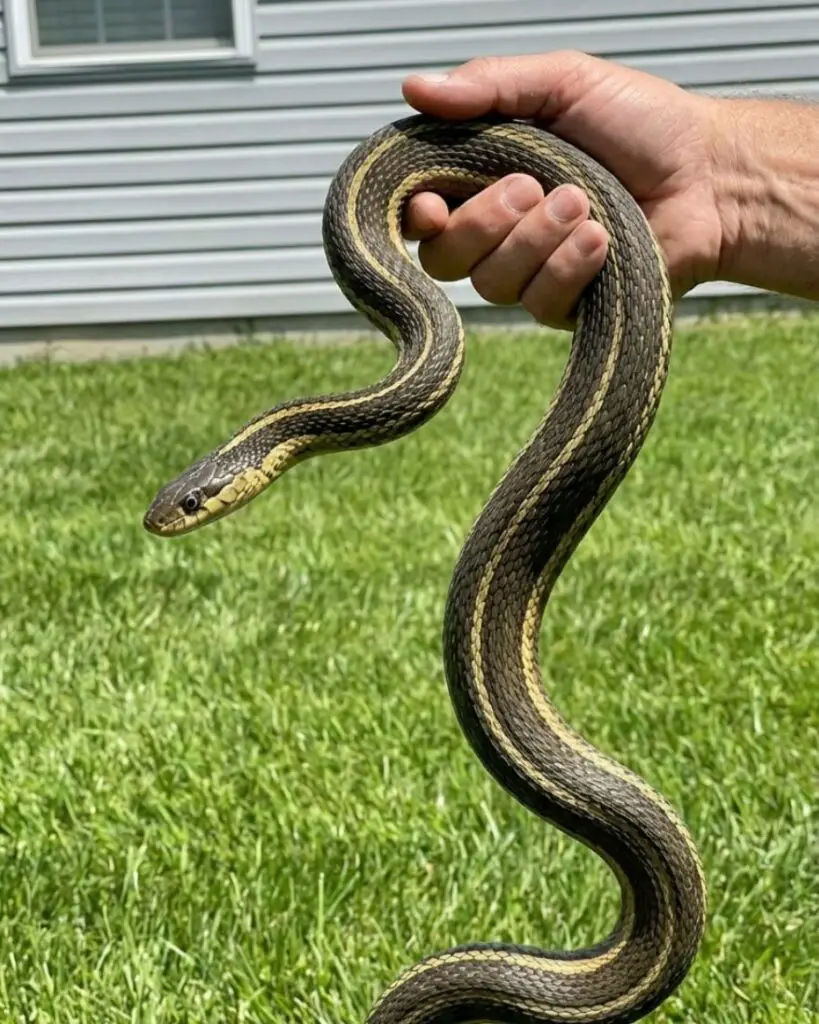
Snakes play an important role in nature, yet most people still feel startled when they unexpectedly appear in the yard. Whether you’re gardening, relaxing on the patio, or letting pets outside, spotting a snake nearby can quickly ruin a peaceful afternoon. Fortunately, there are several humane and natural ways to make your yard less attractive to snakes without harming them.
The good news is that snakes usually avoid humans whenever possible. They enter yards mainly because they are searching for food, water, shelter, or warmth. Once those attractions disappear, snakes typically move elsewhere on their own.
A few summers ago, I nearly stepped on a snake while pulling weeds beside the garden fence. Although it turned out to be harmless, the surprise alone made me jump backward instantly. After that experience, I started researching simple ways to discourage snakes naturally without using dangerous chemicals or traps. Over time, I discovered that small changes around the yard made a huge difference. The space became cleaner, easier to maintain, and much less appealing to snakes and other pests.
Why Snakes Enter Your Yard
Food Sources Attract Snakes
Snakes rarely appear randomly. Most of the time, they follow food. If your yard contains rodents, insects, frogs, bird eggs, or slugs, snakes may view the area as an easy hunting ground.
Rodents especially attract snakes because mice and rats provide reliable meals. Therefore, controlling pest populations often becomes one of the most effective snake prevention methods.
Pet food left outdoors can also attract rodents, which then attract snakes. Consequently, keeping feeding areas clean and secure helps reduce unwanted wildlife activity overall.
Shelter and Moisture Create Safe Hiding Spots
Snakes prefer quiet, protected spaces where they can hide safely from predators and extreme temperatures. Tall grass, wood piles, compost heaps, dense shrubs, and piles of leaves create ideal shelter.
Moist environments also attract snakes because they support frogs, insects, and other prey animals. Standing water from leaky hoses, bird baths, or clogged drains may encourage snakes to linger nearby.
Once you remove hiding places and excess moisture, your yard becomes far less attractive to reptiles.
1. Keep Grass and Weeds Short
Why Tall Grass Encourages Snakes
Tall grass provides excellent cover for snakes while helping them stay hidden from predators. Because snakes rely heavily on camouflage, overgrown lawns make them feel protected and secure.
Keeping your grass trimmed short removes much of that protection. As a result, snakes feel more exposed and less likely to remain in the area.
Regular mowing also helps reduce insects and rodent activity, which further decreases snake attraction.
Best Lawn Maintenance Tips
Try to mow the lawn consistently during warmer months when snakes remain most active. Pay close attention to fence lines, garden edges, and areas around sheds where grass tends to grow thickest.
Weed control matters just as much. Overgrown weeds around rocks, patios, and flower beds create shaded hiding areas snakes enjoy.
Maintaining a clean, open yard often becomes the simplest and most effective deterrent.
2. Remove Hiding Spots Around the Yard
Common Snake Shelter Areas
Snakes naturally seek dark, protected spaces during the day. Unfortunately, many ordinary backyard items create perfect hiding places without homeowners realizing it.
Common shelter areas include:
- Wood piles
- Leaf piles
- Overgrown shrubs
- Unused pots
- Rock piles
- Compost heaps
- Stored lumber
- Thick ground cover
Removing unnecessary clutter helps eliminate safe resting areas.
How to Organize Outdoor Spaces Better
Store firewood elevated off the ground whenever possible. In addition, keep wood piles away from the home and trim nearby vegetation regularly.
Clean up fallen branches, leaves, and unused garden supplies promptly. If you maintain compost bins, use secure containers rather than open piles.
Simple organization improvements can dramatically reduce snake activity over time.
3. Control Rodents and Food Sources
Why Rodents Bring Snakes
Snakes follow food sources very efficiently. Therefore, if mice or rats live near your property, snakes may eventually appear nearby as well.
Even bird feeders can unintentionally contribute to the problem because spilled seed attracts rodents underneath.
Garbage containers that remain uncovered also increase pest activity, especially during warmer weather.
Humane Ways to Reduce Rodents
Keep trash sealed tightly and clean outdoor areas regularly. Store pet food indoors whenever possible and avoid leaving food outside overnight.
If using bird feeders, clean spilled seed frequently. Sealing small holes around sheds, garages, and foundations can also help prevent rodents from nesting nearby.
Reducing prey animals naturally discourages snakes from staying in the area.
4. Eliminate Standing Water
Why Water Attracts Wildlife
Snakes need water just like other animals. In addition, damp areas attract frogs and insects that snakes eat.
Bird baths, clogged gutters, leaking hoses, and poorly drained soil may all contribute to wildlife activity around your yard.
Therefore, controlling moisture can reduce multiple pest problems simultaneously.
Easy Ways to Keep the Yard Dry
Repair leaking outdoor faucets and hoses quickly. Empty standing water after rainstorms and clean gutters regularly.
If certain areas remain consistently wet, consider improving drainage or adjusting irrigation schedules.
Keeping the yard dry makes the environment far less inviting for snakes and other pests.
5. Use Natural Snake Repellent Plants
Plants That May Discourage Snakes
Although no plant guarantees complete snake prevention, some gardeners believe strong-smelling plants may help discourage wildlife naturally.
Popular options include:
- Lemongrass
- Marigolds
- Garlic
- Onion
- Wormwood
- Society garlic
These plants may help create a less appealing environment while also beautifying the yard.
Why Landscaping Matters
Open landscaping with fewer dense hiding areas often works better than heavily crowded planting designs.
Keeping shrubs trimmed and maintaining clear walking paths also improves visibility, making it easier to notice wildlife before accidental encounters occur.
A well-maintained landscape benefits both safety and appearance.
6. Seal Small Openings Around Buildings
How Snakes Enter Structures
Small gaps beneath sheds, porches, garages, and foundations can provide shelter for snakes seeking cooler temperatures or protection.
Once inside enclosed spaces, snakes may remain hidden for long periods without being noticed.
Simple Ways to Block Entry
Inspect the property regularly for cracks or openings. Use mesh screening, weather stripping, or sealant to close gaps safely.
Pay attention to areas around pipes, vents, and utility lines where openings commonly form.
Blocking entry points helps keep snakes outside and reduces nesting opportunities.
7. Install Snake-Proof Fencing
When Fencing Helps Most
In areas where snakes appear frequently, specialized fencing may provide additional protection around gardens or play areas.
Snake fencing typically uses fine mesh installed partially underground to prevent snakes from slipping underneath.
Important Fence Installation Tips
The fence should angle slightly outward and remain flush with the ground. Regular inspections matter because small gaps can quickly reduce effectiveness.
While fencing requires more effort initially, it can provide long-term peace of mind in high-risk areas.
8. Stay Calm and Call Professionals When Needed
Most Snakes Are Harmless
Many snakes people encounter in yards are nonvenomous and simply trying to escape unnoticed. Panicking often increases risk unnecessarily.
If you encounter a snake, give it plenty of space and allow it time to move away naturally.
When to Contact Wildlife Experts
If you suspect a venomous snake or discover repeated snake activity near the home, contact local wildlife professionals for safe removal advice.
Avoid trying to capture or kill snakes yourself because improper handling can lead to injury.
Professional guidance remains the safest option for difficult situations.
FAQ
Why do snakes come into residential yards?
Snakes usually search for food, water, shelter, or warmth.
Does keeping grass short really help?
Yes. Short grass removes hiding cover and makes yards less attractive to snakes.
What smells do snakes dislike?
Some people use garlic, lemongrass, or sulfur-based repellents, although results vary.
Are most backyard snakes dangerous?
No. Many backyard snakes are harmless and help control rodents and insects.
What should I do if I find a snake?
Stay calm, keep your distance, and allow the snake to leave naturally or contact wildlife professionals if necessary.
Conclusion
Snakes are important parts of the ecosystem, but that doesn’t mean you want them relaxing beside your garden or patio. Fortunately, humane prevention methods can make your yard much less attractive without harming wildlife.
Simple steps like mowing regularly, reducing clutter, controlling rodents, and removing standing water often provide excellent results. Over time, these small improvements create a cleaner, safer, and more comfortable outdoor environment for both people and pets.
By understanding why snakes enter yards in the first place, you can discourage them naturally while still respecting their role in nature.