Most people think of nails as purely cosmetic, but doctors and dermatologists often view them differently. Fingernails and toenails can sometimes provide early clues about what is happening inside the body. Changes in nail color, texture, thickness, or shape may reflect nutritional deficiencies, infections, circulation problems, or other medical conditions.
Of course, not every nail change means something serious. Aging, minor injuries, frequent handwashing, and even seasonal dryness can affect nail appearance. However, certain persistent or unusual changes deserve attention — especially when they appear suddenly or alongside other symptoms.
Learning how to recognize common nail changes may help people notice health issues earlier and seek proper medical care when needed.
A woman once noticed deep ridges forming on several fingernails after months of fatigue and frequent headaches. At first, she assumed the changes came from aging or household cleaning products. During a routine checkup, blood testing revealed iron deficiency anemia. After improving her nutrition and receiving treatment, both her energy levels and nail appearance gradually improved. Her experience reminded her that the body often sends subtle warning signs long before more serious symptoms appear.
Why Nails Reflect Overall Health
Nails Grow From Living Tissue
Although nails appear hard and inactive, they actually grow from living cells beneath the skin.
Healthy nail growth depends on:
- Good circulation
- Proper nutrition
- Hormonal balance
- Oxygen delivery
- Healthy skin cells
Because nails grow slowly over time, changes may reflect health issues that developed weeks or even months earlier.
Doctors sometimes examine nails during physical exams because they can reveal clues about internal conditions.
Not Every Nail Change Is Dangerous
Many nail changes happen naturally with age or daily wear.
For example:
- Mild vertical ridges are common over time
- Dry nails may result from frequent handwashing
- White spots often come from minor trauma
However, sudden, severe, or persistent changes should not be ignored.
Patterns matter more than isolated imperfections.
Vertical Ridges and Nutritional Health
Vertical Lines Often Develop Naturally
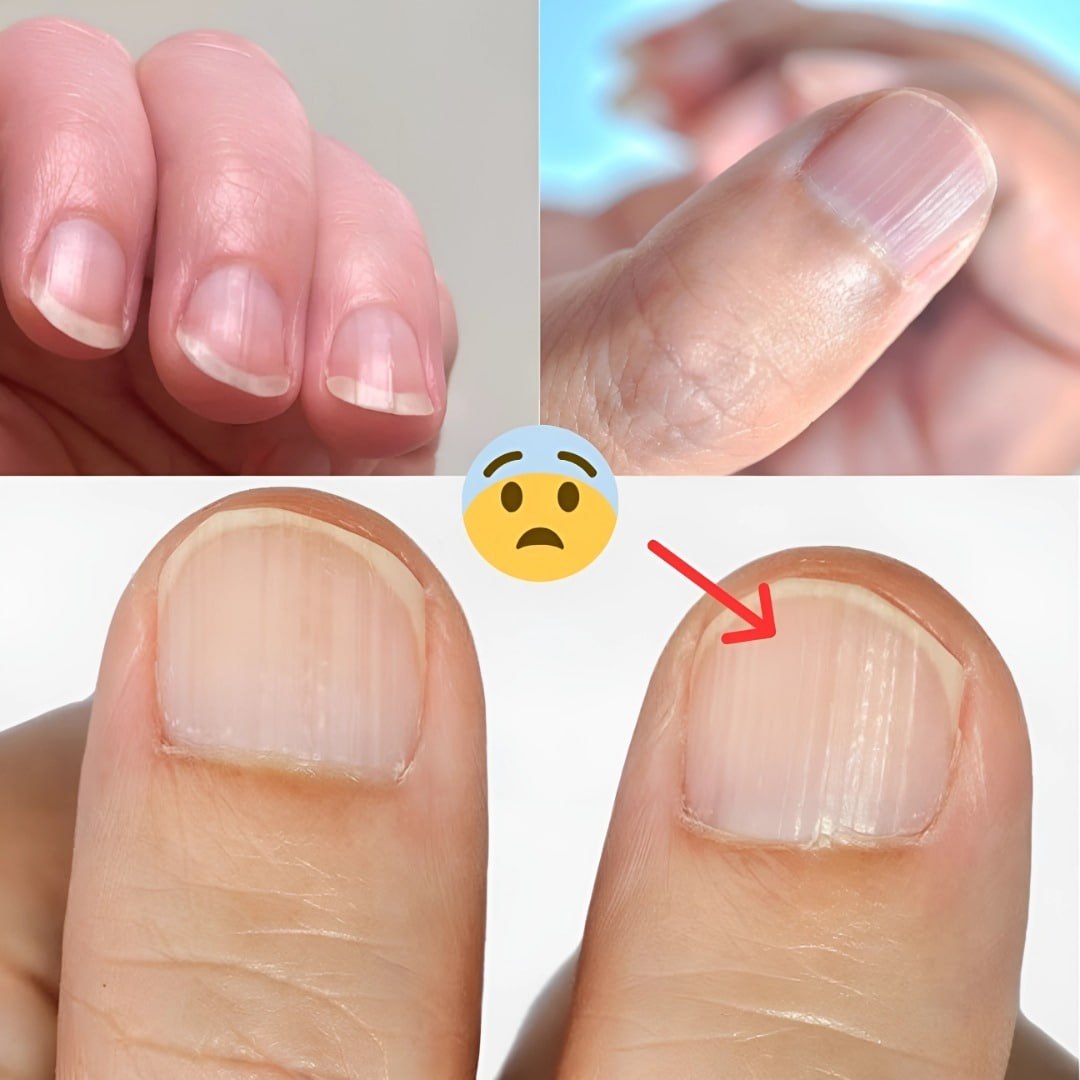
Thin vertical ridges running from the base to the tip of the nail are extremely common.
In many cases, they simply reflect:
- Aging
- Mild dryness
- Normal nail growth changes
As people age, nails often lose some smoothness and elasticity.
Sometimes Nutritional Deficiencies Contribute
More noticeable ridges may occasionally relate to nutritional deficiencies, especially when combined with other symptoms.
Possible contributing deficiencies include:
- Iron
- Vitamin B12
- Zinc
- Protein
- Folate
Poor nutrition may weaken nail structure and alter growth patterns.
People experiencing fatigue, weakness, hair thinning, or pale skin alongside nail changes should consider medical evaluation.
Horizontal Ridges (Beau’s Lines)
Beau’s Lines Reflect Interrupted Nail Growth
Horizontal grooves crossing the nail are called Beau’s lines.
These grooves may develop when nail growth temporarily slows or stops due to:
- Severe illness
- High fever
- Surgery
- Physical trauma
- Significant stress
Because nails grow slowly, these lines often appear weeks after the triggering event.
Severe Stress Can Affect Nail Growth
The body prioritizes vital organs during periods of major physical stress.
As a result, less energy goes toward nail production temporarily.
Beau’s lines may appear after:
- Serious infections
- Major emotional stress
- Hospitalization
- Nutritional deficiencies
Most lines gradually grow outward over time as the nail recovers.
Spoon Nails and Iron Deficiency
Spoon-Shaped Nails May Signal Anemia
Koilonychia, commonly called spoon nails, occurs when nails curve inward instead of remaining flat.
The nail may appear:
- Thin
- Soft
- Concave
- Spoon-like
One well-known cause is iron deficiency anemia.
Iron helps red blood cells carry oxygen throughout the body. Without enough iron, tissues including nails may weaken.
Other Symptoms Often Appear Too
People with iron deficiency anemia may also experience:
- Fatigue
- Pale skin
- Dizziness
- Shortness of breath
- Weakness
Iron-rich foods include:
- Lean meats
- Beans
- Lentils
- Spinach
- Fortified cereals
Medical evaluation is important because anemia may have many underlying causes.
Yellow Nails and Fungal Infections
Fungal Nail Infections Are Common
Yellow discoloration is often caused by fungal infections.
Affected nails may become:
- Thickened
- Brittle
- Crumbly
- Distorted
Toenails are especially vulnerable because warm, moist environments encourage fungal growth.
Yellow Nails Sometimes Reflect Other Conditions
Persistent yellow nails occasionally relate to:
- Chronic respiratory disease
- Thyroid disorders
- Lymphedema
- Smoking
However, fungal infections remain the most common explanation.
Proper treatment matters because fungal infections may worsen gradually if ignored.
Brittle Nails and Thyroid Function
Dry Nails Often Result From Environmental Stress
Brittle nails that split or crack easily commonly result from:
- Excessive water exposure
- Harsh cleaning products
- Frequent handwashing
- Dry weather
Repeated drying and wetting weakens nail structure over time.
Thyroid Imbalances Can Affect Nail Health
Sometimes brittle nails may reflect thyroid dysfunction.
The thyroid gland helps regulate:
- Metabolism
- Skin turnover
- Hair growth
- Nail production
People with thyroid disorders may also experience:
- Fatigue
- Weight changes
- Hair thinning
- Dry skin
- Temperature sensitivity
Persistent brittle nails alongside these symptoms deserve medical evaluation.
Clubbing and Oxygen Levels
Clubbing Changes Finger Shape
Clubbing causes fingertips to enlarge while nails curve downward around the fingertips.
This change develops gradually over time.
Clubbing may signal chronic low oxygen levels in the blood.
Underlying Conditions Can Be Serious
Conditions associated with clubbing include:
- Lung disease
- Heart disease
- Liver disease
- Digestive disorders
Because clubbing may indicate serious medical problems, professional evaluation is important.
Not all curved nails represent clubbing, however. True clubbing usually involves noticeable fingertip enlargement as well.
Dark Lines Under the Nail
Some Dark Lines Are Harmless
Thin dark streaks beneath nails sometimes result from:
- Minor bleeding
- Injury
- Benign pigmentation
People with darker skin tones may naturally develop harmless pigmented nail streaks as well.
Sudden Dark Lines Require Attention
New or changing dark lines can occasionally indicate subungual melanoma, a rare but serious form of skin cancer.
Warning signs include:
- Irregular pigmentation
- Widening dark streaks
- Color variation
- Pigment spreading onto surrounding skin
Dermatologists should evaluate suspicious nail changes promptly.
Early diagnosis significantly improves outcomes.
Other Nail Changes Worth Watching
White Spots Usually Are Minor
Small white spots commonly result from tiny nail injuries rather than calcium deficiency.
These spots usually grow out naturally over time.
Nail Pitting Can Signal Skin Conditions
Tiny dents or pits in the nail surface may occur with:
- Psoriasis
- Eczema
- Inflammatory arthritis
People with chronic skin conditions often notice nail involvement as well.
Bluish Nails May Reflect Circulation Problems
Bluish nail coloration may indicate reduced oxygen delivery or circulation issues.
Cold temperatures may temporarily cause bluish nails, but persistent discoloration deserves evaluation.
Keeping Nails Healthy
Nutrition Matters
Healthy nails benefit from balanced nutrition rich in:
- Protein
- Iron
- Zinc
- Biotin
- Vitamins
- Healthy fats
Whole foods often support stronger nail growth more effectively than relying solely on supplements.
Protect Nails From Damage
Helpful nail care habits include:
- Wearing gloves during cleaning
- Moisturizing hands regularly
- Avoiding harsh chemicals
- Keeping nails trimmed
- Avoiding aggressive picking or biting
Repeated trauma weakens nail structure over time.
Hydration Helps Too
Dehydration may contribute to dryness and brittleness.
Drinking adequate fluids supports overall skin and nail health.
Common Myths About Nail Health
Myth: White Spots Mean Calcium Deficiency
Most white spots result from minor nail trauma, not calcium problems.
Myth: All Nail Changes Mean Serious Disease
Many nail changes are harmless or age-related.
Myth: Supplements Fix Every Nail Problem
Underlying medical conditions may require proper diagnosis and treatment.
Myth: Nail Fungus Is Only Cosmetic
Untreated fungal infections may worsen and spread over time.
Myth: Healthy Nails Should Look Perfect
Natural nails often contain mild ridges, unevenness, or subtle texture variations.
Frequently Asked Questions
Are vertical nail ridges normal?
Yes. Mild vertical ridges commonly appear with aging and are often harmless.
What causes yellow nails?
Fungal infections are the most common cause, though smoking and medical conditions may also contribute.
Can nails reveal vitamin deficiencies?
Sometimes. Iron, B12, zinc, and protein deficiencies may affect nail appearance.
Are dark nail lines dangerous?
Some are harmless, but new or changing dark streaks should be checked by a dermatologist.
What helps strengthen brittle nails?
Moisturizing, reducing chemical exposure, staying hydrated, and improving nutrition may help.
Conclusion
Nails can provide valuable clues about overall health because they reflect circulation, nutrition, oxygen delivery, and many internal body processes. While many nail changes are harmless or related to aging, some may signal underlying medical conditions worth investigating.
Vertical ridges, spoon-shaped nails, discoloration, clubbing, brittleness, and dark streaks all tell different stories about what may be happening inside the body.
The most important thing is not to panic over every small change but to pay attention to patterns that persist, worsen, or appear alongside other symptoms.
Sometimes the body communicates quietly long before major illness develops. And occasionally, something as simple as looking closely at your nails can provide an early opportunity to protect your health.
More Home Remedies
- Why You Should Always Sleep With Your Bedroom Door Closed: A Simple Habit That Can Improve Fire Safety
- California Mom Issues Urgent Fireworks Warning After Teen Suffers Devastating Hand Injuries
- This Is the Silent Disease That Can Strike Without Warning
- The Midnight Ache: Understanding Nighttime Leg Cramps and How to Find Relief