If you’ve ever noticed small white bits in your throat or experienced stubborn bad breath, this guide on Here’s What You Need to Know About Tonsil Stones will help you understand what’s happening and how to manage it. While this topic may feel uncomfortable, learning about it can make a huge difference in your daily comfort and confidence.
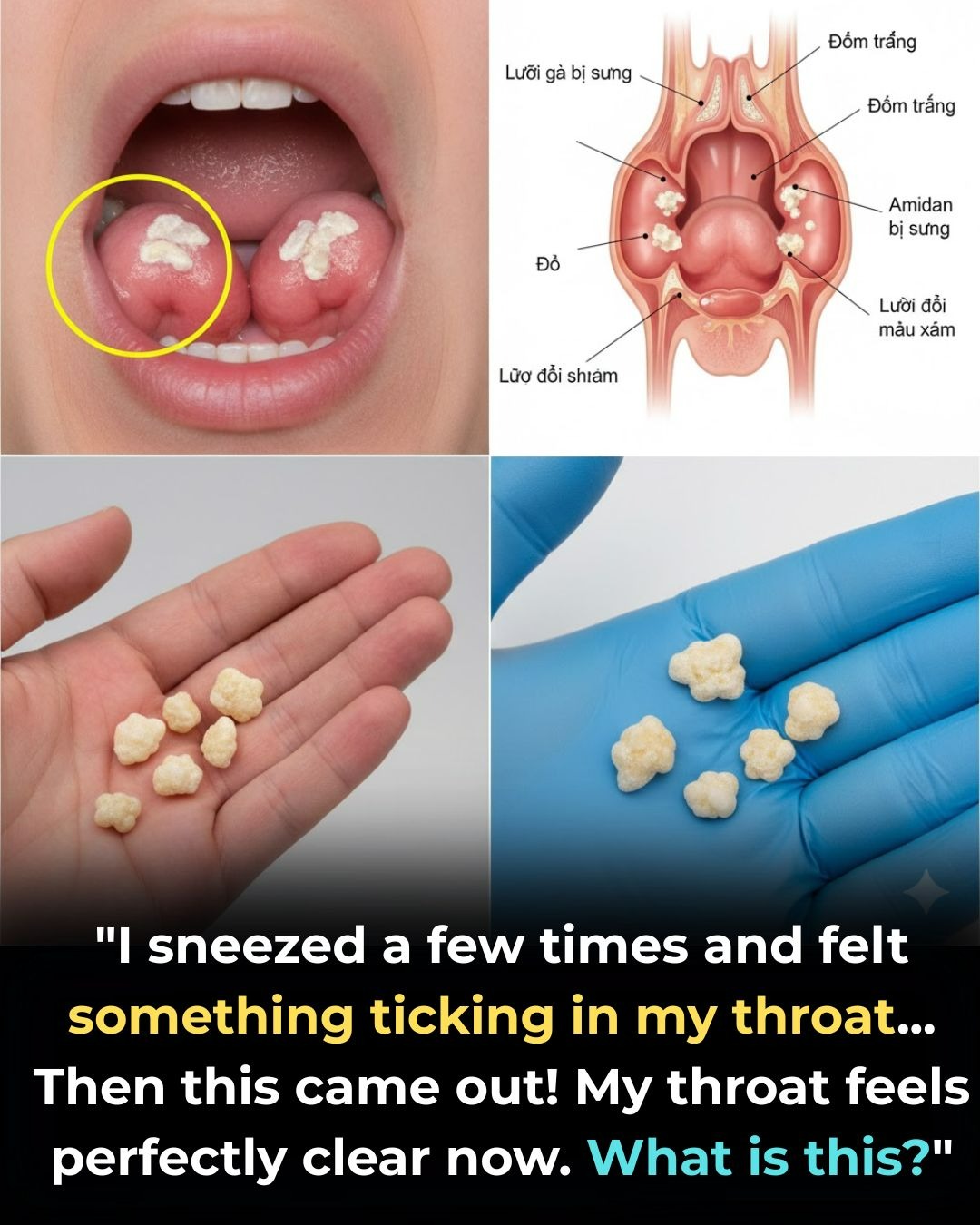
I remember the first time I felt something strange in my throat. It started as a tickle that wouldn’t go away. I tried drinking water, coughing, even brushing my teeth again, but the feeling lingered. Eventually, something small and white came loose, and suddenly the discomfort disappeared. At first, I felt confused and even embarrassed. However, after learning more about tonsil stones, I realized they’re actually quite common and manageable. That experience pushed me to understand my body better and take simple steps to prevent it from happening again.
Understanding Tonsil Stones
What Are Tonsil Stones?
Tonsil stones, also known as tonsilloliths, form in the small crevices of your tonsils. These tiny pockets naturally trap debris such as food particles, mucus, and bacteria. Over time, this material hardens into small, white or yellowish lumps.
Although they may look alarming, tonsil stones are generally harmless. However, they can cause discomfort and unpleasant symptoms. Because the bacteria involved produce sulfur compounds, these stones often come with a strong odor. As a result, many people first notice them due to persistent bad breath.
Why They Form So Easily
Tonsil stones develop more easily in people with deeper tonsil crypts. Additionally, dry mouth, allergies, or sinus issues can increase the likelihood of buildup. Even though oral hygiene plays a role, it is not the sole cause.
In fact, many people with excellent dental habits still experience tonsil stones. Therefore, it’s important to understand that this condition often comes down to anatomy and environment rather than personal hygiene alone.
Recognizing the Symptoms
Common Signs to Watch For
Many people don’t realize they have tonsil stones until symptoms appear. One of the most common signs is persistent bad breath that doesn’t improve with brushing. Additionally, you might notice white or yellow specks at the back of your throat.
Other symptoms include a sore throat, difficulty swallowing, or a feeling that something is stuck. Some individuals even experience ear discomfort due to shared nerve pathways. Because of these varied symptoms, tonsil stones can sometimes be mistaken for other throat issues.
When Symptoms Become Noticeable
Symptoms often become more noticeable when the stones grow larger. At that point, they may cause irritation or trigger coughing as your body attempts to remove them.
However, not all stones cause discomfort. Some remain small and go unnoticed. Even so, staying aware of the signs can help you address the issue early and prevent it from worsening.
Ingredients
Equipment
Method
- Mix salt with warm water and gargle for 30 seconds.
- Repeat gargling two to three times daily.
- Stay hydrated and maintain daily oral hygiene.
- Use gentle methods like a cotton swab if stones are visible.
Notes
Managing Tonsil Stones at Home
Simple and Safe Remedies
Fortunately, many tonsil stones can be managed with simple home care. Gargling with warm salt water is one of the most effective methods. This helps loosen debris and reduces bacteria in the throat.
Drinking plenty of water also supports saliva production, which naturally cleanses the mouth. Additionally, maintaining consistent oral hygiene by brushing and flossing daily can reduce buildup.
Some people use a water flosser on a low setting to gently remove stones. Others carefully use a cotton swab if the stone is visible and easy to reach. However, gentle handling is essential to avoid irritation.
What to Avoid
While it may be tempting to remove stones aggressively, this can cause harm. Using sharp objects or applying too much pressure can lead to bleeding or infection.
Similarly, applying undiluted substances directly to the tonsils can irritate sensitive tissue. Therefore, it’s best to stick with gentle, proven methods.
If symptoms persist or worsen, seeking professional advice is always the safest option.
Preventing Future Tonsil Stones
Daily Habits That Help
Although you can’t change your tonsil structure, you can reduce the chances of stones forming. For example, rinsing your mouth after meals helps remove food particles before they settle.
Managing allergies and sinus issues also reduces mucus buildup. Additionally, staying hydrated keeps your mouth moist and less prone to debris accumulation.
Chewing sugar-free gum can stimulate saliva production, which naturally cleanses your mouth. A tongue scraper may also help reduce bacteria that contribute to stone formation.
Long-Term Prevention Strategies
For those who experience frequent tonsil stones, consistent care is key. Developing a daily routine that includes proper oral hygiene and hydration can significantly reduce recurrence.
In more persistent cases, medical treatments such as cryptolysis or tonsil removal may be considered. However, these options are typically reserved for severe situations.
Most people find that simple lifestyle adjustments provide noticeable improvement over time.
Frequently Asked Questions
What exactly comes out when you cough them up?
They are small, hardened clusters of debris, including bacteria, food particles, and mucus.
Are tonsil stones dangerous?
No, they are generally harmless, though they can be uncomfortable.
Why do they smell so bad?
The bacteria inside produce sulfur compounds, which create a strong odor.
Can brushing teeth remove tonsil stones?
Brushing helps prevent them but usually doesn’t remove existing stones.
Should I see a doctor?
If stones are large, painful, or frequent, medical advice is recommended.
Conclusion
Understanding Here’s What You Need to Know About Tonsil Stones can help you feel more confident and in control of your health. While they may seem unpleasant, they are common and manageable with simple care.
By maintaining good oral hygiene, staying hydrated, and using gentle remedies, you can reduce both the frequency and discomfort of tonsil stones. Most importantly, remember that this condition is normal and nothing to feel embarrassed about. With the right approach, you can keep your throat feeling clean and comfortable every day.
More Home Remedies
- California Mom Issues Urgent Fireworks Warning After Teen Suffers Devastating Hand Injuries
- This Is the Silent Disease That Can Strike Without Warning
- The Midnight Ache: Understanding Nighttime Leg Cramps and How to Find Relief
- My 8-Year-Old Has Been Experiencing This for Two Months—Understanding Hives in Children