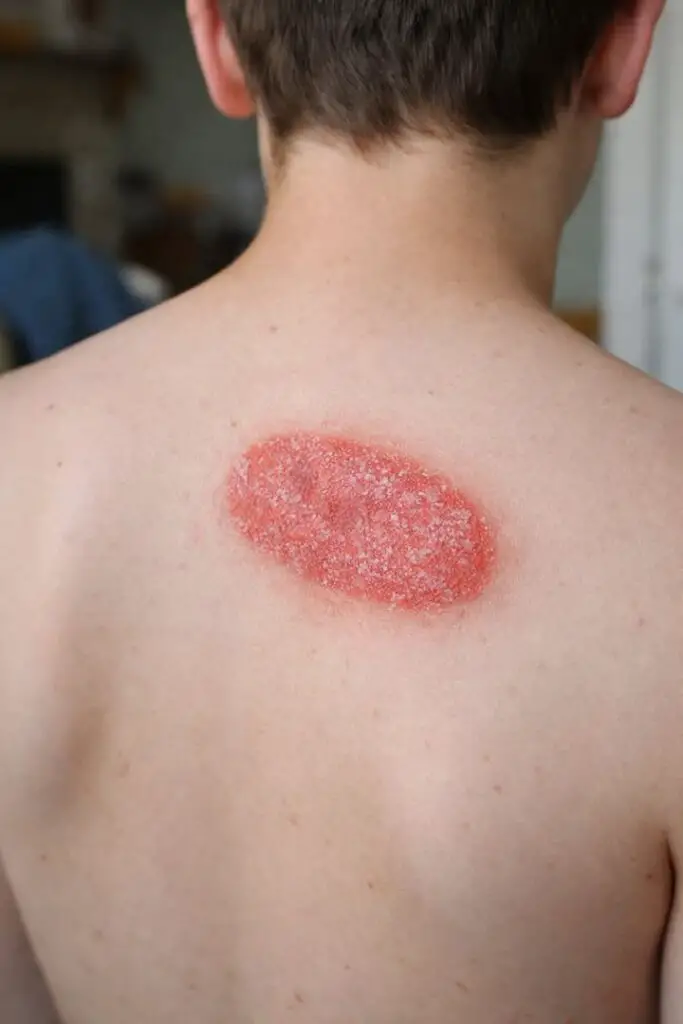
Noticed This Huge Scaly Patch on My Teen’s Back and Smaller Ones Appearing can be alarming, especially when new spots start spreading across the skin. Many parents immediately worry about infections or something contagious. However, in many cases, this pattern points to a condition called Pityriasis rosea, which is common in teens and usually harmless.
Understanding what this condition looks like and how it behaves can help ease anxiety while you wait for a professional evaluation. With the right approach, you can support your teen and manage symptoms effectively at home.
I remember when a close friend noticed a large patch on her son’s back that seemed to come out of nowhere. At first, it looked like a fungal infection, and panic set in when more spots appeared. However, after learning about common skin patterns and keeping track of changes, the situation became less stressful. Within weeks, the rash faded on its own, which brought a lot of relief and reassurance.
What This Large Scaly Patch Might Be
The “Herald Patch” Explained
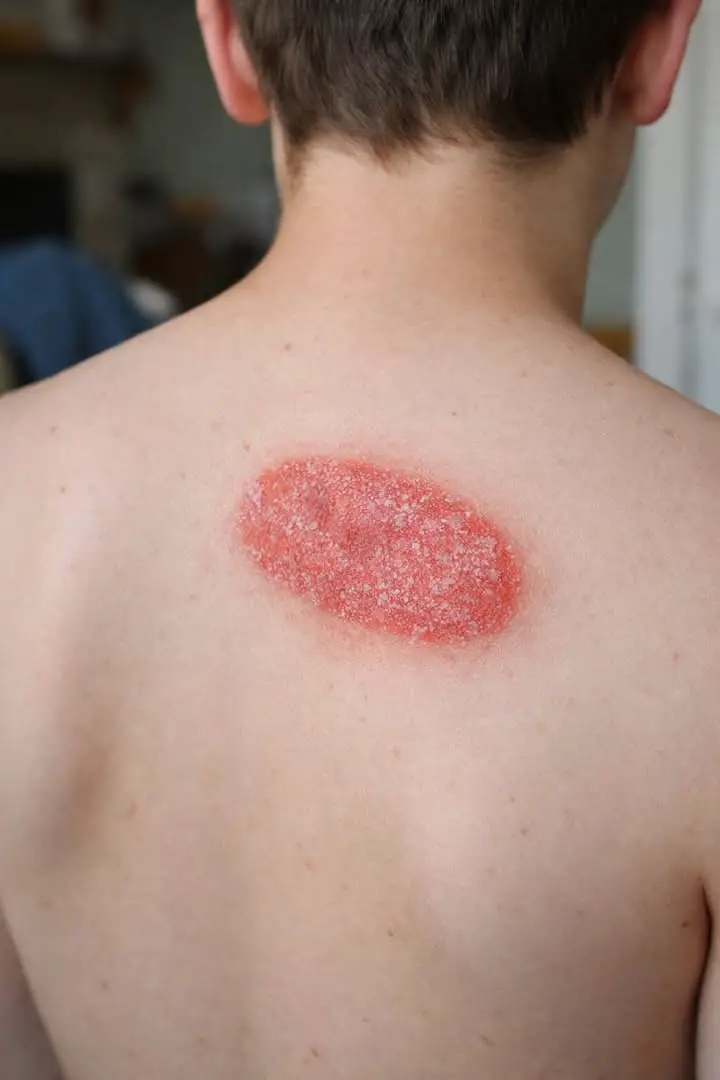
One of the first signs of Pityriasis rosea is a single, larger patch known as the herald patch. It usually appears on the back, chest, or abdomen and can be oval or round with a slightly raised, scaly edge.
This patch often shows up before anything else. Because of its size, it can easily be mistaken for other skin conditions.
Why Smaller Patches Start Appearing
After a few days or weeks, smaller patches may begin to spread across the torso. These often follow a pattern along the skin lines, sometimes resembling a tree-like shape.
Although this sudden spread can look concerning, it is actually a typical progression of this condition.
Is It Contagious or Dangerous?
Understanding the Risk
Despite its appearance, Pityriasis rosea is not considered contagious. It does not spread through touch, shared items, or close contact.
This means your teen can continue normal daily activities without worrying about passing it to others.
What Causes It
The exact cause is not fully known, but it is often linked to a viral response. However, it behaves differently from common contagious viruses.
Because of this, isolation is not necessary, and the condition usually resolves on its own over time.
What You Can Do at Home Right Now
Simple Ways to Reduce Discomfort
If itching is present, over-the-counter antihistamines can help. Applying gentle creams like hydrocortisone or calamine lotion may also soothe irritation.
At the same time, using mild, fragrance-free soaps helps prevent further skin irritation.
Daily Habits That Support Healing
Encourage your teen to wear loose, breathable clothing. Cotton fabrics are ideal because they reduce friction on the skin.
Keep showers lukewarm instead of hot, as heat can worsen itching. Moisturizing regularly also helps maintain skin comfort.
Supporting Skin Recovery with Nutrition
Foods That Help Skin Heal
Nutrition plays an important role in skin health. Focus on foods rich in vitamins and antioxidants, such as:
- Citrus fruits
- Leafy greens
- Berries
- Nuts and seeds
These support the body’s natural healing process.
Ingredients
Equipment
Method
- Add orange juice, strawberries, kiwi, and spinach to a blender.
- Blend until smooth.
- Adjust consistency if needed.
- Pour into a glass.
- Serve immediately.
Notes
A Simple Skin-Soothing Smoothie
Blend one cup of orange juice, half a cup of strawberries, one kiwi, and a handful of spinach. This drink provides nutrients that help support skin repair and overall wellness.
Drinking it regularly can complement external care and promote faster recovery.
FAQ
1. How long does this rash last?
It usually lasts 6 to 8 weeks and fades on its own.
2. Does it need medical treatment?
Most cases do not require treatment, only symptom relief.
3. Can my teen go to school?
Yes, it is not contagious.
4. Will it leave scars?
No, it typically heals without scarring.
5. When should I worry?
If there is severe pain, fever, or unusual symptoms, seek care.
Conclusion
Noticed This Huge Scaly Patch on My Teen’s Back and Smaller Ones Appearing is often linked to Pityriasis rosea, a common and temporary skin condition. Although it may look concerning at first, it usually resolves on its own without long-term effects.
By focusing on gentle skincare, supportive habits, and proper nutrition, you can help your teen stay comfortable while the skin heals naturally. Staying informed and calm makes this situation much easier to manage.