
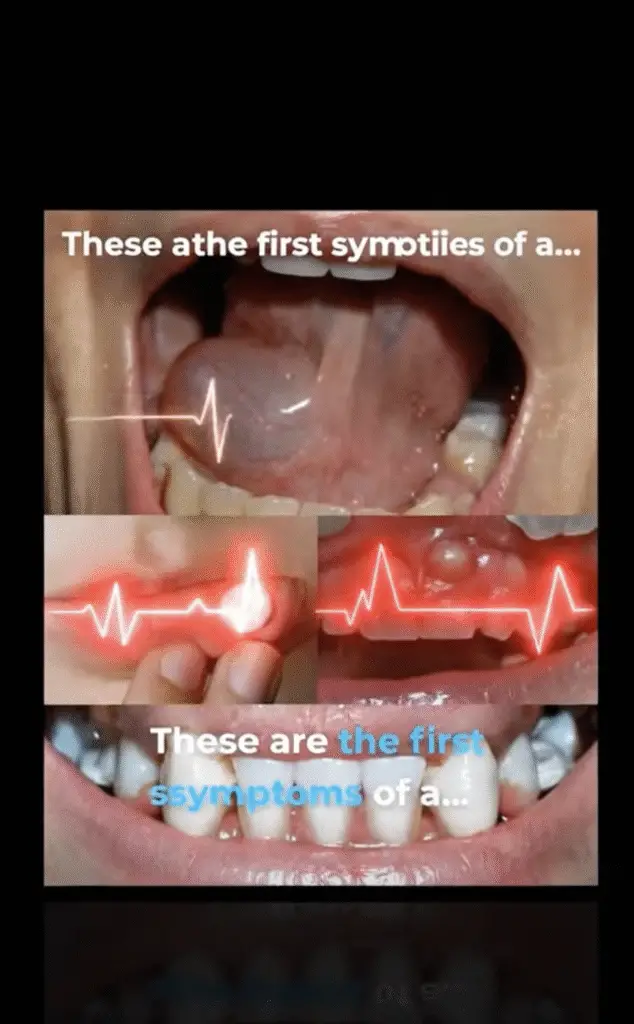
Oral cancer is a serious health condition that affects thousands of people every year. It includes cancers that develop in the lips, tongue, gums, cheeks, the roof or floor of the mouth, and even the throat. One of the biggest challenges with oral cancer is that it often develops silently. Early symptoms can be subtle and easily mistaken for common mouth problems like irritation, small ulcers, or minor infections.
However, when oral cancer is detected early, treatment success rates increase significantly. In fact, early detection can raise survival rates to over 80 percent. This is why dentists and doctors emphasize the importance of recognizing warning signs as soon as possible.
Many people overlook these symptoms because they appear mild or painless at first. Learning to recognize early changes inside your mouth can help you seek medical advice sooner and potentially prevent the disease from progressing.
I once spoke with a friend who visited the dentist for a routine checkup and casually mentioned a small sore on the side of his tongue. He assumed it was caused by accidentally biting it while eating. The dentist decided to take a closer look and recommended further examination. Thankfully, it turned out to be a precancerous condition that was treated early. That experience made it clear how important it is to pay attention to even the smallest changes in the mouth.
Understanding Oral Cancer and Why Early Detection Matters
What Oral Cancer Is
Oral cancer refers to abnormal cell growth in any part of the mouth or surrounding tissues. These abnormal cells multiply uncontrollably and may form tumors that interfere with normal mouth functions.
The most common areas affected include the tongue, lips, gums, inner cheeks, and the floor of the mouth. However, it can also appear in the roof of the mouth or extend toward the throat.
Like many other cancers, oral cancer develops gradually. In its early stages, symptoms may seem harmless or barely noticeable. Because of this, people often delay seeking medical advice until the disease has progressed.
Why Early Diagnosis Improves Survival
Early diagnosis significantly improves treatment outcomes. When oral cancer is detected in its earliest stages, doctors can often remove or treat the abnormal cells before they spread.
However, if the cancer progresses unnoticed, it may spread to nearby tissues or lymph nodes. This makes treatment more complex and reduces survival chances.
Routine dental checkups play a major role in early detection. Dentists regularly examine the mouth and may notice unusual patches, lumps, or sores that patients overlook.
Recognizing symptoms at home between dental visits can also make a major difference.
7 Early Warning Signs of Oral Cancer
1. A Sore That Doesn’t Heal
One of the most common early signs of oral cancer is a sore that refuses to heal. Most minor mouth injuries or ulcers heal within one to two weeks.
However, if a sore lasts longer than two or three weeks without improvement, it may require medical attention.
This sore may appear on the lips, tongue, gums, or inside the cheeks. In many cases, it is painless, which is why people often ignore it.
2. Red or White Patches in the Mouth
Unusual patches inside the mouth can also signal early problems. White patches, known as leukoplakia, appear on the gums, tongue, or inner cheeks.
Red patches, called erythroplakia, may look smooth or slightly irritated. Unlike normal food residue or irritation, these patches cannot be scraped away.
Dentists consider erythroplakia especially concerning because it is more likely to develop into cancer if untreated.
3. Lumps or Thickened Areas
Another warning sign is the presence of unexplained lumps, bumps, or thickened areas inside the mouth or on the lips.
These lumps may feel firm or rough when touched with the tongue. They might also appear slightly raised compared to surrounding tissue.
Although not every lump is dangerous, any unexplained swelling should be checked by a healthcare professional.
4. Persistent Numbness or Pain
Numbness in the mouth, lips, or face may also indicate a problem. Some people notice a tingling sensation or unusual loss of feeling.
In other cases, persistent pain develops in the mouth or jaw without an obvious cause.
These symptoms may occur when abnormal cells affect nearby nerves.
5. Difficulty Chewing or Swallowing
Oral cancer can sometimes interfere with everyday activities like eating or speaking.
If you experience ongoing difficulty chewing, swallowing, or moving your tongue, it may signal an underlying issue.
Some people also notice a constant feeling that something is stuck in the throat.
6. Loose Teeth or Jaw Changes
Unexpected dental changes can also occur. Teeth may feel loose even though there is no obvious dental disease.
Swelling or thickening of the jaw may affect how dentures fit or how the teeth align when biting.
These changes should never be ignored.
7. Voice Changes or Persistent Sore Throat
If oral cancer develops near the throat, it can cause voice changes or a sore throat that does not improve.
Some individuals also experience chronic hoarseness or difficulty speaking clearly.
While throat irritation can occur for many reasons, symptoms lasting more than a few weeks should be evaluated.
Risk Factors That Increase the Chance of Oral Cancer
Tobacco and Alcohol Use
Two of the biggest risk factors for oral cancer are tobacco and alcohol use.
Smoking cigarettes, cigars, or pipes exposes the mouth to harmful chemicals that damage cells. Chewing tobacco also increases risk significantly.
Heavy alcohol consumption can further irritate mouth tissues and increase the likelihood of cancer developing.
When tobacco and alcohol are combined, the risk becomes even greater.
Other Contributing Factors
Several additional factors may also increase risk.
Human papillomavirus (HPV) infection has been linked to certain oral and throat cancers. Excessive sun exposure can increase the chance of lip cancer.
Poor oral hygiene, chronic mouth irritation, and a weakened immune system may also contribute to risk.
While anyone can develop oral cancer, these factors raise the chances significantly.
How to Monitor Your Oral Health at Home
Perform Simple Self-Checks
Regular self-examination can help detect early changes.
Stand in front of a mirror and inspect your lips, gums, tongue, and cheeks. Look for unusual patches, sores, swelling, or color changes.
Use clean fingers to gently feel the inside of your mouth and neck for lumps or unusual thickening.
Performing this quick check once a month can help you notice changes early.
Schedule Regular Dental Visits
Dentists are trained to identify signs of oral disease that may not be obvious.
Routine dental checkups often include an oral cancer screening where the dentist examines tissues inside the mouth and throat.
These screenings take only a few minutes but can detect early warning signs before symptoms become severe.
When to See a Doctor
Any mouth symptom that lasts longer than two or three weeks should be evaluated by a healthcare professional.
Persistent sores, unusual patches, unexplained pain, or lumps should never be ignored.
Doctors may recommend additional tests such as biopsies or imaging to determine the cause.
Remember that many mouth problems are harmless, but early evaluation helps rule out serious conditions.
Protecting Your Oral Health
Healthy Lifestyle Habits
Adopting healthier habits can help lower the risk of oral cancer.
Avoid tobacco products and limit alcohol consumption. Maintain good oral hygiene by brushing and flossing daily.
Eating a balanced diet rich in fruits and vegetables also supports overall health.
Regular Medical Care
Regular dental checkups and medical visits play an important role in prevention.
Early screenings, professional cleanings, and routine examinations help detect potential problems quickly.
Paying attention to small changes in the mouth can also protect long-term health.
Conclusion
Oral cancer often begins with subtle signs that many people overlook. A sore that will not heal, unusual patches, persistent pain, or difficulty swallowing may seem minor but could signal something more serious.
Recognizing these early warning signs allows individuals to seek medical advice sooner, greatly improving treatment outcomes.
Taking simple steps—such as performing self-checks, maintaining healthy habits, and visiting the dentist regularly—can make a significant difference.
Your mouth can reveal important clues about your overall health. Paying attention to those signals may help detect problems early and protect your well-being for years to come.