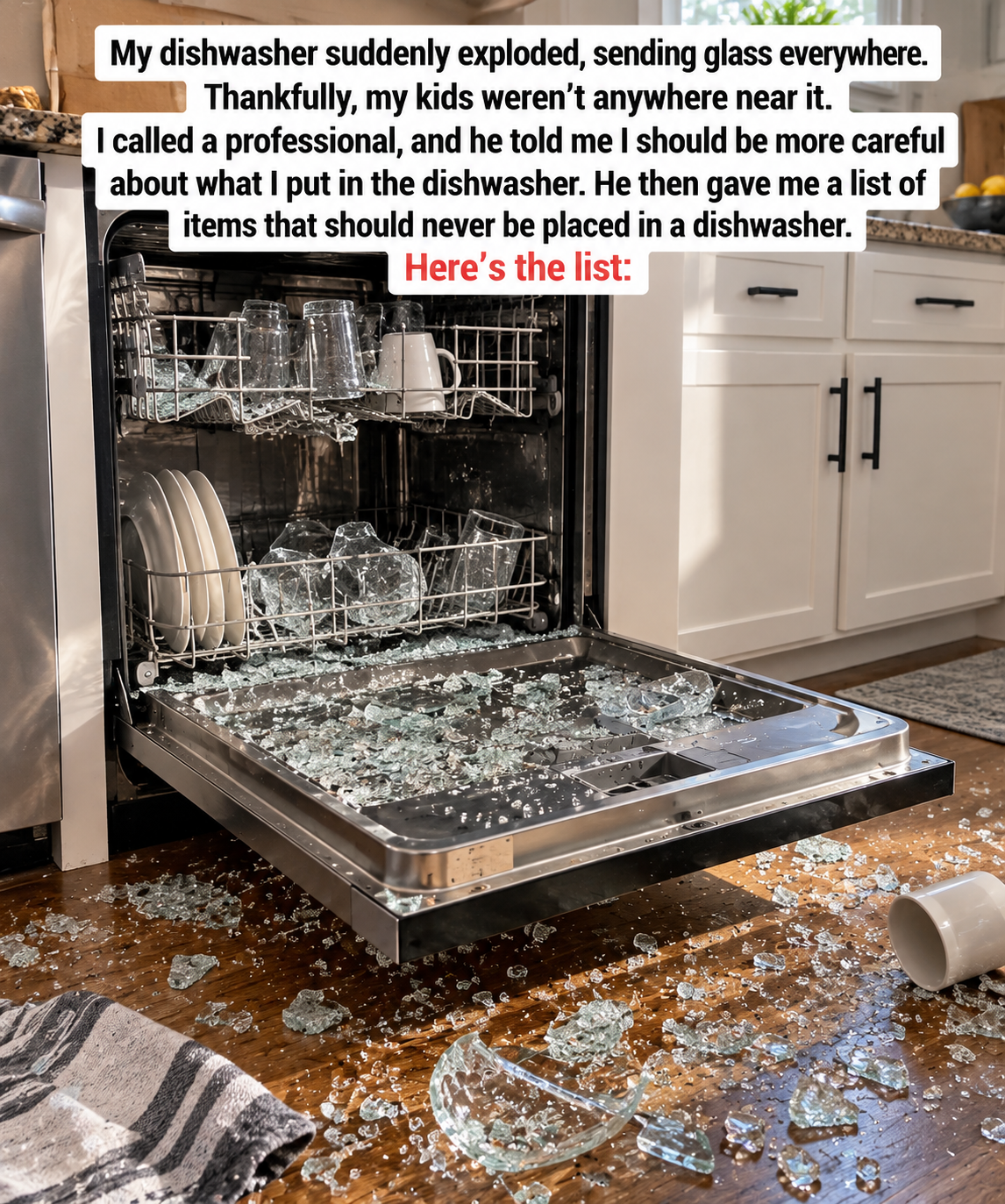
8 Things You Absolutely Should Not Put in a Dishwasher may sound like an overly cautious kitchen rule, especially when modern dishwashers can clean everything from greasy dinner plates to baked-on casserole dishes. However, convenience does not mean every kitchen item belongs inside the machine.
Dishwashers combine hot water, strong detergents, spray pressure, and extended exposure to moisture. Those conditions work beautifully for ordinary dishwasher-safe dishes, glasses, and utensils. However, they can dull sharp blades, damage wood, strip seasoned cookware, discolor metals, and weaken certain finishes.
I learned to pay more attention after putting a favorite wooden utensil through repeated dishwasher cycles. At first, nothing dramatic happened, so I assumed the warnings were exaggerated. Then the wood became rough, the color faded, and small cracks started appearing near the handle. Around the same time, a good kitchen knife seemed to need sharpening far more often than expected. Those small changes convinced me that dishwasher damage often happens gradually. An item may survive one cycle perfectly well, yet repeated washing can shorten its useful life.
Fortunately, protecting your kitchen equipment does not require complicated routines. Once you know the 8 Things You Absolutely Should Not Put in a Dishwasher, you can quickly decide what belongs in the machine and what deserves a few minutes of hand washing.
Kitchen Tools That Need Gentle Hand Washing
1. Sharp Kitchen Knives
Sharp kitchen knives belong near the top of the 8 Things You Absolutely Should Not Put in a Dishwasher because a dishwasher creates several problems for them. During a wash cycle, a knife can move slightly against the rack, basket, or neighboring utensils. Repeated contact can gradually affect the cutting edge.
Dishwasher detergent also cleans more aggressively than ordinary hand-washing liquid. Combined with heat and long exposure to moisture, that environment may affect certain blade finishes and handle materials. Wooden knife handles deserve particular caution because repeated wetting and drying can encourage swelling, shrinking, or cracking.
There is also a practical safety issue. Reaching into a crowded dishwasher and unexpectedly encountering an exposed sharp blade creates an unnecessary risk of cuts. Placing knives blade-down may reduce that particular risk, but it still does not address potential damage to the knife itself.
Instead, wash quality knives individually with warm water, mild dish soap, and a soft sponge or cloth. Keep your fingers away from the cutting edge, rinse the blade, and dry it promptly. The entire process takes less than a minute and can help preserve the knife’s edge, handle, and appearance.
2. Wooden Spoons, Cutting Boards, and Utensils
Wood reacts differently to water and heat than glass, ceramic, or stainless steel. A wooden spoon or cutting board absorbs some moisture when wet. Then, as the dishwasher moves into a heated drying stage, the wood begins losing that moisture again.
Repeated cycles of soaking, heating, and drying can cause wood to warp, split, or develop a rough surface. Glued wooden pieces can present another problem because heat and moisture may weaken some adhesives over time. Consequently, a beautiful cutting board can eventually separate or become uneven.
Hand washing provides much greater control. Clean wooden utensils and boards with warm water and mild dish soap, then rinse them without leaving them submerged for extended periods. Dry them with a clean towel and allow them to finish air-drying in a position that provides good circulation.
Some unfinished wooden kitchen tools also benefit from occasional treatment with an appropriate food-safe oil or board conditioner. Follow the manufacturer’s care directions because different products use different finishes and construction methods. Most importantly, never assume that a heavy wooden board can tolerate the dishwasher simply because it looks durable.
Cookware That Can Lose Its Protective Surface
3. Cast-Iron Skillets and Pans
A well-maintained cast-iron skillet develops a layer of seasoning through repeated use and proper care. That seasoning helps protect the iron while creating the smooth cooking surface that makes cast iron so useful. A dishwasher works against that carefully developed layer.
Dishwasher detergent, prolonged water exposure, and an extended wash cycle can strip or weaken seasoning. Once bare iron becomes exposed to moisture, rust can begin forming. Therefore, one dishwasher cycle can create considerably more maintenance than a quick hand wash would have required.
Instead, clean cast iron soon after cooking. Depending on what you cooked and the manufacturer’s instructions, warm water, a brush or nonabrasive scrubber, and a small amount of mild soap can handle everyday cleanup. Dry the cookware thoroughly afterward because leaving moisture on bare or lightly seasoned iron encourages rust.
If necessary, warm the pan gently after washing to drive off remaining moisture, then maintain the seasoning according to the cookware manufacturer’s recommendations. Properly cared-for cast iron can last for generations. Keeping it out of the dishwasher represents one of the simplest ways to protect that longevity.
4. Nonstick Cookware
Nonstick cookware requires a more nuanced rule because some manufacturers specifically label their products dishwasher-safe. Therefore, always check the care instructions before deciding how to clean a particular pan.
Even when a manufacturer permits dishwasher use, gentle hand washing can help minimize unnecessary wear on the cooking surface. Dishwasher detergents can be strong, while cookware may also bump against racks or other objects during a cycle. Over time, rough treatment can affect the appearance or performance of some coatings.
Avoid abrasive scrubbers when hand washing nonstick cookware. Instead, let the pan cool, then use warm water, mild dish soap, and a soft sponge. If food sticks to the surface, soaking briefly can make cleanup easier without aggressive scraping.
Also, protect nonstick pans during storage. Stacking metal cookware directly inside them can scratch the coating even if you never use a dishwasher. A soft pan protector or towel between stacked pieces can provide additional protection and help extend their useful life.
Delicate Dishes and Special Drinkware to Protect
5. Crystal, Fine China, and Heirloom Dishes
Fine china and crystal deserve special care because their value often extends beyond their practical purpose. A plate inherited from a grandparent or a delicate crystal glass may carry memories that no replacement can reproduce.
Dishwashers introduce several potential problems. Delicate pieces can knock against nearby dishes, while high temperatures and strong detergents may affect decorative finishes. Gold or metallic accents, hand-painted details, and older glazes deserve particular caution.
Crystal can also become cloudy or etched under unsuitable dishwasher conditions. Although some modern crystal products may carry dishwasher-safe instructions, older or delicate pieces should not automatically receive the same treatment. Always check the manufacturer’s guidance when available.
For heirloom pieces without care instructions, gentle hand washing provides the cautious option. Place a towel or rubber mat in the bottom of the sink to create a softer surface, use lukewarm water and mild soap, and wash one item at a time. Avoid sudden temperature changes, then dry or air-dry the piece carefully.
6. Vacuum-Insulated Mugs and Bottles
Insulated travel mugs and reusable bottles have become everyday essentials, but not every model belongs in a dishwasher. Double-wall vacuum insulation relies on carefully constructed layers and seals. Therefore, cleaning instructions can differ substantially between brands and models.
Some modern stainless-steel insulated bottles are explicitly dishwasher-safe. Others require hand washing because the manufacturer warns that dishwasher heat may affect exterior coatings, decorative finishes, seals, or other components. Consequently, this category requires a label check rather than one universal rule.
If your mug says “hand wash only,” follow that direction. Wash the body with warm soapy water and use a bottle brush when necessary. Clean removable lids, seals, straws, and gaskets separately because residue can collect in small spaces.
Allow every component to dry completely before reassembly. Trapped moisture inside a lid or beneath a gasket can create unpleasant odors. Regularly removing and cleaning those small parts can make a reusable mug considerably more pleasant to use.
Items That Can Damage, Discolor, or Create Dishwasher Problems
7. Copper Cookware and Decorative Copper Items
Copper looks beautiful because of its warm, distinctive finish. However, that appearance also makes it one of the 8 Things You Absolutely Should Not Put in a Dishwasher unless the manufacturer specifically states otherwise.
Dishwasher detergents and prolonged exposure to heat can discolor or dull copper. Instead of emerging bright and polished, the cookware may develop uneven darkening or tarnish. Repeated cycles can make maintaining the original finish increasingly difficult.
Hand washing provides a gentler alternative. Use warm water, mild dish soap, and a soft sponge for everyday cleaning. Then dry the copper promptly with a soft towel to reduce spotting.
If the exterior has tarnished, use a cleaning method appropriate for that particular piece. Some copper cookware has special linings or finishes, so avoid assuming that every homemade polishing method works safely on every pan. Manufacturer instructions provide the best starting point for valuable cookware.
8. Containers With Paper or Adhesive Labels
A glass jar may appear perfectly dishwasher-safe, but the label attached to it creates a different problem. Hot water can loosen paper and adhesive during the wash cycle. Small pieces may then circulate through the machine rather than disappearing harmlessly.
Paper fragments and sticky adhesive can collect on dishes, racks, filters, or other dishwasher components. Instead of saving time, you may finish the cycle with extra cleanup. Therefore, remove labels before placing reusable jars or containers in the dishwasher.
Start by peeling away as much paper as possible. Soaking the container in warm soapy water can soften many remaining labels. Afterward, remove residual adhesive using a method suitable for the container’s material, then wash away any cleaning residue before using the container for food.
Also, confirm that the container itself is dishwasher-safe. Some plastics can warp under high temperatures, while decorative glassware may require gentler cleaning. Removing the label solves only one part of the dishwasher-safety question.
Frequently Asked Questions
What should never go in a dishwasher?
Items that commonly need hand washing include quality sharp knives, wooden utensils, cast iron, delicate or heirloom china, many copper items, and containers with loose paper labels. However, manufacturer instructions should always take priority because materials and construction vary between products.
Can stainless-steel knives go in the dishwasher?
Some manufacturers may describe particular knives as dishwasher-safe, but hand washing remains a good choice for quality sharp kitchen knives. It reduces unnecessary contact with other objects, protects handle materials, and makes it easier to dry the blade promptly.
Is it safe to put wooden spoons in a dishwasher?
Hand washing generally provides better care for wooden spoons. Repeated exposure to hot water and heated drying can contribute to warping, cracking, roughness, or deterioration of the finish. Wash wooden utensils briefly and let them dry thoroughly instead.
Can nonstick pans go in the dishwasher?
It depends on the pan. Some manufacturers label their nonstick cookware dishwasher-safe, while others recommend hand washing. Even when dishwasher use is permitted, gentle cleaning with a soft sponge can reduce wear, so always follow the specific manufacturer’s care instructions.
What happens if I accidentally put cast iron in the dishwasher?
The pan may lose some seasoning and develop rust. Remove it promptly, clean away any rust using an appropriate method, dry the pan thoroughly, and restore the seasoning as necessary. Follow the cookware manufacturer’s care instructions when available.
Conclusion
Learning the 8 Things You Absolutely Should Not Put in a Dishwasher can protect kitchen tools that cost far more to replace than the few minutes required to hand wash them. Dishwashers provide tremendous convenience, but their heat, moisture, detergent, and mechanical action do not suit every material.
Sharp knives and wooden utensils benefit from quick, careful hand washing. Cast iron needs protection from prolonged moisture, while nonstick cookware deserves treatment that preserves its coating. Meanwhile, fine china, crystal, and heirloom dishes require special attention because accidental damage may be impossible to reverse.
Vacuum-insulated drinkware requires a closer look at manufacturer instructions because some modern products can handle the dishwasher while others cannot. Copper generally benefits from gentle hand washing, and adhesive labels should come off containers before they enter the machine.
The easiest rule remains simple: check the manufacturer’s care label whenever you feel uncertain. “Dishwasher safe” means the manufacturer designed the item to tolerate those conditions, while “hand wash only” deserves your attention. A few extra minutes at the sink can preserve a favorite knife, pan, cutting board, mug, or family dish for years to come.