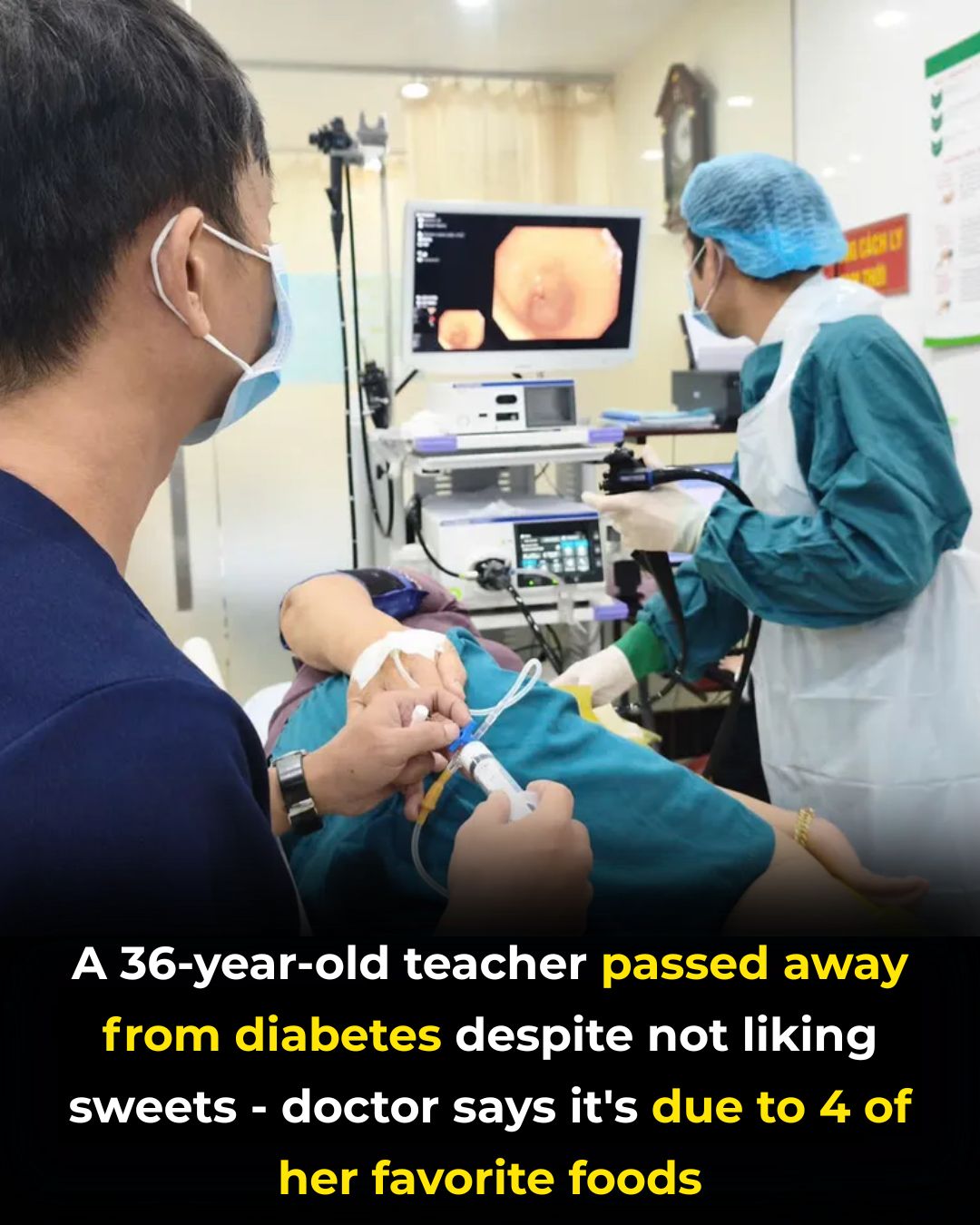
The story about a 36-year-old teacher reportedly dying from diabetes after eating “everyday foods” spread quickly across social media. Many readers felt shocked and frightened because the headline suggested that ordinary meals could suddenly become deadly. However, the reality behind diabetes is much more complex than a viral headline makes it seem.
Diabetes is a serious medical condition, but it does not appear overnight because of a single meal or a favorite snack. In many cases, dangerous complications develop because symptoms go unnoticed or untreated for too long. Understanding the warning signs, causes, and prevention methods can help people protect their health instead of living in fear of common foods.
Many health experts believe stories like this often involve undiagnosed diabetes that progressed into a severe emergency known as diabetic ketoacidosis, commonly called DKA. This condition requires immediate medical care and can become life-threatening if ignored. The good news is that awareness and early treatment save lives every day.
A close family friend once ignored constant thirst and exhaustion for months because she thought stress from work caused her symptoms. She kept drinking more water, losing weight unexpectedly, and waking up several times during the night to use the bathroom. Eventually, she collapsed at work and learned she had severe diabetes complications. Thankfully, doctors treated her in time, and she recovered fully. That experience reminded everyone around her how important it is to pay attention to unusual changes in the body instead of dismissing them as normal fatigue or stress.
Understanding What Really Causes Diabetes
The Difference Between Type 1 and Type 2 Diabetes
Many people think all diabetes develops from eating too much sugar, but that belief is inaccurate. Type 1 diabetes is an autoimmune disease. The body mistakenly attacks insulin-producing cells in the pancreas. As a result, insulin production drops dramatically or stops completely. This condition can appear during childhood, teenage years, or adulthood.
Type 2 diabetes develops differently. It usually happens gradually over time when the body becomes resistant to insulin. Lifestyle habits may increase risk, but genetics, age, stress, sleep, and physical activity also play important roles. Because of that, no single food causes diabetes by itself.
The viral article created confusion by suggesting “favorite foods” directly triggered a sudden death. In reality, doctors generally look for long-term health patterns, untreated symptoms, or severe complications. Diabetes rarely causes sudden death in otherwise healthy adults unless the condition has gone undiagnosed or unmanaged for a significant period.
Understanding the difference between these forms of diabetes helps reduce fear and encourages informed decisions instead of panic.
Why Everyday Foods Get Blamed
Fear-based headlines attract attention quickly online. Articles often connect ordinary foods to severe diseases because readers naturally want to know whether something in their kitchens could be dangerous. However, linking one specific food to a medical emergency usually oversimplifies the truth.
Foods such as rice, bread, noodles, or fruit contain carbohydrates that affect blood sugar levels. However, healthy bodies manage these changes naturally through insulin regulation. Problems happen when insulin production or insulin response becomes impaired.
Doctors recommend balanced eating patterns instead of complete fear of carbohydrates. Whole grains, vegetables, lean proteins, and healthy fats all work together to support stable energy and blood sugar control. Portion size and overall diet quality matter far more than labeling one food as “deadly.”
Instead of fearing meals, people should focus on recognizing warning signs early and seeking medical care when symptoms appear. Awareness prevents far more harm than avoiding ordinary foods.
The Dangerous Condition Called Diabetic Ketoacidosis
What Is DKA?
Diabetic ketoacidosis, or DKA, is one of the most serious complications associated with diabetes. It happens when the body lacks enough insulin to use glucose for energy. Because glucose cannot enter the cells properly, the body begins breaking down fat for fuel. This process creates acids called ketones.
When ketone levels rise too high, the blood becomes dangerously acidic. Without immediate treatment, DKA can lead to dehydration, confusion, coma, or death. Although DKA most commonly affects people with Type 1 diabetes, it can sometimes appear in people with Type 2 diabetes during severe illness or uncontrolled blood sugar levels.
Many people fail to recognize DKA symptoms because they resemble flu symptoms or exhaustion. Unfortunately, delays in treatment can quickly become dangerous.
Doctors treat DKA using insulin, intravenous fluids, and electrolyte replacement. With prompt medical care, many patients recover fully.
Common Symptoms People Should Never Ignore
One of the most valuable lessons from stories like this is learning to recognize warning signs early. Symptoms of severe diabetes complications often appear gradually before becoming emergencies.
Some of the most common warning signs include:
- Extreme thirst
- Frequent urination
- Rapid weight loss
- Fatigue
- Blurred vision
- Nausea and vomiting
- Fruity-smelling breath
- Confusion or difficulty concentrating
These symptoms deserve immediate medical attention, especially when several appear together. Many adults mistakenly assume diabetes only affects older individuals or people with obesity. However, diabetes can affect individuals of many ages and body types.
Regular medical checkups help detect high blood sugar before complications develop. A simple blood test can identify early warning signs and provide an opportunity for treatment before emergencies occur.
Awareness remains one of the strongest tools for prevention.
Why Viral Health Headlines Spread So Fast
Fear Creates Clicks
Health stories spread rapidly because they tap into emotional fears. Headlines suggesting that common foods can suddenly become deadly naturally grab attention. Readers often share these stories with friends and family because they want to protect loved ones from danger.
Unfortunately, viral articles sometimes sacrifice medical accuracy for emotional impact. Instead of explaining the complexity of diabetes, many headlines simplify the issue into a frightening statement about food choices.
This approach creates unnecessary fear around eating while distracting from the real problem: delayed diagnosis and untreated symptoms.
Balanced health reporting should educate readers instead of alarming them. Understanding how diabetes actually develops allows people to make healthier decisions without anxiety surrounding normal meals.
Reliable medical information usually comes from licensed healthcare providers, established medical organizations, and peer-reviewed research rather than sensational headlines.
Correlation Is Not the Same as Causation
One of the biggest mistakes in viral health reporting is confusing correlation with causation. Just because someone with diabetes ate certain foods does not mean those foods caused the condition or the fatal outcome.
For example, many individuals with diabetes eat rice, noodles, fruit, or bread regularly. Millions of healthy people eat those same foods every day without developing severe illness. The presence of a food in someone’s diet does not automatically prove it caused disease.
Medical conditions usually develop through a combination of genetics, lifestyle factors, immune responses, and environmental influences. Simplifying these complex processes into “four dangerous foods” misleads readers and spreads misinformation.
Critical thinking helps people evaluate health stories more carefully. Asking whether evidence actually supports the claim can prevent unnecessary fear and confusion.
Learning to question sensational headlines is an important part of protecting both physical and mental health.
Protecting Yourself and Your Family From Diabetes Complications
Healthy Habits That Support Blood Sugar Control
While no food guarantees diabetes prevention, healthy lifestyle habits significantly improve long-term health. Small daily choices often make the biggest difference over time.
Helpful habits include:
- Eating balanced meals
- Staying physically active
- Drinking enough water
- Prioritizing quality sleep
- Managing stress levels
- Limiting highly processed foods
- Scheduling routine medical checkups
Physical activity helps the body use insulin more effectively. Even moderate exercise such as walking can improve blood sugar control and support heart health.
Balanced meals that combine protein, fiber, and healthy fats also help maintain steady energy levels throughout the day. Instead of focusing on strict food rules, many doctors encourage sustainable habits people can maintain long term.
Consistency matters far more than perfection.
The Importance of Early Detection
Early diagnosis changes outcomes dramatically. Many diabetes complications become manageable when treatment begins before severe damage occurs. Unfortunately, some individuals avoid medical appointments because they feel busy, nervous, or convinced symptoms will disappear on their own.
Routine screenings help identify elevated blood sugar before emergencies develop. Adults with family histories of diabetes may benefit from regular testing even if they feel healthy.
Parents should also learn diabetes warning signs in children and teenagers. Type 1 diabetes can progress rapidly in young people, and symptoms sometimes resemble common illnesses.
Seeking medical attention early can prevent hospitalization and save lives. Listening to the body matters more than fearing food.
Frequently Asked Questions
Can healthy people suddenly die from eating sugar?
No. Sugar alone does not suddenly kill healthy individuals. Severe diabetes complications typically involve underlying medical conditions, untreated symptoms, or dangerous blood sugar imbalances.
Does eating sweets cause Type 1 diabetes?
No. Type 1 diabetes is an autoimmune disease. It happens when the immune system attacks insulin-producing cells in the pancreas.
What foods should people with diabetes avoid?
People with diabetes usually benefit from limiting heavily processed foods and sugary drinks. However, treatment plans vary by individual, and balanced eating patterns matter most.
What is the biggest warning sign of DKA?
Extreme thirst, frequent urination, nausea, confusion, and fruity-smelling breath are major warning signs that require urgent medical attention.
Can diabetes be managed successfully?
Yes. Many individuals with diabetes live healthy, active lives through proper medical care, blood sugar monitoring, healthy habits, and medication when needed.
Conclusion
The heartbreaking story about a young teacher dying from diabetes should encourage awareness, not fear of everyday foods. Viral headlines often oversimplify complex medical conditions to attract attention, but diabetes develops through many factors that extend far beyond a single meal or favorite snack.
The most important lesson is recognizing symptoms early and seeking medical care before complications become severe. Conditions like diabetic ketoacidosis can become life-threatening quickly, yet timely treatment often leads to full recovery.
Instead of fearing normal foods, focus on regular health checkups, balanced habits, and listening carefully to your body’s warning signs. Education and early action remain the strongest tools for protecting long-term health and preventing avoidable tragedies.
More Home Remedies
- Wrinkled Fingers After Water Exposure: What Your Skin May Be Telling You
- Skin Rash With Breathing Trouble? It Could Be a Life-Threatening Allergic Reaction
- I Thought It Was a Piece of Trash on the Bathroom Floor—Until It Moved
- If You Are Getting White Pimples on Your Lips or Intimate Area, Here’s What They Could Mean