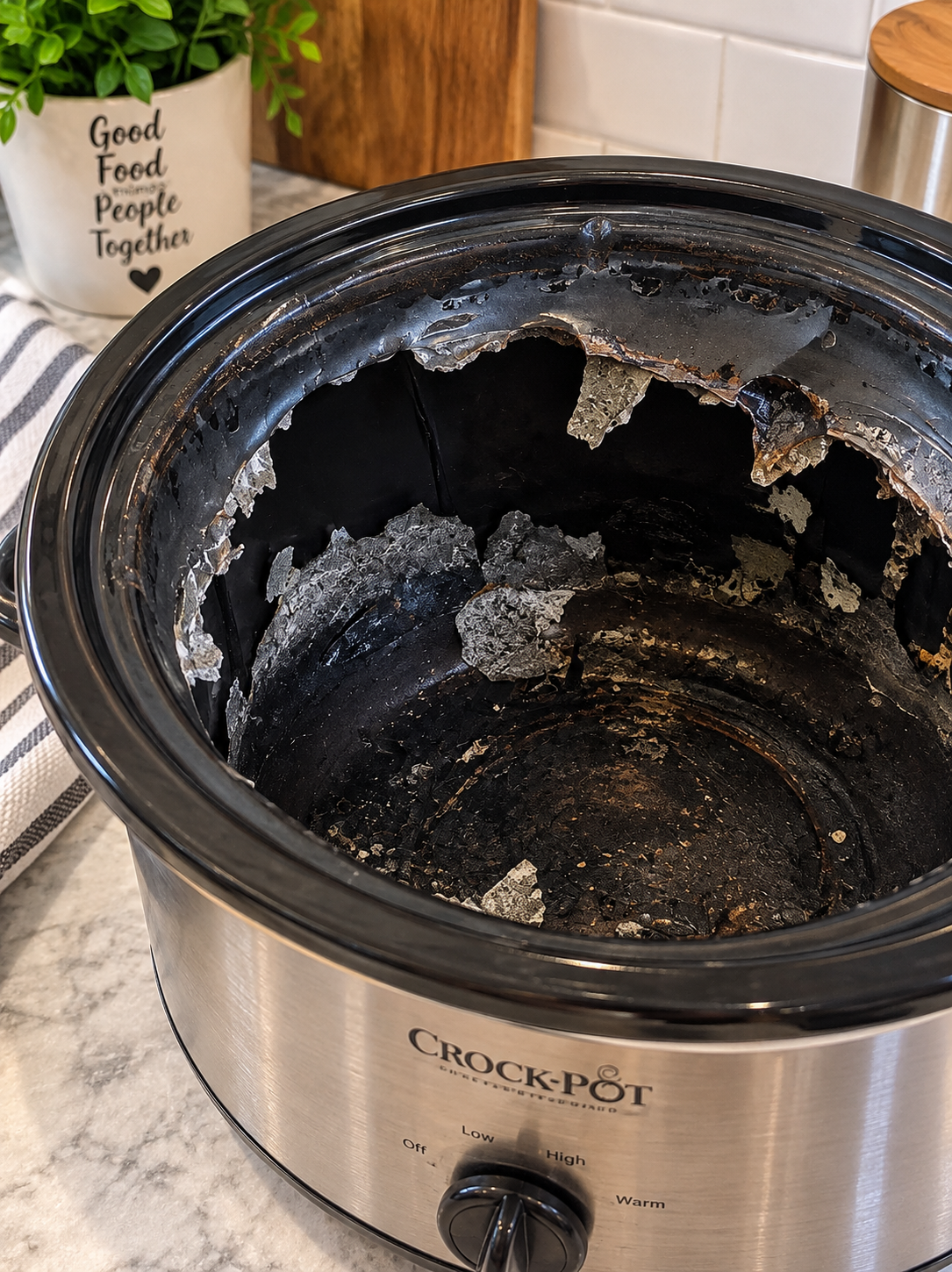
11 Foods You Should Never Put in a Slow Cooker sounds like a strict list of kitchen rules, but there is an important catch. Several foods on this list can actually go into a slow cooker if you add them at the right time or prepare them correctly first. The real problem usually comes from cooking delicate ingredients for six or eight hours when they only need a few minutes.
Slow cookers work beautifully with tough cuts of meat, hearty vegetables, soups, stews, beans prepared correctly, and dishes that benefit from long, gentle cooking. However, that same moist heat can turn pasta mushy, seafood rubbery, fresh herbs dull, and crispy toppings soggy. In one important case—certain dried beans—proper preparation also becomes a food-safety issue.
I learned this lesson after opening the lid on more than one dinner that smelled wonderful but looked nothing like I had imagined. Pasta practically disappeared into the sauce, vegetables lost their texture, and a creamy dish separated before serving. Eventually, I realized the slow cooker was not the problem. I was simply asking every ingredient to withstand the same long cooking time. Once I started adding delicate ingredients near the end and preparing certain foods separately, my slow-cooked meals became far more reliable.
So, before you load everything into the crock and walk away, learn which ingredients need special treatment. These 11 Foods You Should Never Put in a Slow Cooker for the entire cooking period can still become part of wonderful slow-cooker meals when you handle them correctly.
Foods That Can Become Dry, Tough, or Rubbery
1. Lean Chicken Breasts and 2. Delicate Seafood
Lean, boneless chicken breasts can become dry when they spend too long in a slow cooker. Unlike fattier cuts, chicken breast contains relatively little fat and connective tissue to protect its texture through extended cooking. Therefore, an all-day cooking session can leave otherwise tender chicken stringy or chalky.
That does not mean chicken breasts can never enter a slow cooker. Instead, match the cooking time to the cut and check for doneness rather than assuming every chicken recipe needs eight hours. Chicken thighs generally tolerate long, moist cooking better because they contain more fat and connective tissue.
Delicate seafood creates an even bigger timing problem. Shrimp, scallops, and many fish fillets cook quickly, so leaving them in a slow cooker for hours can produce a firm, rubbery, or flaky-to-the-point-of-dry texture. The slow cooker gives these foods far more cooking time than they need.
Instead, prepare the main soup, stew, or sauce first. Then add seafood toward the end and cook only until it reaches the appropriate doneness. This simple adjustment lets you enjoy slow-cooked flavor without sacrificing the delicate texture that makes seafood appealing.
3. Dairy Products and Creamy Ingredients
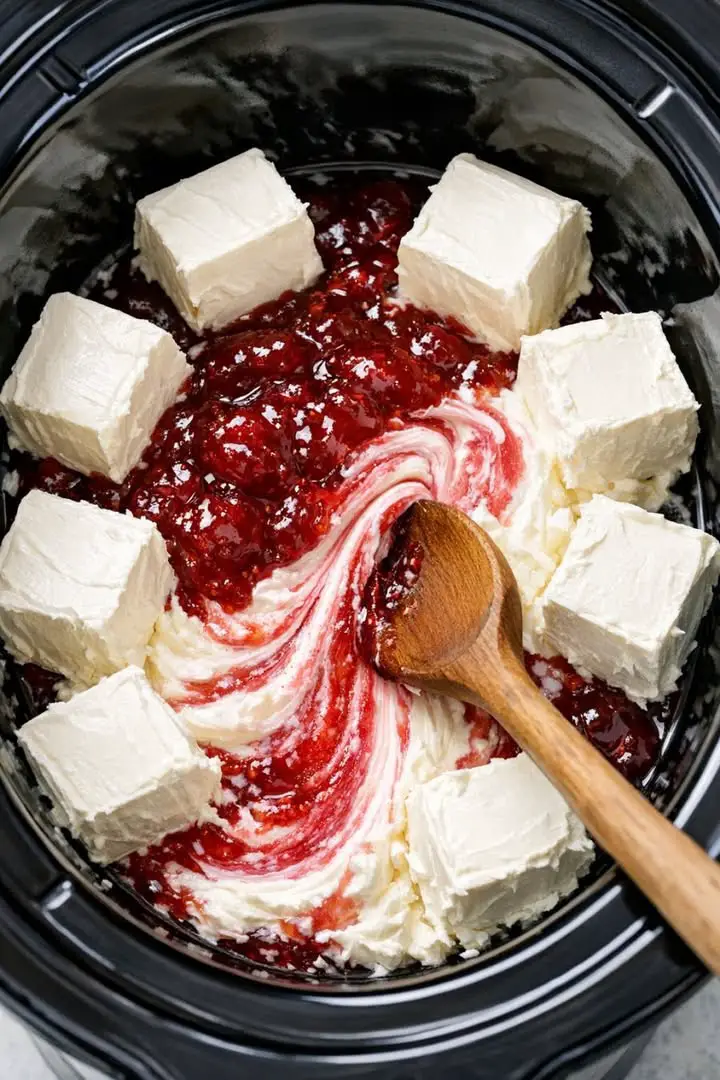
Milk, cream, sour cream, yogurt, and some cheeses can create beautiful slow-cooker dishes, but timing matters. Extended heating can cause certain dairy products to separate, curdle, or develop a grainy appearance. Acidic ingredients can make separation even more noticeable.
Therefore, many recipes benefit from adding dairy toward the end. You can prepare the meat, vegetables, broth, and seasonings first, then stir in the creamy component once the main ingredients have finished cooking. This approach gives the sauce richness without exposing delicate dairy proteins to unnecessary hours of heat.
Full-fat dairy often handles cooking better than lower-fat alternatives, although results depend on the recipe. Processed or stabilized dairy products may also behave differently from fresh milk or cream. Consequently, follow a tested recipe whenever possible instead of assuming all dairy ingredients respond identically.
If a recipe specifically calls for dairy from the beginning, you do not need to remove it automatically. However, when adapting a stovetop recipe to a slow cooker, consider whether the dairy really needs hours of cooking. Frequently, adding it near the end gives you a smoother and more attractive sauce.
Foods That Lose Their Best Texture and Flavor
4. Pasta and Rice
Pasta ranks high among the 11 Foods You Should Never Put in a Slow Cooker for an entire all-day cooking cycle. Dry pasta absorbs liquid as it cooks, and extended exposure to hot broth or sauce can make it extremely soft. Instead of distinct noodles, you may end up with swollen pasta and a thick, starchy sauce.
Fortunately, the solution is easy. Add pasta near the end when a recipe has been designed for that method, or cook it separately and combine it with the finished slow-cooked sauce. Cooking separately also gives you greater control over texture.
Rice requires similar care, although different varieties behave differently. Some slow-cooker recipes specifically account for rice and provide enough liquid and an appropriate cooking time. However, simply adding rice to an unrelated all-day recipe can produce unpredictable results because the grains continue absorbing moisture.
When adapting a recipe, cooking rice separately offers the most reliable option. Spoon the slow-cooked curry, stew, chicken, or sauce over freshly prepared rice at serving time. As a bonus, leftovers remain easier to store because the rice does not continue soaking up all the sauce.
5. Fresh Herbs and 6. Leafy Greens
Fresh basil, cilantro, parsley, chives, and other delicate herbs deliver their best flavor when they remain bright and aromatic. Hours of slow cooking can dull their fresh character and turn their vibrant green appearance dark. Therefore, adding them at the beginning wastes much of what makes them special.
Use dried herbs early when you want flavor to develop throughout the cooking process. Then add fresh herbs near the end for brightness. This combination creates deeper background flavor while preserving the fresh aroma that makes a finished dish taste lively.
Leafy greens create a similar timing challenge. Spinach, for example, wilts extremely quickly. If you leave it in a slow cooker for many hours, it can become very soft and lose its appealing texture.
Instead, stir delicate greens into the hot dish shortly before serving and let the residual heat wilt them. Sturdier greens may tolerate more cooking, so adjust timing according to the vegetable. Once again, these foods are not forbidden from the slow cooker; they simply should not spend the entire day inside it.
Foods That Need Special Preparation Before Slow Cooking
7. Frozen Meat and 8. Certain Dried Beans
Frozen meat creates a food-safety concern when used incorrectly in a slow cooker. Slow cookers heat gradually, and starting with frozen meat can delay how quickly the center reaches a safe temperature. For that reason, thaw meat safely before slow cooking unless the appliance manufacturer and a tested recipe specifically provide instructions for the frozen product you are using.
The refrigerator offers a straightforward method for safe thawing. Plan ahead, move frozen meat into the refrigerator, and allow enough time for it to thaw completely. Then transfer it to the slow cooker according to your recipe.
Certain dried beans require even more attention. Raw or undercooked red kidney beans contain relatively high levels of phytohaemagglutinin, a lectin that can cause illness. Slow cooking alone may not provide the appropriate high-temperature treatment needed for raw kidney beans.
Therefore, prepare dried kidney beans correctly before adding them to a slow-cooked dish, following authoritative food-safety instructions. Using properly prepared canned kidney beans provides a convenient alternative because manufacturers have already cooked them. Do not assume that simply soaking raw kidney beans makes them ready for an all-day slow cooker recipe.
9. Alcohol Such as Wine, Beer, or Spirits
Wine and beer can add excellent flavor to slow-cooked meals, so they do not literally belong on a list of ingredients that can never enter the appliance. However, pouring a large amount directly into a covered slow cooker can create a stronger alcoholic or harsh flavor than you expected.
Stovetop recipes often allow substantial evaporation because steam escapes freely from an uncovered pan. A slow cooker, by comparison, retains much more moisture under its lid. Therefore, recipes adapted directly from the stovetop may behave differently.
One useful technique involves reducing wine or another alcoholic ingredient in a skillet before adding it. You can use the same pan to brown meat or sauté aromatic vegetables, then deglaze it with wine and allow some of the liquid to reduce. Afterward, transfer everything into the slow cooker.
However, do not assume that a brief simmer automatically removes all alcohol. Cooking reduces alcohol content to varying degrees depending on time and technique. If someone needs to avoid alcohol completely, choose an appropriate nonalcoholic substitute rather than relying on cooking alone.
Ingredients That Work Better at the End
10. Crispy Toppings and 11. Excess Liquid
Crispy bacon, fried onions, toasted breadcrumbs, croutons, tortilla strips, and similar toppings depend on dryness for their crunch. A slow cooker creates a warm, moist environment filled with steam. Consequently, crispy ingredients become soft when you leave them inside for an extended period.
Keep these toppings separate instead. Add bacon bits, toasted nuts, fried onions, or breadcrumbs immediately before serving. You will get the flavor you wanted plus the satisfying contrast between a soft slow-cooked dish and a crisp garnish.
Excess liquid creates another common slow-cooker problem. Because the lid traps steam, a slow cooker loses less moisture than an uncovered pot on the stovetop. Therefore, copying the exact liquid quantity from a conventional recipe can sometimes leave you with a thin, watery result.
Start with an amount appropriate for slow cooking rather than automatically filling the crock with broth. Remember that meat and vegetables can release additional liquid as they cook. You can always adjust the finished dish, but removing a large amount of unnecessary liquid at the end becomes much more inconvenient.
How to Fix a Slow Cooker Meal That Goes Wrong
Even after learning the 11 Foods You Should Never Put in a Slow Cooker for long periods, mistakes can happen. Fortunately, several common problems have simple fixes. If a finished sauce looks too thin, remove the lid only when your recipe and appliance instructions allow and use an appropriate thickening method, such as a cornstarch slurry.
If the dish tastes flat, the problem may not involve the slow cooker at all. Long cooking can soften certain flavors, so taste before serving and adjust salt, acidity, herbs, or seasonings as appropriate. A squeeze of lemon, splash of vinegar, or handful of fresh herbs can brighten many savory dishes.
If pasta or vegetables have become extremely soft, you cannot completely restore their original texture. However, you can remember the timing for next time. Add delicate vegetables, cooked starches, dairy, and seafood later instead of treating them like tough meat.
Finally, resist the urge to constantly lift the lid. A slow cooker depends on maintaining its cooking environment, and repeatedly opening it releases heat. Check food when necessary, particularly near its expected finishing time, but otherwise allow the appliance to do its job.
Frequently Asked Questions
Can you put raw meat directly into a slow cooker?
Many slow-cooker recipes use raw refrigerated meat successfully, provided you follow a safe, tested recipe and cook the food thoroughly. However, browning meat first can improve color and flavor. Frozen meat deserves different treatment, so thaw it safely before slow cooking unless validated manufacturer instructions state otherwise.
Why shouldn’t you put frozen meat in a slow cooker?
A slow cooker heats gradually, so frozen meat may take too long to warm through appropriately. Thawing meat in the refrigerator before cooking provides a more reliable approach. Always follow your appliance instructions and established food-safety guidance.
Can you put dry kidney beans directly in a slow cooker?
Raw dried kidney beans need proper preparation because they contain phytohaemagglutinin. Do not rely on ordinary slow cooking alone to make raw kidney beans safe. Properly prepared canned beans offer a convenient option for slow-cooker recipes.
Can I put pasta in a slow cooker?
Yes, but timing matters. Pasta can become very soft when it cooks for hours, so recipes often add it near the end. Alternatively, cook pasta separately and combine it with the slow-cooked sauce when serving.
When should I add cream or milk to a slow cooker?
Many dishes turn out better when you add milk, cream, sour cream, or similar dairy ingredients toward the end. This reduces the chance of separation and preserves a smoother texture. However, follow the timing in a tested recipe when it specifically calls for dairy earlier.
Conclusion
The 11 Foods You Should Never Put in a Slow Cooker are not all ingredients you must ban from your crock forever. In many cases, the real lesson involves timing. Chicken breasts, seafood, dairy, pasta, rice, fresh herbs, leafy greens, crispy toppings, and alcohol-containing ingredients can work when you handle them appropriately.
Food safety deserves special attention with frozen meat and certain dried beans. Thaw frozen meat safely before slow cooking unless validated instructions say otherwise, and never treat raw kidney beans like ordinary ingredients that can simply simmer all day without proper preparation.
You should also remember how differently a slow cooker handles moisture. Because the covered appliance traps steam, it usually needs less added liquid than many stovetop preparations. Meanwhile, anything that depends on crispness should generally wait until serving time.
Once you understand these principles, slow cooking becomes much easier. Give tough ingredients the long cooking time they need, protect delicate ingredients by adding them later, and follow appropriate food-safety practices. That small amount of planning can turn the slow cooker back into what it should be: one of the easiest ways to put a comforting, flavorful meal on the table.