10 Indicators of Blocked Arteries You Shouldn’t Ignore can help you recognize symptoms that deserve medical attention, but there is one important point to understand first. Atherosclerosis often develops without noticeable symptoms, and no symptom on this list can prove by itself that an artery is blocked. Doctors use your medical history, examination, blood tests, and sometimes specialized heart or vascular testing to determine what is actually happening.
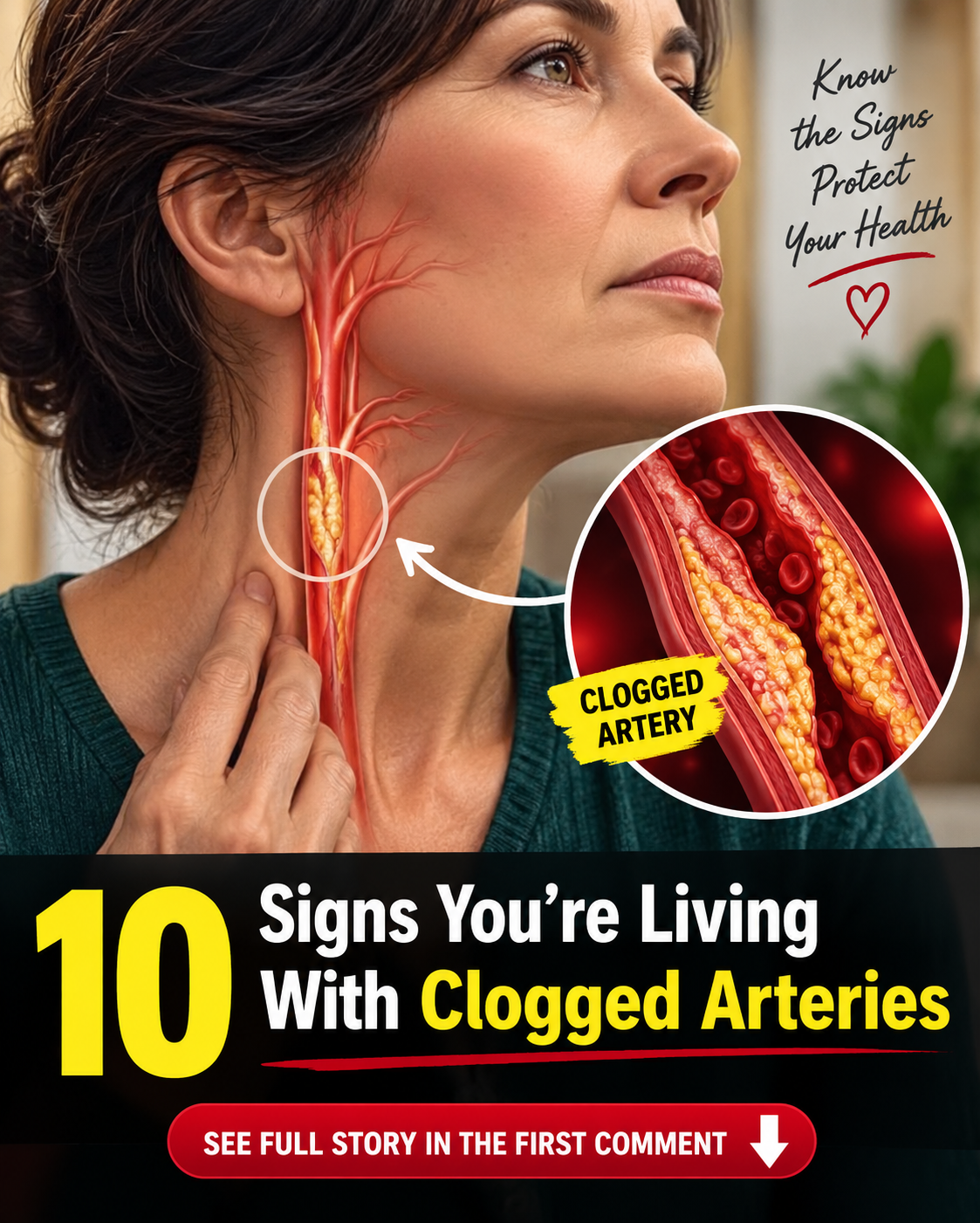
Atherosclerosis develops when plaque accumulates within artery walls. Over time, plaque can narrow arteries and reduce blood flow. Depending on which arteries become affected, atherosclerosis can contribute to coronary artery disease, peripheral artery disease, heart attack, stroke, and other cardiovascular problems.
I once heard someone describe recurring leg cramps as simply part of getting older. The discomfort appeared while walking and disappeared after a short rest, so it seemed easy to dismiss. Yet that pattern is one doctors specifically consider when evaluating circulation problems in the legs. That example changed the way I think about symptoms. The goal is not to assume every ache means something dangerous, but rather to notice new patterns, especially when symptoms repeatedly appear during activity or occur alongside known cardiovascular risk factors.
Most importantly, sudden chest discomfort, severe shortness of breath, fainting, or symptoms suggesting a heart attack or stroke require emergency attention. Do not wait for several symptoms to appear before seeking help.
Heart-Related Warning Signs of Reduced Blood Flow
1. Chest Pain or Pressure and 2. Shortness of Breath
Chest discomfort ranks among the most important 10 Indicators of Blocked Arteries You Shouldn’t Ignore. Angina can develop when coronary arteries cannot deliver enough oxygen-rich blood to the heart muscle, particularly during physical exertion. People may describe it as pressure, squeezing, tightness, heaviness, or burning rather than sharp pain.
Discomfort can also extend beyond the chest. Some people feel pain or pressure in the shoulder, arm, neck, jaw, or back. Stable symptoms may appear predictably during exertion and improve with rest, while new, worsening, persistent, or resting chest discomfort can signal a more urgent problem. The American Heart Association advises treating unstable angina as an emergency because it can indicate a heart attack or another serious cardiac condition.
Shortness of breath can also occur with coronary heart disease or a heart attack. You might notice that climbing stairs, walking uphill, or completing another familiar activity suddenly leaves you unusually winded. However, breathlessness has many possible causes, including lung disease, anemia, infections, and deconditioning, so it cannot diagnose arterial blockage by itself.
Call emergency services for new or severe chest discomfort, particularly when it persists or occurs with shortness of breath, sweating, nausea, lightheadedness, or pain in the arm, shoulder, jaw, neck, or back. Heart attack symptoms do not always follow one classic pattern.
3. Unusual Fatigue and 4. Dizziness or Lightheadedness
Unexplained fatigue deserves attention when it represents a significant change from your usual energy level. Some people experiencing acute coronary problems report unusual tiredness or weakness. Women may also experience symptoms such as extreme tiredness, nausea, dizziness, or pressure rather than relying on the stereotypical picture of crushing chest pain.
However, fatigue is extremely nonspecific. Poor sleep, stress, anemia, thyroid problems, infections, medications, depression, and many other conditions can produce similar symptoms. Therefore, tiredness alone should not lead you to conclude that your arteries are blocked.
Dizziness and lightheadedness also have many possible explanations. Dehydration, low blood pressure, medication effects, low blood sugar, inner-ear conditions, and abnormal heart rhythms can all contribute. Nevertheless, sudden lightheadedness accompanied by chest discomfort, breathlessness, sweating, or fainting requires more urgent evaluation.
Fainting becomes particularly concerning when it happens unexpectedly, during physical exertion, or alongside chest symptoms or palpitations. Rather than trying to identify the cause at home, seek prompt medical attention. Symptoms become more meaningful when healthcare professionals consider them together with your age, risk factors, medical history, and test results.
Symptoms That Can Affect the Legs and Feet
5. Leg Pain During Walking and 6. Slow-Healing Foot Wounds
Atherosclerosis does not affect only the arteries supplying the heart. Peripheral artery disease, commonly called PAD, occurs when arteries carrying blood to areas such as the legs become narrowed or blocked. Many people with PAD experience no obvious symptoms, while others develop characteristic problems during activity.
One classic symptom is intermittent claudication. A person may experience aching, cramping, burning, heaviness, weakness, or fatigue in the calf, thigh, buttock, or another part of the leg while walking. The discomfort typically improves after stopping and resting because the muscles require less blood once activity ends.
Slow-healing sores on the toes or feet can provide another clue to poor circulation. Severely reduced blood flow can interfere with tissue health and healing. Consequently, a wound that repeatedly fails to heal deserves medical evaluation, particularly in someone with diabetes, a history of smoking, or other cardiovascular risk factors.
Do not assume recurring leg pain simply reflects age or arthritis. At the same time, not every leg cramp indicates PAD. Joint problems, nerve conditions, muscle injuries, and spinal disorders can create similar discomfort. A clinician can evaluate the pattern and decide whether vascular testing makes sense.
7. A Colder Foot and 8. Changes in Skin, Hair, or Toenails
Reduced circulation can sometimes produce visible or physical changes in one leg or foot. The American Heart Association lists a cooler temperature in one foot or lower leg compared with the other among possible PAD findings. Skin color changes may also occur.
Some people with PAD develop slower-growing toenails or reduced hair growth on the legs. Loss of calf muscle can occur as well. These signs do not necessarily appear together, and their absence does not rule out disease because many people with PAD have few or no recognizable symptoms.
Comparison matters. If one foot suddenly becomes much colder, paler, numb, weak, or painful than the other, the situation can be more urgent than gradual changes that have developed over months. Sudden severe loss of circulation to a limb requires immediate medical attention.
Meanwhile, chronic changes should still prompt a conversation with a healthcare professional. This becomes especially important for people with diabetes or a history of smoking because both strongly increase PAD risk. High cholesterol, high blood pressure, chronic kidney disease, and increasing age can also raise risk.
Other Symptoms That Deserve Careful Attention
9. Arm, Shoulder, Jaw, Neck, or Back Discomfort
Heart-related discomfort does not always stay in the chest. During a heart attack or other acute coronary syndrome, pain or discomfort may involve one or both arms, the shoulders, jaw, neck, or back. Some people experience these symptoms alongside chest pressure, while others may notice less typical combinations.
Context can make the symptom more concerning. For example, discomfort that repeatedly develops during physical activity and improves with rest deserves medical evaluation. Sudden jaw or arm discomfort combined with sweating, nausea, shortness of breath, weakness, or chest pressure requires much faster action.
However, shoulder, neck, jaw, and back pain remain common complaints with many noncardiac causes. Muscle strain, arthritis, dental problems, nerve compression, and other conditions can create similar sensations. Therefore, location alone cannot determine whether the heart caused the pain.
When symptoms suggest a possible heart attack, emergency evaluation matters more than trying to diagnose the problem yourself. Calling emergency services can provide access to treatment sooner and avoids the risk of driving while your condition worsens.
10. Stroke-Like Symptoms or Sudden Neurologic Changes
Atherosclerosis can also affect arteries supplying the brain. Carotid artery disease may remain silent until a transient ischemic attack, often called a TIA, or a stroke occurs. Therefore, sudden neurologic symptoms require immediate attention rather than a routine appointment.
Warning signs can include sudden numbness or weakness of the face, arm, or leg, particularly on one side. A person may suddenly have difficulty speaking or understanding speech, develop vision loss or blurred vision, lose balance, or experience other abrupt neurologic changes.
Even symptoms that disappear after a few minutes still matter. A TIA can cause temporary stroke-like symptoms and may warn of a future stroke. Consequently, improvement does not mean you should simply continue with your day.
Call emergency services immediately when stroke symptoms appear. Do not wait to see whether they resolve. Rapid evaluation matters because some treatments work best within limited time windows, and only medical assessment can determine whether a stroke, TIA, or another condition caused the symptoms.
Understanding Risk and Knowing When to Get Checked
Symptoms Matter, but Risk Factors Matter Too
One limitation of lists describing the 10 Indicators of Blocked Arteries You Shouldn’t Ignore is that atherosclerosis can remain silent for years. Many people do not develop obvious symptoms until an artery becomes significantly narrowed or a complication occurs. Therefore, waiting for symptoms is not a reliable prevention strategy.
Important cardiovascular risk factors include high cholesterol, high blood pressure, diabetes, tobacco use, physical inactivity, excess body weight, and family history. Age also influences risk. For PAD specifically, smoking and diabetes deserve particular attention.
Routine healthcare can identify several of these problems before you feel anything unusual. Blood pressure checks, cholesterol testing, diabetes screening when appropriate, and discussions about family history help clinicians estimate cardiovascular risk.
Knowing your numbers does not guarantee prevention, but it gives you and your healthcare team useful information. Depending on your individual risk, a clinician may recommend lifestyle changes, medication, additional testing, or closer monitoring.
Diagnosis Requires More Than Recognizing Symptoms
No home symptom checklist can tell you how open or blocked your arteries are. Doctors may use different tests depending on whether they suspect coronary disease, PAD, carotid disease, or another vascular problem.
For suspected heart disease, evaluation can include an electrocardiogram, blood testing, stress testing, imaging, or coronary angiography depending on the situation. For suspected PAD, clinicians can compare blood pressure measurements at the ankle and arm with a test called the ankle-brachial index and use other vascular studies when needed.
Treatment also depends on the diagnosis and severity. Managing blood pressure, cholesterol, diabetes, and tobacco exposure can reduce cardiovascular risk. Regular physical activity and a heart-healthy eating pattern can also form part of prevention and treatment plans.
The most useful approach therefore combines awareness with appropriate medical care. Notice new or recurring symptoms, understand your risk factors, and seek evaluation rather than trying to determine the percentage of an arterial blockage from symptoms alone.
Frequently Asked Questions
Can you have blocked arteries without symptoms?
Yes. Atherosclerosis often develops gradually and may produce no noticeable symptoms during its early stages. Some people remain unaware of significant cardiovascular disease until symptoms or complications develop.
What is the most common symptom of a blocked heart artery?
Chest discomfort, or angina, is an important symptom of coronary heart disease. It may feel like pressure, squeezing, tightness, heaviness, or burning and can occur during physical activity. However, symptoms vary, and some people have little or no warning before an acute event.
What does poor circulation in the legs feel like?
PAD can cause aching, cramping, burning, heaviness, fatigue, or discomfort in the legs during walking or exercise. The pain commonly improves after resting. However, many people with PAD experience no obvious symptoms.
Can fatigue mean that my arteries are blocked?
Fatigue can occur with heart problems, but it has many other possible causes. Persistent or unusual fatigue deserves attention, especially when it accompanies chest discomfort, breathlessness, dizziness, or cardiovascular risk factors. Fatigue alone cannot diagnose blocked arteries.
When should I call emergency services?
Seek emergency help for new, severe, worsening, or persistent chest discomfort, especially with shortness of breath, sweating, nausea, weakness, lightheadedness, or pain involving the arms, shoulders, jaw, neck, or back. Sudden stroke symptoms such as one-sided weakness, difficulty speaking, or sudden vision problems also require immediate emergency care.
Conclusion
The 10 Indicators of Blocked Arteries You Shouldn’t Ignore range from chest pressure and shortness of breath to recurring leg pain, slow-healing wounds, circulation changes, and sudden neurologic symptoms. However, these signs do not function as a do-it-yourself diagnosis.
Atherosclerosis can affect arteries throughout the body, and its symptoms depend heavily on which blood vessels have narrowed. Coronary disease may produce chest discomfort or breathlessness, while PAD may cause leg pain during walking or changes in the feet. Carotid artery disease may remain unnoticed until a TIA or stroke occurs.
At the same time, many symptoms on this list have common causes unrelated to arterial blockage. That is why medical evaluation matters. Instead of assuming that fatigue, dizziness, or leg discomfort proves you have clogged arteries, pay attention to the pattern and discuss persistent or concerning changes with a healthcare professional.
Finally, never wait for every warning sign to appear during a possible emergency. New or worsening chest discomfort, severe breathing difficulty, fainting, or sudden stroke-like symptoms require immediate medical attention. Recognizing those situations quickly can make the difference between delaying care and getting potentially lifesaving treatment when it matters most.