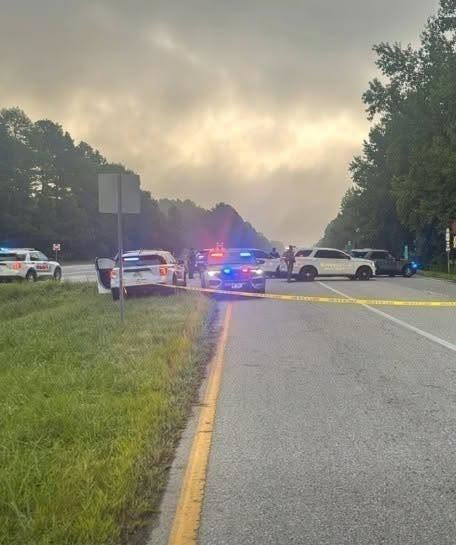
Workplace Violence in Healthcare can turn a familiar place of healing into a scene of fear within seconds. That reality became painfully clear on March 20, 2025, when gunfire erupted in a parking garage at Corewell Health Beaumont Troy Hospital in Troy, Michigan.
Early reports prompted an active-shooter response, a hospital lockdown, emergency alerts, and security measures at nearby schools. However, investigators later said the gunman never entered the hospital and described the shooting as a targeted attack involving two hospital employees rather than a random attack on patients or the public. A 25-year-old employee suffered a gunshot wound to the arm and received treatment at the hospital. Police arrested the suspect roughly two and a half hours later.
The incident ended without the broader mass-casualty event that many initially feared. Nevertheless, it raises difficult questions about Workplace Violence in Healthcare, employee safety, emergency communication, hospital security, and how medical facilities prepare for threats that can begin outside their doors.
I remember visiting a hospital years ago and noticing how differently the building felt from almost any other workplace. Families waited anxiously, nurses moved quickly between rooms, and patients depended completely on the people around them. Security barely crossed my mind because hospitals naturally felt protected. After reading about incidents involving violence against healthcare workers, I began viewing those entrances, hallways, and parking structures differently. Hospitals must remain welcoming, yet they also need plans for emergencies nobody wants to imagine. The Troy shooting makes that tension especially clear. Safety cannot eliminate every threat, but preparation can shape what happens when seconds suddenly matter.
What Happened at Corewell Health Beaumont Troy Hospital
The Shooting and Immediate Emergency Response
The incident occurred at Corewell Health Beaumont Troy Hospital, a major medical facility in Troy, about 22 miles north of Detroit. Corewell Health currently describes the hospital as a 530-bed facility providing a wide range of medical services.
According to reporting from the Associated Press, a hospital employee confronted another employee in the parking garage at approximately 7 a.m. Police said the attacker fired five shots. One bullet struck the 25-year-old victim in the arm, and the injured employee received treatment inside the hospital.
Because authorities could not immediately know the attack’s full scope, responders treated the incident as an active-shooter situation.
That distinction matters. During the opening minutes of a shooting report, police and hospital administrators cannot safely assume that a gunman has left or that only one person faces danger. Therefore, emergency procedures must address the possibility of an ongoing threat until officers establish otherwise.
Residents received an emergency alert that warned of an active shooter and advised people to avoid the area and shelter in place. Meanwhile, police blocked major roads, the hospital implemented security measures, and nearby schools also took precautions.
Inside the hospital, the uncertainty affected people who had no connection to the dispute. One cardiac patient told the Associated Press that he left a treadmill and hid in a closet while the emergency unfolded.
His experience illustrates why Workplace Violence in Healthcare affects far more people than the direct participants.
Why Police Called It a Targeted Incident
As investigators gathered information, the situation became clearer.
Troy Police Chief Josh Jones said the gunman never entered the hospital. Furthermore, police determined that the incident involved one hospital employee targeting another employee. Authorities described a recent falling out between the two people, although police did not publicly provide a detailed motive in the initial reporting.
The suspect fled after the shooting. However, police located and arrested the individual in another suburb approximately two and a half hours later.
Consequently, authorities distinguished the event from a random mass shooting.
That clarification provides important context, but it does not make the incident insignificant.
A targeted shooting on hospital property still creates an emergency for everyone nearby. Patients cannot know whether the person carrying a weapon intends to enter the building. Staff members cannot immediately know whether additional people face danger. Likewise, law enforcement must secure the scene before anyone can confidently declare the threat contained.
Therefore, describing an attack as targeted explains what investigators learned. It should not minimize the fear experienced during the event.
Corewell Health later expressed gratitude for the rapid actions of team members and law enforcement. The hospital eventually resumed operations after authorities secured the area.
Workplace Violence in Healthcare Extends Beyond Hospital Rooms
Why Healthcare Environments Face Complex Safety Challenges
Workplace Violence in Healthcare presents unusual challenges because hospitals operate differently from ordinary offices.
Hospitals remain open around the clock. They serve people experiencing pain, grief, fear, confusion, mental health crises, and intense emotional stress. Additionally, employees interact with patients, relatives, visitors, vendors, contractors, and coworkers throughout each day.
Security teams must protect these environments without preventing patients from receiving urgent care.
Parking structures add another layer of complexity.
A hospital garage can contain employees arriving before sunrise, patients leaving late at night, visitors unfamiliar with the campus, elevators, stairwells, blind corners, multiple floors, and vehicle entrances. Therefore, safety planning cannot stop at the hospital’s front door.
The Troy shooting demonstrates this point particularly clearly because police said the gunman never entered the hospital building.
Nevertheless, the attack forced the hospital to respond as though a broader threat could exist.
Effective safety programs consequently need to consider the entire campus. Lighting, cameras, emergency call systems, access control, patrols, employee escorts, reporting procedures, and communication systems can all form parts of a broader strategy.
Corewell Health states that its security teams operate around the clock and provide services that include crisis intervention, emergency response, mobile patrols, security escorts, threat assessment, and general building safety. The organization also says its security officers complete recurring training that covers emergency preparedness, de-escalation, and workplace violence prevention.
No security program can guarantee that violence will never occur. However, layered preparation can help organizations respond faster when danger emerges.
Targeted Violence Still Creates a Campus-Wide Crisis
The phrase “targeted incident” can sound reassuring after an emergency. However, people experiencing the initial lockdown do not have the benefit of information investigators discover later.
At the first report of gunfire, uncertainty dominates.
Is there one attacker or several? Has the shooter entered the building? Does the person have additional weapons? Is anyone else injured? Has the attacker left the campus?
Until authorities answer those questions, organizations must act cautiously.
That is why Workplace Violence in Healthcare requires clear emergency protocols.
Employees should know how they receive alerts. Additionally, departments need procedures for securing patients who cannot easily move. Hospital leaders need reliable ways to communicate with law enforcement. Security teams need access to critical areas, while administrators need methods for updating families and the public without spreading unconfirmed information.
Healthcare settings make evacuation particularly complicated. Some patients use ventilators, intravenous medications, wheelchairs, or other equipment. Others may be undergoing surgery or receiving emergency treatment.
Therefore, sheltering in place may become necessary in situations where evacuation would create additional danger.
The Troy incident also shows how a threat can affect the surrounding community. Nearby schools implemented security precautions, residents received alerts, and police restricted access to roads near the hospital.
In other words, violence on healthcare property rarely stays confined to the people directly involved.
What the Troy Shooting Teaches About Emergency Preparedness
Fast Communication Can Reduce Confusion
During Workplace Violence in Healthcare emergencies, accurate communication becomes essential.
Speed matters, but accuracy matters too.
An initial alert may describe an active shooter because authorities need people to protect themselves immediately. Later information may reveal that the event involved a targeted attack and that the attacker left the scene.
Both messages can be appropriate at different stages.
Emergency communication systems should therefore tell people what they need to do with the information available at that moment. Messages might instruct staff to lock doors, shelter in place, avoid a specific entrance, remain away from parking structures, or wait for an official all-clear.
However, organizations should also update those instructions as authorities learn more.
Otherwise, rumors can fill the information gap.
Hospitals face an especially difficult communication challenge because many different audiences need information simultaneously. Employees need operational instructions. Patients need reassurance and safety directions. Families want to know whether loved ones remain safe. Meanwhile, journalists and community members seek reliable information.
Social media can make the situation even harder because speculation spreads quickly.
Consequently, healthcare organizations benefit from predetermined communication responsibilities. Staff should know which official channels provide emergency updates and which people have authority to issue public statements.
Corewell Health’s existing security program includes emergency response and threat assessment services. Its published information also states that security personnel remain available 24 hours a day, seven days a week.
Prepared systems cannot prevent every violent event. Nevertheless, they can reduce uncertainty and help people act more safely.
Prevention Starts Before an Emergency Alert
Emergency response represents only one part of Workplace Violence in Healthcare prevention.
Organizations also need systems that encourage people to report threatening behavior before violence occurs.
Warning signs can vary widely. Therefore, employees should not attempt to predict violence based on appearance, personality, or stereotypes. Instead, organizations can focus on observable behavior, direct threats, escalating conflicts, harassment, stalking, intimidation, weapon-related concerns, or other conduct that violates workplace policies.
A clear reporting process helps employees know where to take concerns.
Just as importantly, management needs a structured process for evaluating those reports. Depending on the circumstances, that process may involve security professionals, human resources, legal teams, behavioral threat-assessment specialists, or law enforcement.
De-escalation training can also help employees manage some confrontations. However, organizations should never treat de-escalation as a guarantee or place responsibility for preventing violence entirely on individual workers.
Sometimes the safest response involves leaving the area and contacting security or police.
Corewell Health says its security services include crisis intervention, de-escalation, threat assessment, mobile patrols, and security escorts. It also states that officers train at least twice annually on topics that include workplace violence prevention and emergency preparedness.
The broader lesson reaches beyond one hospital.
Safety works best as a system rather than a single measure. Cameras alone cannot solve every problem. Neither can locks, guards, training, or alerts. However, multiple layers can support one another.
Building Safer Healthcare Workplaces After a Violent Incident
Supporting Employees, Patients, and Witnesses
When the immediate danger ends, the effects of Workplace Violence in Healthcare may continue.
A person does not need to suffer a physical injury to experience distress after hearing gunshots, hiding during a lockdown, receiving an emergency alert, or wondering whether a shooter might enter the building.
Healthcare workers may face an additional burden because they must continue caring for patients while processing their own reactions.
Therefore, post-incident planning deserves the same attention as emergency response.
Organizations can provide employees with clear updates about what happened and what authorities have confirmed. They can also communicate available counseling and employee assistance resources, review security procedures, and give teams opportunities to raise practical concerns.
Patients and families need thoughtful communication as well.
Some people may worry about returning for appointments after a widely reported violent event. Clear information about restored operations and available security measures can help them make informed decisions.
Following the Troy shooting, authorities secured the campus, and hospital operations resumed. Corewell Health thanked its employees and law enforcement for their quick actions.
The facility continues operating as a major hospital with emergency, surgical, cardiovascular, pediatric, and other services.
Recovery, however, means more than reopening doors.
It also means learning from what happened.
What Healthcare Organizations Can Learn
Every incident differs, so no single checklist can eliminate Workplace Violence in Healthcare.
Still, healthcare organizations can review several fundamental questions after an emergency.
Did employees receive alerts quickly? Did staff understand what the alerts meant? Could departments secure their spaces? Did security and law enforcement communicate effectively? Did parking structures and exterior areas receive adequate coverage? Could staff report concerns easily before the incident? Did patients with limited mobility receive appropriate protection?
Organizations can also examine how quickly they corrected early information as investigators established the facts.
After-action reviews can identify weaknesses without assuming that every problem reflects an individual failure. Often, emergencies expose gaps in systems that appeared adequate during ordinary operations.
Hospitals can then use those lessons for future training.
For employees, knowing basic procedures before an emergency reduces the number of decisions they must make under pressure. For administrators, realistic exercises can reveal communication problems before a real crisis occurs.
The Troy shooting offers one encouraging fact: authorities reported that the gunman did not enter the hospital, police apprehended the suspect within hours, and the hospital resumed operations.
However, the event still illustrates how quickly violence between individuals can disrupt an entire healthcare campus.
The goal should not involve creating hospitals that feel like fortresses. Instead, healthcare systems need thoughtful security that protects employees, patients, and visitors while preserving access to care.
Frequently Asked Questions
What happened at Corewell Health Beaumont Troy Hospital?
On March 20, 2025, police said one hospital employee confronted another employee in a parking garage and fired five shots. A 25-year-old employee suffered a wound to the arm and received treatment at the hospital. Police later arrested the suspected shooter.
Was the Corewell Health Troy shooting a random active-shooter attack?
Police ultimately described the shooting as targeted rather than random. However, authorities initially responded as they would to a possible active shooter because they needed to determine the extent of the threat. Police said the gunman never entered the hospital.
Was anyone killed in the Troy hospital shooting?
The Associated Press reported that the 25-year-old victim suffered a gunshot wound to the arm and received treatment at the hospital. Its account did not report a fatality from the incident.
Why did the hospital lock down if the shooting happened in the garage?
Responders could not immediately assume that the attacker had left or would remain outside. Therefore, security measures protected patients, visitors, and employees while police determined the shooter’s location and the scope of the threat.
How can hospitals reduce Workplace Violence in Healthcare?
Healthcare organizations can combine threat reporting, security personnel, emergency alerts, de-escalation training, exterior patrols, access controls, employee escorts, emergency exercises, and cooperation with law enforcement. No single measure eliminates risk, so layered prevention and response systems remain important.
Conclusion
Workplace Violence in Healthcare creates challenges that extend far beyond the moment when violence occurs. The Corewell Health Beaumont Troy Hospital shooting demonstrates how a targeted dispute between employees can trigger an active-shooter response, hospital security measures, community alerts, nearby school precautions, and widespread fear.
Police ultimately determined that the shooter never entered the hospital and that the attack targeted a specific employee. The victim survived the reported arm injury, while officers arrested the suspect approximately two and a half hours after the shooting.
Those facts provide important reassurance. Nevertheless, they do not erase the broader lesson.
Hospitals must prepare for threats inside buildings, around entrances, and across parking areas. Furthermore, employees need reliable reporting systems, clear emergency instructions, effective communication, and support after frightening events.
Workplace Violence in Healthcare cannot always be predicted or completely prevented. However, healthcare organizations can strengthen preparedness, evaluate threats, train employees, improve communication, and learn from each emergency.
Ultimately, hospitals need to remain places where people can seek treatment and where healthcare workers can perform their jobs as safely as possible. The Troy incident serves as a reminder that protecting that environment requires continuous attention before, during, and after a crisis.